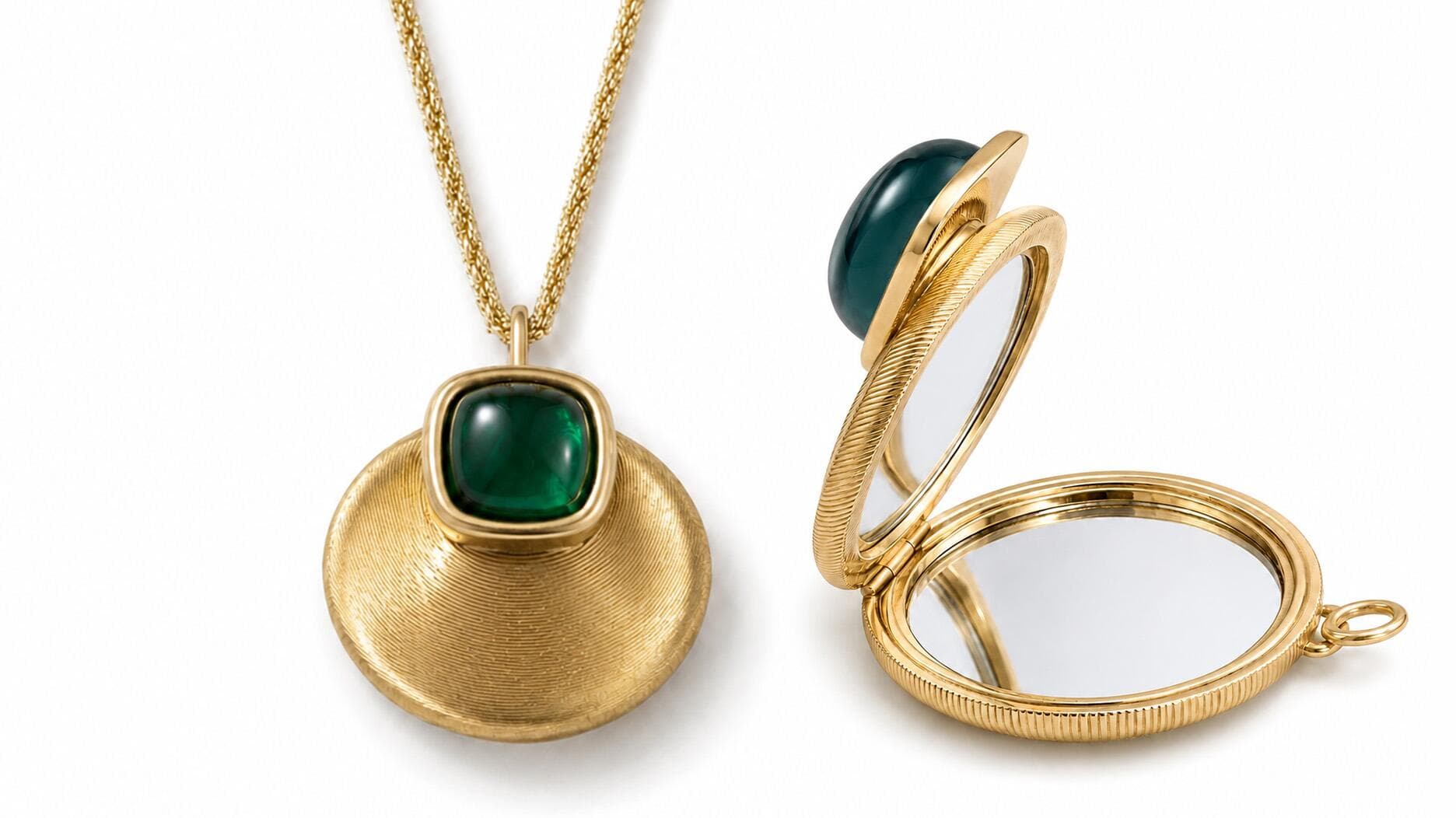
Colored Gemstones Surge as Birthstone Jewelry Gains New Appeal
Colored gems are no longer a niche indulgence. For birthstone buyers, sapphire, ruby, and emerald now carry more meaning, more scrutiny, and more value questions than ever.
Color is back at the center of the birthstone conversation
Colored gemstones have moved from accent to headline, and that shift matters most for birthstone buyers. The current appeal is not only aesthetic; it is emotional, historical, and practical. A sapphire pendant, a ruby ring, or an emerald bracelet now offers the kind of personal symbolism shoppers want, while also giving them something the market increasingly prizes: a stone with a story.
That story is showing up everywhere. VO+ Jewels & Luxury Magazine dedicated its April issue to colored gemstones, framing the category through interviews, in-depth articles, analyses, and major market trends. The broader trade has reached the same conclusion. Rapaport has noted that although diamonds still dominate jewelry sales, color is taking share as consumers look for novelty and collectors want a more reliable investment. For birthstone buyers, that means the once-simple question of “What is my stone?” has turned into a richer one: “Where did it come from, how was it chosen, and what exactly am I paying for?”
The scale of demand is hard to ignore. The Plumb Club’s 2025 Industry and Market Insights survey found that 65% of respondents seek jewelry with their birthstone, while 39% prefer bright-colored gemstones, up 7% from 2023. That is not a fad, it is a preference shift. Birthstones are becoming the cleanest entry point into the colored-gem boom because they already carry a built-in emotional logic: they are personal without feeling forced, and they make gifting easier because the symbolism is instantly legible.
Why sapphire, ruby and emerald lead the birthstone revival
Sapphire, ruby and emerald sit at the top of this story because each one offers a different kind of emotional charge. Sapphire reads as composed and architectural, ruby as vivid and intimate, emerald as lush and unmistakably luxurious. Together, they cover the range of what birthstone buyers want now: recognizable beauty, strong color, and enough presence to feel significant without requiring a complicated explanation.
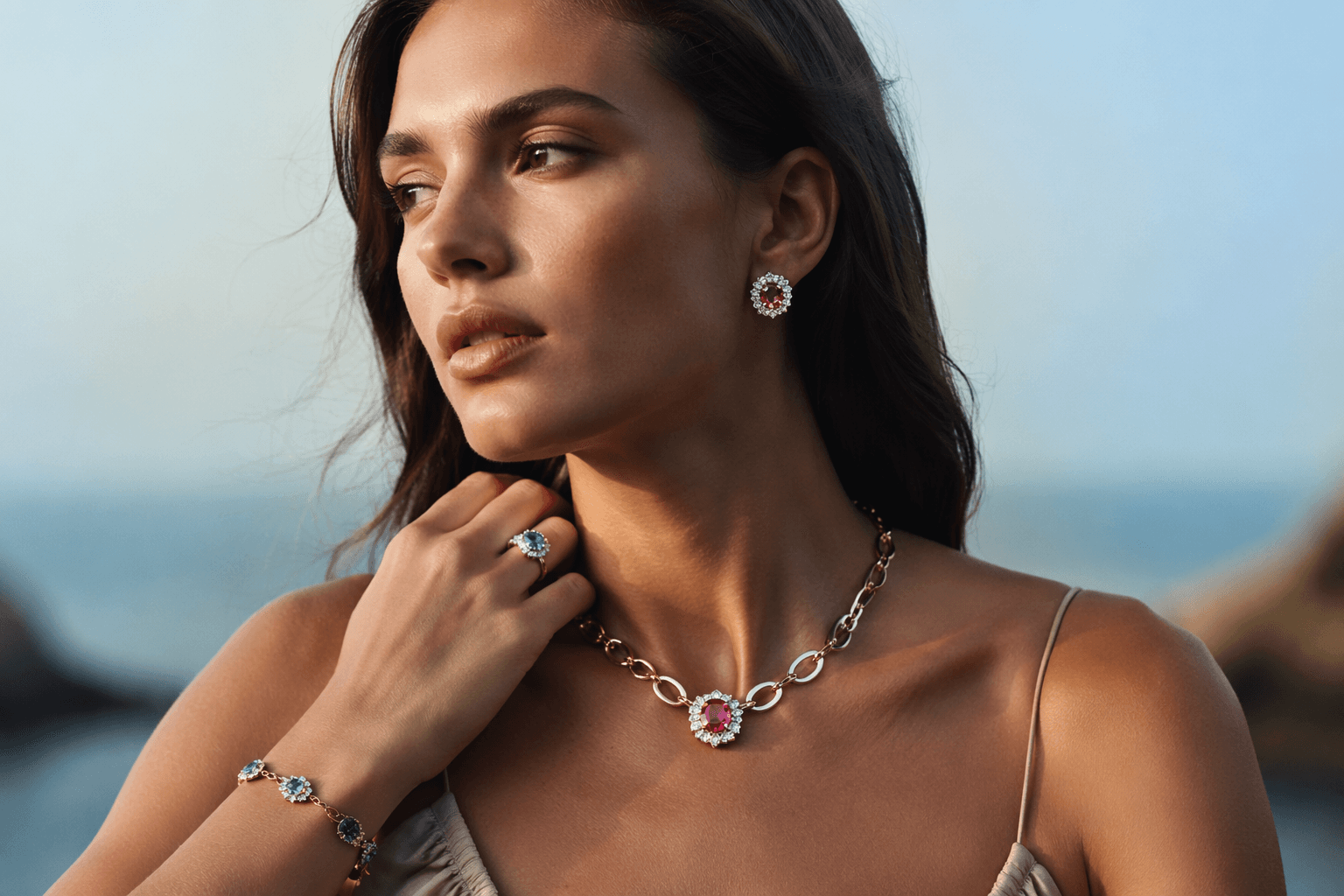
They also work beautifully in jewelry design because color changes how a piece sits on the body. A prong-set sapphire lets light move through the stone and can make the color feel brighter and more open. A bezel-set ruby reads more graphic and modern, with the metal rim emphasizing the gem’s saturated body color. Emerald often benefits from thoughtful protection, since its structure can be more vulnerable, which is why mounting and setting choice matter as much as carat weight. In other words, the setting is not a finishing detail. It is part of the stone’s presentation, durability, and long-term wearability.
That is part of the reason colored stones have grown more relevant in the birthstone space than in the abstract fine-jewelry market. Buyers are not just chasing hue; they are choosing a stone that can live on the hand, at the throat, or against the wrist with confidence. A good birthstone jewel has to survive daily life, not just a gift reveal.
What provenance changes, and why it changes price
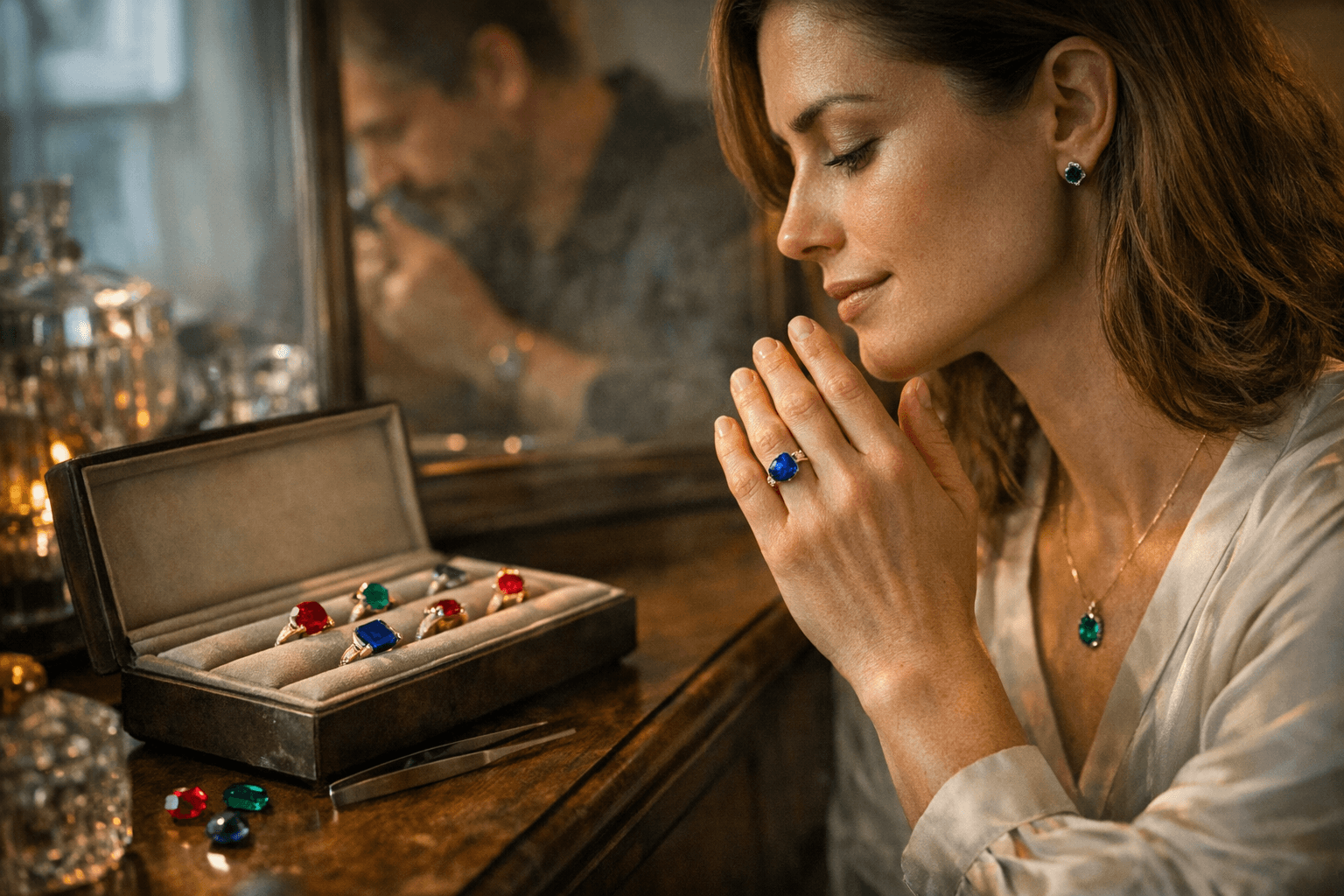
Provenance has become one of the most important words in colored gemstones because it affects three things buyers care about immediately: price, authenticity, and confidence. If a sapphire or emerald has a strong origin story, documented treatment history, and traceable supply chain, it can command more trust and, often, more value. If that documentation is thin, the buyer is left relying on appearance alone, which is a far shakier basis for a high-stakes purchase.
The industry has moved in that direction for a reason. In 2023, AGTA launched a traceability project focused on transparency, ethics, sustainability, and human rights for colored gemstones mined in Africa. In January 2026, GIA said it was expanding origin-determination and treatment-detection services for colored gemstones, a sign that provenance is no longer a niche concern but part of the core language of the market. At the 2026 Ethical Gem Fair in Tucson, short supply chains, responsible sourcing, verifiable origins and traceability were the selling points, not the subtext.
For the shopper, that changes what “value” means. A stone with documented origin and treatment disclosure can be easier to gift because it comes with a clearer narrative. It can also be easier to insure, easier to compare, and easier to trust over time. In a market where colored stones face high prices and low supply, as JCK described in its 2025 colored-stones coverage, proof becomes part of the luxury.
The modern birthstone market is old, but the buying logic is new
The official U.S. birthstone list dates to 1912, when it was established by the American National Retail Jewelers Association, now Jewelers of America. That history gives birthstone jewelry a rare advantage: it is both culturally familiar and endlessly adaptable. A birthstone piece can be as traditional as a solitaire ring or as contemporary as a slim pendant with a bezel-set gem and a clean, modern chain.
This is where the market’s recent enthusiasm becomes useful to the reader. Nick Mehta of Varsha Diamonds said in 2024 that colored gemstones would dominate in 2025, pointing to market research showing the global colored-gemstone market had been growing since 2021 and was projected to rise 6.2% by 2028. Whether one is buying for April, July, September or May, that growth has a direct effect on the shelves: better selection at the top end, more competition around origin claims, and higher pressure on sellers to explain exactly what they are offering.
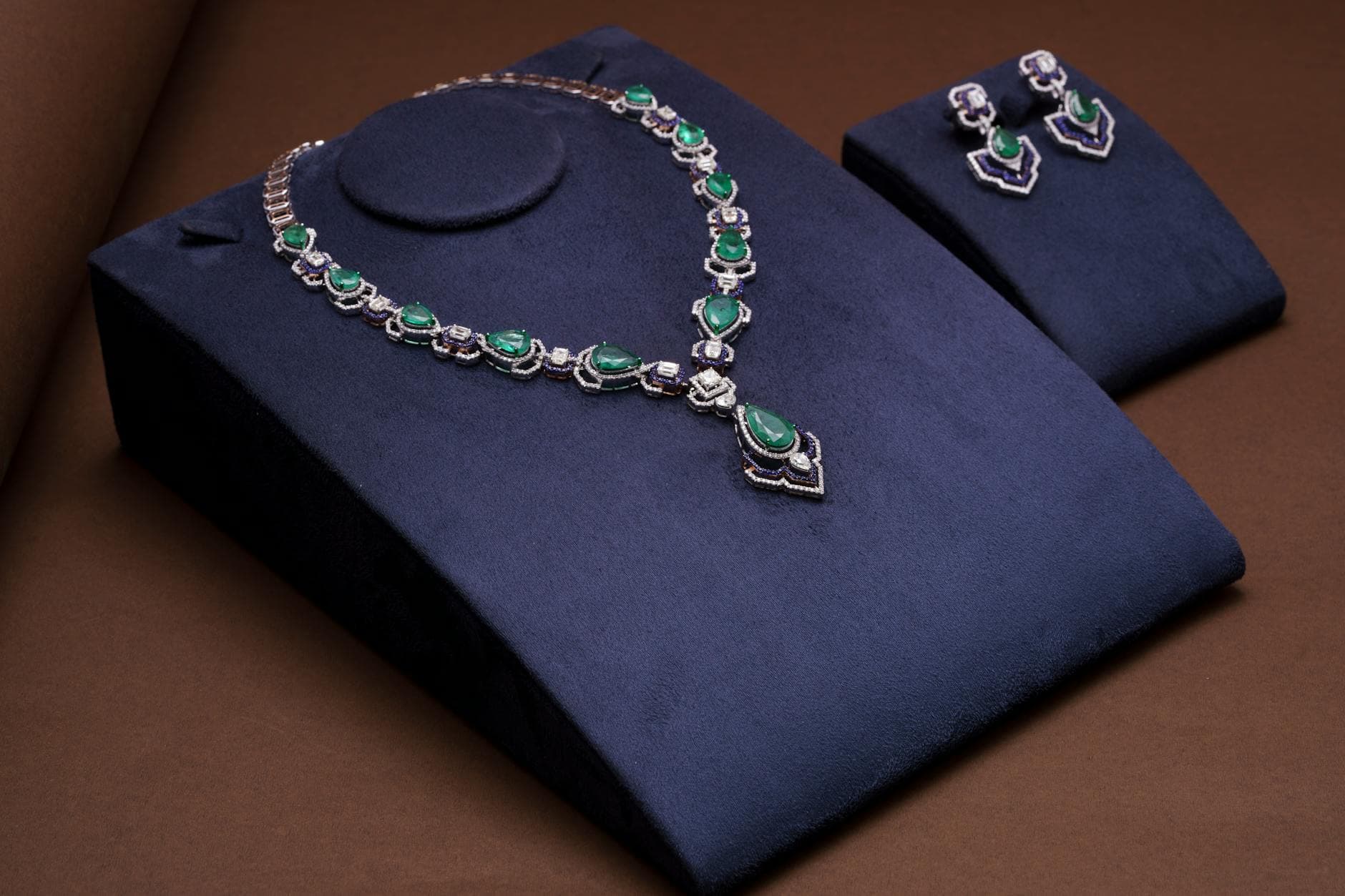
The smartest birthstone purchases reflect that reality. A sapphire should not just be blue; it should be the blue you actually want, in a cut that flatters the stone and a setting that suits the life you lead. A ruby should not be judged only by intensity, but by whether the red feels vivid or muddy under natural light. An emerald should be assessed with particular care, because its beauty is often about character as much as clarity. These are not abstract collectibles. They are wearable decisions.
What to ask before you buy
The best birthstone buyers ask the questions that separate sentiment from guesswork.
- What is the stone’s origin, and is that origin documented?
- Has the stone been treated, and if so, how?
- Is the price reflecting rarity, size, color quality, or a strong provenance story?
- What setting is protecting the stone, and does it suit everyday wear?
- Is the seller transparent about whether the gem is natural, heated, filled, or otherwise enhanced?
Those questions matter because the birthstone boom has raised expectations. A gift now has to feel personal, but it also has to feel informed. That is especially true for sapphire, ruby and emerald, where color alone does not tell the whole story. The market is rewarding stones that can prove themselves, and shoppers are increasingly learning to do the same.
That is the real change underneath the colored-gem surge: birthstone jewelry is no longer just about month and meaning. It is about choosing a stone whose beauty is matched by its biography, and whose appeal can stand up to both the gift box and the long view.
This article was produced by Prism’s automated news system from verified source data, official records, and press releases, then run through automated quality and moderation checks before publishing. The system is built and supervised by the people who set the standards it runs under. Read our full AI policy.
Did this article answer your question?