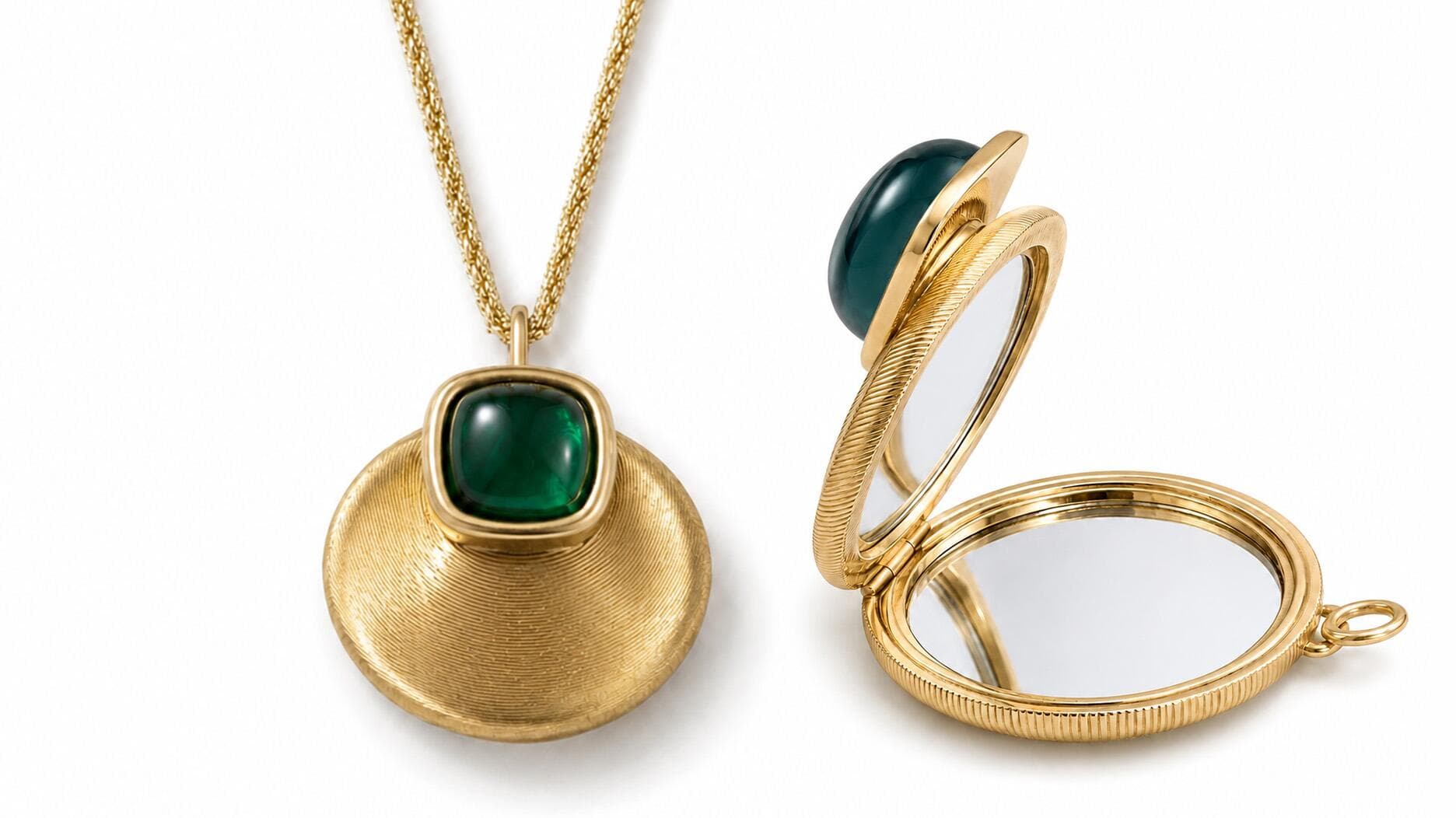
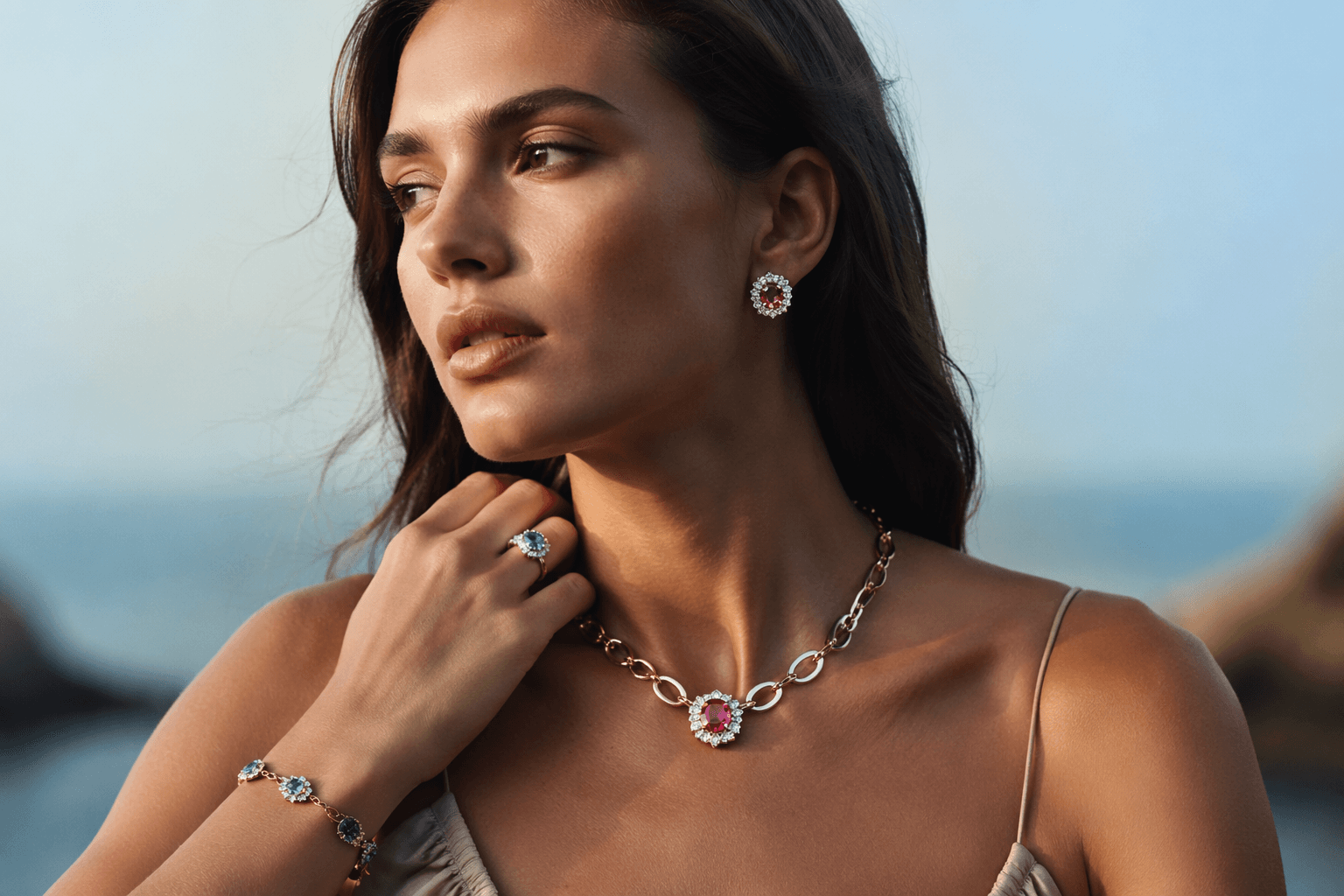
Birthstone Jewelry Takes Center Stage in Mother’s Day Selling Push
Birthstone pendants and rings are the fastest Mother’s Day sell, backed by a $38 billion gift rush and a category that turns personalization into an easy story.

Flowers wilt. Chocolates disappear. Birthstone jewelry lasts, and this year it has a built-in advantage: it gives a shopper an instant story to tell while giving a sales associate an easy way to personalize a gift on the spot. Mother’s Day falls on Sunday, May 10, in the United States this year, and the holiday’s emotional weight still traces back to Anna Jarvis, who created it in 1908 before President Woodrow Wilson made it an official U.S. holiday in 1914.
That origin story matters because the modern Mother’s Day market is as much about sentiment as it is about spend. The National Retail Federation and Prosper Insights & Analytics project $38 billion in total Mother’s Day spending in 2026, with jewelry expected to lead all gift categories by dollars spent. About 45 percent of shoppers plan to buy jewelry for a loved one, and National Jeweler says Mother’s Day jewelry spending is expected to top $7 billion. In a crowded seasonal rush, that makes birthstone pieces one of the cleanest ways to turn a browsing customer into a confident buyer.
Why birthstones convert so well
Birthstone jewelry works because it reduces the hardest part of gift buying, the overthinking. A pendant or ring tied to a birth month immediately narrows the field, and that simple fact gives the conversation shape: one stone for a mother, a different stone for a grandmother, or several stones to represent children and grandchildren in a single piece. It is also one of the few jewelry categories that can be sold as both personal and practical, since the symbolism is obvious and the design can range from delicate to statement-making.
That is why birthstone pendants and rings are especially useful at the counter. A pendant avoids ring sizing altogether, which makes it a natural last-minute purchase, while a ring can feel more intimate for shoppers who already know the recipient’s size. Bracelets, necklaces, and earrings also fit neatly into the category, but the easiest conversation starter remains the birth month itself: it is specific, emotional, and familiar enough that customers do not need much coaching to understand the value.
The easiest formats for mothers, grandmothers, and multi-child gifts
For mothers, a single-stone pendant or a slim ring often lands best because it feels wearable every day. The stone does the talking, and the setting does not need to be elaborate to feel thoughtful. For grandmothers, family-centered pieces with multiple stones carry extra meaning, especially when the design stacks or clusters several birthstones rather than isolating one.
Multi-child gifting is where birthstones become especially persuasive. A necklace with three or four stones can stand in for children, while a ring or bracelet can be built as a small family timeline. That flexibility is one reason retailers are being urged to keep birthstone jewelry front and center alongside pearls, necklaces, and personalized pieces. It does the work of a custom gift without forcing the shopper into a long commissioning process.
A quick birthstone lookup helps the sale move faster
Modern birthstones at a glance
The International Gem Society’s modern birthstone chart gives sales associates a ready-made script and shoppers a fast lookup tool. The contemporary list assigns stones by month, and some months can have more than one accepted stone depending on the list in use.
- January: garnet
- February: amethyst
- March: aquamarine
- April: diamond
- May: emerald
- June: alexandrite
- July: ruby
- August: peridot
- September: sapphire
- October: tourmaline
- November: topaz
- December: blue topaz
That list is useful precisely because it keeps the sale concrete. If a customer says she needs something for a May birthday and a Mother’s Day gift in the same breath, emerald gives the associate an immediate starting point. If she wants to honor two children, the month-to-stone structure makes a two-stone or three-stone design feel intuitive rather than invented.
Why the emotional pitch still matters
Mother’s Day has always carried a complicated relationship with commerce. Anna Jarvis later denounced the holiday’s commercialization, which is one reason the most effective gift language still leans on family memory, not hard sell tactics. Birthstone jewelry fits that emotional register better than many other categories because it already carries a built-in narrative: a month, a person, a bond, a keepsake.
That is also why the strongest sales approach is not to lead with price alone. A shopper comparing a generic pendant with a birthstone piece is not just buying a colored gem. She is buying a recognizable symbol that can stand in for a child, a partner, or a family line, and that is especially powerful when the holiday itself was built around honoring mothers rather than marketing to them.
In a season where jewelry is expected to dominate Mother’s Day spending by dollars, birthstone pieces offer the rare combination retailers want most: easy inventory, easy personalization, and a story that feels immediate. The best gift is not just beautiful. It is legible at a glance, and in the rush before May 10, that is what closes the sale.
This article was produced by Prism’s automated news system from verified source data, official records, and press releases, then run through automated quality and moderation checks before publishing. The system is built and supervised by the people who set the standards it runs under. Read our full AI policy.
Did this article answer your question?