February amethyst jewelry picks blend sustainability, durability and deep purple style
Amethyst can feel quietly decadent when it is responsibly sourced and well made, with color, setting, and provenance all carrying equal weight.
Amethyst’s appeal starts with the stone itself
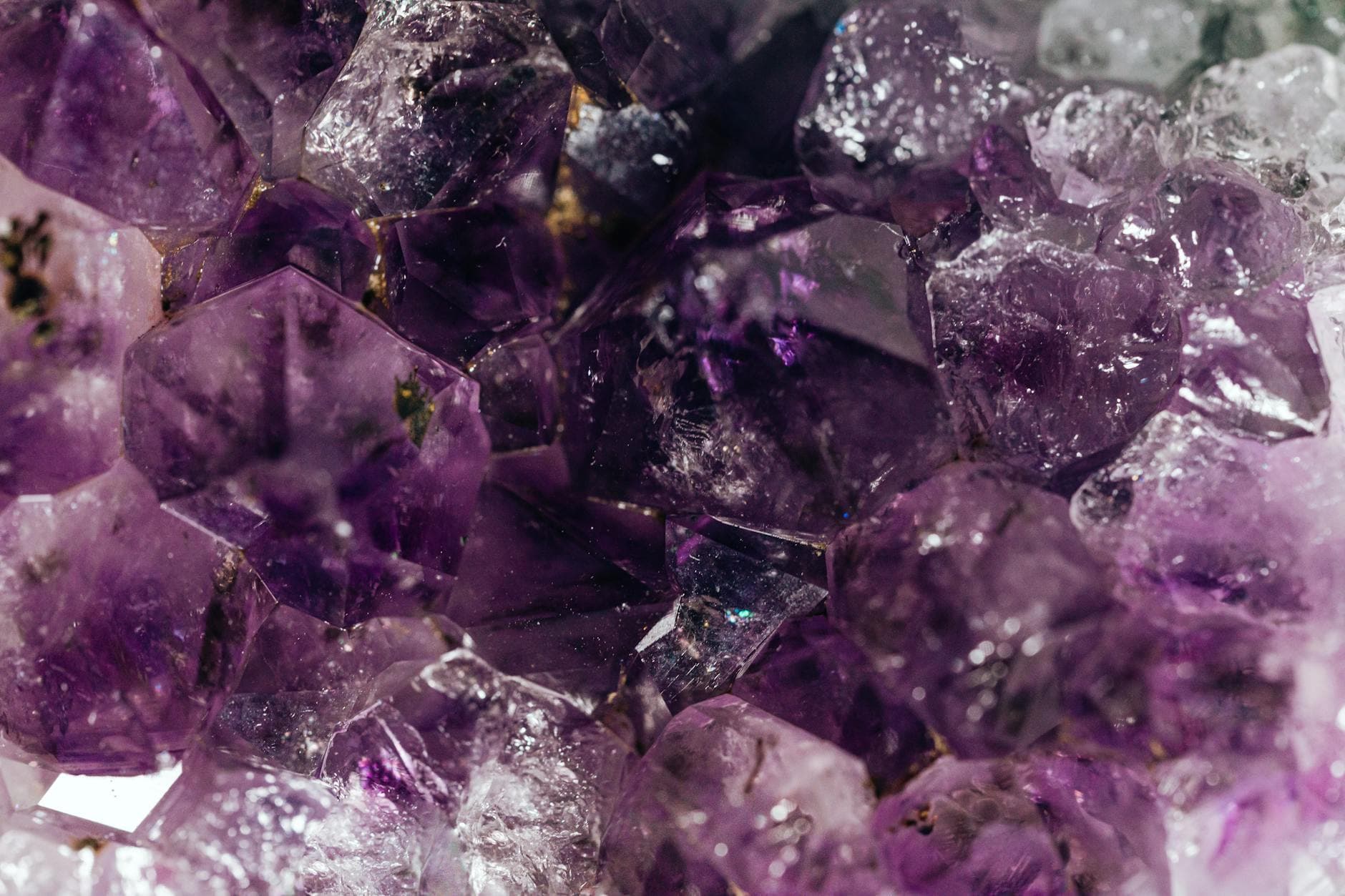
February’s birthstone has never been merely symbolic. Amethyst, the purple variety of quartz, moves easily from pale lilac to deep, saturated royal purple, which gives it a range unusual enough to feel editorial rather than predictable. That spectrum matters: a lighter stone reads airy and modern, while a darker gem can carry the moody richness of fine evening jewelry.
Its history only deepens the appeal. GIA traces the name to the Greek amethystos, meaning “not drunk” or a remedy against drunkenness, a nod to ancient Greek lore that linked the gem with Dionysus, the god of wine, known to the Romans as Bacchus. Britannica adds that amethyst has long been used in carved intaglios and appears in the Bible among the stones on the high priest’s breastplate. It is a stone with enough mythology to feel storied, but enough everyday practicality to live comfortably on the body.
Why sustainability belongs in the conversation
The best sustainable birthstone jewelry does not announce itself with buzzwords alone. It proves its values through sourcing transparency, responsible supply-chain standards, and construction that makes a piece worth wearing for years rather than seasons. That is especially important with amethyst, which is widely available worldwide and therefore lends itself to more considered buying: there is no need to confuse scarcity with quality.
Birthstone lists themselves have never been fixed in stone. Britannica notes that the modern associations were tempered by availability and cost, which is part of why contemporary jewelry buying feels more nuanced than simple symbolism. Today, the question is not only whether a gem belongs to February, but whether the metal, stone, and craftsmanship support long wear.
- Transparent sourcing for the gemstone and metal
- Independent certification or verified supply-chain claims
- Durable settings and solid construction that can handle repeated wear
- Designs that are repairable, resizable, or easy to maintain over time
A serious sustainability lens looks for:
That is where groups like the Responsible Jewellery Council matter. Founded in 2005 by 14 organizations including De Beers, Tiffany & Co., and Cartier, it says it now brings together more than 2,000 companies across the global watch and jewelry supply chain to promote responsible practices and ethical standards. Fairtrade also emphasizes independently verified sourcing models and certification as a way to increase transparency for ethically and sustainably sourced products. Those frameworks do not replace good design, but they do give shoppers a more credible way to judge what “sustainable” actually means.
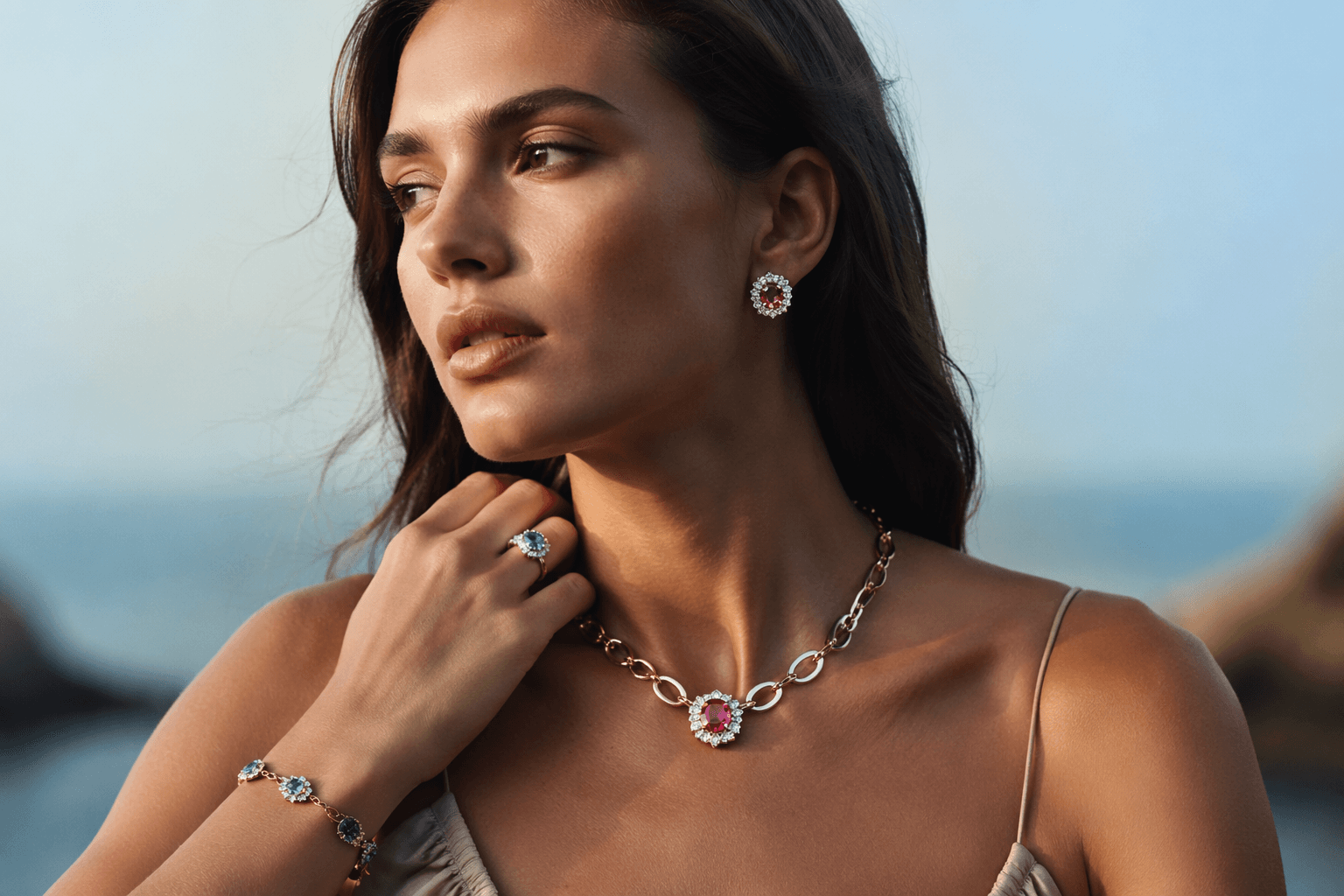
How to read the category: rings, necklaces, bracelets and earrings
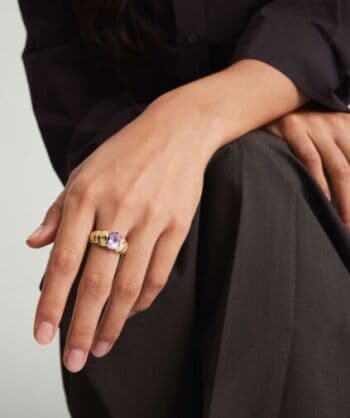
Amethyst works across jewelry categories because it is visually legible at many scales. In a ring, the gem has to withstand contact, so the setting matters as much as the color. A bezel can protect the stone and suit a contemporary look, while prongs bring more light into the gem and can make even a modest stone appear more alive. For everyday wear, durability is not a marketing term: it is the difference between a ring that becomes a signature and one that stays in a box.
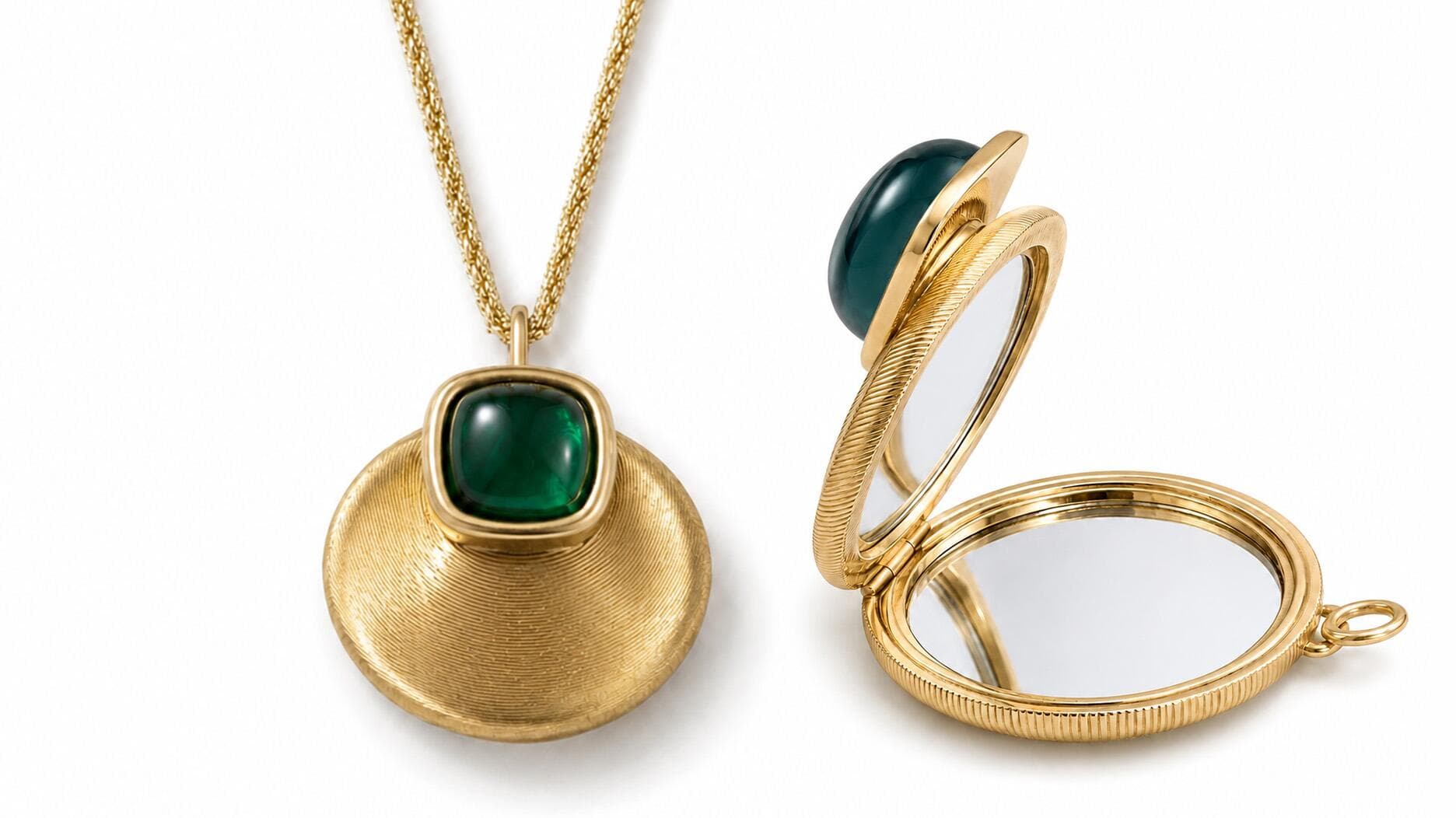
Necklaces offer more freedom for shape and scale. A solitaire amethyst pendant in recycled metal feels restrained and elegant, especially when the stone is cut to show off depth rather than size. Step up to a larger faceted gem, and the necklace becomes the focal point of an outfit, which is where amethyst’s violet range really earns its keep. Lighter lilac can read fresh against bare skin; deep purple has the kind of gravity that works with black, ivory, or jewel-toned clothing.
Bracelets demand a different standard because they move constantly. Here, sustainability should be matched by construction, not just materials. A well-made amethyst bracelet uses secure links, sturdy clasps, and stones set in a way that resists loosening with wear. If the design is delicate, it should still feel intentional, not fragile.
Earrings may be the easiest place to wear amethyst daily, especially in studs or compact drops. They bring the gemstone close to the face, where its color can brighten the complexion without overpowering it. For earrings, the ethical question is often less about size and more about finish: recycled metals, secure backs, and balanced proportions are the signs of a piece designed for real life.
What separates a good piece from a persuasive one
The strongest amethyst jewelry balances three things at once: color, construction, and conscience. Color gives the stone its emotional charge. Construction determines whether the piece can survive repeated wear. Conscience is the sourcing story, and it should be specific enough to mean something.
When you evaluate a piece, look past the soft language and ask what is verifiable. A responsible brand should be able to explain where the amethyst came from, how the metal was sourced, and how the piece was made to last. That is particularly important in birthstone jewelry, where sentiment can make buyers less skeptical than they should be. Good design does not need to hide behind the word sustainable; it should look beautiful and hold up under scrutiny.
Why amethyst feels especially relevant now
Amethyst sits at a useful intersection of accessibility and meaning. It has ancient associations, a broad color palette, and enough durability to work in everyday jewelry, yet it also fits the modern demand for better sourcing and better-made objects. In that sense, it is exactly the kind of stone that rewards a more educated eye.
The most compelling February jewelry is not the loudest purple in the case. It is the piece that understands how a birthstone should behave in the real world: beautiful enough to feel personal, durable enough to wear often, and responsibly made enough to justify the keeping.
This article was produced by Prism’s automated news system from verified source data, official records, and press releases, then run through automated quality and moderation checks before publishing. The system is built and supervised by the people who set the standards it runs under. Read our full AI policy.
Did this article answer your question?