GIA launches countertop birthstone guide for jewelry retailers
GIA’s $7 countertop flipchart puts each month’s birthstone, color, source and mineral facts in one place, a small tool with outsized use on the sales floor.

The smartest birthstone explainer in a jewelry case is the one that answers three questions fast: what color to expect, where the stone comes from, and whether the gem on the tray is the real thing or a look-alike. GIA’s new Birthstone Flipchart does exactly that in a compact 7-inch-by-8.5-inch desktop format, giving sales teams a full-color reference they can keep within reach while helping customers choose rings, necklaces and gifts.
Priced at $7 and sold in English only, the counter-sized tool is part of GIA’s Retailer Support Program, which is built to help jewelers educate shoppers about diamonds, colored stones, pearls and the value of GIA grading and identification reports. The program also reaches beyond the flipchart with brochures, counter displays, videos, images, logos, interactive downloads and staff training modules, a reminder that birthstone sales are rarely just about a month on a calendar. They are about making a stone feel personal, legible and worth buying.
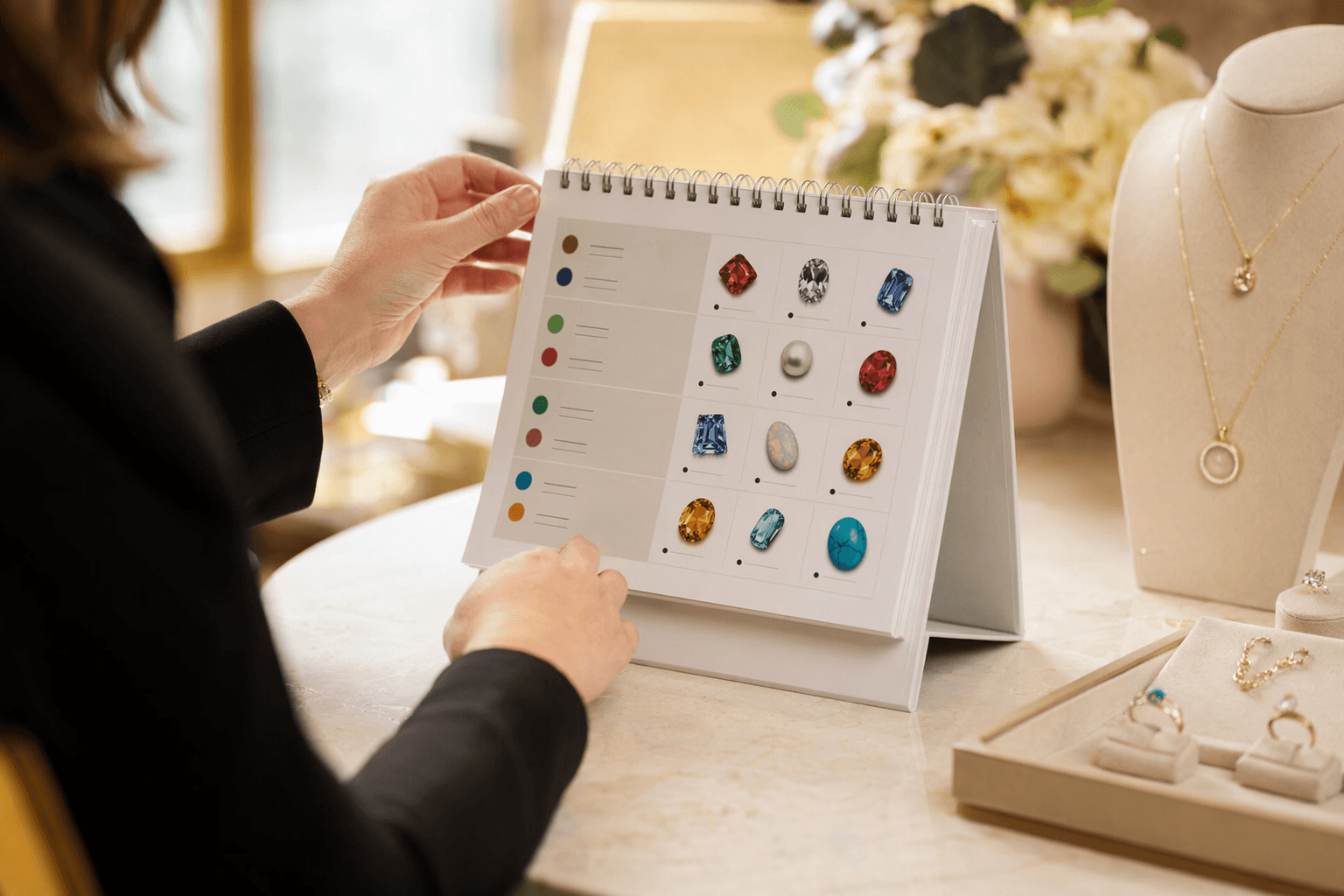
GIA says birthstones are a colorful introduction to gemstones and that they appeal to audiences around the world regardless of gender, age, nationality or religion. That broad reach helps explain why the category keeps showing up in everything from simple birthstone studs to mother’s rings and stacked pendants. The flipchart is designed to make that conversation more precise, with each month paired to its stone, its color, its geographic sources and its mineral specifics.
The history behind the list is less fixed than many shoppers assume. Encyclopaedia Britannica says the modern monthly birthstone list has only a slight relationship to ancient beliefs because it was shaped by availability and cost, not just symbolism. Britannica also traces the tradition to the breastplate of the Jewish high priest Aaron and notes that 20th-century lists were expanded with synthetic stones as substitutes for rarer or less durable gems. That matters at the counter, where a shopper asking for an emerald green birthstone piece may need to understand why another stone, or even a lab-created alternative, is the better fit for daily wear.
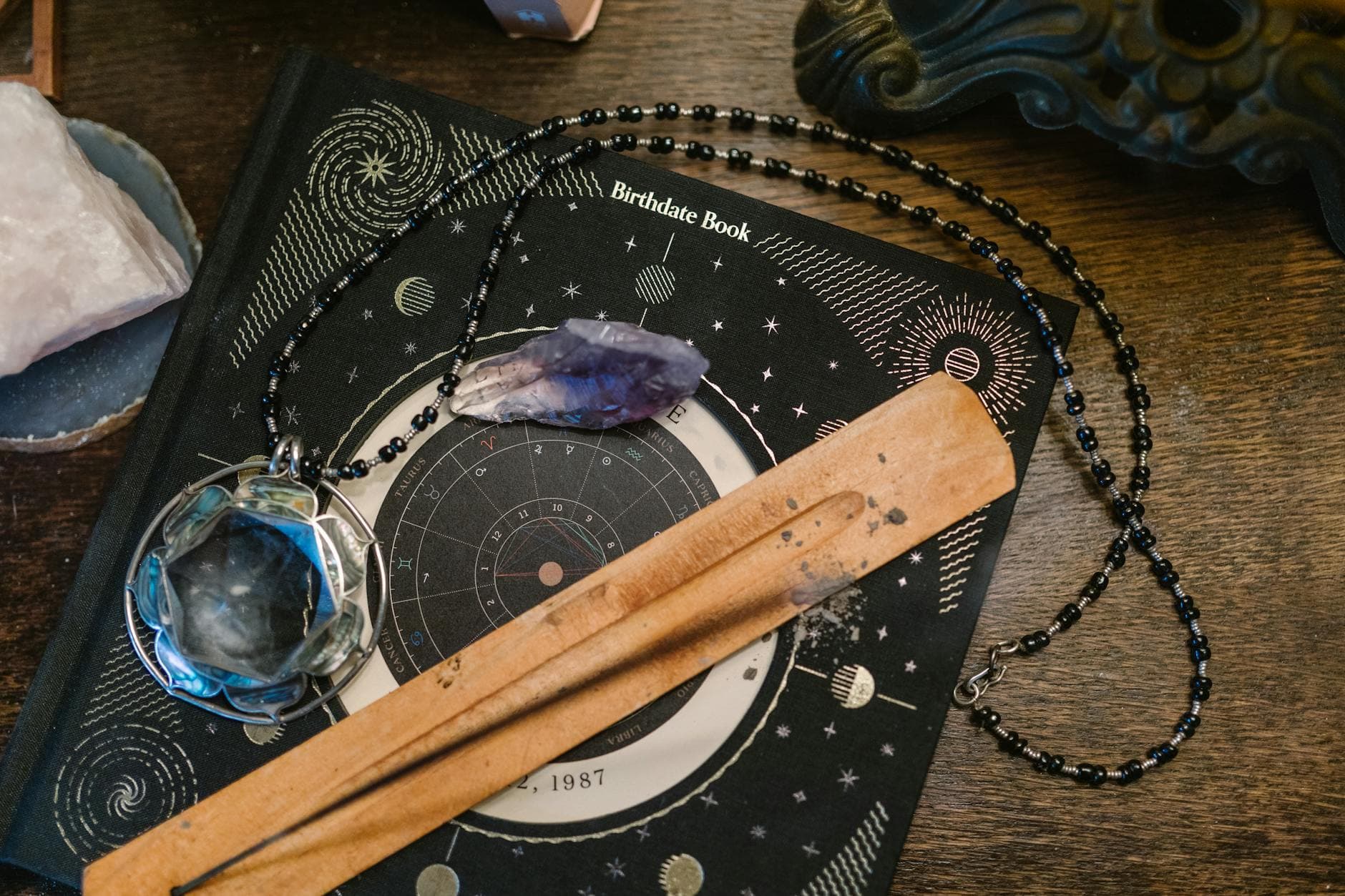
The official U.S. list dates to 1912, when the National Association of Jewelers standardized it. International Gem Society says that standardization helped jewelers make mother’s rings and other multi-stone pieces more easily, and it notes that consumers now mix modern and traditional lists. That flexibility is part of birthstone jewelry’s staying power, and it helps explain why the category remains a high-converting one as personalized jewelry continues to dominate interest in 2026. In a market crowded with vague meaning and glossy marketing, a clean birthstone explainer still wins by doing the old-fashioned work: naming the stone, defining the material, and telling the truth about what sits in the setting.
This article was produced by Prism’s automated news system from verified source data, official records, and press releases, then run through automated quality and moderation checks before publishing. The system is built and supervised by the people who set the standards it runs under. Read our full AI policy.
Did this article answer your question?