Young lapidarists reshape birthstone jewelry with online-driven gemstone cutting
Young American cutters are giving birthstones new shape, sharper color, and a more personal story. The result is a richer alternative to standardized jewelry, backed by real scarcity and rising demand.
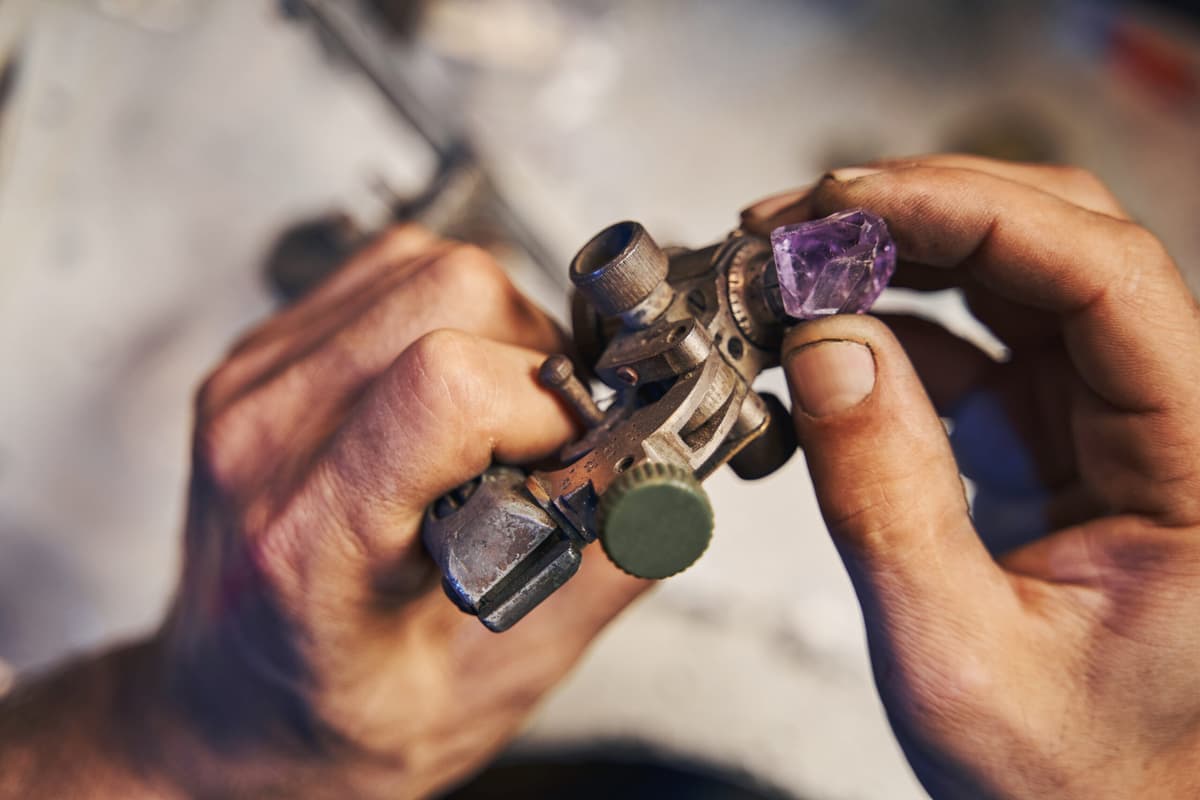
Birthstone jewelry has entered a more authored era. The old idea of a birthstone as a polite, standardized token is giving way to pieces with edge, personality, and a clearer point of view, shaped by a new generation of American lapidarists who learned to cut, connect, and sell online. Their work matters because it changes not just how a stone looks, but how it reads on the body: as a month marker, a keepsake, and a small object of identity.
The new tastemakers are cutters, teachers, and digital natives
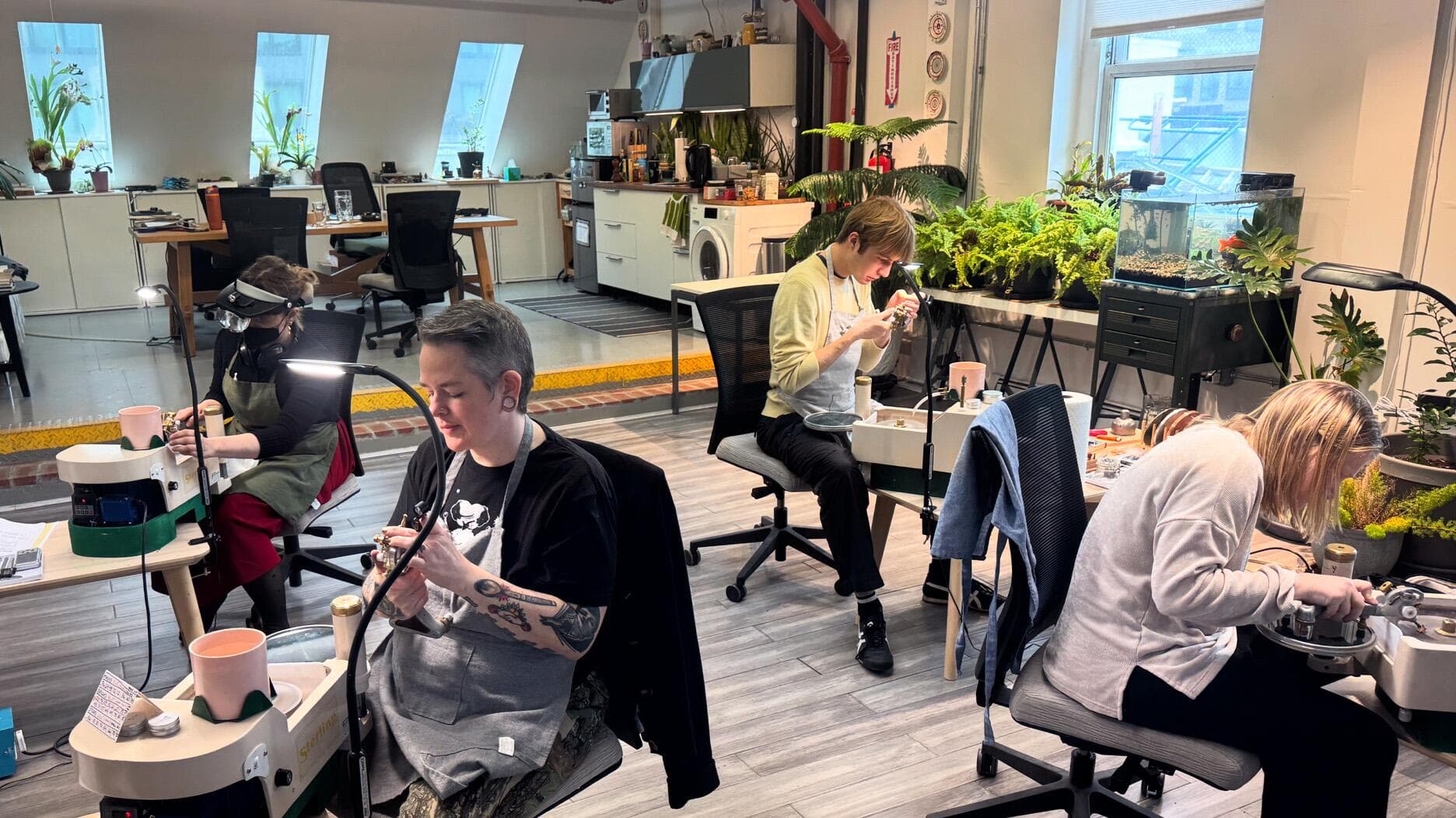
At the center of this shift is Faceting Apprentice, the gemstone-cutting school founded in 2019 by Justin K. Prim and Victoria Raynaud. Their model looks nothing like the old guarded apprenticeship system, where faceting knowledge was passed slowly and privately over years of hands-on practice. Instead, Prim and Raynaud run classes from Lyon, France, with both virtual and in-person instruction, plus twice-yearly two-week sessions in Brooklyn, New York.
That format reflects the way young American lapidarists are actually building careers now. Many are largely self-taught, using online platforms to find resources, connect with one another, and make sales. Prim’s YouTube channel, @JustinKPrim, extends that ecosystem with instruction on gemstone cutting, machines, history, cultures, and techniques, turning education into community and community into commerce. In a field that once depended on geographic proximity and closed networks, that kind of visibility is transformative.
Why the cut matters as much as the stone
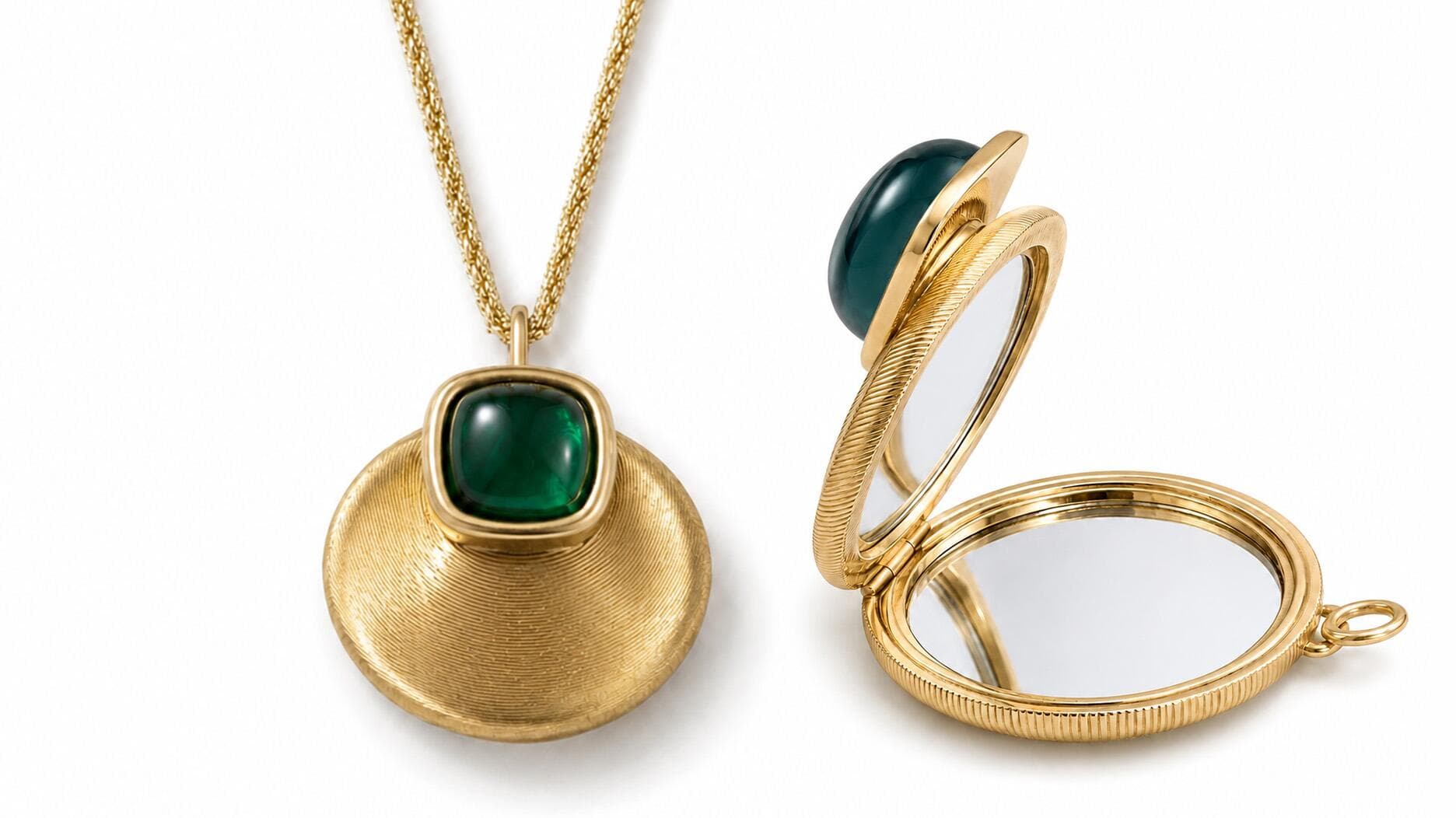
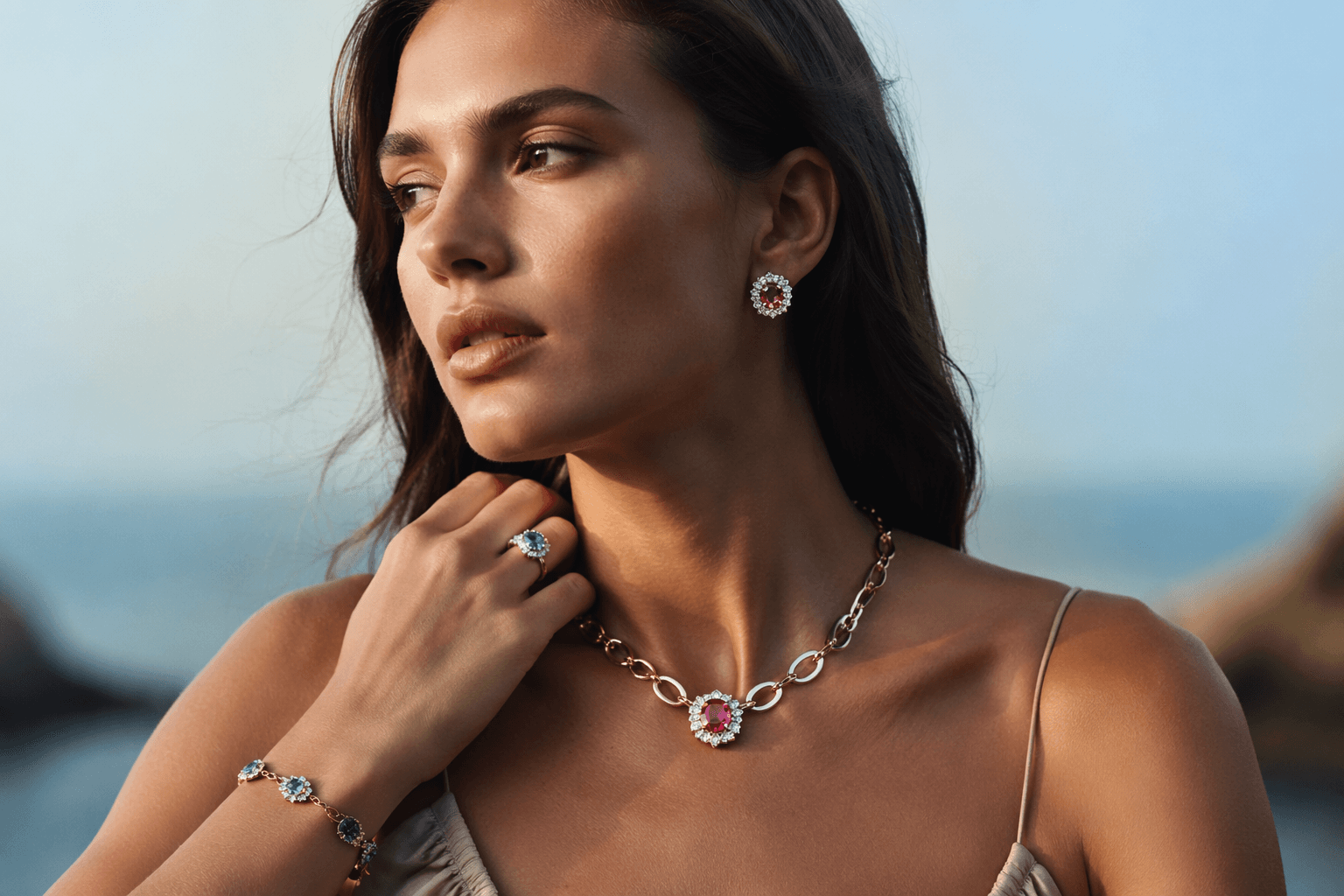
For birthstone jewelry, the cut is no longer a background detail. It is the difference between a stone that feels generic and one that looks unmistakably personal, especially when cutters are pushing more distinctive shapes and bolder color presentation. A faceted garnet with a crisp silhouette or a tourmaline with an unexpectedly lively outline can make a birthstone feel less like a category and more like a signature.
That shift also fits the broader market logic of colored stones. The Gemological Institute of America identifies color as the key quality factor driving demand, and consumer taste has expanded well beyond ruby, sapphire, and emerald. Tourmaline, garnets, opal, and turquoise now sit much more comfortably in the conversation, which gives designers and retailers room to build birthstone stories that feel modern without severing the link to tradition.
The supply story is part of the style story
Scarcity is quietly shaping what reaches the case. At an American Gem Trade Association discussion at JCK Las Vegas, dealers described supply of premium colored stones as extremely challenging over the previous 12 to 24 months. Mining costs were rising, yields were falling, and some premium emerald material had become scarcer and more included, with auction demand for certain emerald parcels rising threefold to fourfold.
Those pressures help explain why the most interesting birthstone pieces today often feel intentionally edited. When supply tightens, cutters and designers have to work harder with the material in front of them, which can lead to more inventive proportions, more deliberate color placement, and a greater emphasis on the stone’s inherent character. In that sense, scarcity is nudging the market toward artistry.
Birthstone jewelry is also becoming more global and more transparent
The modern fine jewelry buyer wants more than a pretty color. Geographic origin has become a meaningful part of value, especially as some of the world’s finest rubies, sapphires, and emeralds now come from Mozambique, Madagascar, and Zambia. Traceability and origin reporting matter because they help the buyer understand not only what the stone is, but where its visual authority comes from.
That matters for birthstones too, because the category now sits between heritage and contemporary luxury. The traditional birthstone list in common U.S. use traces back to Poland between the 16th and 18th centuries, while the modern U.S. list dates to 1912, when the National Association of Jewelers released a more transparent-minded version. That layered history gives today’s designers permission to mix old and new, pairing a familiar month stone with a contemporary cut, a different color story, or a more individual setting.
What to look for in a modern birthstone piece
The best birthstone jewelry now tends to reward close looking. It feels less mass-produced, more authored, and more attuned to the personality of the wearer. If you are choosing a piece, these details matter:
- Shape: Distinctive faceting and less predictable outlines signal a cutter’s hand rather than a factory formula.
- Color: Saturation, not just size, gives a stone presence on the skin.
- Origin story: Traceability adds depth, especially in a category built on personal meaning.
- Setting: A setting should support the stone’s personality, not flatten it into a generic look.
- Wearability: Birthstone jewelry should feel at home in daily life, whether it is a ring, pendant, or small charm meant to be worn often.
The most compelling pieces do all of this at once. A well-cut stone can look vivid in a simple gold frame, while a less expected color can turn a familiar birth month into something sharper and more current.
A market tilting toward color
The numbers confirm what the eye already sees. AGTA reported that colored gemstone imports rose 136% from 2020 to 2024, while diamond imports fell 54% by 2024 after a post-pandemic bump. That suggests color has gained market share, and it helps explain why more retailers are promoting colored stones with new urgency.
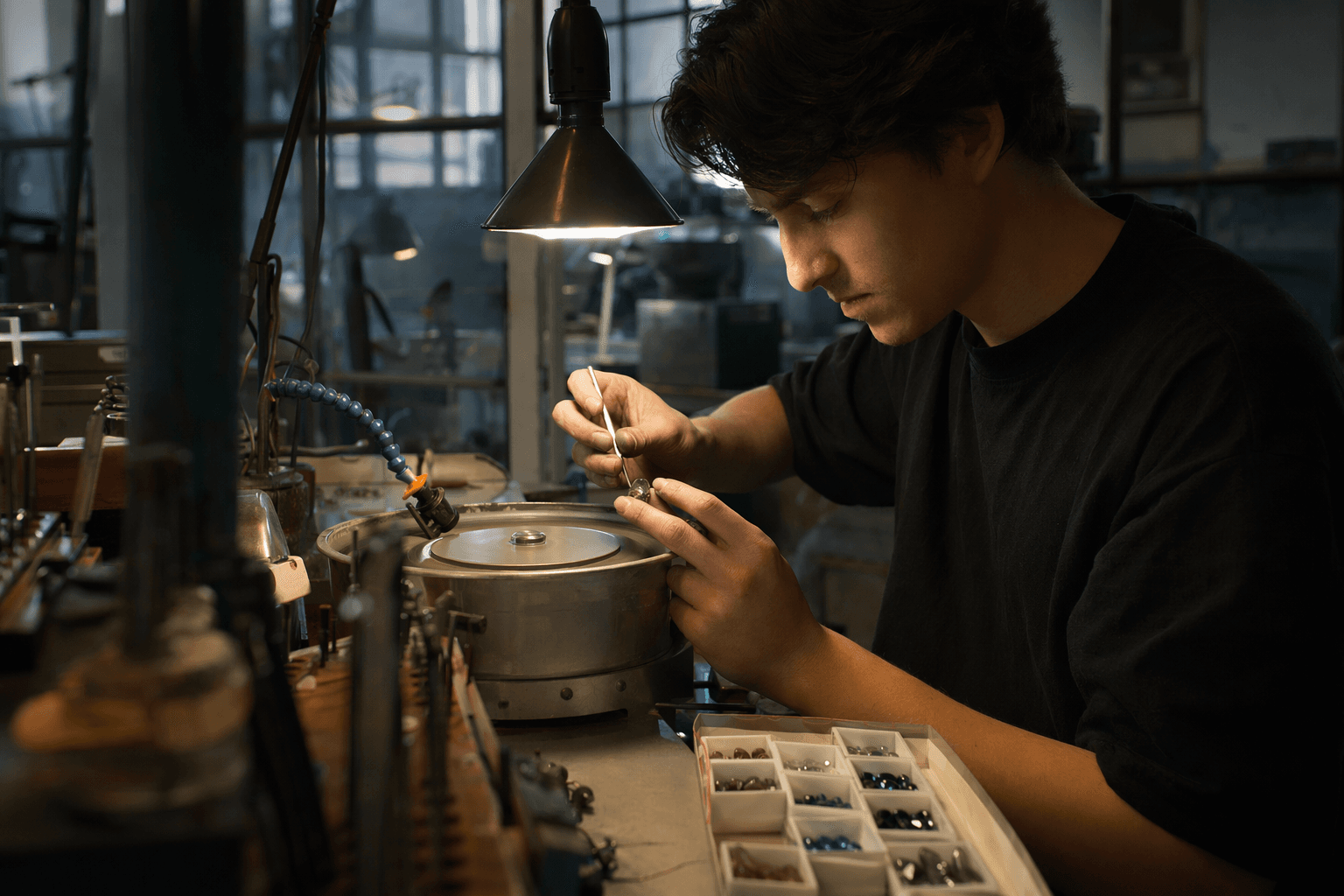
A 2024 lapidary-industry analysis called the moment a possible “lapidary renaissance,” driven by the internet, design software, new equipment, and work-from-home opportunities. That description feels apt. Cutting is no longer hidden behind the walls of a few major centers; it is happening in home studios, online classrooms, and hybrid workshops, where the next generation is making itself visible as it works.
Why this matters for birthstone jewelry now
The most important change is not simply that young cutters are entering the field. It is that they are changing the language of the category. Birthstone jewelry is moving from standard issue to style statement, from a fixed list to a living visual vocabulary shaped by color, technology, and authorship.
That is the real appeal of this moment. A birthstone no longer has to look the way it always has. In the hands of young American lapidarists, it can become more vivid, more individual, and far more closely tied to the person who will wear it.
This article was produced by Prism’s automated news system from verified source data, official records, and press releases, then run through automated quality and moderation checks before publishing. The system is built and supervised by the people who set the standards it runs under. Read our full AI policy.
Did this article answer your question?