National Jewel Day Asks: Which Birthstone Would You Choose?
The list of birthstones we live by is barely a century old — the National Association of Jewelers only standardized it in 1912, and it's been revised ever since.
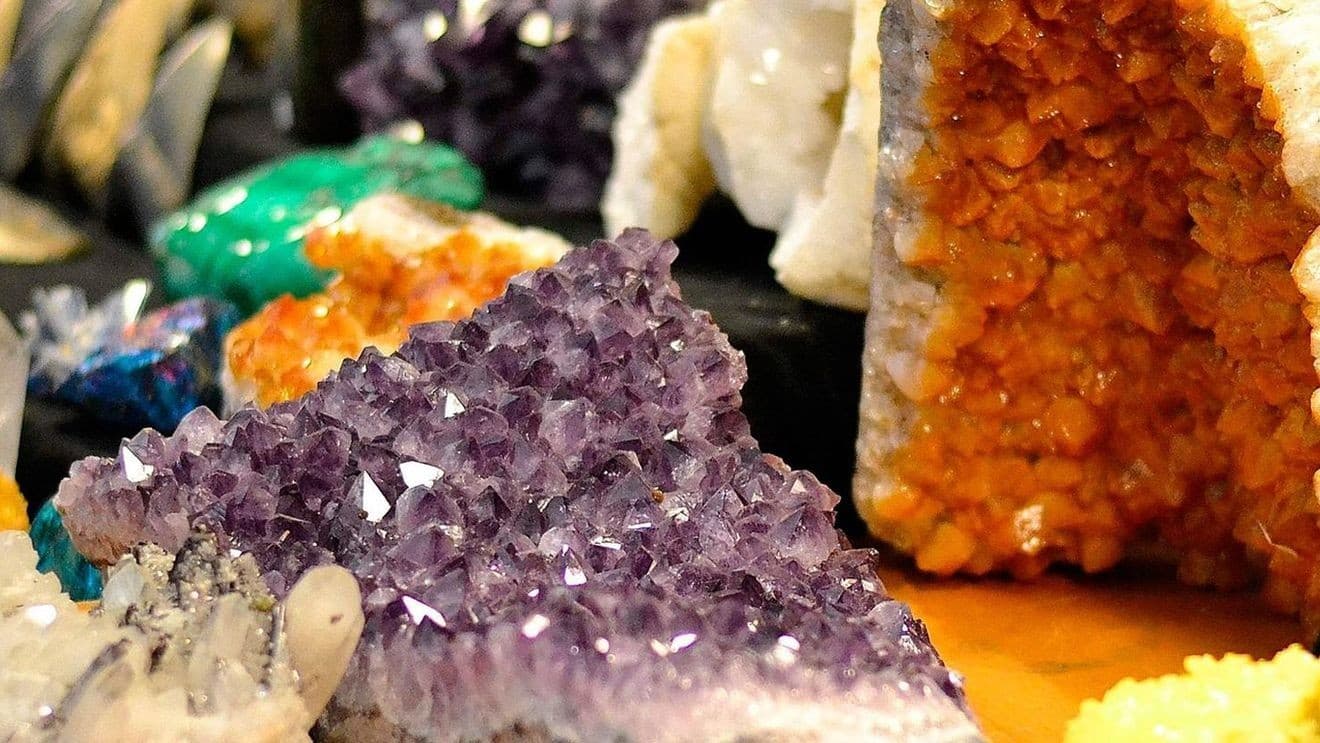
The first-century historian Josephus believed there was a connection between the twelve stones in Aaron's breastplate, the twelve months of the year, and the twelve signs of the zodiac. That theological thread runs all the way to the present, though the commercial version of the story is far more recent: in August 1912, the National Association of Jewelers met in Kansas City and officially adopted a standardized birthstone list. The list has been quietly revised ever since, and the choices are more negotiable than most wearers realize — which is precisely what made National Jewel Day, observed March 13, a fitting occasion to ask a deceptively simple question: if you could pick your birthstone, which would you choose?
Birthstone lists have evolved over centuries, with different cultures and trade groups revising them for reasons including availability, durability, and consumer preference. The modern U.S. list was standardized in 1912 by the National Association of Jewelers, and later updates added alternatives like tanzanite for December and alexandrite and moonstone for June. These additions give jewelers options when original stones are rare, fragile, or very expensive, while still keeping a symbolic gem connected to each month.
Some months offer more freedom of choice than others. June alone carries three official stones: pearl, alexandrite, and moonstone. Alexandrite dazzles with its remarkable color-changing properties, shifting from green to red under different lighting conditions. It is often cited as the most valuable birthstone, due to its extreme rarity and dramatic color shift. Meanwhile, people born in March have two birthstones: aquamarine and bloodstone, stones that could hardly be more different in temperament. The aquamarine was thought to cure heart, liver, and stomach diseases, and early sailors believed that aquamarine talismans, etched with the likeness of the sea god Neptune, protected them against ocean dangers. Bloodstone occupies the opposite end of the color spectrum: dark green with red specks, a rich, earthy, weighted stone most often cut into cabochons or carvings, making pendants and beaded bracelets the most common forms.
The question of provenance matters as much as aesthetics. Professional jewelers choose cleaning methods based on each gemstone's hardness, toughness, and sensitivity to heat or chemicals. Hard, stable stones like diamonds, sapphires, and rubies often tolerate ultrasonic or steam cleaners, while porous or soft gems such as opals, pearls, turquoise, and emeralds usually require gentle hand cleaning with mild soap and water. Durability also determines whether a stone can handle daily wear: ruby, sapphire, aquamarine, alexandrite, and spinel are durable enough to serve as engagement ring gems, with a Mohs hardness of 7.5 or higher, meaning they will rarely come in contact with an object that will abrade them.

For anyone not assigned the stone they love by birth, there is a precedent for shopping outside your month. Some historians say there is evidence that a few centuries ago some people would purchase a set of 12 birthstone gems and wear them in turn each month according to the zodiac calendar. The logic was that the power of a stone was tied to the season, not the wearer's birthday. People didn't start wearing the birthstones of their own personal birth month until jewelers in Germany or Poland began selling birthstone jewelry around the 1500s.
The provenance question is worth raising with any retailer. For older buyers, the holiday can open conversations about where gemstones come from and how some jewelers focus on ethical and sustainable sourcing. Vague claims about "responsible" or "traceable" supply chains deserve scrutiny; ask specifically which mine, which country of origin, and whether third-party certification exists. A stone's story matters as much as its color saturation, and birthstones carry secrets, attributes, and lore that are unique to each gemstone — but only if the gem you're holding is exactly what it claims to be.
This article was produced by Prism’s automated news system from verified source data, official records, and press releases, then run through automated quality and moderation checks before publishing. The system is built and supervised by the people who set the standards it runs under. Read our full AI policy.
Did this article answer your question?