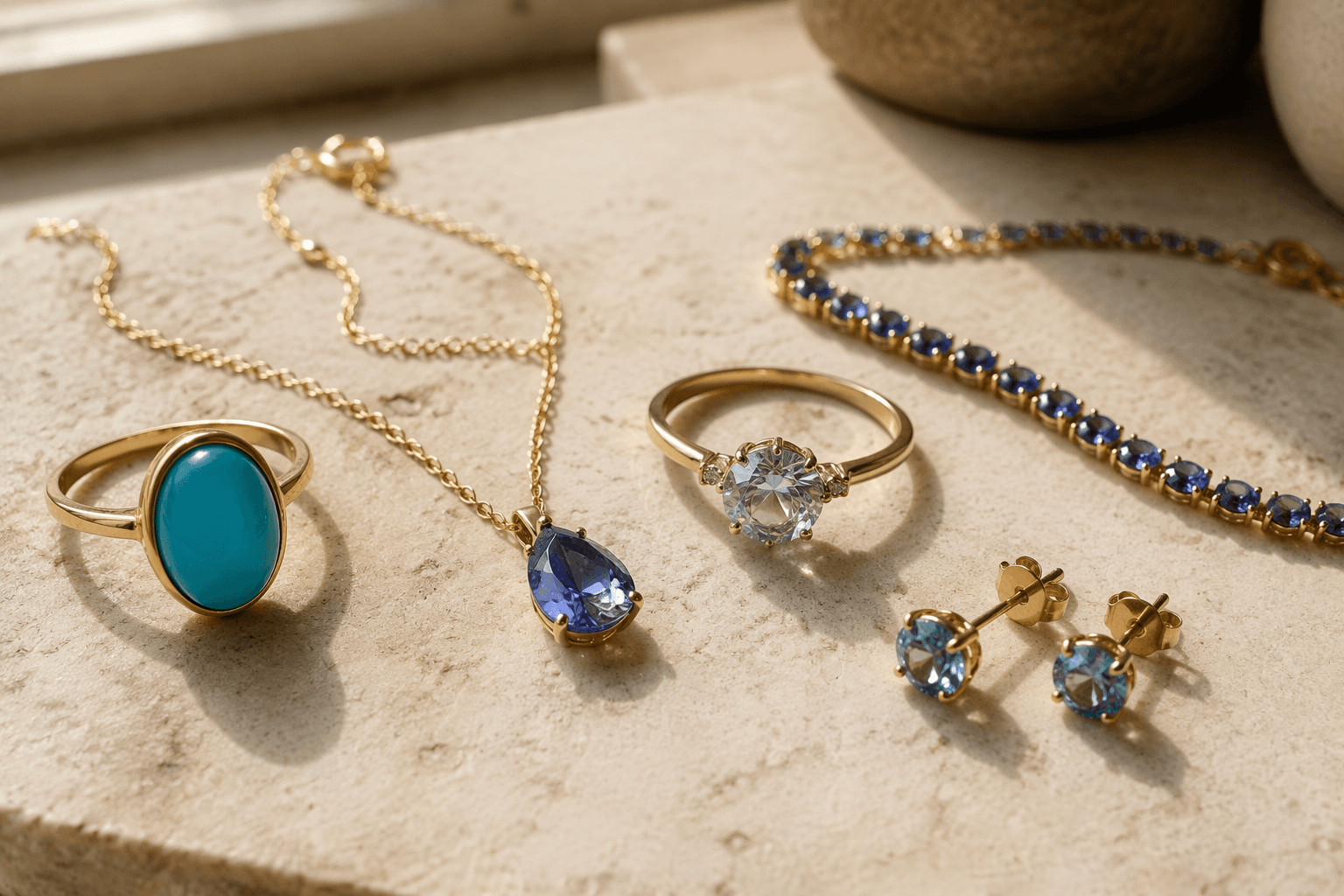
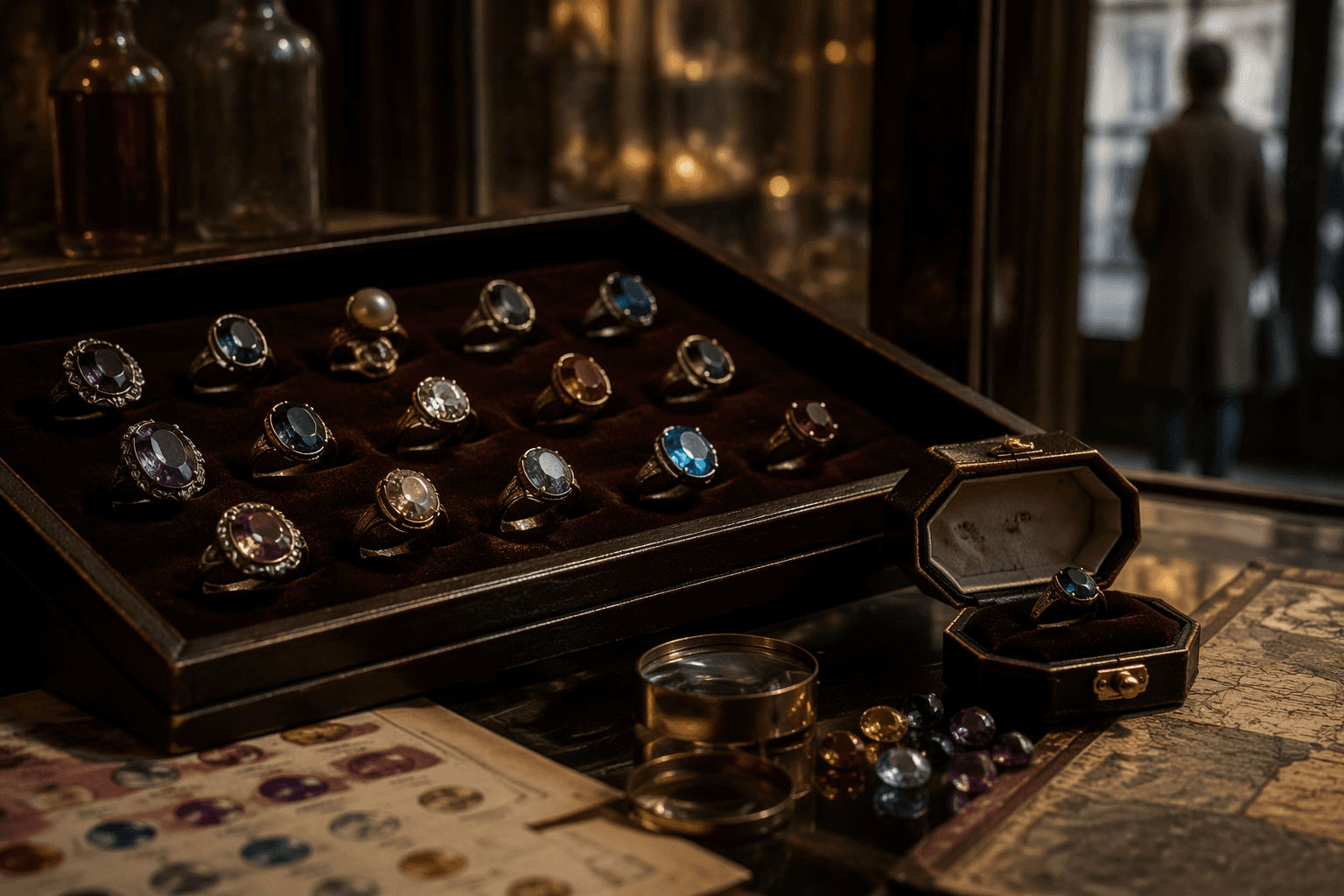
November birthstone jewelry spotlights topaz and citrine differences
November shoppers often lump topaz and citrine together, but the two stones differ in mineral makeup, durability, and the value they deliver for the price.
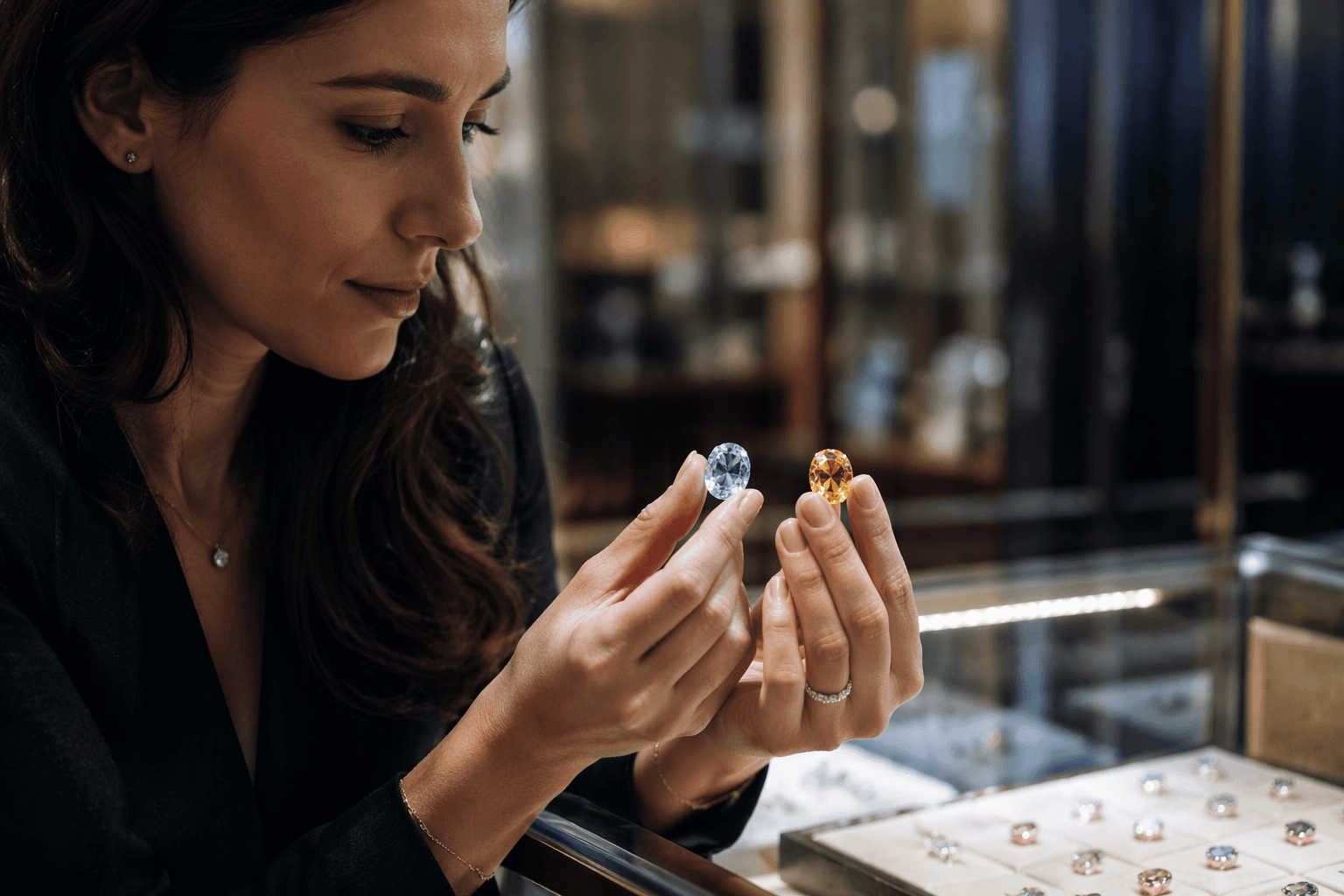
Natural blue topaz is very rare, even though blue topaz is one of the most familiar looks in the market. November’s two birthstones, topaz and citrine, may share warm, sunny color families and approachable prices, but they are not the same stone, and that difference shows up in everything from wearability to treatment to the way a jewel reads on the hand.
Why November has two birthstones
The modern birthstone tradition assigns one to three gems to each month, which is why November does not belong to a single stone alone. That system also helps explain why the month can feel especially flexible for gift buying: both topaz and citrine are abundant, affordable, and available in sizes that still feel generous without sending the price sharply upward.
Topaz: broader color, harder surface, trickier care
Topaz has the wider color story. In its pure form, it is colorless, and impurities can tint it into almost any color of the rainbow. The most prized version is Imperial topaz, prized for orange to pinkish-orange tones, though that name can be misleading because there is no official color definition for “Imperial.”
Most blue topaz is created by treating colorless topaz with irradiation and heating, which means a shopper should not assume every blue stone began that way in the earth. If the label does not clearly explain the color origin, that is worth pressing on.
Topaz scores an 8 on the Mohs scale, so it sounds tough on paper. But hardness is only part of the story. Topaz has perfect cleavage and poor toughness, which means it can chip or crack if it is cut poorly or knocked from the wrong angle. Protective settings help, and steam cleaning or ultrasonic cleaning are best avoided. Warm, soapy water is the safer route.
Citrine: quartz warmth, everyday durability, and large-scale appeal
Citrine is a variety of quartz, not a topaz lookalike. Its color runs from pale yellow to honey orange, and its name comes from the citron fruit, a useful clue to its lemon-bright palette. The yellow color comes from traces of iron inside the quartz crystal structure, and natural citrine is relatively rare.
Most citrine on the market is created by heat-treating amethyst or smoky quartz. Brazil is the largest supplier, and that matters because much of the commercial supply chain is built around treated material rather than naturally colored rough. For shoppers, the practical takeaway is simple: ask whether a stone is natural or heat-treated, especially if the price seems unusually high for a yellow quartz.
Citrine sits at 7 on the Mohs scale, one step below topaz, but it is the more forgiving stone in daily wear. It is one of the top-selling yellow-to-orange gems because it combines color, durability, and affordability. That combination also makes it attractive in larger designs, where a gold-toned stone can look substantial without the cost spike that often comes with rarer gems.
Citrine is also the birthstone for the 13th anniversary, which gives it added gift appeal beyond November.
How to read the price tag without getting misled
For November jewelry, price should track more than size. It should also reflect treatment, color quality, setting, and how much risk the stone carries in daily wear. A blue topaz ring, for example, may look luxurious, but much of that color is achieved through treatment, so the value proposition is different from a naturally colored Imperial topaz.
Citrine is generally the friendlier budget buy, especially when the goal is a larger centerpiece in a pendant, cocktail ring, or earrings. Topaz can still be excellent value, particularly when color or design matters more than rarity, but shoppers should be aware that a more dramatic color does not always mean a more natural one.
A few practical checks help separate fine buying from vague marketing:
- Ask whether the topaz color is natural, treated, or irradiation-enhanced.
- Ask whether citrine is natural or heat-treated amethyst.
- Look for protective settings on topaz, especially in rings.
- Treat “Imperial” as a trade term, not a regulated color grade.
- Favor warm, soapy water for topaz instead of ultrasonic or steam cleaning.
Which stone gives more for the budget
If the goal is maximum color range, topaz has the edge. It can move from colorless to blue to rich orange-pink tones, and that variety gives designers far more room to work. If the goal is a large, luminous stone in a warm golden shade, citrine is usually the stronger value, especially because it is durable enough for everyday use and widely available at accessible prices.
This article was produced by Prism’s automated news system from verified source data, official records, and press releases, then run through automated quality and moderation checks before publishing. The system is built and supervised by the people who set the standards it runs under. Read our full AI policy.
Did this article answer your question?