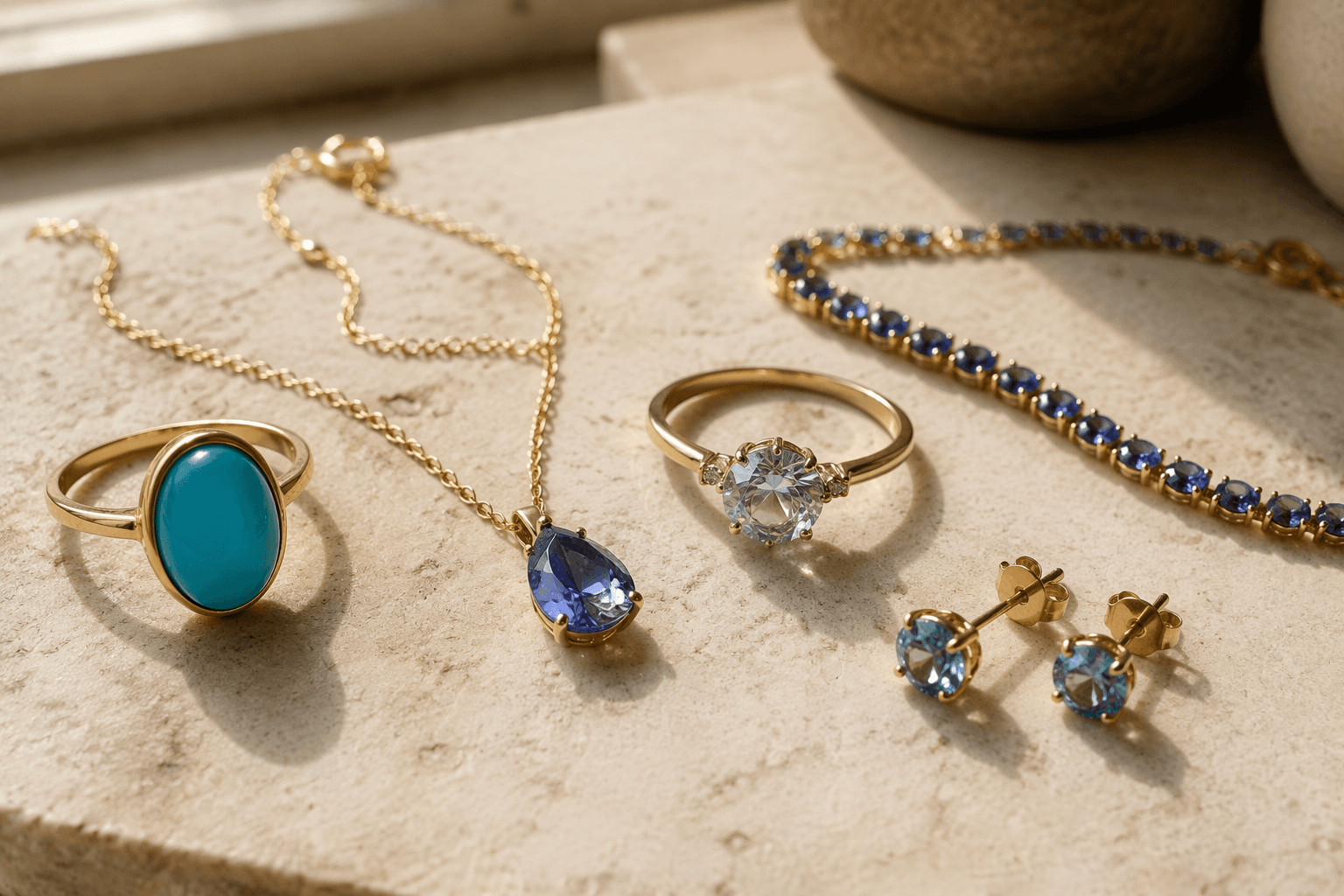
October birthstones, opal and tourmaline, shine in vivid color
Opal brings October’s most electric color, but tourmaline wins on everyday wear, price flexibility, and a far wider palette.
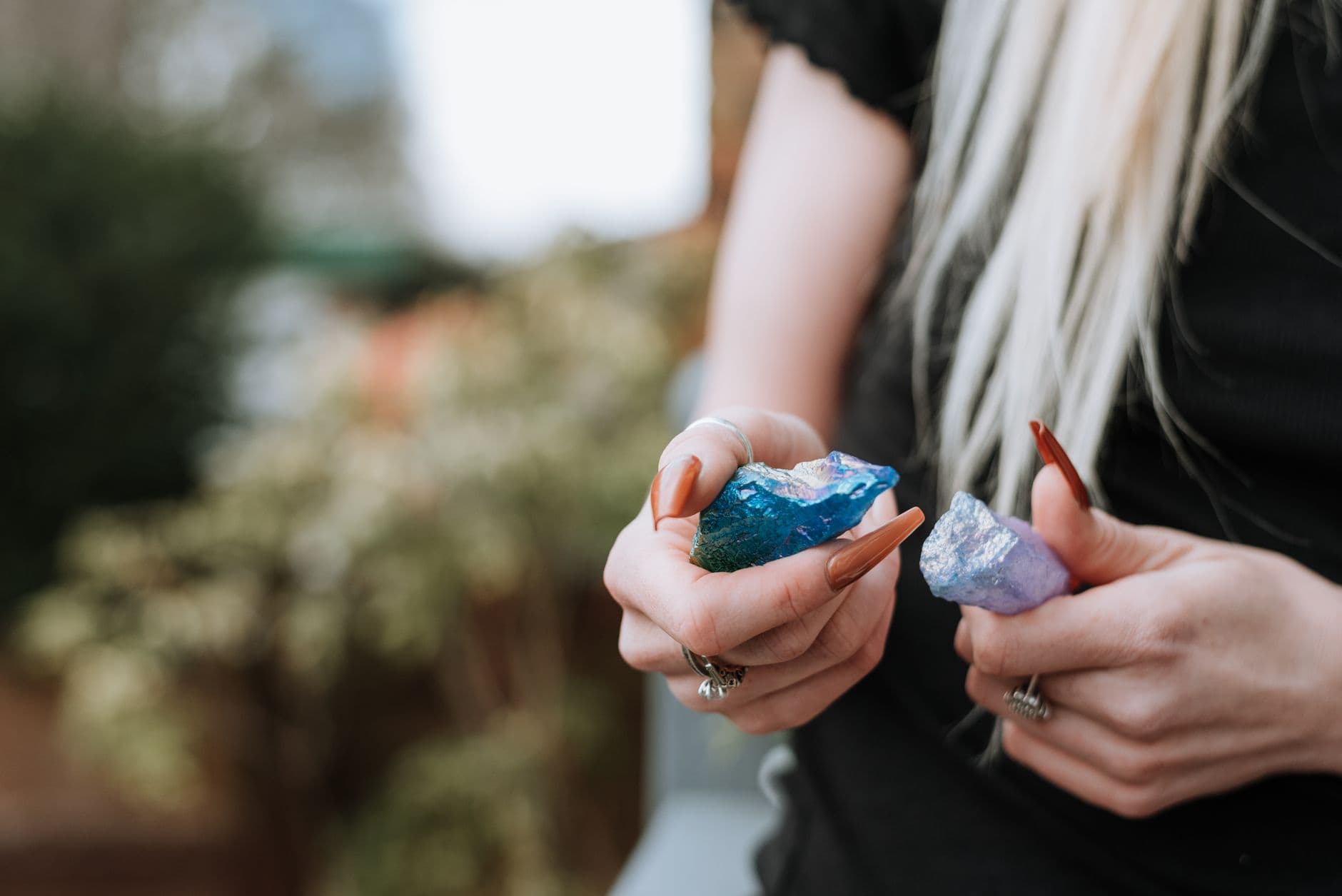
October has two birthstones: opal, with shifting play-of-color across its surface, and tourmaline, which spans a vast color spectrum and wears more comfortably in daily jewelry. Opal suits the collector of shimmer and surprise; tourmaline suits the shopper who wants color with less fragility.
Why October has two very different stones
The modern U.S. birthstone list dates to 1912, when the American National Retail Jewelers Association established the official roster that Jewelers of America now carries forward. October’s pairing, opal and tourmaline, is unusual because the two gems solve different style problems so completely.
Opal is for visual drama. Tourmaline is for range, resilience, and the kind of color that can move from a ring to earrings to a pendant without demanding a velvet-lined caution plan. If you are choosing with your eye first, opal often wins. If you are choosing with your calendar, your wardrobe, and your ring hand in mind, tourmaline usually makes the stronger case.
Opal: light, water, and a little risk
Opal’s magic is geological. The stone is hydrated amorphous silica, and its famous play-of-color comes from tiny silica spheres, about 0.2 microns across, that diffract light into shifting flashes. Gem-quality opal typically contains 6% to 10% water, and some material can hold up to 20%, which helps explain both its luminous look and its sensitivity.
Australia is the classic opal country for a reason. Commercial production there began in the 1890s, and the country quickly became the world’s primary source for the stone. Over time, Australia has supplied more than 90% of the world’s opal, and the country is still the benchmark for the gem’s most coveted material.
Heat, sudden temperature changes, intense light, and dehydration can all cause crazing, the fine fracture lines that damage the stone’s surface. A good opal needs a setting that respects its delicacy: bezels, solid backings, raised prongs, and cage-style designs all help protect it from knocks and environmental stress.
How opal should be worn and cared for
The setting matters with opal more than it does with many other gems because the stone is not simply sitting in metal, it is being shielded by it. A bezel setting wraps the edge of the stone and gives better protection than an open prong setting, which exposes more of the perimeter. Raised prongs can still be useful when the design is carefully engineered, but opal benefits from anything that limits impact and keeps the stone from drying out.
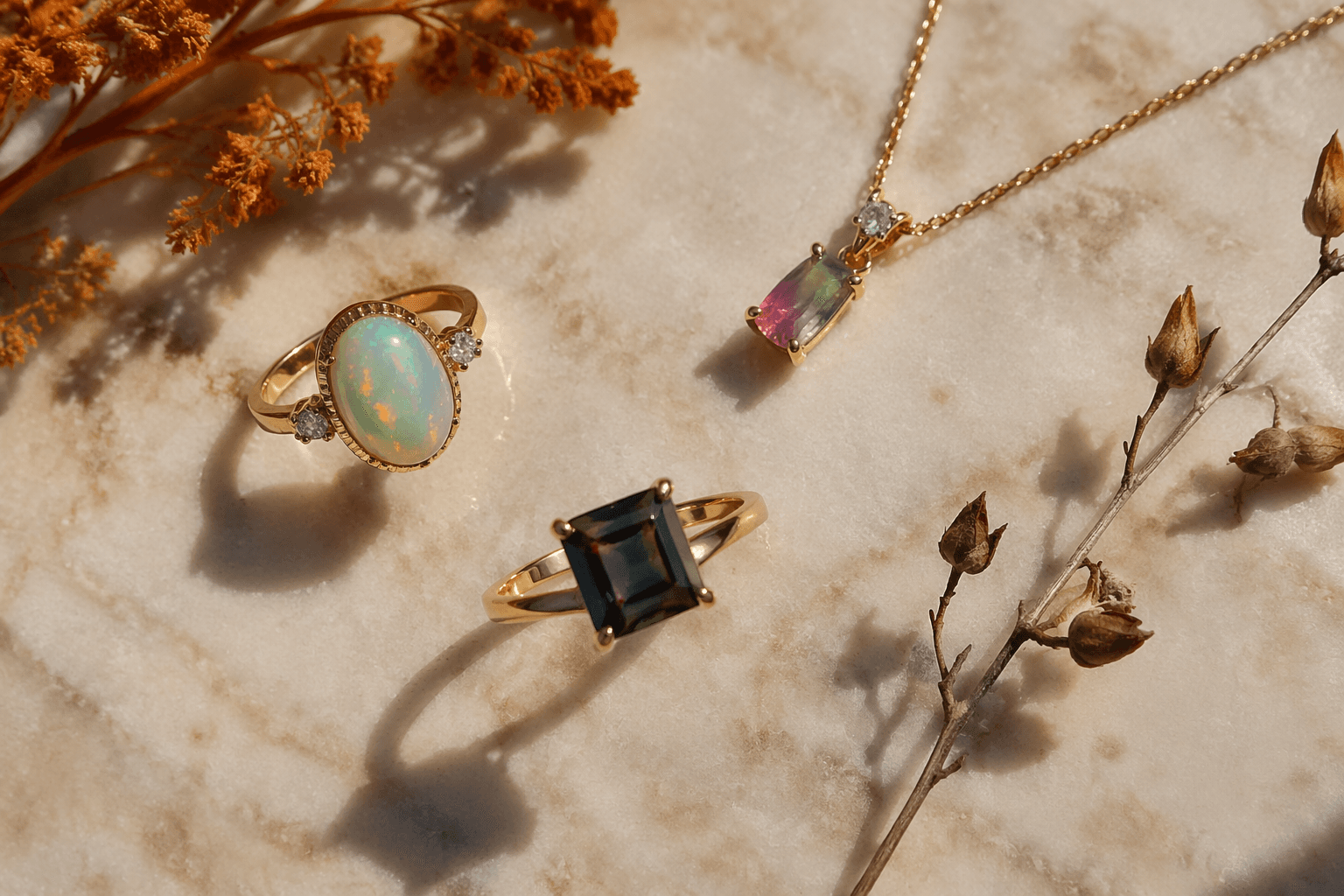
Cleaning should stay gentle. Warm, soapy water is the safest method.
Opal has a long cultural history. The Romans prized it highly, Bedouin legend linked it to lightning, ancient Greeks believed it could guard against disease, and the 1829 novel *Anne of Geierstein* helped give the gem a lasting unlucky reputation.
Tourmaline: the stone with the broadest wardrobe
Tourmaline is the opposite kind of luxury. Its name comes from the Sinhalese phrase *tura mali*, meaning stone of mixed colors. It is not one mineral but a complex group with different chemical compositions and physical properties, which is why the tourmaline family can swing from black schorl to brown dravite to vivid copper-bearing Paraíba material.
Gemologists recognize major species including elbaite, liddicoatite, dravite, uvite, and schorl, and most gem tourmalines are elbaites. The range is part of the attraction: watermelon tourmaline can show more than one color in a single gem, while Paraíba tourmaline is prized for its electric blue-to-green glow.
Tourmaline also wears more easily. Its hardness of 7 to 7.5 on the Mohs scale makes it a better candidate for everyday jewelry than opal, especially in rings and bracelets that see more contact. Because of its pyroelectric property, tourmaline can become slightly charged when heated and attract dust in display cases.
The buying decision: beauty versus durability, romance versus range
Opal gives you the more ethereal, high-impact look, while tourmaline gives you the broader usable palette and the easier life in jewelry. That difference matters when you start thinking about price risk as well as style. Fine gem-quality tourmaline in bright colors is rare, and its price can shift almost as much as its color; opal pricing leans heavily on body color and the quality of play-of-color.
That means the category spans a wide field. At one end are comparatively accessible black tourmalines and many wearable pink or green stones. At the other are collector-grade opals with exceptional color play and copper-bearing Paraíba tourmalines that sit among the most coveted colored gems in the market.
This article was produced by Prism’s automated news system from verified source data, official records, and press releases, then run through automated quality and moderation checks before publishing. The system is built and supervised by the people who set the standards it runs under. Read our full AI policy.
Did this article answer your question?