Possible Ethiopian source could widen paraiba tourmaline supply
A possible Ethiopian deposit could expand Paraíba supply, but lab tests still struggle to separate it from Brazil, Nigeria and Mozambique. That uncertainty could reshape pricing, provenance claims and resale.
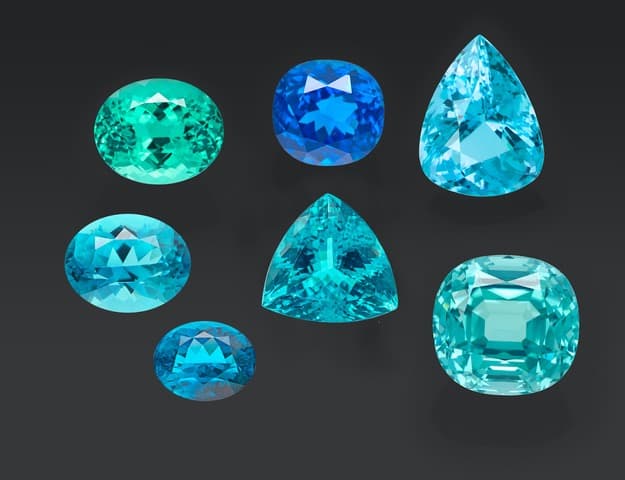
SSEF said credible trade reports point to a new deposit of copper-bearing tourmaline in Ethiopia, a discovery that could matter immediately to buyers chasing the vivid blue to bluish-green stones sold in the Paraíba category. The Swiss lab said it had already examined several copper-bearing tourmalines that may be Ethiopian, but the material has not been verified and origin determination remained difficult, with preliminary trace-element data overlapping heavily with stones from Brazil.
That overlap is the heart of the story for collectors and investors. Paraíba tourmalines were first found in the late 1980s by Heitor Barbosa in a weathered pegmatite near São José da Batalha in Brazil’s Paraíba state, and the market has long prized Brazilian material above African stones. SSEF said known sources now include Brazil, Nigeria and Mozambique, with Mozambique emerging as an important supplier of gem-quality copper-bearing tourmalines, including stones weighing several hundred carats.
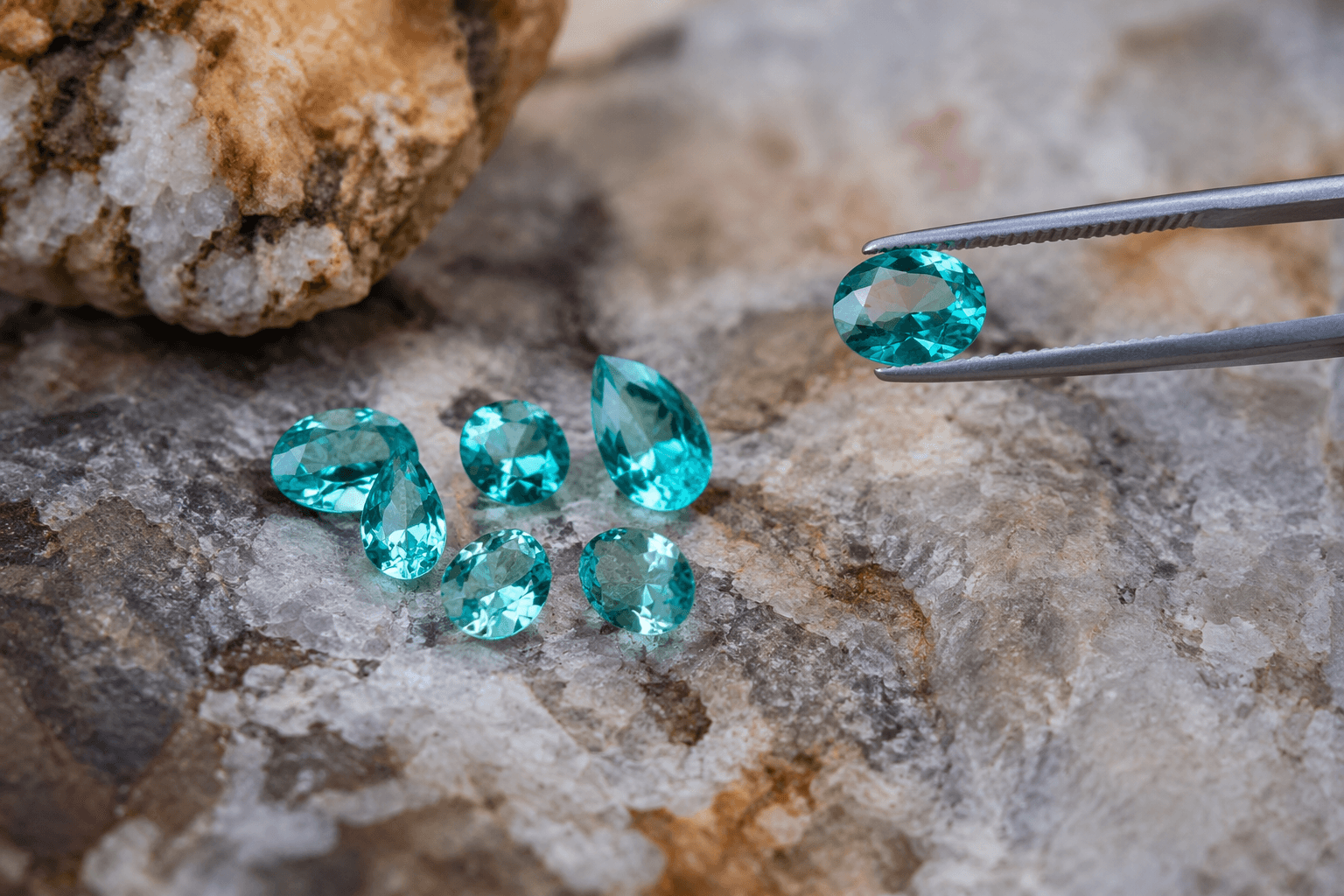
The science has not made the geography easy to pin down. GIA says standard gemological testing cannot definitively establish where a Paraíba tourmaline came from, which is why origin reports rely on quantitative elemental analysis rather than a simple visual read. GIA’s method uses LA-ICP-MS and reference elements including copper, zinc, gallium, strontium, tin and lead, built from several hundred samples from known sources in Brazil, Nigeria and Mozambique.
SSEF’s newer work shows how hard the problem still is. Its 2026 study drew on 469 gem-quality samples from Brazil, Mozambique and Nigeria and used 57 measured elements alongside machine-learning tools such as t-SNE and UMAP to spot patterns and outliers that might point to new or undocumented sources. Even so, the lab said the Ethiopian material remained only a possibility, not a settled provenance.
For buyers, the caution is immediate. A verified Ethiopian source could widen supply in one of the most coveted colored-stone categories, but it could also muddy resale narratives if retailers start marketing “Ethiopian Paraíba” before the science catches up. The timing matters too: SSEF’s notice came less than a week after a private collection of five Paraíba tourmalines sold for more than $3 million at Sotheby’s, a reminder that origin still helps drive value as much as color does.
This article was produced by Prism’s automated news system from verified source data, official records, and press releases, then run through automated quality and moderation checks before publishing. The system is built and supervised by the people who set the standards it runs under. Read our full AI policy.
Know something we missed? Have a correction or additional information?
Submit a Tip