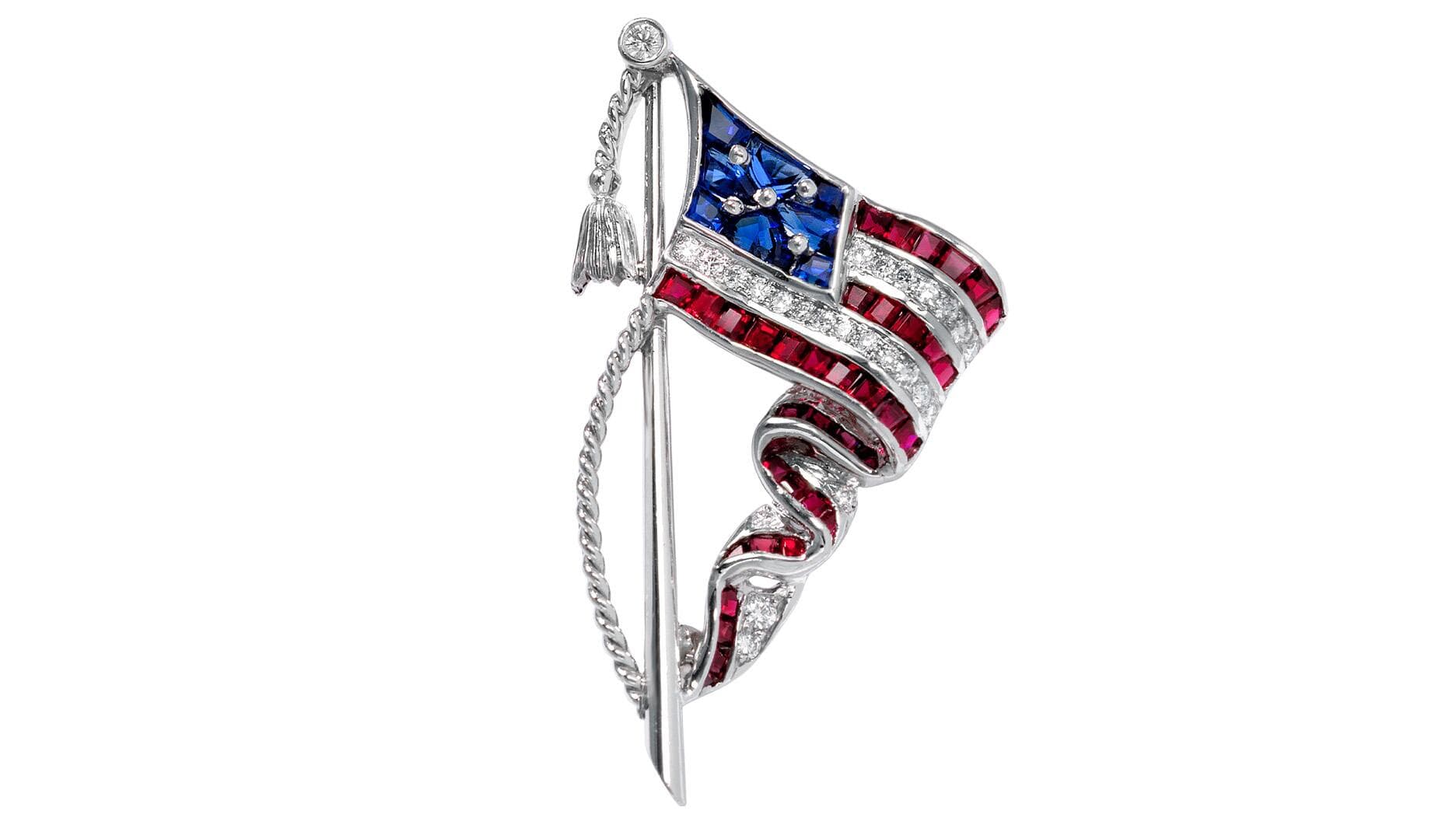
Ruby’s enduring appeal shines as July’s birthstone
Ruby offers July birthdays both sentiment and substance: a rare, hard gem whose color, origin and treatment history can change the price dramatically.
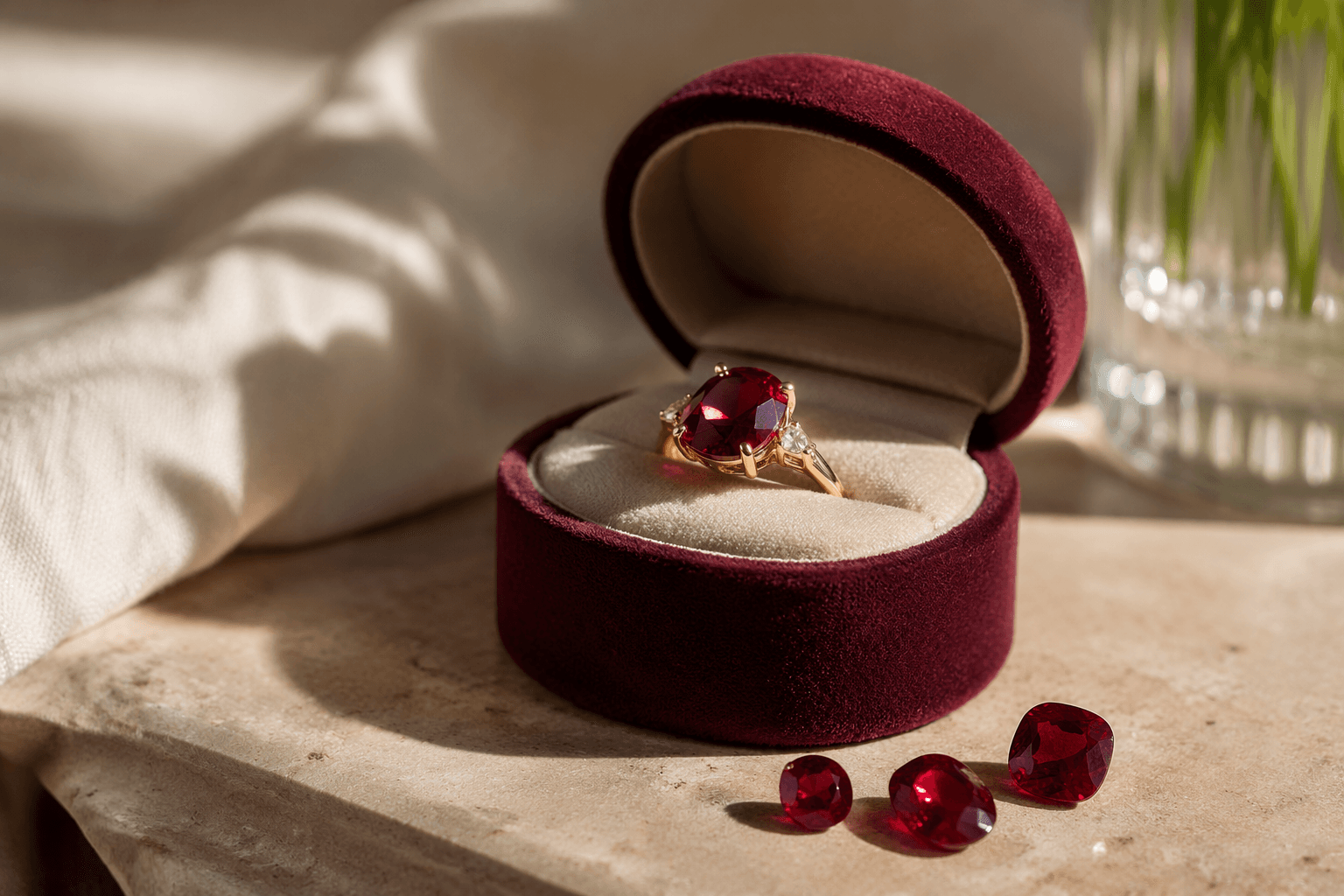
Ruby is one of the few birthstones that can satisfy two different urges at once: the desire to mark a birthday or anniversary, and the instinct to buy something that holds its own in fine jewelry. July’s stone is not delicate or ornamental in the flimsy sense. It is a hard, saturated gem with a long record of status, which is why a good ruby can feel as personal as a gift and as serious as a collectible.
Ruby’s status is part of the draw
GIA identifies ruby as the birthstone for July and also as the gem for the 15th and 40th anniversaries, which gives it a broad emotional range. It works for a first July birthday necklace, but it also carries enough weight for milestone jewelry, where the buyer wants symbolism without sacrificing quality. In ancient India, ruby was called the “king of precious stones,” a title that still makes sense when you hold a strong red stone beside more fragile birthstones.
That royal reputation was not just poetic. Ruby was linked with life force, blood, power and youthful energy in Indian jewelry, and those associations explain why the stone still reads as vivid rather than merely decorative. The symbolism has endured because the material itself is so convincing: ruby does not just suggest strength, it physically has it.
The red is a chemical story, not just a color story
Ruby is a transparent red variety of corundum, the mineral form of aluminum oxide. Britannica notes that corundum is, after diamond, the hardest known natural substance, which is the practical reason ruby has always been prized for jewelry that needs to last. A birthstone may begin as a sentimental object, but ruby has the body of a serious gem.
Its color comes from trace amounts of chromium, and GIA notes that the more chromium present, the stronger the red can become. Chromium can also create fluorescence, which pushes the red to look more intense and lively. That is one reason a fine ruby can seem to glow from within, especially under lighting that would leave a lesser stone flat.
Britannica identifies pigeon-blood red as the most valued ruby color, and that remains the trade’s shorthand for the kind of red that commands attention without drifting into brown or purple. The best stones do not merely look red. They look deep, clean and electrically alive, with enough saturation to feel luxurious and enough brightness to avoid heaviness.
What actually drives price and value
When shoppers talk about ruby pricing, carat weight often gets too much credit. In reality, color quality is usually the first thing that changes a stone’s value, followed by clarity, cut and how cleanly the red appears to the eye. A smaller ruby with vivid, even color will often feel far more desirable than a larger example that looks dark, sleepy or uneven.
Origin can matter as well, because the market tends to reward stones from sources associated with exceptional color and character. The reason is simple: collectors are not buying a red gem in the abstract, they are buying a specific material with a specific visual signature. A ruby’s story becomes more compelling when the stone’s face-up color, brightness and transparency all support each other.
The natural-versus-lab-grown question also matters here. A lab-grown ruby can share the same basic chemistry and the same red appeal, but it does not share the geological rarity, mining history or collector cachet of a natural stone. If the goal is a vivid ring or pendant for daily wear, lab-grown ruby can be an efficient way to get color; if the goal is long-term collectibility, natural origin is part of the value equation.
Settings change how ruby wears, and how it reads
Ruby’s hardness gives it a practical advantage, which is why it suits rings, pendants and earrings so well. Still, the setting determines whether the gem feels protected, modern or open to the light. A bezel setting wraps the stone in metal and offers strong security, a smart choice if the piece will be worn often. Prong settings expose more of the ruby, letting the color breathe and giving the stone a lighter, more classic profile.
That difference matters because ruby’s appeal is visual as much as symbolic. If the stone is especially rich in color, prongs can help it look less enclosed, while a bezel can sharpen the outline and make a small stone read as deliberate and polished. For a July birthstone piece, the best setting is the one that supports the red without overpowering it.
How to buy ruby jewelry with an eye on value
Look first for color that feels vivid and balanced, then judge how the stone behaves in light. Strong chromium content can help ruby look more saturated, but too much darkness can swallow the color, and too little brightness can make the gem feel thin. The ideal stone gives you that rare combination of intensity and clarity, the kind of red that reads immediately as ruby.
Ask whether the stone is natural or lab-grown, and ask how any treatment affects appearance and price. Those details are not footnotes in ruby buying, they are central to value. A well-chosen ruby should feel complete on the hand or at the collar: durable enough for real wear, beautiful enough for a milestone, and rare enough to justify the purchase on more than sentiment alone.
This article was produced by Prism’s automated news system from verified source data, official records, and press releases, then run through automated quality and moderation checks before publishing. The system is built and supervised by the people who set the standards it runs under. Read our full AI policy.
Did this article answer your question?