Six Trends from 2026 Hong Kong Jewelry Show Reshaping Birthstone Jewelry
Stars & Vogue flagged six trends at the Hong Kong shows; here are the six shifts most reshaping birthstone jewelry, grounded in exhibitor highlights, pavilions, and fair programming.

1. a strong move toward colorful and unconventional gem palettes
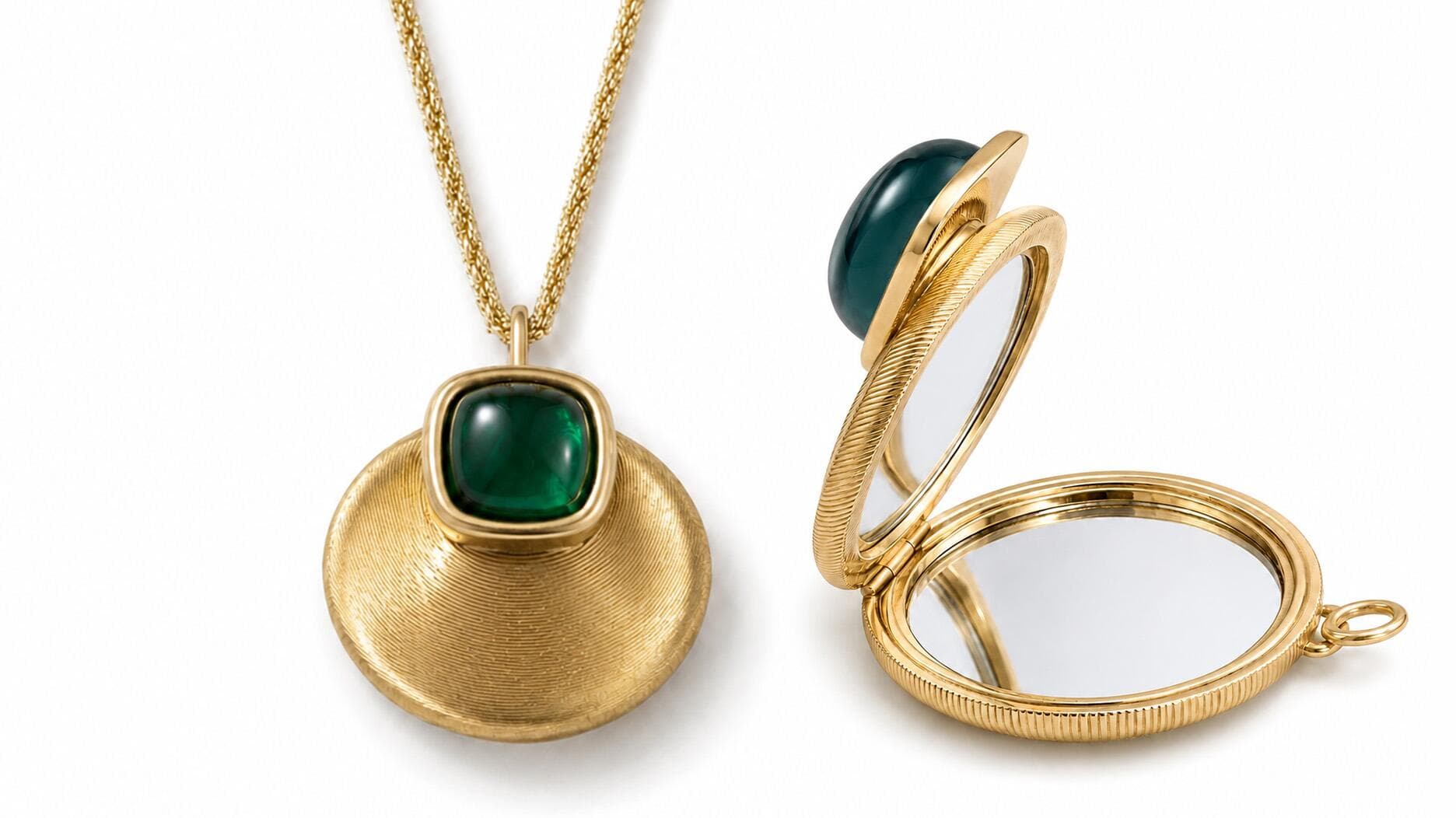
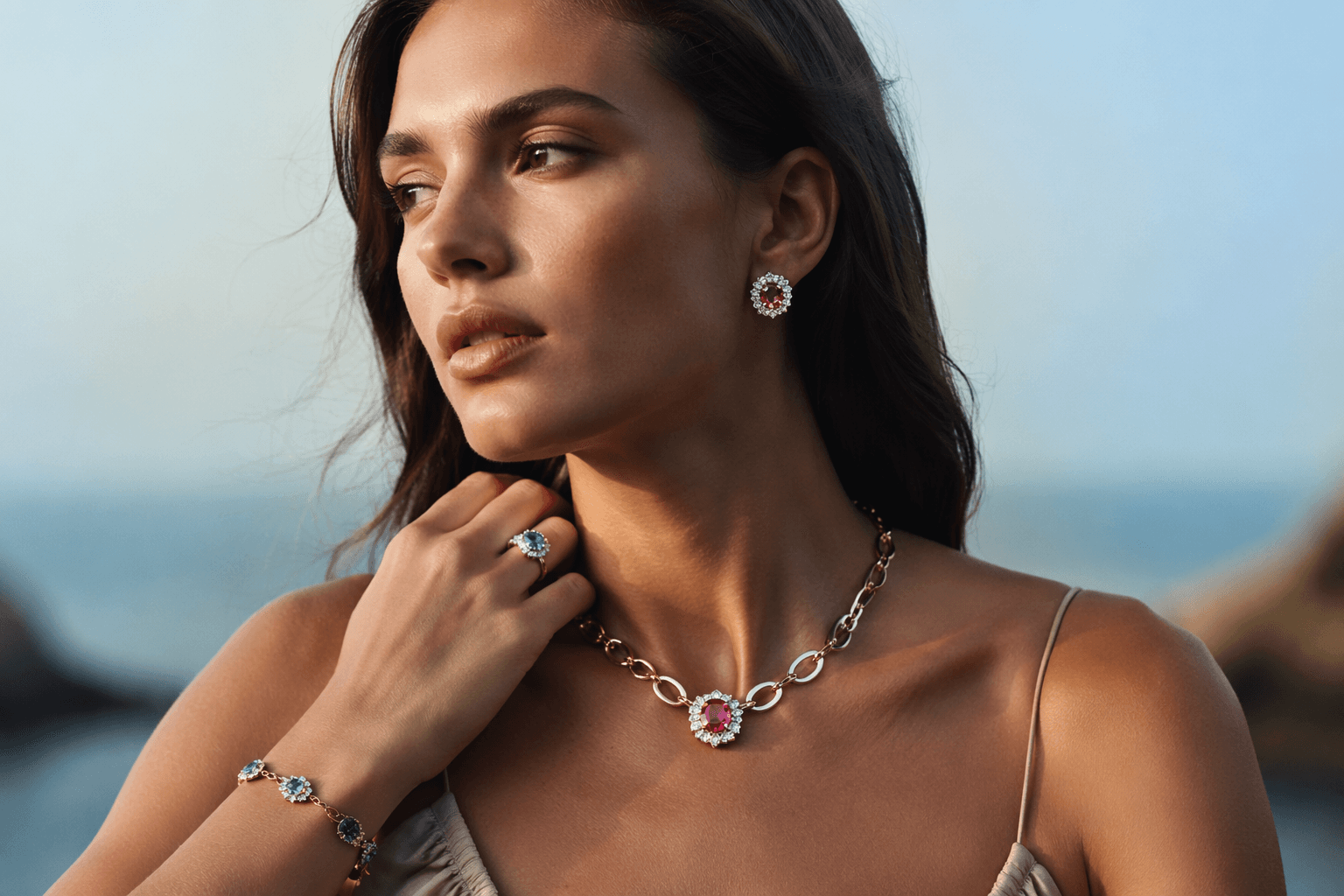
Stars & Vogue explicitly identified six trends and noted “(1) a strong move toward colorful and unconventional gem pa” as the first fragment, and the March exhibitions made that visible on the floor. Glamour Fine Jewelry Enterprise Company’s Hall of Extraordinary bracelet, which pairs Colombian emeralds with diamonds and rubies, and the Designer Galleria’s line-up of ten Korean designers and around 50 exhibitors from Asian design associations, reinforce a turn toward saturated, mixed-stone palettes. For birthstone pieces this means more intentional color mixing—emeralds, rubies, sapphires and lesser-used gems are being combined in single, narrative pieces rather than presented as isolated classics.
2. colored gemstones are being showcased at scale alongside high-value stones
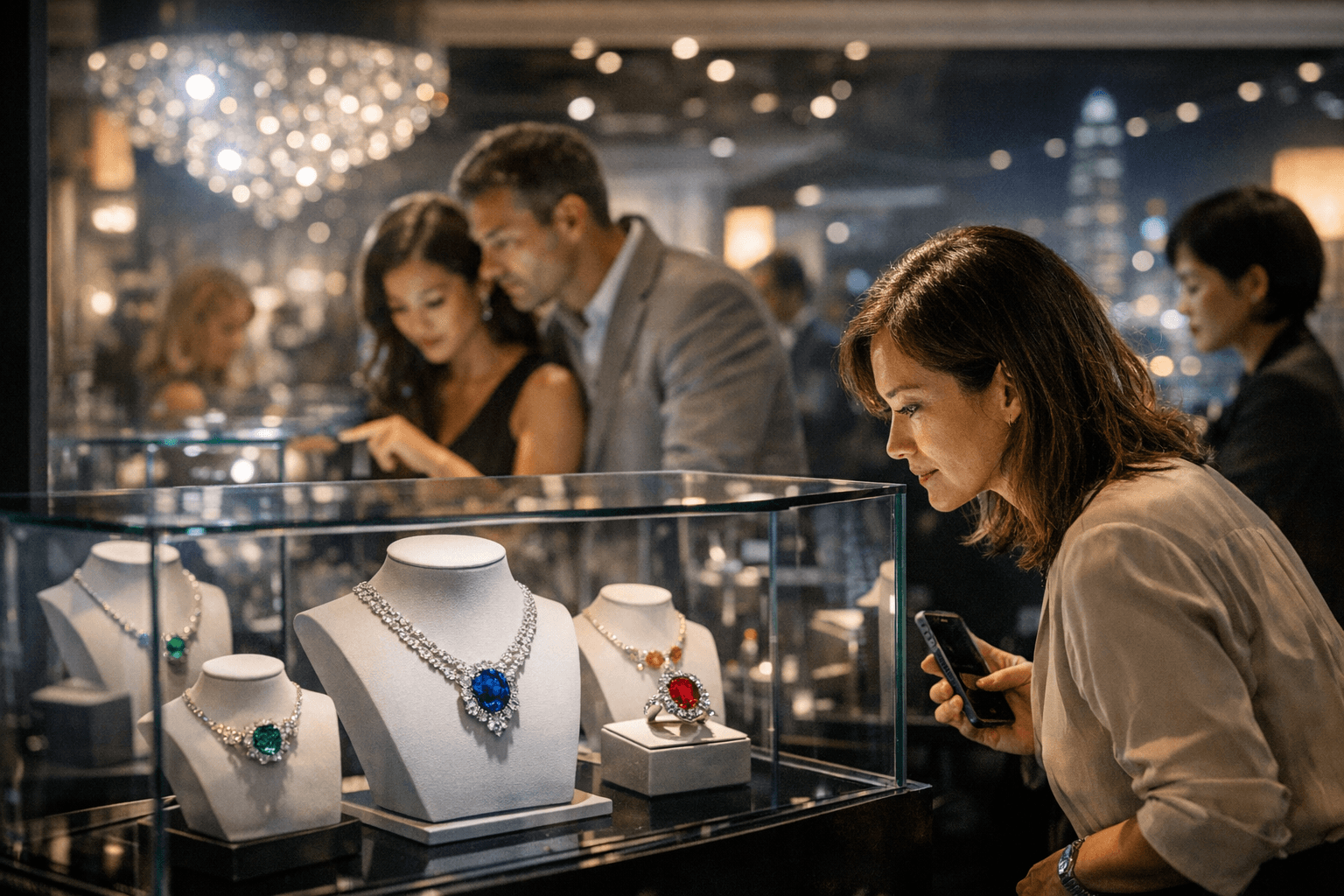
The shows staged both everyday and trophy gemstones: JNI reported “around 4,000 exhibitors from more than 40 countries and regions,” making the March exhibitions the “world’s largest integrated marketplace for jewellery sourcing.” That breadth let visitors see colored-stone treatments at every price point and also encounter headline-making high-carat works, such as a 35.5-carat diamond necklace presented by Hosgor Kuyumculuk Mucevherat Ticaret Limited Sirketi. For anyone designing or buying birthstone jewelry, the September and June fair calendar described by Sj-jewellery and JGW means repeat opportunities to source colored rough, calibrated stones, and finished colored-gem pieces across both material-focused and finished-product marketplaces.
3. designer-led, bespoke birthstone narratives are getting institutional backing
The Designer Galleria and a renewed focus on design talent were prominent: JNI emphasised the Designer Galleria’s ten Korean designers and roughly 50 exhibitors from design associations across Asia, while the 27th Hong Kong Jewellery Design Competition returned under the theme “Pure Elegance – Natural Beauty,” organised in partnership with leading industry associations including the Diamond Federation of Hong Kong. That pipeline—from student and professional competitions to curated gallerias—favours birthstone work that is concept-driven and bespoke rather than mass-produced. The fair ecosystem is offering clear platforms for makers who translate a client’s birth month into a personal, crafted story.
4. provenance and vintage storytelling boosted the market for heritage birthstone pieces
Antique and vintage pieces drew serious attention in the Antique & Vintage Jewellery Galleria, which featured a “century-old bi-colour enamel diamond creation from World Coins Co., Ltd.” Such showpieces underscore that provenance and craft history remain powerful value drivers for birthstone jewelry: a historic sapphire or ruby set in an identifiable maker’s mount carries narrative weight that new stones must earn. The expansion of the Hall of Fame, which JNI says “has expanded by over 40%,” and the presence of extraordinary showcases in the Hall of Extraordinary demonstrate that collectors and luxury buyers are actively seeking provenance-led pieces alongside contemporary commissions.
5. sustainability, metal innovation, and inclusive categories are reshaping how birthstones are set and presented
JGW’s programme lists the “Sustainability Awards 2025 by JWA” and “Metal Innovations in the Art of Jewellery,” and the pavilion roster includes a “Men’s & Gender-fluid Jewellery Gallery,” signalling material, process, and category shifts that will affect birthstone work. The fair language, which says it “is gearing up to welcome thousands of trade buyers to Hong Kong come September with six (6) buyer-focused sourcing experiences!” and promises a brand revitalisation to “enhance navigation seamlessly, complemented by unique spaces designed to take buyers on an inspiring and targeted sourcing journey like never before,” shows organisers positioning sustainability and material innovation as visible criteria. The programme details do not list specific certification schemes in the provided excerpts, so any sustainability claim attached to birthstone pieces will need to be verified by buyers who ask for provenance documentation, assay reports, or third-party credentials.
6. multi-venue sourcing logistics and buyer-focused programming change when and how birthstone collections are developed
The Hong Kong shows are running as multiple events and editions that serve different sourcing needs: JNI described the “42nd edition of the Hong Kong International Jewellery Show,” which “opened today at the Hong Kong Convention and Exhibition Centre and will run for five days until 8 March,” and the “12th Hong Kong International Diamond, Gem & Pearl Show” that “began on 2 March at AsiaWorld-Expo and continues through 6 March”; JGW provides the later 2026 schedule for AsiaWorld-Expo and HKCEC in September with specific hours and venues. Kent Wong, Chairman of the organising committee for both shows, emphasised Hong Kong’s importance as an international trade and sourcing centre. He added that the continued ‘Two Shows, Two Venues’ format attracts global jewellery professionals for sourcing, networking and tracking emerging market trends. Sj-jewellery frames the mid-year and September editions as complementary sourcing moments—“Jewellery & Gem ASIA Hong Kong — 18 – 21 June 2026” for raw-material sourcing and trend evaluation, and “Jewellery & Gem WORLD Hong Kong — 15 – 19 September 2026” as the largest event “best suited for buyers focused on finalized product selection.” The practical upshot for birthstone collections is clear: calendar-savvy buyers can lock raw-stone supply in June and finalize finished pieces in September, and brands that take this calendar seriously are likelier to secure consistent supply and stronger margins, as Sj-jewellery advises when it notes, “Buyers who approach the fair with clear objectives, structured evaluation criteria, and realistic expectations are far more likely to secure long-term sourcing advantages.”
Conclusion
These six trends—from a renewed appetite for bold color mixes and designer narratives to an institutional push for sustainability, provenance, and smarter sourcing calendars—signal that birthstone jewelry is moving beyond mere sentiment. It is becoming a laboratory for color, craft, and accountable sourcing, staged across Hong Kong’s multiple fairs and pavilions and backed by competitions, awards, and an enormous international exhibitor base.
This article was produced by Prism’s automated news system from verified source data, official records, and press releases, then run through automated quality and moderation checks before publishing. The system is built and supervised by the people who set the standards it runs under. Read our full AI policy.
Did this article answer your question?