Ten accessible amethyst necklaces, bracelets and rings ranked by value for February
A curated ranking of ten amethyst necklaces, bracelets and rings that balance color, construction and cost, so February birthdays get real jewelry value.

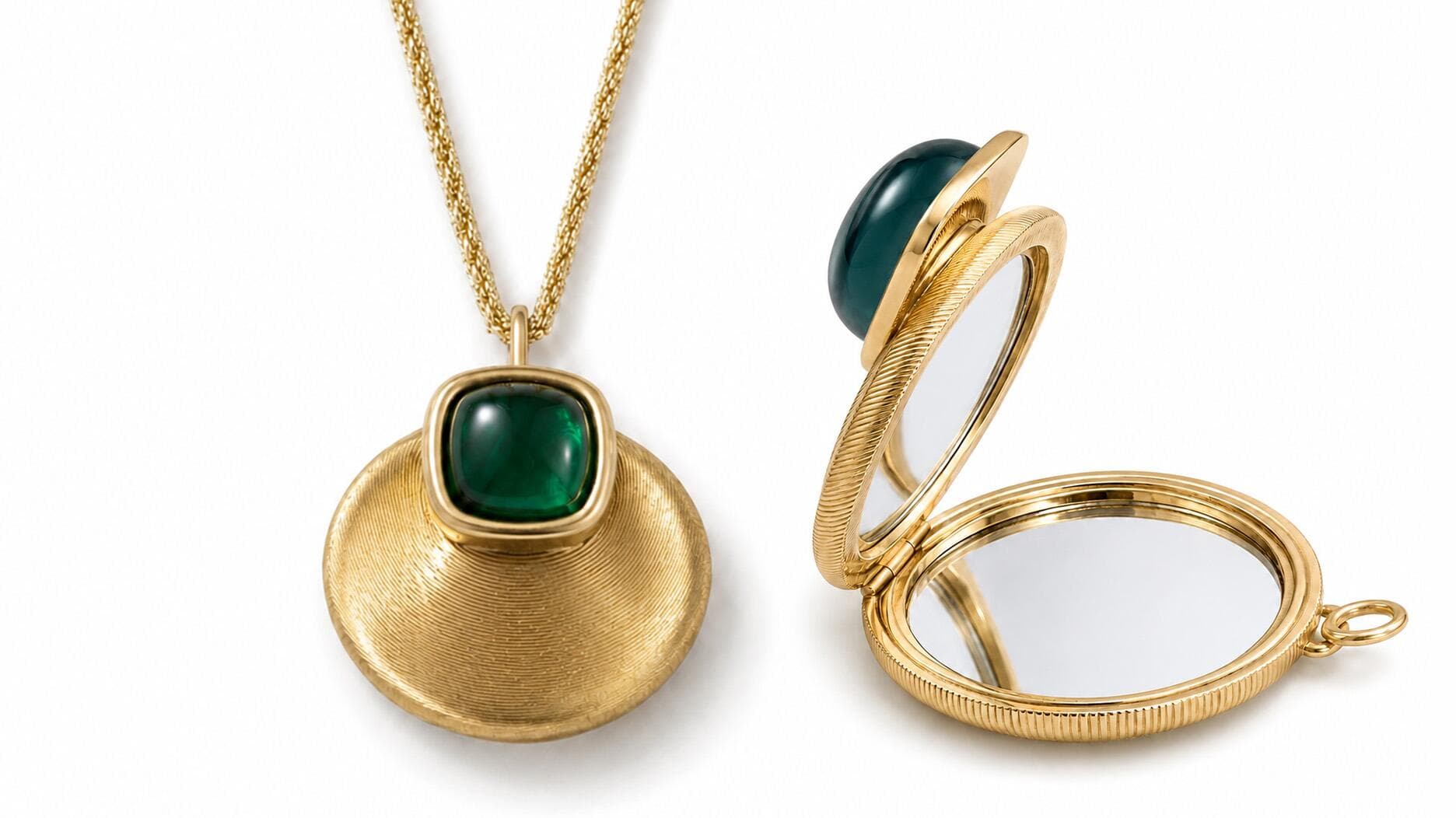
1. 14k yellow gold bezel amethyst pendant, approx. 3.0 ct, deep violet
A bezel-set 3.0 carat amethyst in 14k yellow gold tops the list for sheer value: the bezel frames the stone and secures it for everyday wear, while the saturated violet—ideally with even tone and minimal zoning—reads like a fine gem at a modest price. This combination is smart for a pendant because the setting protects the girdle and crown from knocks, and gold raises perceived value without requiring a large carat premium. Expect the sweet spot in accessible pieces to be around 2.5-4 ct for visible presence without luxury pricing.
2. Sterling silver amethyst station necklace, mixed cuts, 5-7 small stones
For weekday polish at the lowest price-per-carat, a sterling silver station necklace set with five to seven small amethysts is hard to beat: the distributed design lets multiple 0.3-0.8 ct stones catch light across the collarbone, and mixed round and oval cuts add movement. Silver enhances affordability while allowing for clean prong or bezel settings; keep an eye on finishing, because thin wires and poor soldering are the usual giveaway of lower construction quality. As a value play, the station necklace converts more gem surface area into visual impact than a single small solitaire.
3. 18k white gold halo amethyst ring, center 1.5 ct with micro-pave diamonds
A halo ring pairs a 1.5 ct amethyst with micro-pave diamonds to magnify color and presence, making it an excellent value for gifting: halo stones increase perceived size and mask minor inclusions, while 18k white gold lends a bright backdrop that intensifies violet hues. For rings, prong settings maximize light return but require secure claws for a softer stone like amethyst, which rates 7 on the Mohs scale and benefits from protective design. Compare price-per-carat to plain band solitaires, because the added diamond weight and craftsmanship can justify the premium.
4. Thin vermeil stacking ring with 0.8 ct amethyst, bezel-set
A slim vermeil bezel ring with an 0.6-0.9 ct amethyst is the best value for trend-conscious buyers who also want longevity: vermeil offers thicker gold plating over sterling silver, making it more durable than standard plated jewelry, and the bezel setting keeps the low-profile stone safe for stacking. This style is ideal for daily wear because the bezel prevents lateral chips and snagging; budget-friendly and versatile, it reads expensive when proportioned correctly and finished with a neat milgrain or polished edge.
5. Tennis-style bracelet with alternating amethysts and sapphires, total 8-10 ct
A bracelet that alternates amethyst with small sapphires or white topaz lifts the violet while spreading cost across colored stones, delivering high visual impact for a mid-market price. Secure four-prong settings and a box clasp with safety latch are non-negotiable construction details for bracelets; the total carat weight of 8-10 ct across many stones often provides more sparkle per dollar than a single large amethyst. This design is a value-minded way to introduce color to a wrist stack without committing to high-gem premiums.
6. Cushion-cut solitaire amethyst ring in 14k rose gold, 2.2 ct
A cushion-cut 2.2 ct amethyst in 14k rose gold offers warmth and romance: rose gold’s pink undertone complements violet stones, making slightly lighter amethysts appear richer. The solitaire should sit in sturdy four-prong settings with a low profile to reduce leverage on the stone during wear. Rings in this carat range balance visible presence and affordability, and craftsmanship—tight prongs, well-polished shoulders—determines whether the piece feels like costume jewelry or a considered heirloom.
7. Minimalist pendant with faceted amethyst drop, 1.2 ct, long chain
A long-chain pendant featuring a faceted amethyst drop of about 1.0-1.5 ct reads modern and is a high-value choice for layering: the vertical silhouette elongates the torso, and a simple bail with a polished bezel or three-prong cap keeps focus on color. Because the stone is exposed, choose pieces with secure bails and proportionate chain gauges; a fine chain paired with a heavier pendant will wear unevenly. This is where cut quality matters more than carat weight—well-cut amethyst with strong saturation will look larger than a heavier, poorly proportioned stone.
8. Sterling silver cuff bracelet with flush-set amethyst cabochons, total 6-9 ct
A rigid cuff with flush-set amethyst cabochons leverages design to protect stones while offering bold wrist presence: cabochons reduce point-of-failure risk and look sumptuous when cut from richly saturated Brazilian or Uruguayan material. Solid construction, internal solder seams smoothed and a slightly ovalized cuff profile improve comfort and fit, which are essential details that justify the price of mid-tier pieces. This approach is particularly good for those who prefer opaque or softly translucent violet that reads more artisanal than faceted sparkle.
9. Petite halo pendant with pale lavender amethyst and pavé surround
A petite halo pendant that uses a lighter lavender amethyst surrounded by tiny pavé diamonds trades pure color depth for refined sparkle and broad appeal, making it a strong value gift option. Small halos disguise color weaknesses and can make a paler stone read brighter against white metal; look for secure micro-pave work because loose melee erodes long-term value. This pick is about wearable elegance rather than gemstone excellence, and it delivers versatility at a lower cost than a saturated solitaire.
10. Beaded amethyst bracelet, round 6-8 mm beads on elastic
A bead bracelet of 6-8 mm round amethyst beads is the most accessible entry point to February birthstone jewelry: elastic construction keeps cost down and the uniform bead size delivers a calm, wearable color field. For durability, prefer silk-knotted strands or higher-quality elastic and check bead drilling quality, because larger drill holes and weak elastic are the usual points of failure. This is the closest to a fashion purchase on the list, but well-chosen beads with consistent color and polish can be quietly luxurious and endlessly stackable.
Conclusion: Value in amethyst jewelry is less about scoring the largest carat weight and more about how color, cut, metal and setting work together to protect and display the gem: prioritize protective settings for everyday rings and bracelets, choose white or rose metals to modulate violet tones, and favor well-cut stones that maximize light return. With attention to construction details and realistic carat expectations, you can find a February amethyst that feels considered, wears reliably and keeps its appeal season after season.
This article was produced by Prism’s automated news system from verified source data, official records, and press releases, then run through automated quality and moderation checks before publishing. The system is built and supervised by the people who set the standards it runs under. Read our full AI policy.
Did this article answer your question?