Alrosa backs long-term campaign to boost natural diamond demand
Alrosa approved a 2030 push to sell natural diamonds on rarity and emotion, while teaching buyers how to spot synthetics.
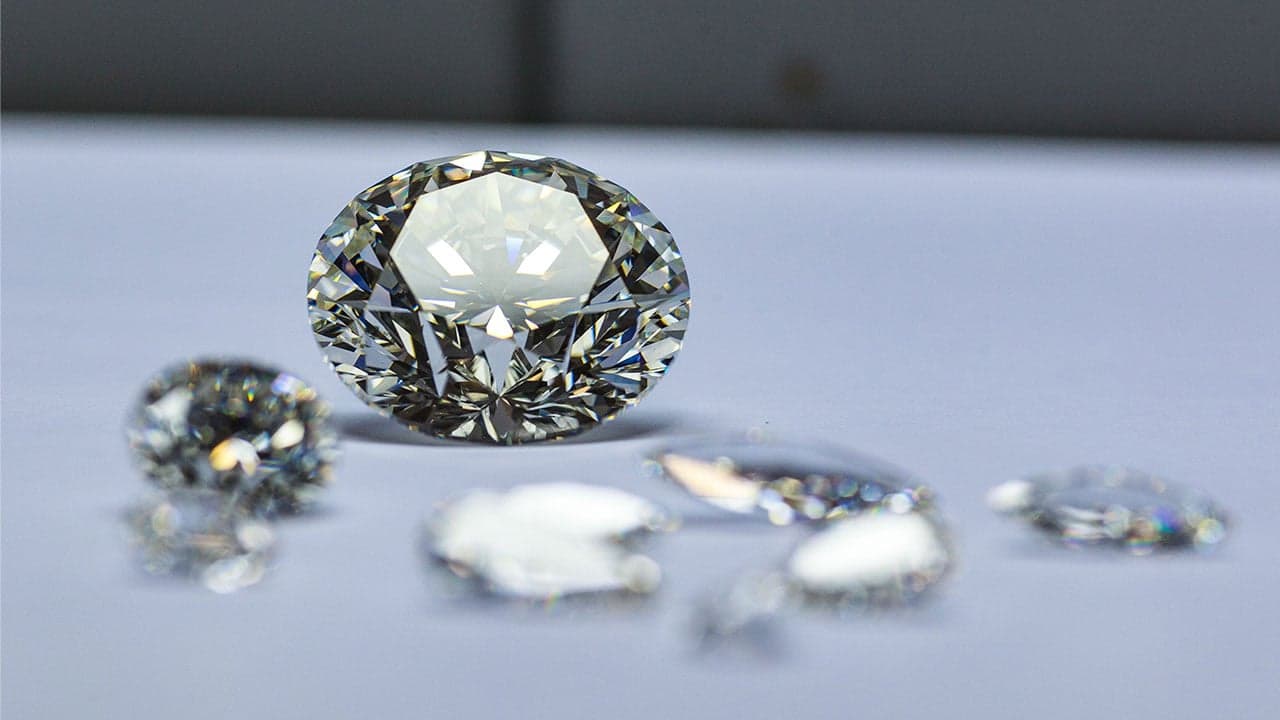
Alrosa has opened a new front in the natural-versus-lab-grown fight. The company’s supervisory board approved its first long-term Natural Diamond Promotion Program through 2030, a category-defense campaign built to strengthen demand in key global diamond jewelry markets by leaning harder on authenticity, rarity and emotional value.
The plan is not just about broad branding. Alrosa said it will use an omnichannel approach that combines digital engagement, retail experiences and direct consumer outreach, with a sharper point-of-sale story aimed at Millennials and Gen Z. The goal is to make the case for mined diamonds not only as luxury goods, but as symbols tied to significant lifetime moments, uniqueness and enduring value.
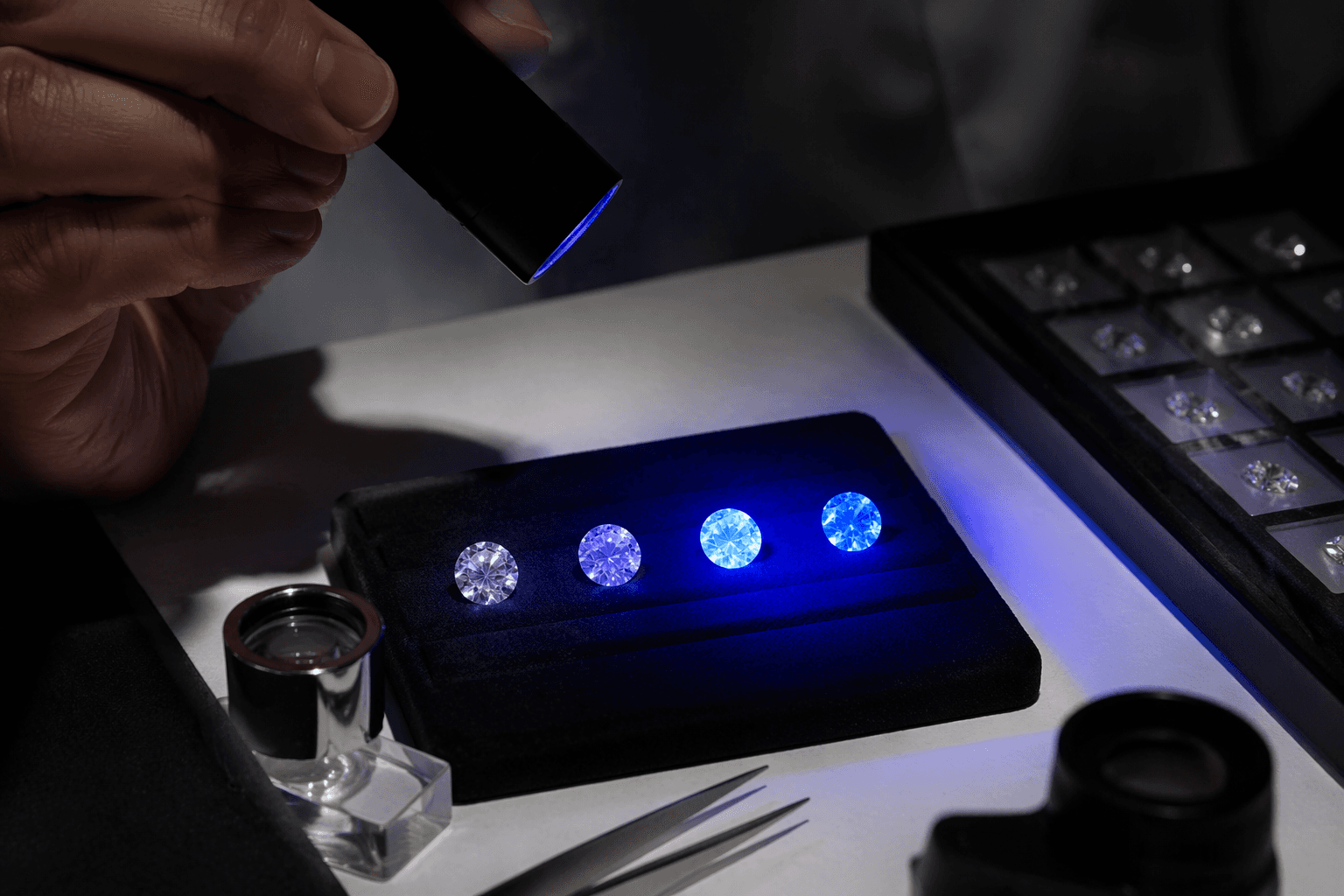
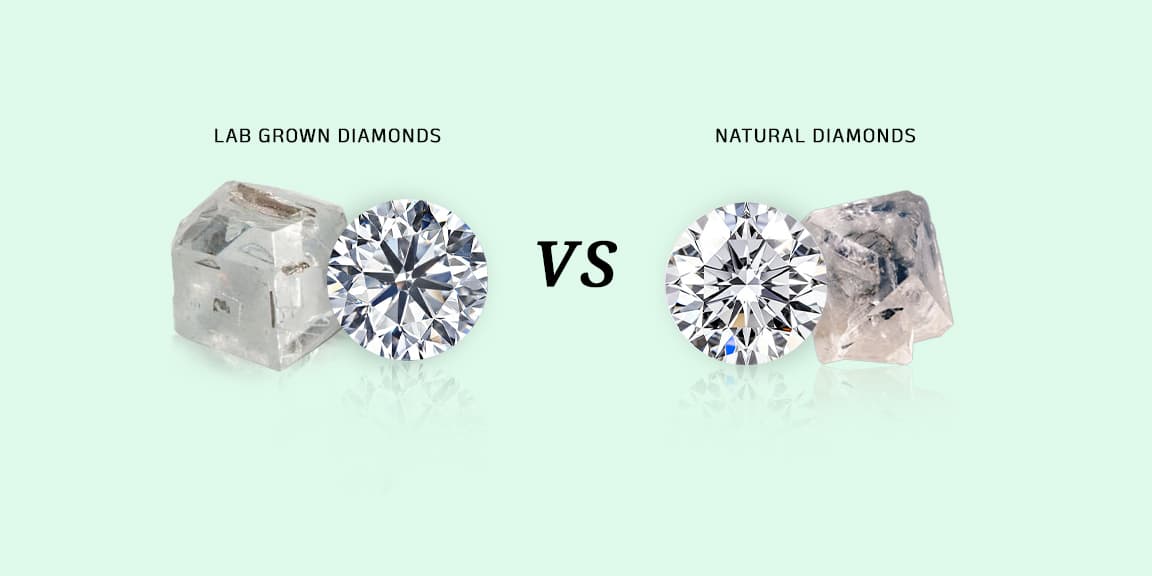
A separate section of the program goes straight at the terminology battle that has shadowed the sector for years. Alrosa said it will educate consumers on how to distinguish natural diamonds from synthetics, support universal disclosure approaches, standardize terminology and promote retail-level detection. The company said those steps are meant to protect consumers from deceptive information, support fair competition and reinforce the view that natural diamonds and synthetics are distinct products with different origins and market logic.
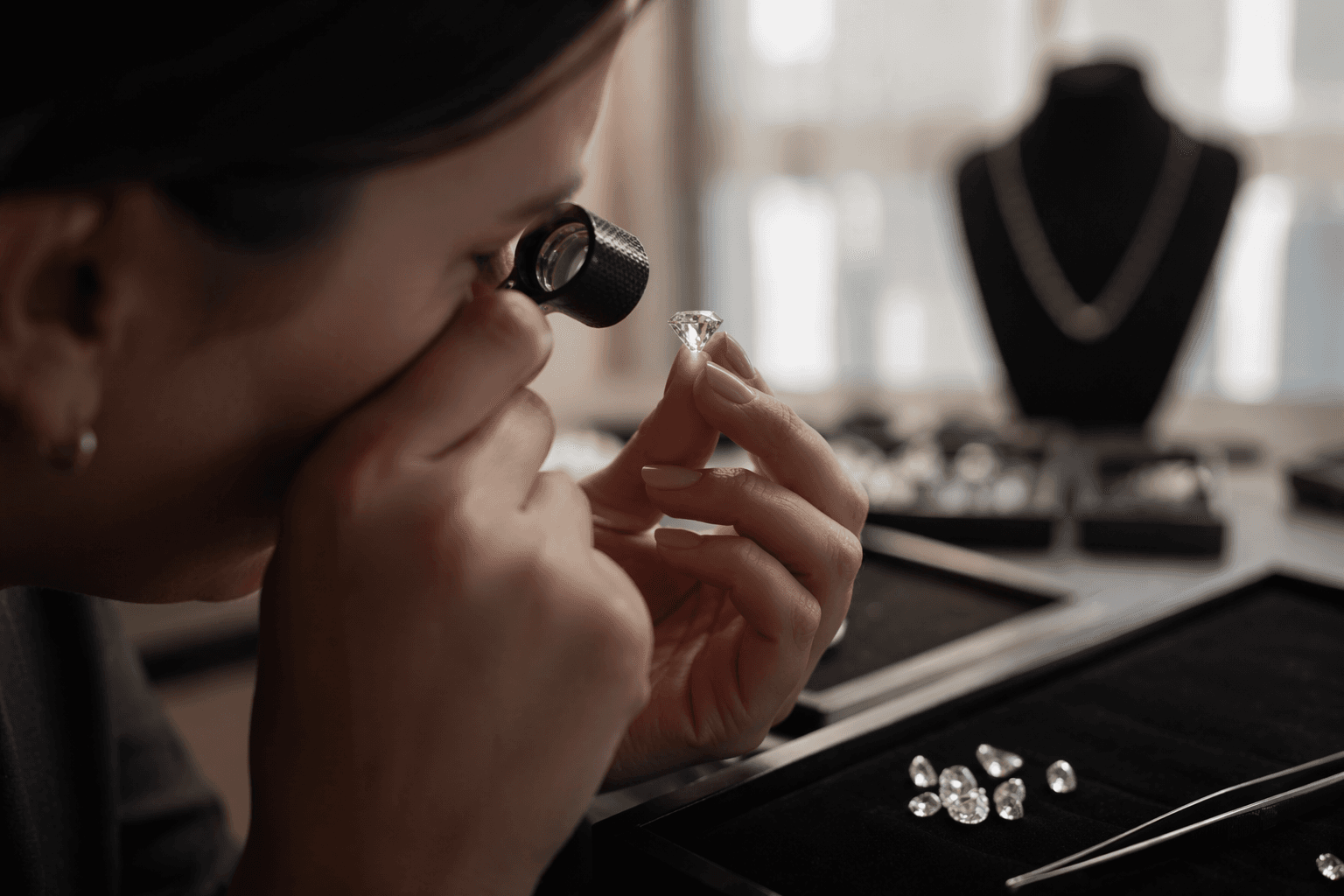
That emphasis lands in a market where lab-grown stones have been squeezing mined diamonds on price and narrative. In October 2025, World Diamond Council president Feriel Zerouki said lab-grown diamonds were losing appeal because of oversupply, a sign that the synthetic boom had started to face its own economics. Natural diamond marketers have tried to answer that pressure before, most visibly through the Diamond Producers Association, launched in 2015 by major miners and later rebranded as the Natural Diamond Council after the earlier Real is Rare campaign drew mixed reviews.
The language around Alrosa’s program also tracks long-standing trade guidance. Standards built on ISO 18323 and CIBJO’s Diamond Blue Book say a diamond is, by definition, natural and urge careful wording when the trade discusses synthetics. That makes this more than a marketing refresh: it is a push to tighten the vocabulary around value, origin and disclosure at the very moment lab-grown stones have forced the industry to defend what mined diamonds are supposed to mean.
The timing is notable as well. Alrosa’s chief executive, Pavel Marinychev, said late last year that the company planned to mine 25 million to 26 million carats in 2026, down from 29.7 million carats in 2025, before raising output again when market conditions improve. Against that backdrop, the 2030 program reads less like routine promotion than a long-term attempt to keep natural diamonds desirable while the market recalibrates around synthetics.
This article was produced by Prism’s automated news system from verified source data, official records, and press releases, then run through automated quality and moderation checks before publishing. The system is built and supervised by the people who set the standards it runs under. Read our full AI policy.
Know something we missed? Have a correction or additional information?
Submit a Tip