Diamond Buyers Demand Proof on Sourcing as Lab-Grown Stones Surge
Diamond shoppers are asking for proof, not just promises: lab-grown stones are surging, and sourcing now matters as much as sparkle.
The new rule: provenance before polish
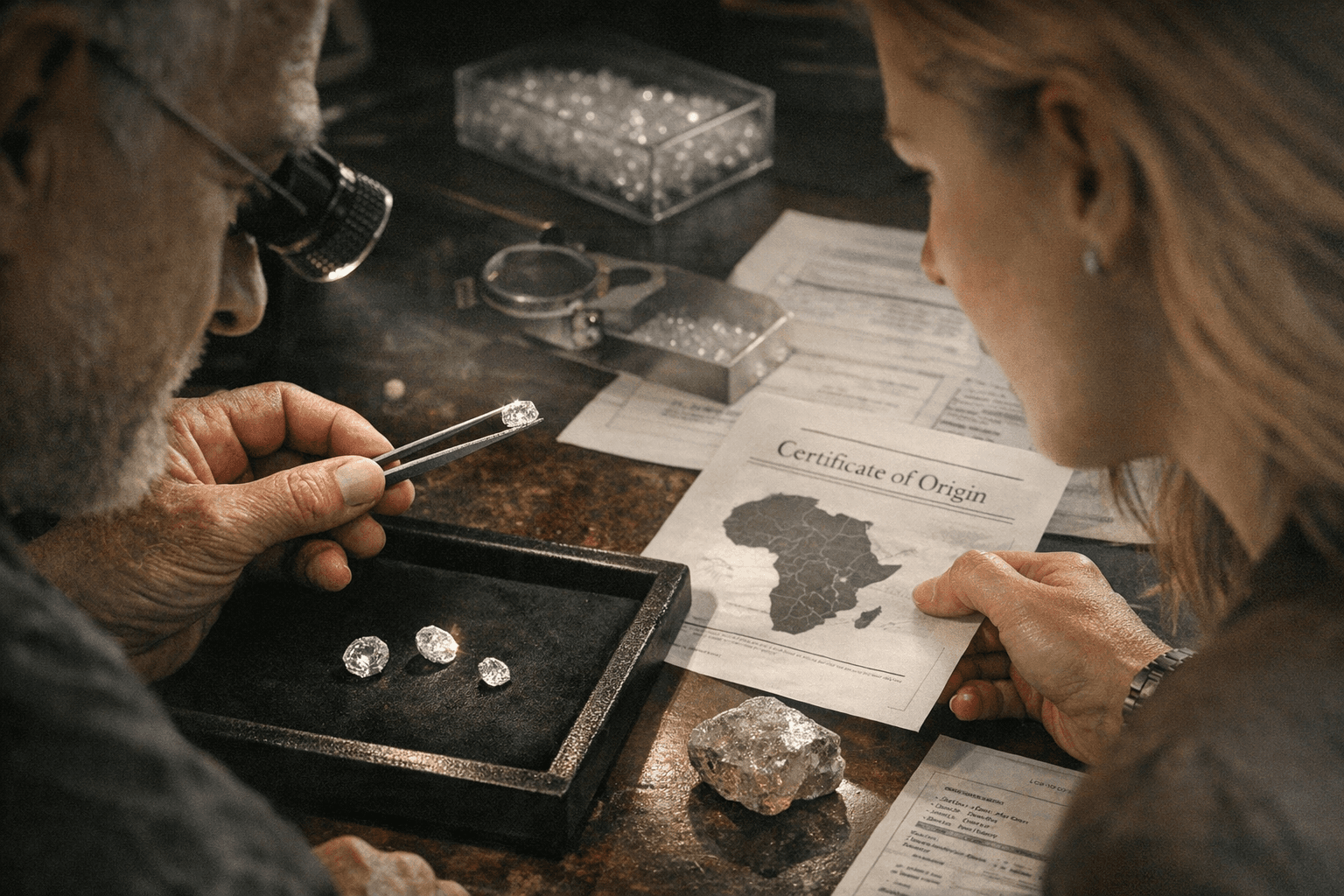
Before you compare carat weight or obsess over color grades, the real buying question has changed: can the seller prove where the diamond came from, how it was made, and what exactly is recycled. That shift is reshaping the market, because McKinsey says the diamond industry is at an inflection point, with rising demand for lab-grown stones, ESG pressure around traceability, and Russia-related sanctions all forcing a harder conversation about origin.
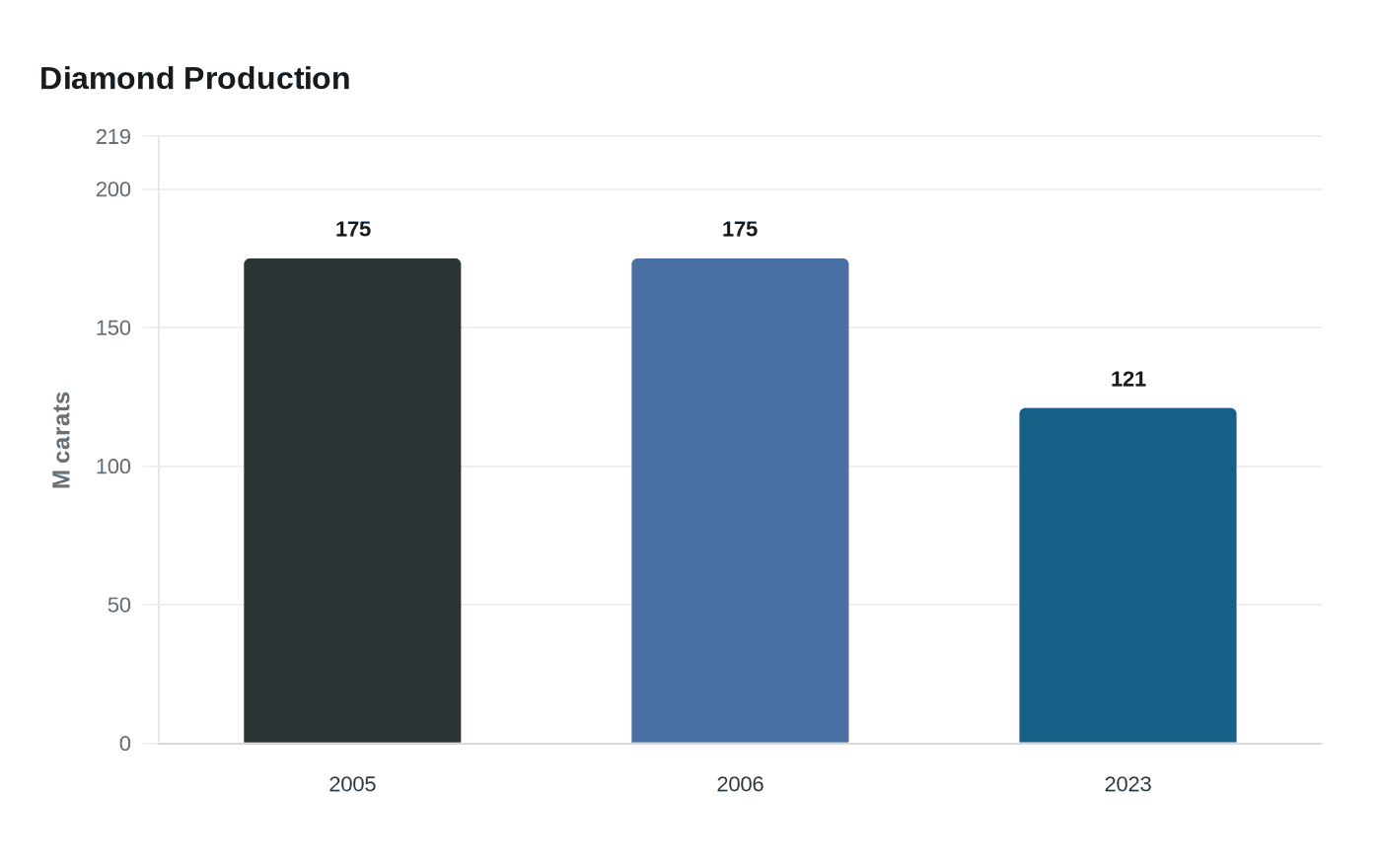
The scale of that change is not abstract. McKinsey says natural diamond production fell from more than 175 million carats a year in 2005 and 2006 to 121 million carats in 2023. Bain & Company’s industry analysis, cited in Forbes, put lab-grown diamonds at 7.5% of the market in 2020, and that share has only grown more visible as buyers chase lower prices and cleaner-sounding ethics. In other words, the old assumption that a diamond’s value was self-evident no longer holds.
What each option really changes
Mined diamonds
Mined diamonds still carry the strongest emotional shorthand for rarity, and for many buyers they remain the reference point for value. They also come with the most consequential sourcing questions, because traceability is tied to where the stone was recovered, whether it passed through the Kimberley Process, and whether the seller can explain chain of custody without slipping into vague language.
Price is usually the clearest difference. As natural production has shrunk from its mid-2000s peak, supply pressure has helped keep mined stones in a different tier from lab-grown alternatives. Resale also remains more established for mined diamonds, especially for notable sizes, branded stones, or pieces with documented provenance, though condition, cut quality, and brand matter just as much as the origin story.
Lab-grown diamonds
Lab-grown diamonds have moved from novelty to mainstream because they give buyers a bigger visual stone for less money, while also offering an easier sustainability narrative. More recent industry coverage has said consumers are drawn to them because they are more affordable and easier to position as ethical or sustainable alternatives, and that is exactly why they have taken share so quickly.
The key distinction is not appearance, but disclosure. The Federal Trade Commission requires truthful, non-deceptive descriptions of jewelry, and says lab-created diamonds can be described as “cultured” only with a clear and conspicuous disclosure such as “laboratory-created” or “laboratory-grown.” If a jeweler cannot tell you how the stone is described on the invoice and on the certificate, that is a warning sign.
Durability is not the issue here. A diamond is still a diamond, whether it was formed underground or in a reactor. What changes is the paper trail, the price, and the resale math, which tends to be less predictable than with natural stones.
Recycled metals
Recycled metal does not change the stone itself, but it can meaningfully reduce the environmental burden of the setting. A diamond ring in recycled gold or silver still needs the same scrutiny on the center stone, yet the metal can be part of a more credible sustainability story if the seller can state the percentage of recycled content and how it was verified.
This is where the details matter. Pandora says its lab-grown-diamond jewelry is crafted with 100% recycled silver and gold, while Swarovski says its created-diamond jewelry uses recycled gold and silver. Those are concrete claims, but they are also the standard buyers should expect to hear in plain language, not as a hand-wavy promise of being “better for the planet.”
Vintage pieces
Vintage and antique diamond jewelry occupy a different lane entirely. They are appealing because they extend the life of an existing object rather than asking for new mining or new growth, and that can make them the most naturally circular option of the group.
Still, vintage does not automatically mean transparent. The stone may be original, reset, or replaced, and the metal may have been repaired multiple times over decades. A period ring can be deeply desirable, but the buyer should judge it like an object with history: lovely, yes, but only as honest as its documentation.
How to read sustainability claims without getting sold a slogan
The sustainability pitch around diamonds has become crowded, and not all of it is equally meaningful. De Beers says its sustainability reports are built around stakeholder priorities and international reporting standards, while the Natural Diamond Council says it works with governments, communities and industry experts to publish diamond reports and consumer-facing resources. The World Diamond Council says it represents the natural-diamond industry within the Kimberley Process, the UN-backed initiative aimed at preventing conflict diamonds from entering the trade.
That system still matters, but it is not a magic seal. The Kimberley Process says it now includes 60 participants representing 86 countries and nearly all rough-diamond production worldwide, yet the United Nations General Assembly in March 2024 said conflict diamonds remain a serious international concern and noted geopolitical tensions that continue to challenge the process. The U.S. Department of State still publishes conflict-diamond and Kimberley Process materials, which is a reminder that this is an active policy issue, not a solved one.
The environmental debate is also still being measured, not settled. A 2024 academic study modeled future greenhouse-gas emissions, mineral waste and water use across diamond-production scenarios, suggesting the industry’s footprint will depend heavily on how production evolves. Natural-diamond groups continue to emphasize land reclamation, waste reduction, water conservation and biodiversity protection, but buyers should ask for specifics rather than accepting broad language about responsibility.
The exact questions to ask before you buy
When a jeweler says a diamond is ethical, sustainable, or responsibly sourced, make them define those words. Ask for documents, not adjectives.
- Is the diamond mined, lab-grown, vintage, or a replacement stone?
- If it is mined, what is the country of origin, and can you provide Kimberley Process documentation?
- If it is lab-grown, was it described as laboratory-grown or laboratory-created on the invoice and certificate?
- What method was used to grow it, and where was it cut and polished?
- What percentage of the ring’s gold, silver, or platinum is recycled?
- Is the setting new, restored, or original to a vintage piece?
- Has the stone ever been reset, and has any treatment been disclosed?
- What kind of warranty, return policy, and service plan comes with the piece?
What matters most when you wear it
The best diamond purchase is the one that matches how you plan to live with it. A bezel setting gives a stone more protection for everyday wear than exposed prongs, while a prong setting shows more of the diamond and usually feels airier on the hand. If you want maximum durability, traceable origin, and less maintenance, the setting matters almost as much as the stone.
That is the real shift in the market: diamond buying is no longer a blind act of faith. The sharpest buyers now want evidence, and the smartest sellers know they have to provide it.
This article was produced by Prism’s automated news system from verified source data, official records, and press releases, then run through automated quality and moderation checks before publishing. The system is built and supervised by the people who set the standards it runs under. Read our full AI policy.
Did this article answer your question?