Engagement ring prices fall as lab-grown diamonds gain ground
Engagement ring budgets are easing, and lab-grown stones now anchor more than half of purchases. The sharpest buys pair clear disclosure with smarter setting splits.
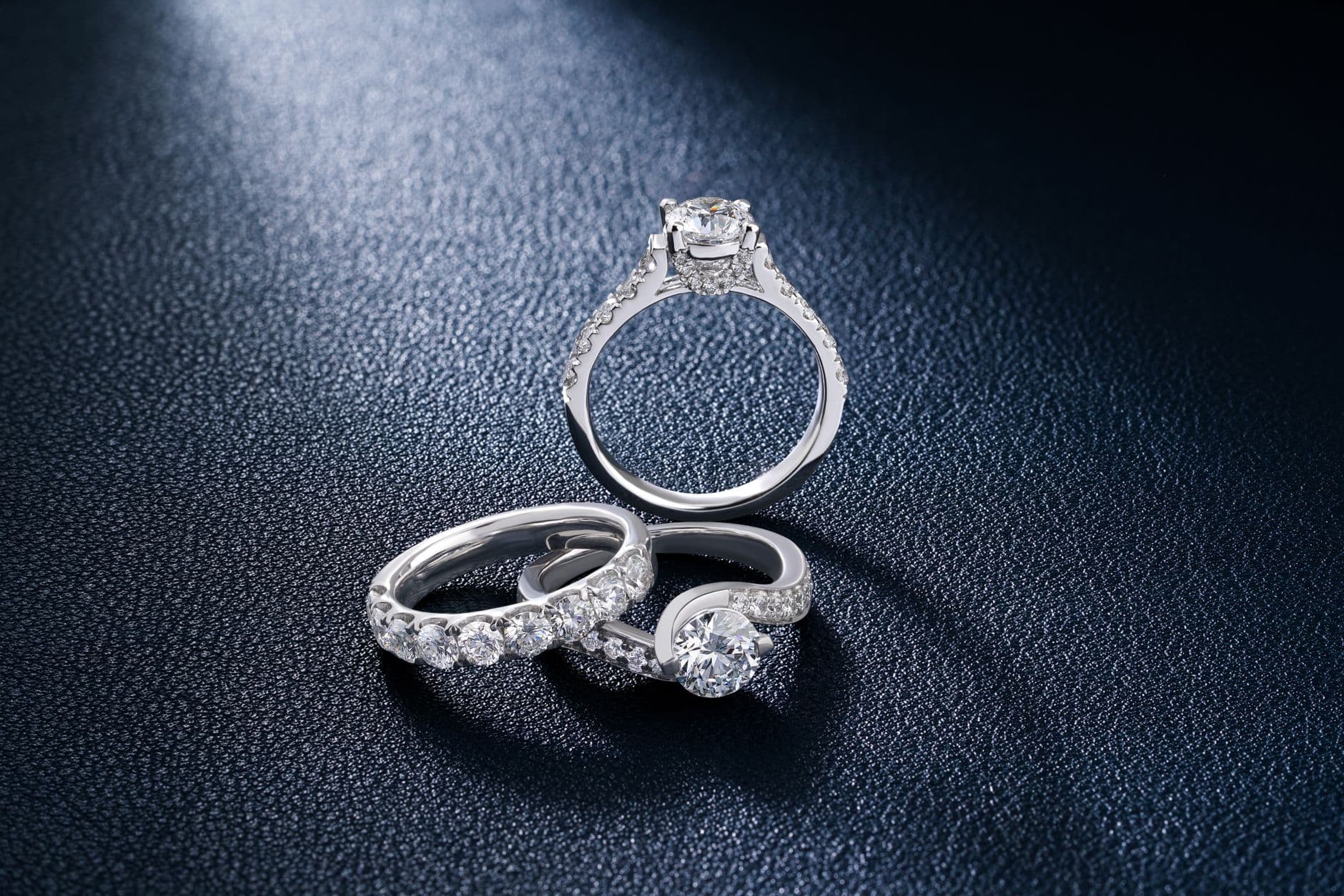
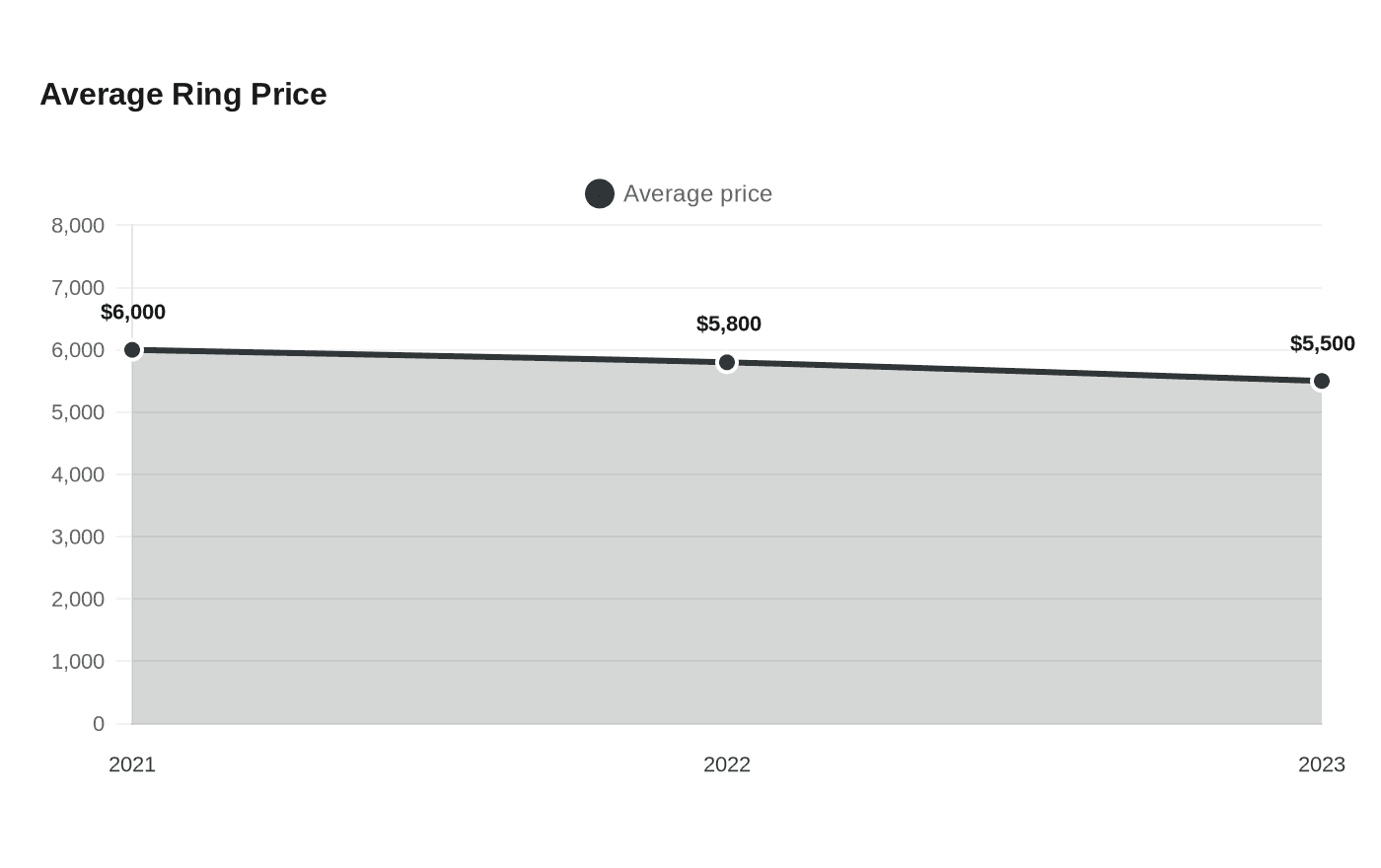
The price of a diamond engagement ring is no longer a fixed splurge. In the United States, the average ring now comes in at about $5,200, and that figure has slipped steadily from $6,000 in 2021 to $5,800 in 2022 and $5,500 in 2023. The bigger story is not only that couples are spending less, but that they are redefining value around lab-grown diamonds, clearer pricing, and settings that make every dollar work harder.
The affordability reset
The Knot’s 2024 Jewelry & Engagement Study shows a market that is cooling on price even as expectations rise. Average ring spending fell again while average carat size increased, which tells you exactly where the money is going: buyers want more visible impact without paying old-school mined-diamond premiums.
That shift changes the whole emotional calculus of the purchase. A ring is still a symbol, but the smartest shoppers are treating it like a design problem as much as a romantic one, weighing origin, size, and setting against a budget that feels deliberate rather than inflated.
Lab-grown is now the main comparison
Lab-grown diamonds are no longer a niche compromise. In The Knot’s 2024 data, 52% of engagement rings featured a lab-grown diamond, up 6 percentage points from 2023, and the average lab-grown engagement ring cost about $4,900 compared with $7,600 for a mined diamond ring. That gap explains why so many couples now start by comparing the two categories side by side instead of assuming a mined stone is the default.
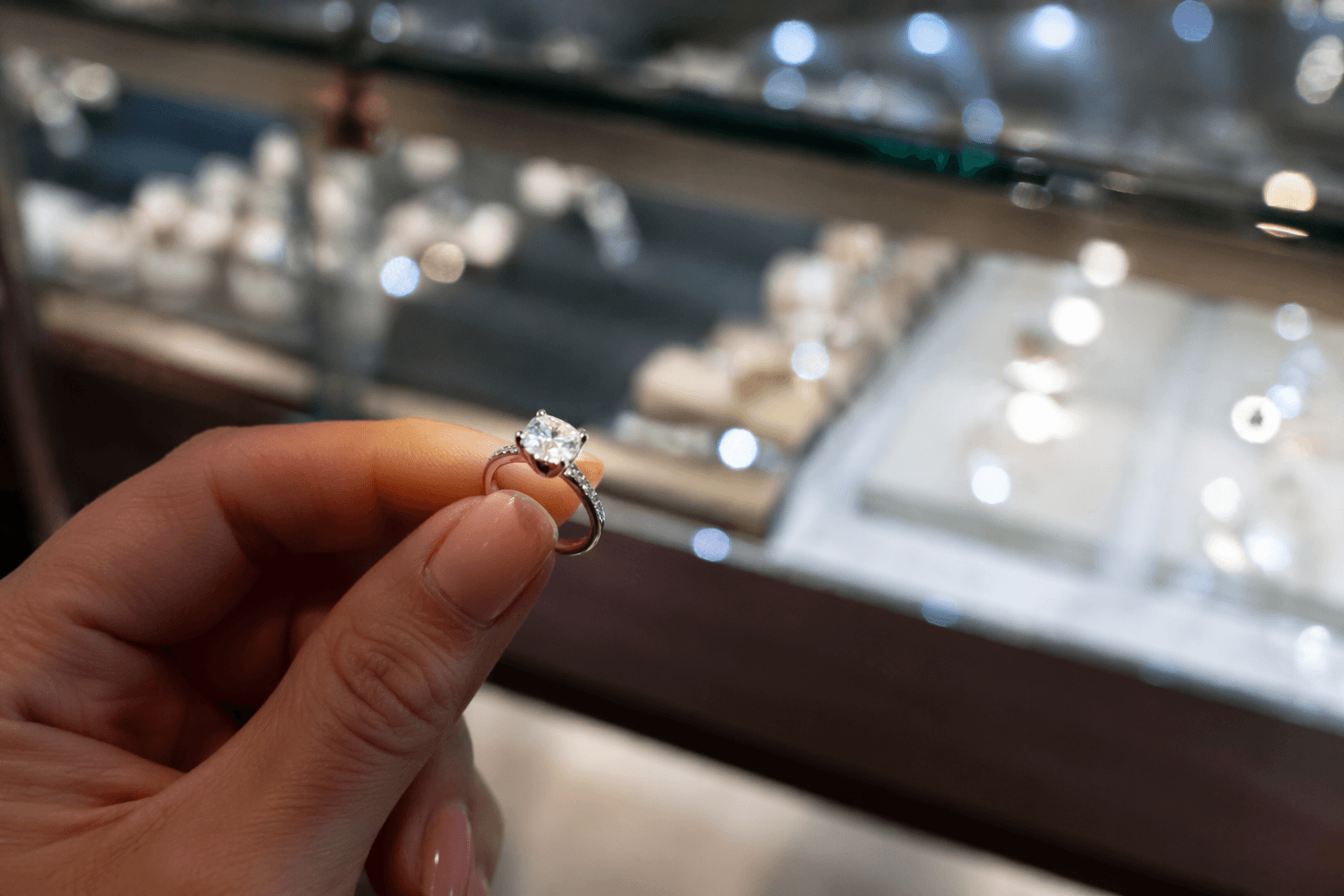
The Gemological Institute of America evaluates laboratory-grown diamonds with the same 4Cs framework used for natural diamonds, which means cut, color, clarity, and carat still govern quality. The critical difference is origin, not the basic language of evaluation. That makes disclosure essential: the Federal Trade Commission requires jewelers to clearly and conspicuously state when a diamond is laboratory-created rather than mined, a detail that should be obvious on any honest product page.
How to shop the budget bands
The most practical way to approach the market is to decide what kind of number you want to protect before you fall in love with a setting. The affordable end is now wide open, and June 2026 pricing snapshots show just how competitive it has become.
- Under $500: Quince rings start at $498, which puts entry-level lab-grown shopping well below the national average.
- Around $750 and up: Brilliant Earth settings start at $750, while its diamonds start at $180, a reminder that mounting and center stone can be priced separately.
- Around the market average: A $5,200 total budget lands right where the U.S. average sits, giving you room to balance size, finish, and stone quality.
- Above that: A mined-diamond ring still averages about $7,600, so natural stones generally ask for a significant premium over lab-grown.
Promotions matter too. Ritani offered 30% off sitewide in its June 2026 promotion, and Blue Nile ran wedding-event discounts, which shows how much of this market now depends on timed markdowns and comparison shopping. For readers tracking value, that means the sticker price is only the opening bid.
Why the setting deserves just as much attention as the stone
The cleanest way to maximize visible impact is to think in two parts: the diamond and the frame around it. When a retailer like Brilliant Earth lists settings starting at $750 and loose diamonds starting at $180, it becomes clear that the mounting can be treated as a separate design choice rather than a fixed package add-on.
That separation is useful because it lets you decide where the ring should look expensive. A modestly priced stone can read as far more substantial when the setting is well chosen, while a larger stone can be undermined by a setting that eats too much of the budget or obscures the diamond’s shape. The right balance is less about chasing the biggest carat and more about making the center stone look intentional, bright, and proportioned.
For buyers who want a clean, transparent path, the retailer mix also matters. Forbes Vetted’s budget-friendly roundup points to Blue Nile, Ritani, Quince, Brilliant Earth, Kay, Jared, and Grown Brilliance, which reflects a market where online-first browsing and quick price comparisons have become part of the buying ritual. That kind of shopping environment rewards patience, because it makes it easier to compare not just price tags, but also whether the diamond is natural or lab-grown and whether the seller spells that out clearly.
The new style language: personal, not formulaic
The value story is happening alongside a style reset. 2026 coverage from The Knot describes lab-grown diamonds as a dominant force in wedding planning, while Forbes’ engagement-ring-trends coverage points to individuality, vintage cuts, and antique diamonds as the shapes and stories drawing attention this year. That mix matters because it shows couples are not only bargain hunting, they are asking for rings with character.
The most interesting part of this moment is that affordability and personality are no longer opposites. A buyer can choose a lab-grown diamond, keep the total cost near the national average or below it, and still land on a ring that feels distinctive if the cut, setting, and finish are chosen with care. That is where the market is headed: toward rings that are easier to understand, easier to price, and harder to fake.
The best engagement-ring buy today is not simply the cheapest or the largest. It is the one that tells the truth about what it is, shows its stone clearly, and spends money where it will be seen.
This article was produced by Prism’s automated news system from verified source data, official records, and press releases, then run through automated quality and moderation checks before publishing. The system is built and supervised by the people who set the standards it runs under. Read our full AI policy.
Know something we missed? Have a correction or additional information?
Submit a Tip