GIA explains how white metals shape diamond jewelry’s look and durability
White metal changes more than color: platinum offers heft and durability, white gold needs rhodium upkeep, and silver trades strength for price.
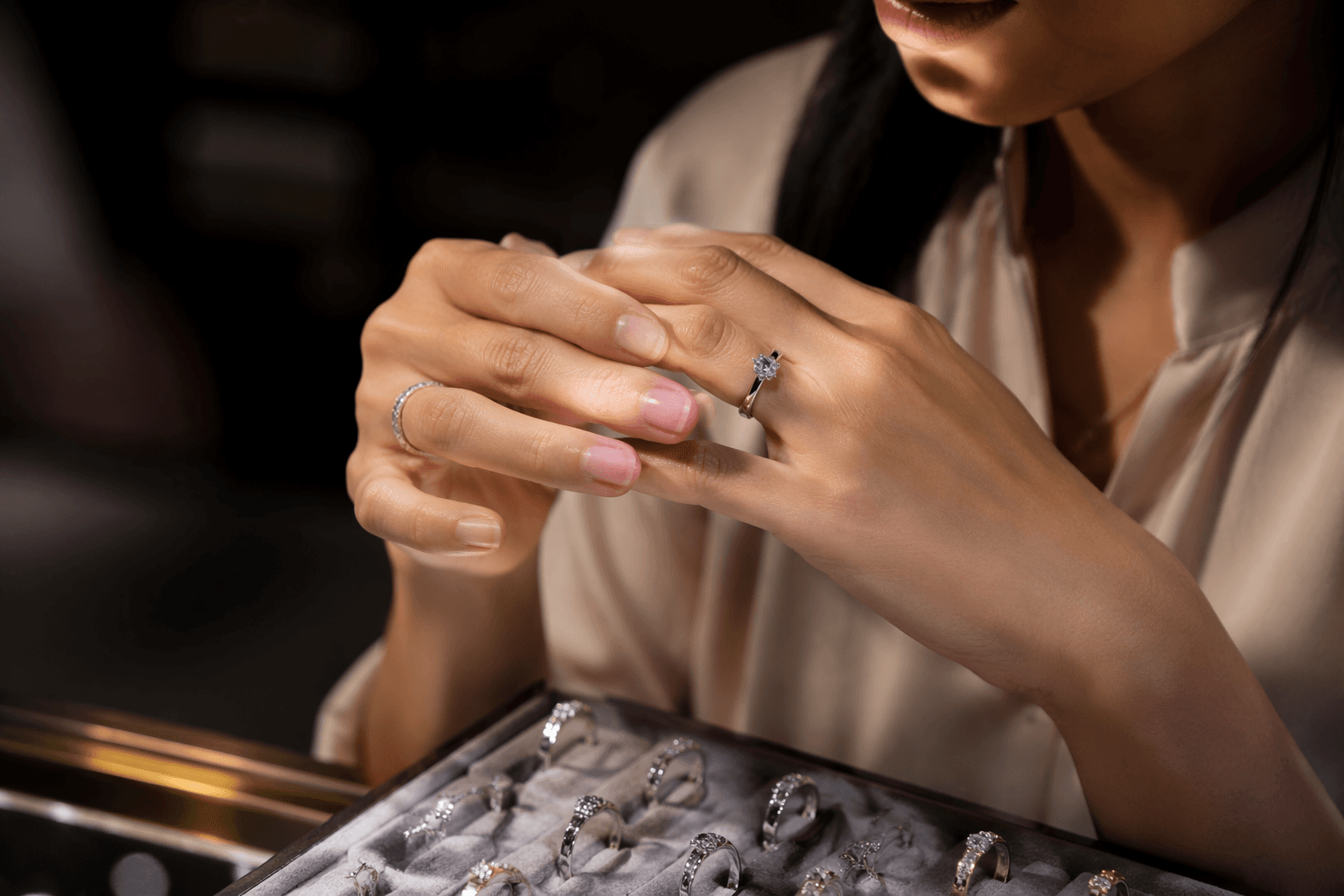
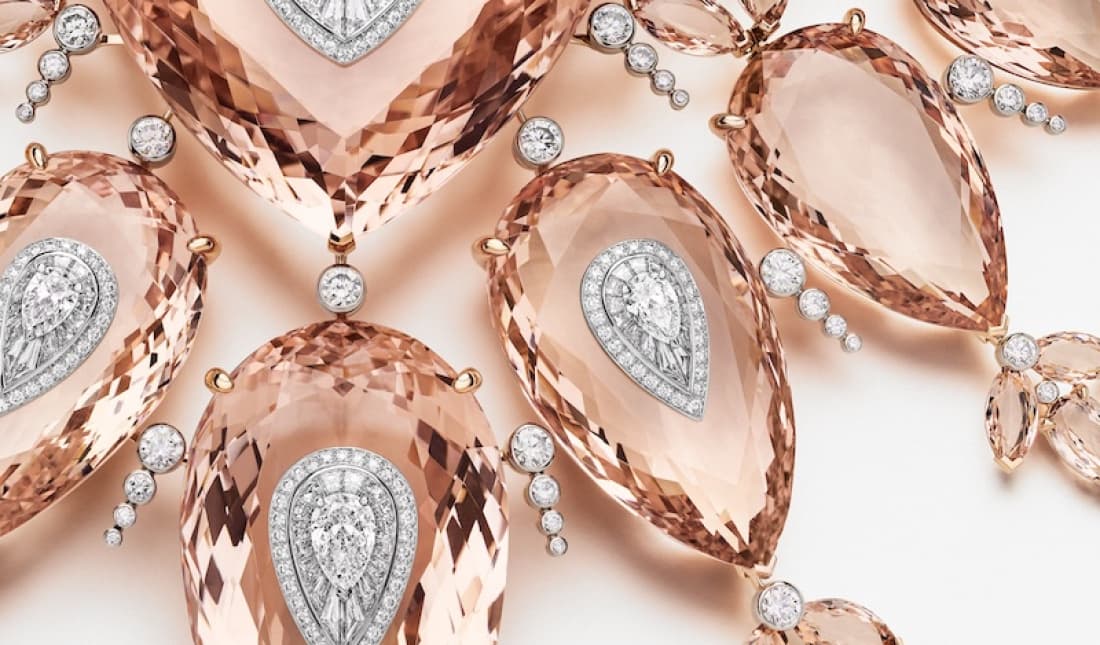
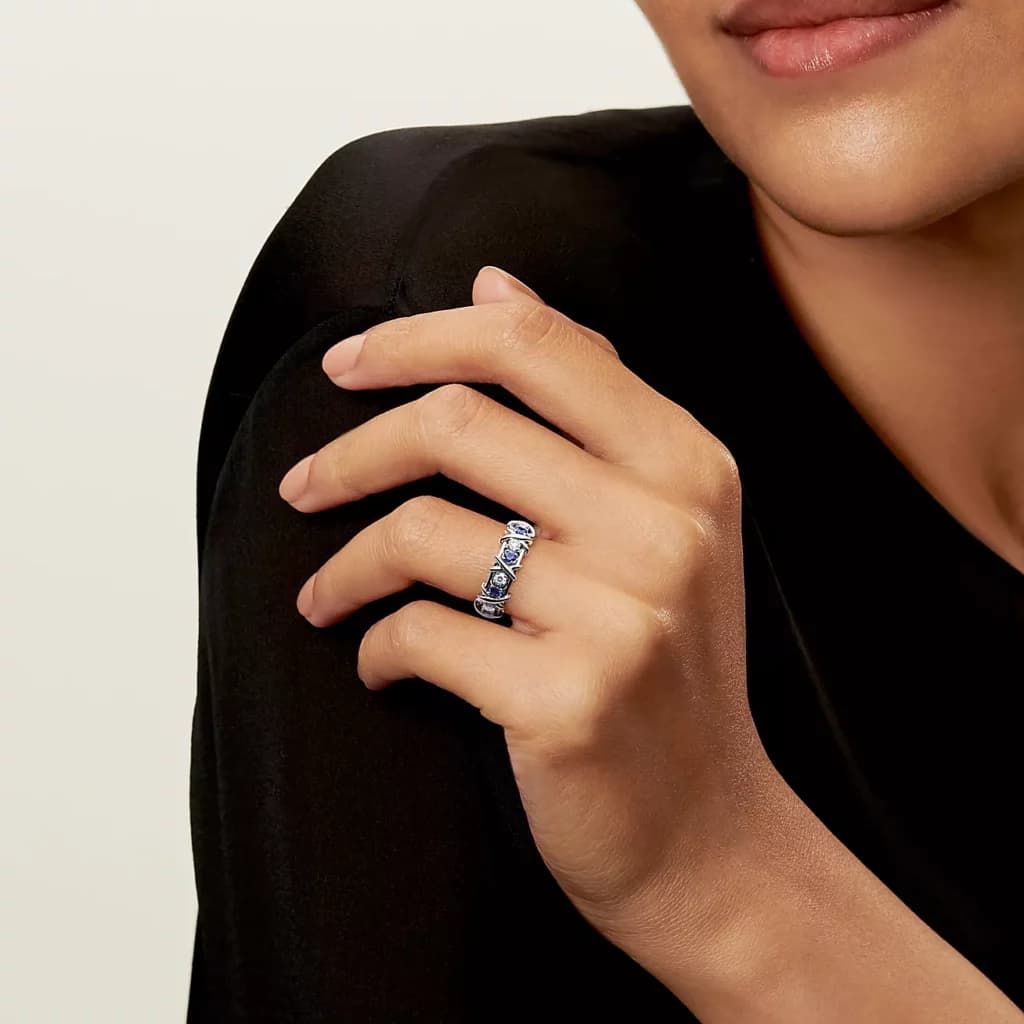
The facets of a diamond act like tiny mirrors, reflecting the color of the band and prongs around them, which makes white metal part of the stone’s face, not just its frame. The choice comes down to more than taste: platinum, white gold, palladium, and silver each change how a diamond looks, feels, and wears over time.
White metal changes the whole read of a diamond
White metals remain a popular choice for diamond settings because they can make a diamond look even more striking. The setting can sharpen the icy look shoppers want, but it can also introduce maintenance, weight, and durability differences that matter once the ring leaves the case. A bright white prong can help a diamond seem cleaner; a softer or more yellowing metal can gradually change the look of the stone itself.
That visual effect is especially important in ring settings, where prongs sit right against the girdle and become part of the way the diamond presents to the eye. If the goal is a crisp, cool palette, the metal choice matters as much as the center stone’s cut.
Platinum brings weight, security, and less upkeep
Platinum is the white metal that most clearly justifies its reputation for staying power. Jewelers of America puts platinum jewelry in the United States at generally 85% to 95% pure platinum and a piece made with 90% pure platinum at about 60% more weight than a 14-karat gold piece of similar size. That extra heft is not cosmetic; it is part of what gives platinum diamond jewelry its substantial feel on the hand.
The metal also sidesteps one of white gold’s biggest compromises: replating. Platinum and palladium do not need replating, and GIA’s platinum quality benchmarks emphasize workmanship and durability in prong settings. One benchmark example uses a custom 90% platinum and 10% iridium alloy. In GIA’s benchmarks, jewelry that fails in normal wear may have been made incorrectly or mishandled after manufacturing.
Platinum is also naturally hypoallergenic, an important detail for anyone sensitive to certain alloy metals.
White gold buys the look, but not without maintenance
White gold sits in the middle of the tradeoff chart. It is made by alloying gold with metals such as nickel or palladium, copper, and zinc, and in the United States it is typically sold as 14K or 18K. The result is not naturally white enough for the bright look most shoppers expect, so white gold is often electroplated with rhodium.
That rhodium layer is the catch. It wears away gradually, and white gold alloys are never truly white, which is why the bright finish can fade or yellow over time as the coating thins. For a buyer who wants the appearance of white metal at a lower upfront price than platinum, white gold is often the practical compromise, but it comes with the certainty of future replating.
There is one more detail that belongs in any honest white-gold conversation: nickel. Some people with nickel allergies should avoid nickel-alloyed white gold, so the alloy recipe matters, not just the label.
Silver is the budget-friendly option with the shortest life in fine diamond settings
Sterling silver is the softest of the main white-metal choices, and that softness is exactly why it is rarely used for engagement rings or wedding bands. It scratches easily and can take on an aged appearance, which can be part of the appeal for some jewelry, but it is a drawback in pieces expected to endure daily impact. In a diamond ring, that means the metal itself is less likely to keep a crisp edge around the stone for long.
Silver still has a place. It can make sense for fashion jewelry or occasional-wear diamond pieces where affordability matters more than long-term structure, and where a little patina is not a flaw.
How the rules keep the labels honest
The Federal Trade Commission’s Jewelry Guides exist to help consumers understand what they are buying when precious metals, alloys, and imitations are in play. The agency revised the platinum section in 2010, and platinum jewelry can be alloyed with precious platinum-group metals such as iridium and palladium, or with base metals such as copper and cobalt. The word platinum can describe several different constructions, and not all of them behave the same way in wear.
The Gemological Institute of America is a nonprofit established in 1931, and its consumer-facing guidance focuses on the buying public rather than on metal marketing claims.
This article was produced by Prism’s automated news system from verified source data, official records, and press releases, then run through automated quality and moderation checks before publishing. The system is built and supervised by the people who set the standards it runs under. Read our full AI policy.
Did this article answer your question?