How GIA’s 15-year study shaped diamond cut grading
GIA’s 15-year cut study showed why a well-cut round brilliant can outshine a larger diamond, making light performance the first thing to judge.
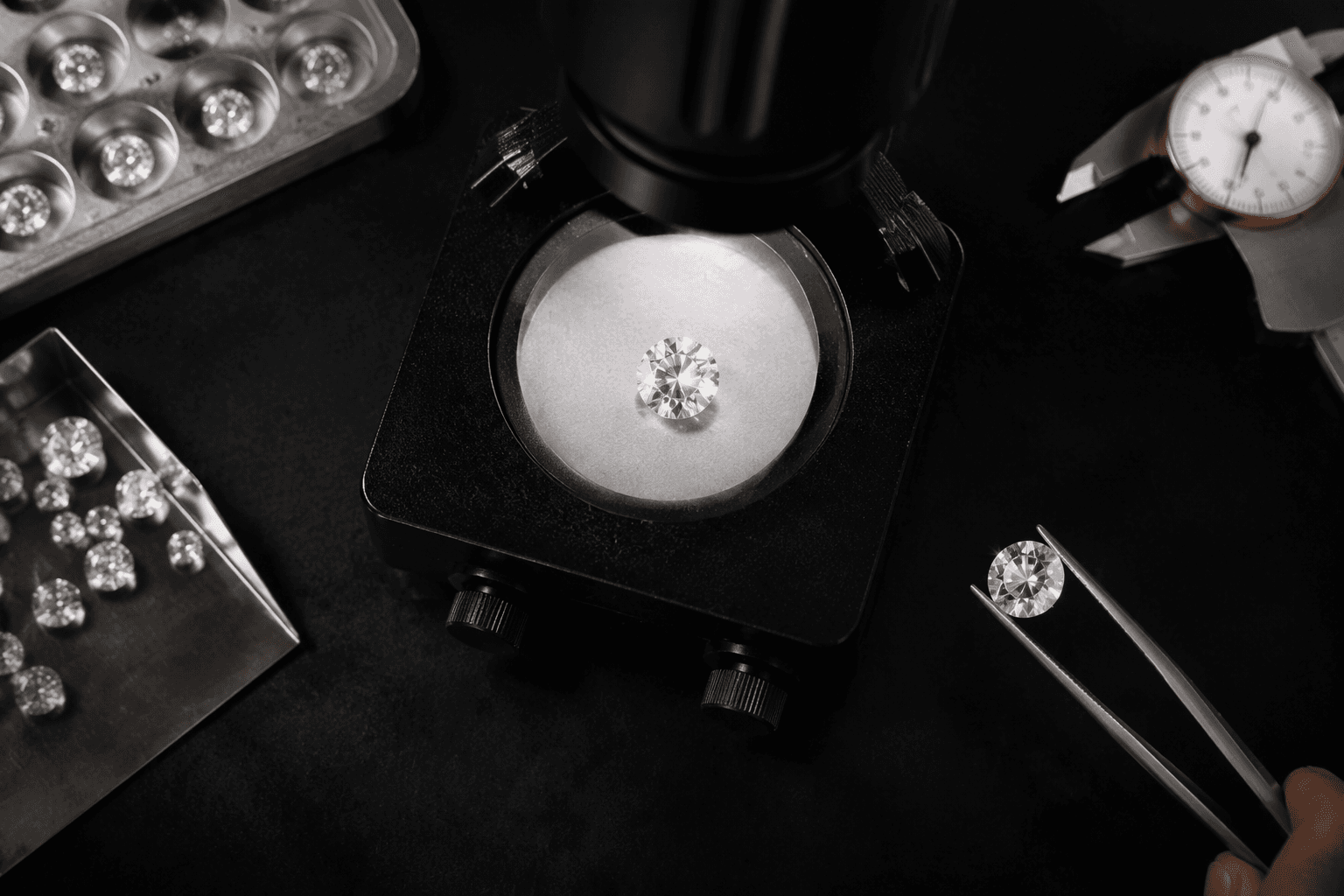
In January 2006, GIA began issuing grading reports that included a cut grade for standard round brilliant diamonds in the D-to-Z color range and the Flawless-to-I3 clarity range. The system followed roughly 15 years of computer modeling that made the visible difference between a well-cut stone and a bigger diamond with weaker proportions measurable. For anyone comparing diamonds, cut is the spec that shows up fastest, and the one most likely to make a smaller stone look unexpectedly commanding.
The study that made cut a science
GIA, the Gemological Institute of America, was established in 1931 as a public-benefit nonprofit and built its cut grading system at its Carlsbad, California base from a long research program rather than a shortcut or a styling opinion.
The standard round brilliant became the laboratory model because it is the most popular diamond cut and, historically, the only shape for which GIA assigned a cut grade. The scale is straightforward: Excellent, Very Good, Good, Fair, and Poor.
The research program also produced cut grading charts and booklets designed to help businesses understand and use the system more fully.
What GIA is actually grading
GIA’s modern cut language for round brilliant diamonds breaks the category into seven components: brightness, fire, scintillation, weight ratio, durability, polish, and symmetry. Those seven components explain why two diamonds with the same carat weight can look completely different once they are on the hand.
Brightness is the return of white light. Fire is the dispersed flashes of color that appear as light splits inside the stone. Scintillation is the sparkle pattern you see as the diamond, or the viewer, moves. Weight ratio is how efficiently the diamond’s weight is distributed. Durability, polish, and symmetry round out the picture by showing whether the stone is finished and built to perform over time.
Cut quality fuels a diamond’s fire, sparkle, and brilliance, and the allure and beauty of a particular diamond depends more on cut quality than anything else. That is why a well-cut stone can look larger, brighter, and more attractive than a heavier diamond that leaks light or shows dullness around the edges.
How to read sparkle on the hand
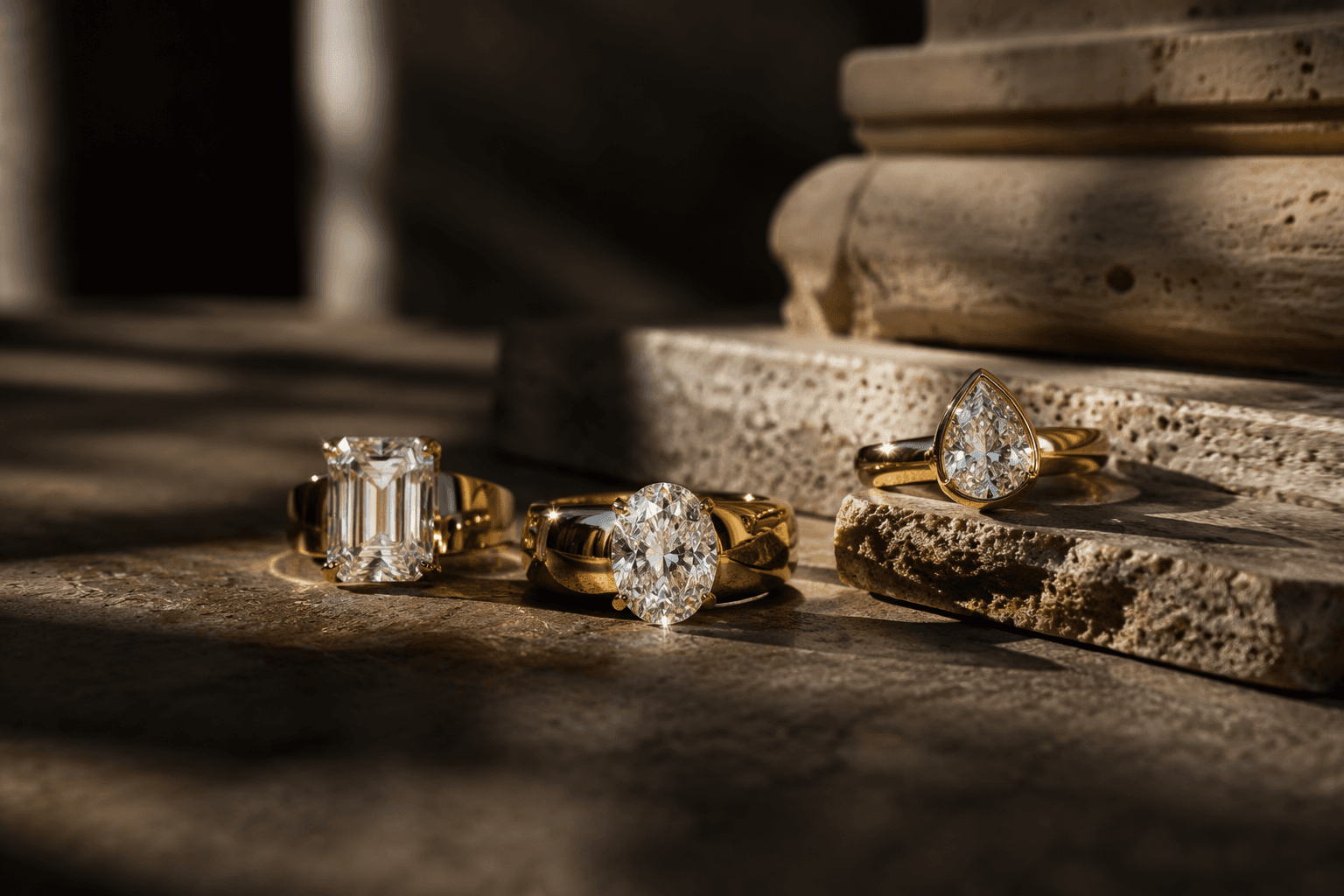
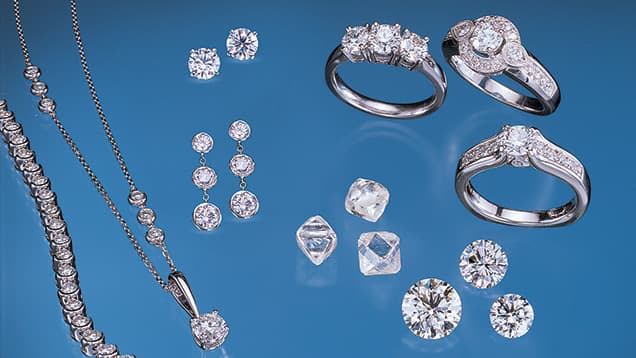
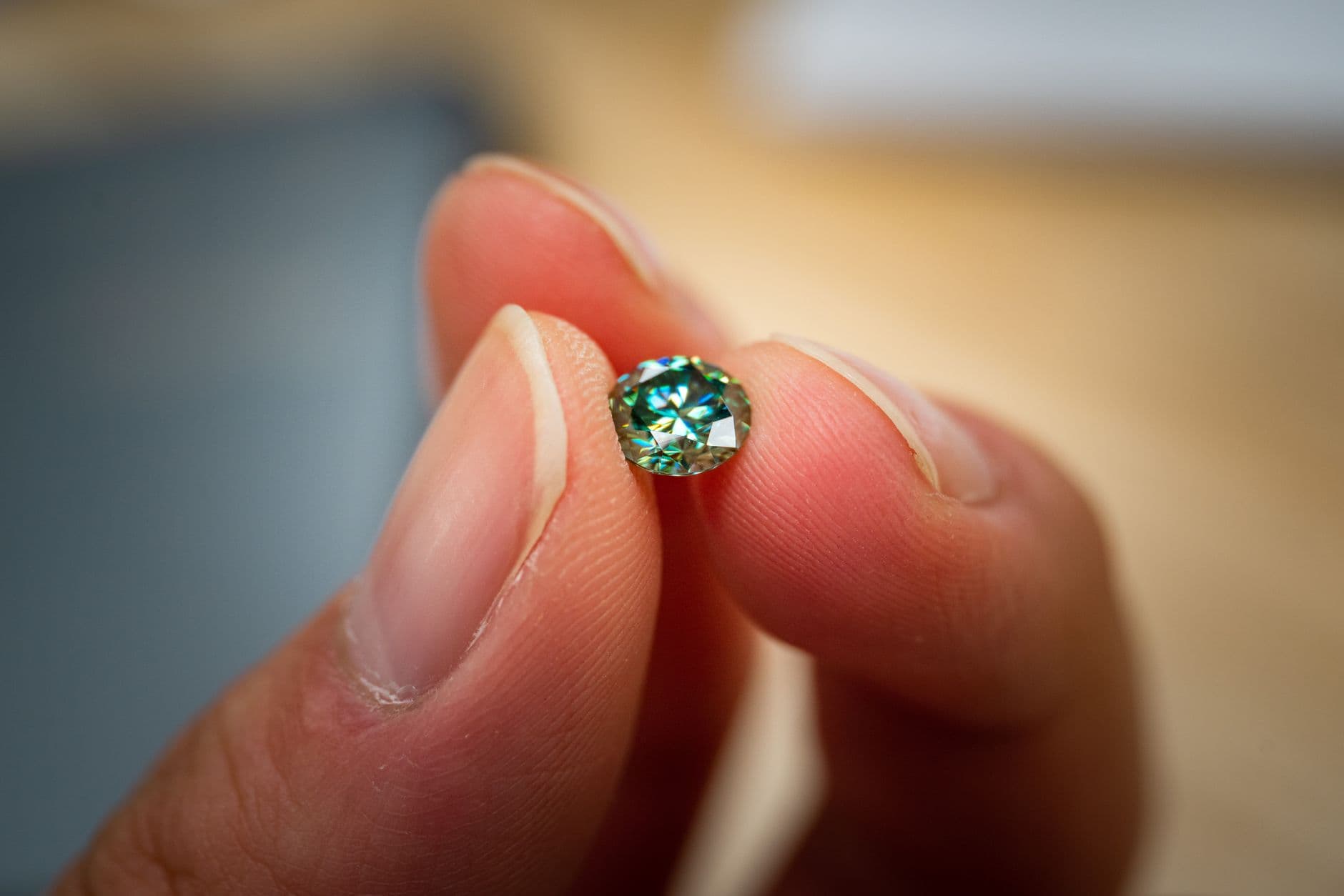
The easiest place to see cut in action is in a round brilliant mounted in a ring, where the diamond is constantly catching and losing light as the hand moves. In an engagement ring, solitaire pendant, or a pair of stud earrings, a strong cut delivers crisp flashes instead of a flat sheen. The visual payoff is immediate: the stone seems to wake up under natural light, then gather a different kind of brightness under spot lighting.
That is why shoppers often feel torn between carat weight and sparkle. If two diamonds are close in size, the one with stronger proportions and better light return may look more impressive than the heavier stone, especially if the larger diamond has a poor cut grade and weaker scintillation. In practical buying terms, it usually makes more sense to give up some carat, and sometimes a little color or clarity, before giving up the cut that makes the diamond look bright and lively.
This is especially relevant in pieces where the diamond is meant to carry the whole look, such as a round brilliant solitaire, classic three-stone ring, or a simple pair of studs. In those settings, weak cut is harder to hide than a modest color grade or an inclusion near the edge. A diamond with excellent cut can disguise a lot of what sits lower on the priority list because the eye goes first to the return of light.
Why the GIA report matters
For round brilliants, a GIA report translates decades of effort to standardize beauty into a format buyers can compare. The cut grade sits alongside the familiar D-to-Z color and Flawless-to-I3 clarity scales, but it often has the most immediate visual impact once the diamond is set. That is especially true because the round brilliant is the shape for which GIA built its most complete cut framework.
The five-grade scale also helps prevent the false comfort of broad labels. A diamond can be called “good” or “excellent” in conversation, but the report tells you where it falls within a structured system based on light performance, proportions, finish, and overall appearance. For buyers, that means the smartest comparison starts with cut, then moves to color and clarity after the stone has already proven it can return light well.
What to prioritize before you compromise on sparkle
If a diamond has to be a little smaller, or a touch lower in color or clarity, the trade-off is often worth it when the cut grade is stronger. A round brilliant with excellent brightness, fire, and scintillation will read as more alive on the hand than one that is larger but poorly proportioned, because the eye responds first to light performance.
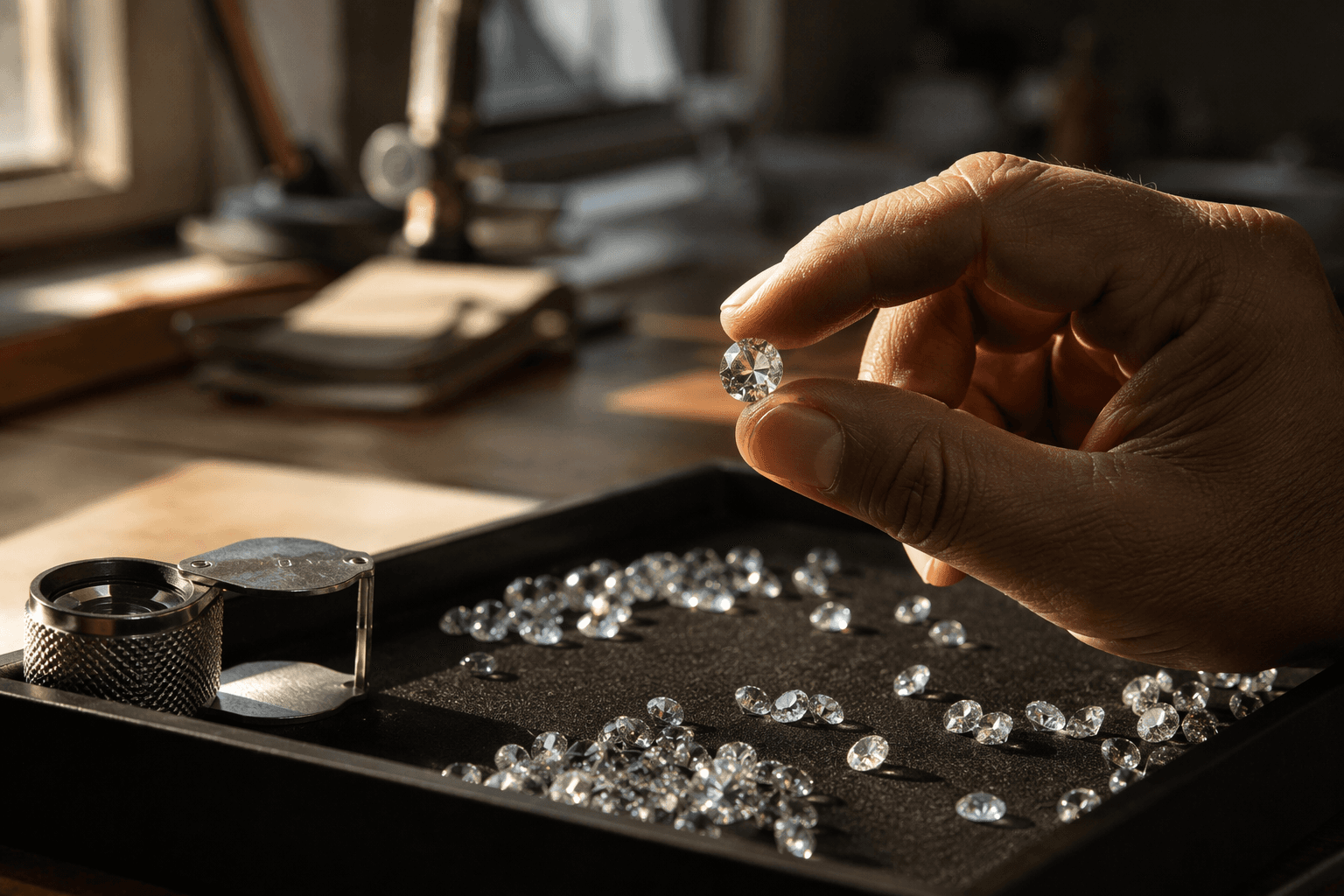
Use cut as the first filter when comparing round brilliants. Look for the report grade, then think about how the stone will move in daily light, not just under a jeweler’s loupe.
This article was produced by Prism’s automated news system from verified source data, official records, and press releases, then run through automated quality and moderation checks before publishing. The system is built and supervised by the people who set the standards it runs under. Read our full AI policy.
Did this article answer your question?