How GIA’s D-to-Z scale shapes diamond color and value
GIA’s D-to-Z scale shows when diamond color affects what you see, when it mainly affects prestige, and why fancy pink, blue, or green stones play by different rules.
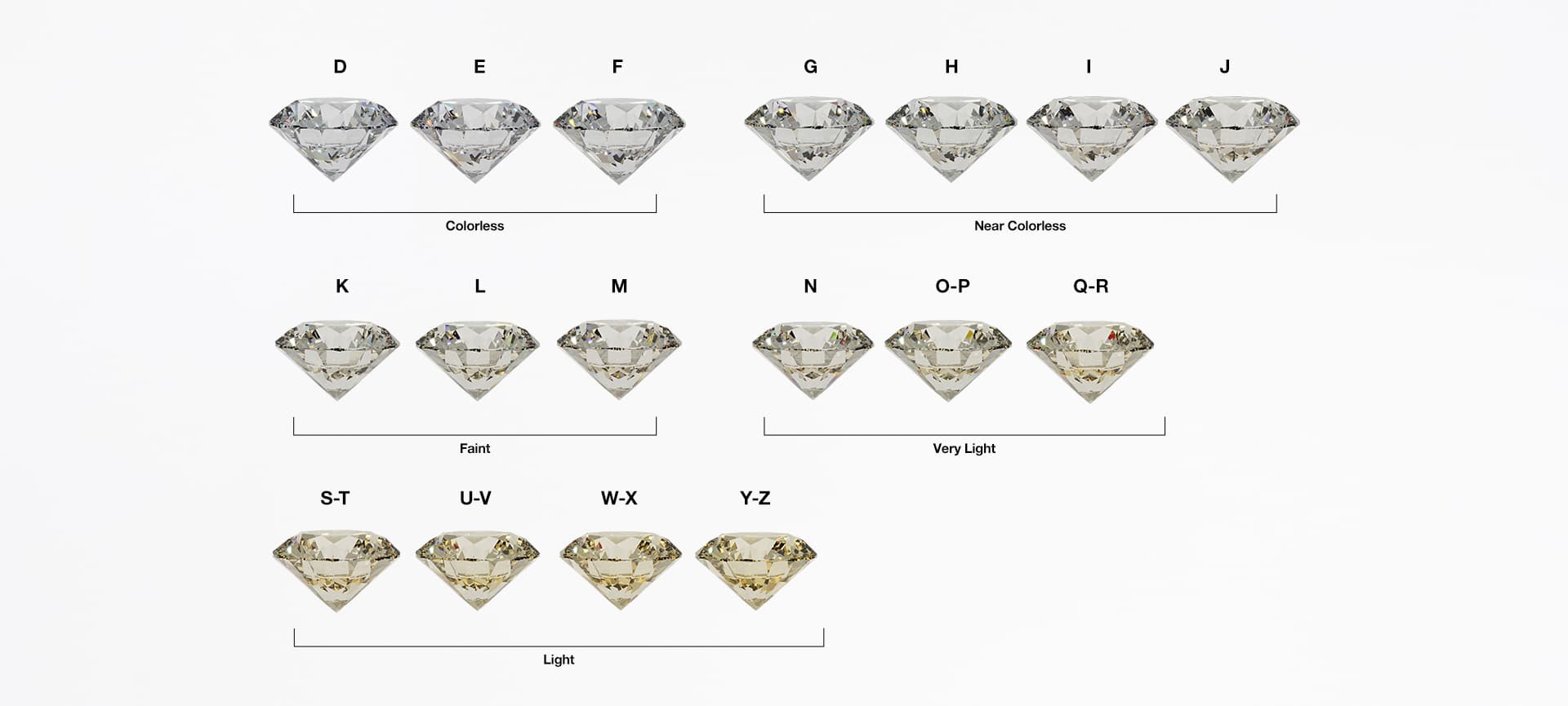
GIA introduced its D-to-Z diamond color scale in the early 1950s, giving the trade a common language for how much tint a diamond shows. A stone’s letter grade can change how it reads in the hand, but the biggest shift comes after it is set.
The scale that made diamond color legible
It arrived alongside the 4Cs framework that GIA created to give professionals and consumers a universal, unbiased system. The trade had used inconsistent systems before then, which made color comparison muddy and left too much room for interpretation. Since the scale’s introduction, it has been used to grade the overwhelming majority of colorless to light yellow gem-quality polished diamonds on which laboratory reports have been issued.
The logic is straightforward once you know the code. D is the highest colorless grade, while color increases as you move toward Z, where the tint becomes more noticeable. In the normal range, the scale measures how closely a diamond approaches colorlessness, so the same letter can carry very different value implications depending on the buyer’s eye and the setting around the stone.
What you can actually see once the diamond is set
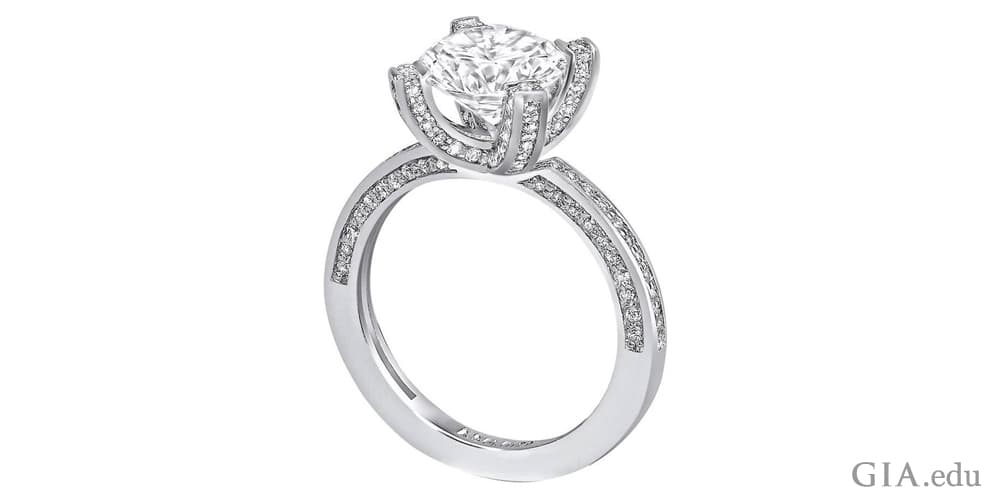
In the normal range, diamond color is about what you cannot see. Less color generally means higher value because colorless diamonds are the rarest. That principle is what pushes shoppers toward the top end of the scale when they want a clean, white-looking engagement ring, especially in designs where the center stone is doing most of the visual work.
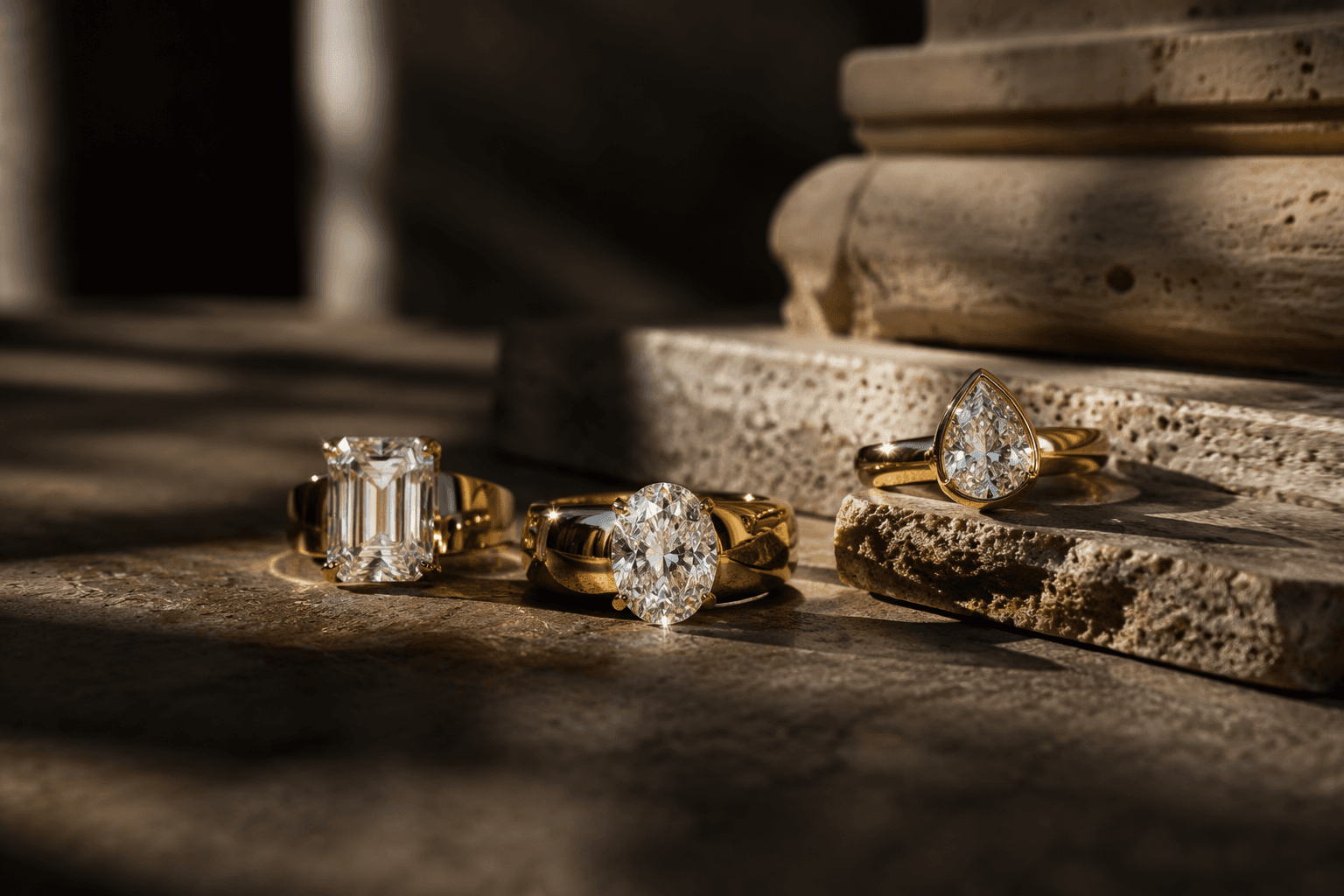
But color does not sit in a vacuum. A diamond’s apparent tint can be easier to notice in larger stones, and certain settings can either soften or sharpen what the eye reads. A platinum or white-metal mounting can help a stone appear whiter, while a warmer metal can make a diamond read softer or more buttery. That is why a near-colorless stone can be the smarter buy when the goal is an elegant face-up look rather than the highest possible letter grade on paper.
For many shoppers, the practical question is whether the difference will still matter once the diamond is set, worn, and seen in real light. In that context, the premium at the top of the color scale often buys prestige more than a dramatic visual change, especially once the stone is mounted and viewed at a normal distance.
Why D-to-Z is not the whole story
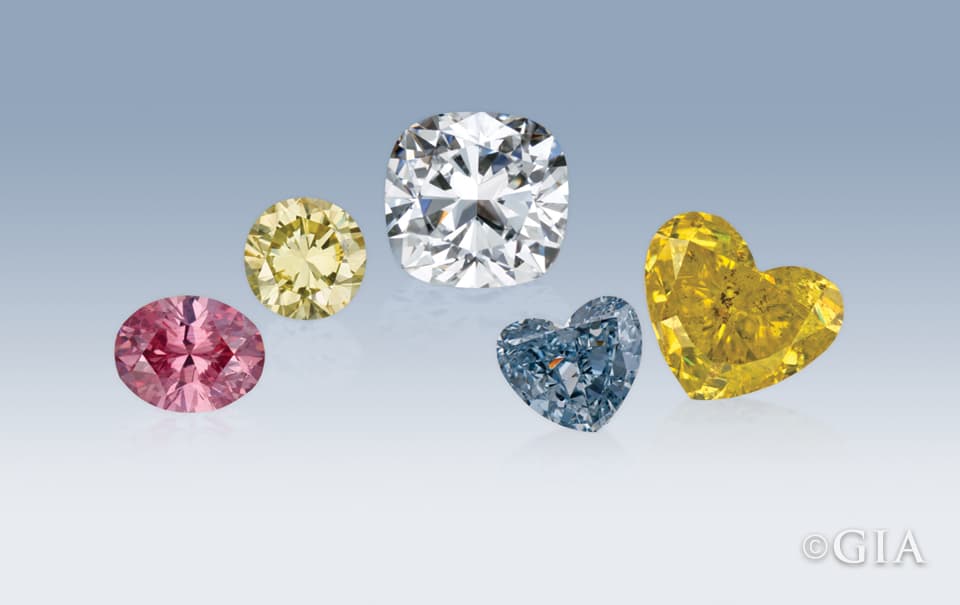
The D-to-Z system covers the normal color range, but fancy color diamonds fall outside that range. In normal diamonds, rarity is tied to the absence of color; in fancy color diamonds, the most valuable stones are the ones with strong, saturated color.
The rarest and most valuable fancy colors are saturated pinks, blues, and greens. Even very slight color differences can have a big impact on value. That means the grading conversation shifts from “How little color can I see?” to “How rich and desirable is the color itself?” once a diamond moves beyond the D-to-Z scale.
A yellow, pink, or blue diamond is not trying to disappear into a white-metal ring setting; it is meant to command attention.
How the market values colorless diamonds versus fancy colors
In the normal range, the rarest stones are the most colorless ones, which is why the market rewards D and its closest neighbors with the highest prices. The further a stone moves toward visible tint, the more buyers tend to weigh the tradeoff between size, budget, and the particular look they want on the hand.
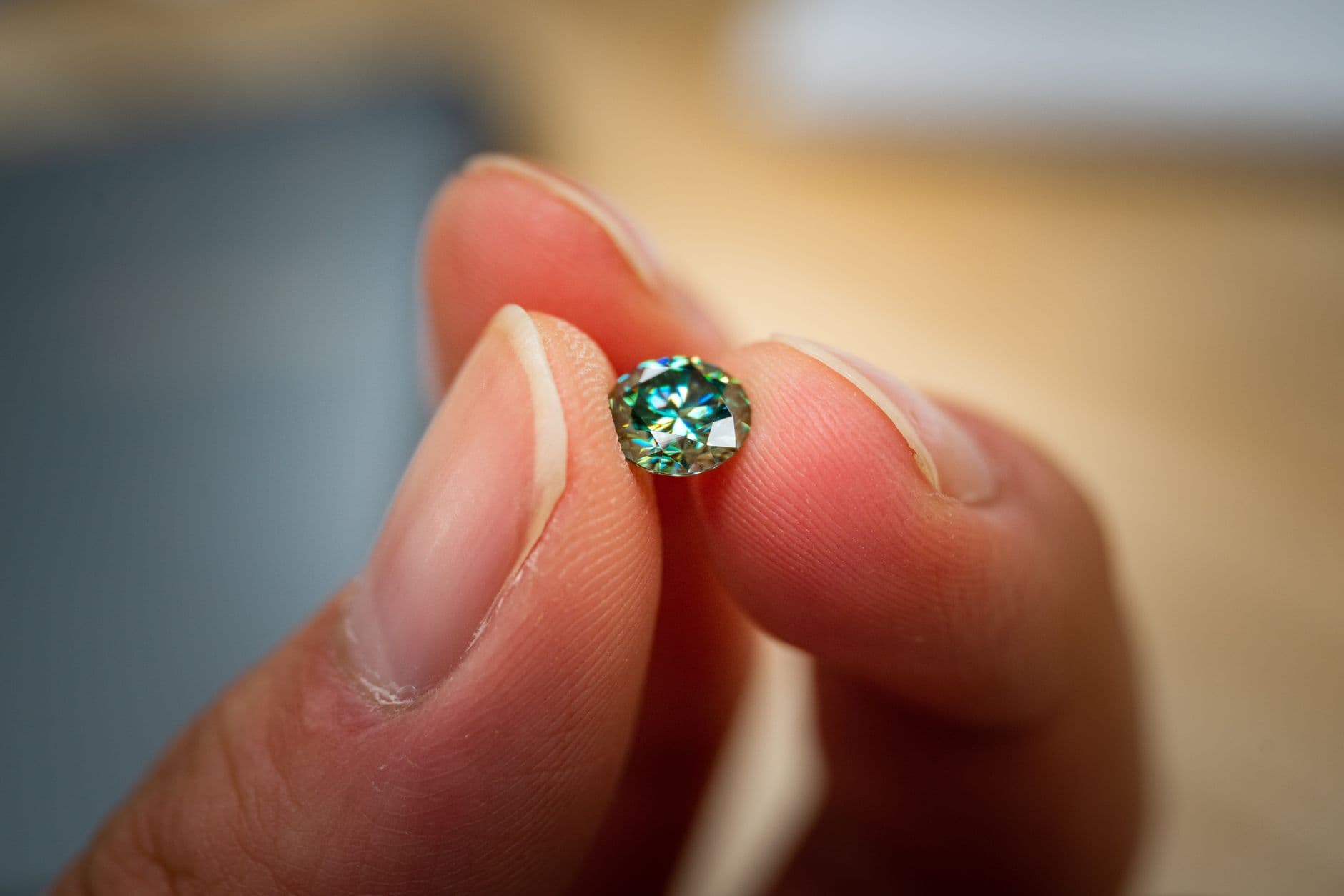
Fancy colors follow the opposite logic. The strongest, most saturated colors are the rarest and most valuable, so the visual goal is not to minimize color but to intensify it.
Why GIA’s system still shapes buying decisions
The D-to-Z scale gave the diamond trade a single standard at a moment when inconsistent grading systems made comparison difficult, and it still anchors how people talk about diamond color across markets. The 4Cs created by GIA in the 1950s still organize laboratory reports and shape how buyers think about value.
A shopper comparing an engagement ring is usually trying to maximize the look of whiteness and brilliance within a budget. A collector choosing a colored stone may be looking for a fancy color that is vivid enough to stand apart from every white stone around it.
This article was produced by Prism’s automated news system from verified source data, official records, and press releases, then run through automated quality and moderation checks before publishing. The system is built and supervised by the people who set the standards it runs under. Read our full AI policy.
Did this article answer your question?