Khepri Jewels bets on fancy-color diamonds as retailers seek distinction
Khepri Jewels built its pitch around stones the Rapaport list cannot easily price, and retailers in Las Vegas were lining up for that difference.
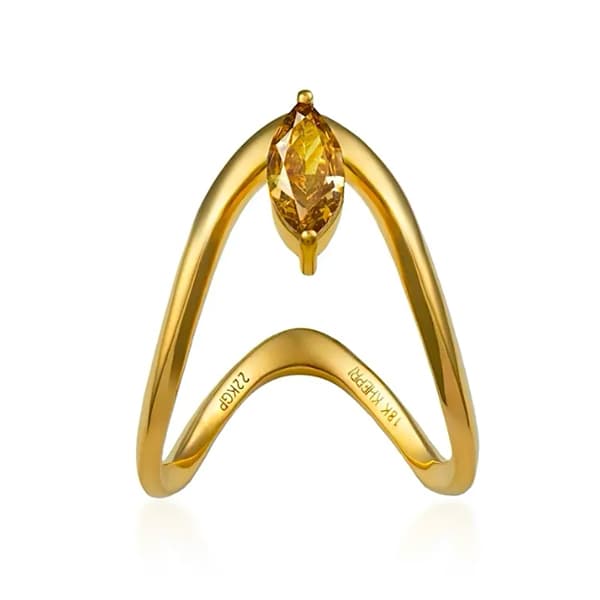
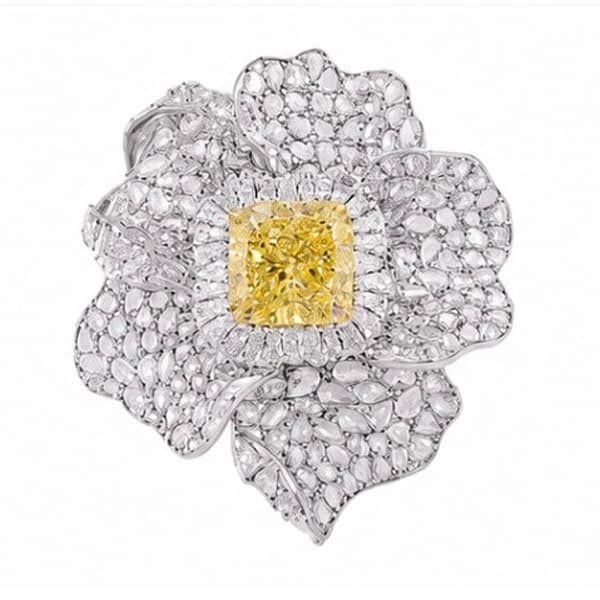
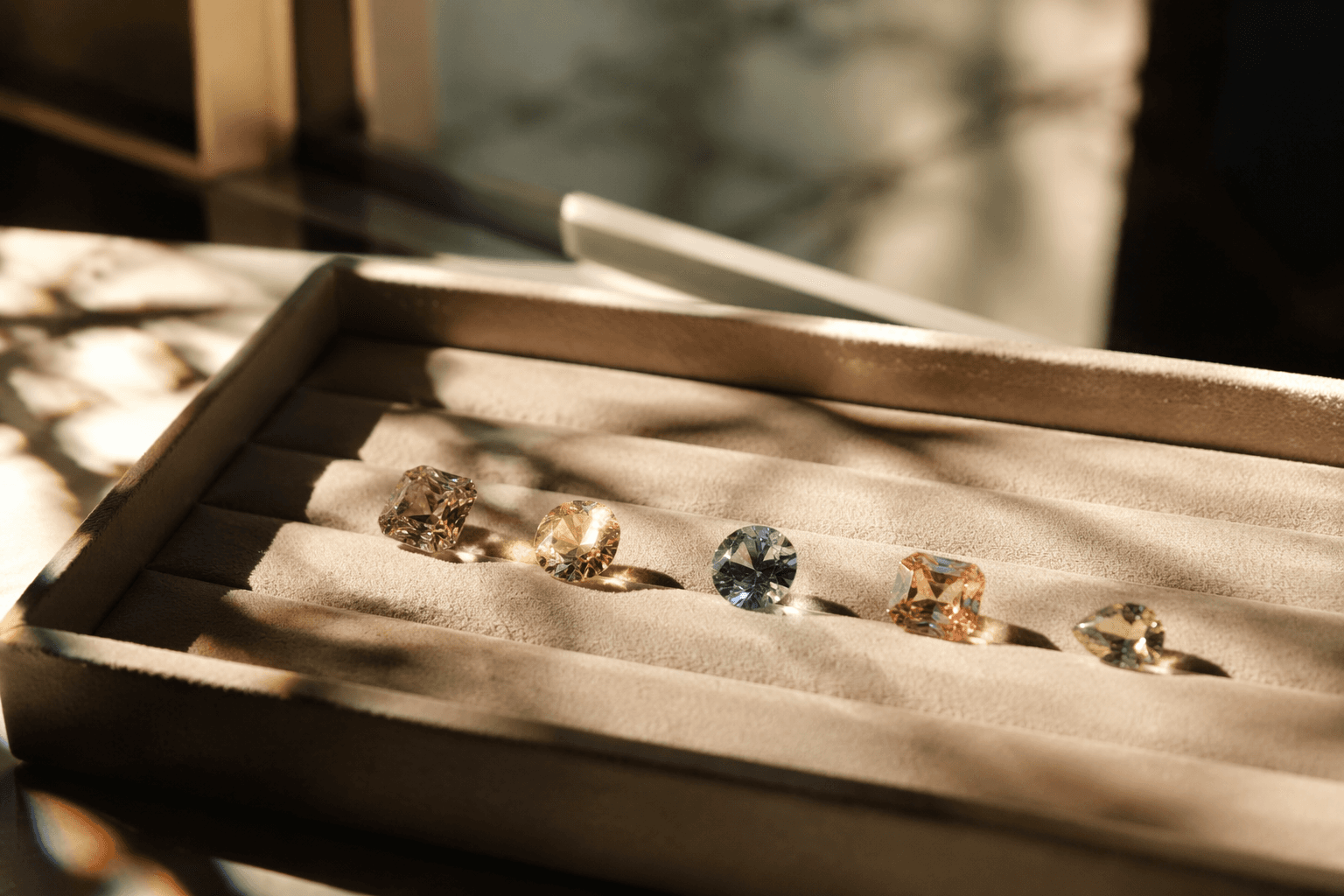
At Luxury in Las Vegas, Reema Chopra brought no white diamonds at all. The founder of Khepri Jewels said she had no interest in fighting lab-grown stones in the commodity end of the market, and instead steered buyers toward natural fancy-color diamonds in unusual shapes, the kind of inventory that can sit outside the standard white-diamond price game.
Chopra’s pivot started in 2016, when she was a former banker and a recent GIA graduate selling diamonds to retailers. A mentor pushed her to “focus on the diamonds you can’t find on a list,” and that advice helped shape the company she founded in 2023. Khepri now centers on natural fancy-color stones and fancy shapes, which Chopra described as “diamonds the market can’t put a price on.”
That claim has an obvious appeal in a market where color, rarity and shape matter more than carat-for-carat comparisons. GIA says the most prized fancy-color hues are red, pink, blue and green, and that color is the dominant value factor. The laboratory also notes that fancy shapes can intensify color, which helps explain why unconventional cuts can look especially sharp in this niche. Even stones under a carat can command serious money, while larger fancy-color diamonds are rarer and more valuable still.
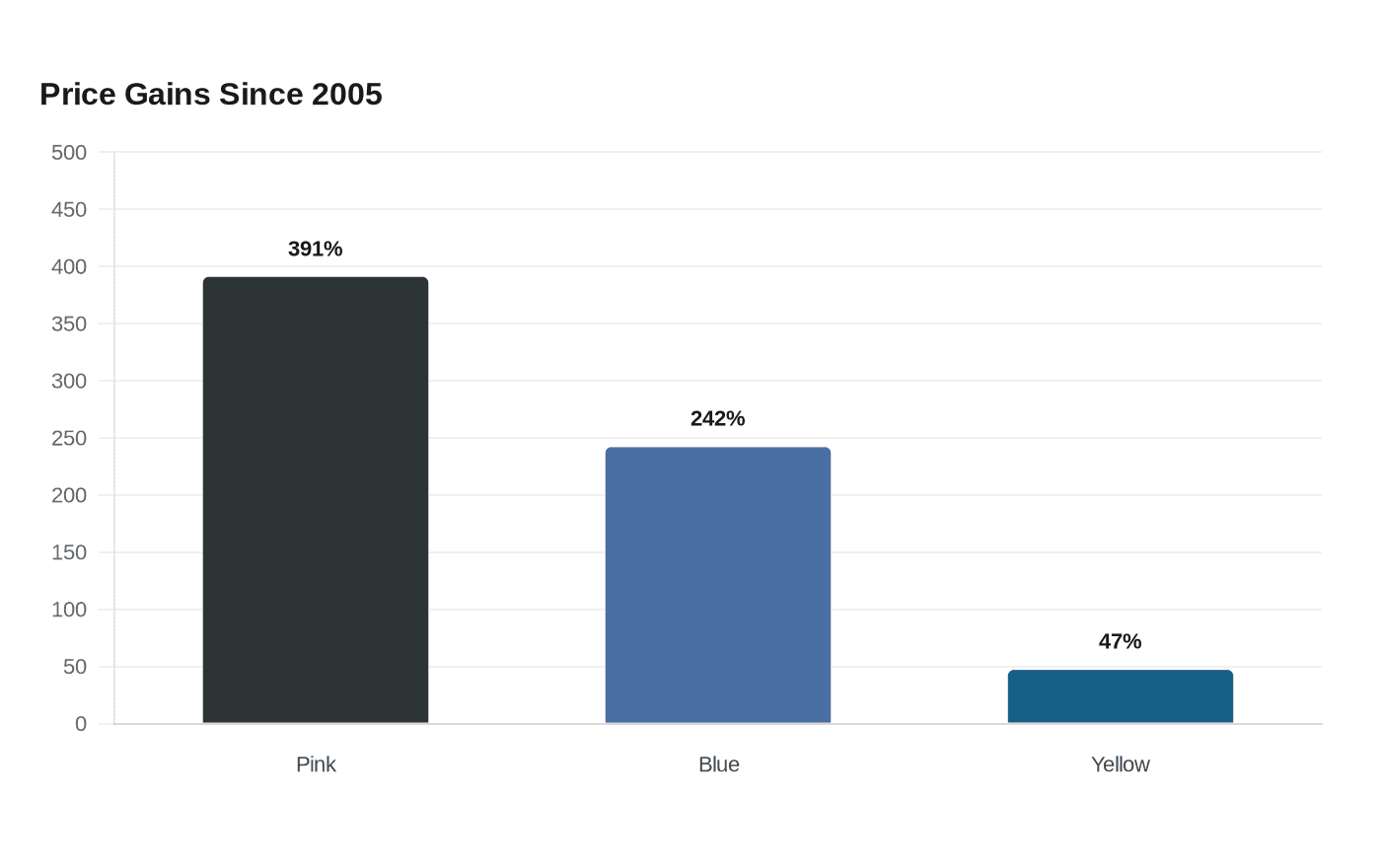
The pricing backdrop looks stable, not wild. The Fancy Color Research Foundation said fancy-color diamond prices slipped just 1% in 2025 overall, a move it framed as steadiness rather than volatility. Over a longer stretch, the category has still delivered serious gains since 2005, with pink diamonds up 391%, blue diamonds up 242% and yellow diamonds up 47%. For retailers, that combination of scarcity and long-term appreciation leaves room for a premium that commodity white stones often cannot support.
That pitch landed at a moment when buyers were already hunting for alternatives. At the June 2026 shows in Las Vegas, retailers were shopping for colored gemstone designs, customization, yellow gold jewelry and lab-grown stones for 2-carat-plus engagement rings. The Natural Diamond Council has also pointed to the pressure on lab-grown pricing, noting that a 1.5-carat lab-grown diamond has lost 83% of its value over the past nine years.
For Chopra, the choice to leave white diamonds at home was not a weakness in the booth; it was the point. As lab-grown competition squeezes the natural white-diamond middle, fancy-color stones and unusual shapes are becoming a cleaner bet for retailers who want something they can sell on story, scarcity and margin, not just size.
This article was produced by Prism’s automated news system from verified source data, official records, and press releases, then run through automated quality and moderation checks before publishing. The system is built and supervised by the people who set the standards it runs under. Read our full AI policy.
Know something we missed? Have a correction or additional information?
Submit a Tip