Luxury splits into value and larger natural diamond camps at JCK
Gold’s surge has split Luxury by JCK into two clear camps: accessible designer pieces for value seekers and larger natural diamonds for the clients still trading up.
Split market, not a single luxury mood
Luxury by JCK opened with a market that no longer behaves as one. The sharp rise in gold has pushed many designers toward accessible price points, while diamond-centric brands are leaning harder into larger natural stones for affluent clients who are still spending. That divide is the clearest sign yet that high jewelry is no longer being sold with one message, but with two very different propositions: entry and upgrade, restraint and heft.
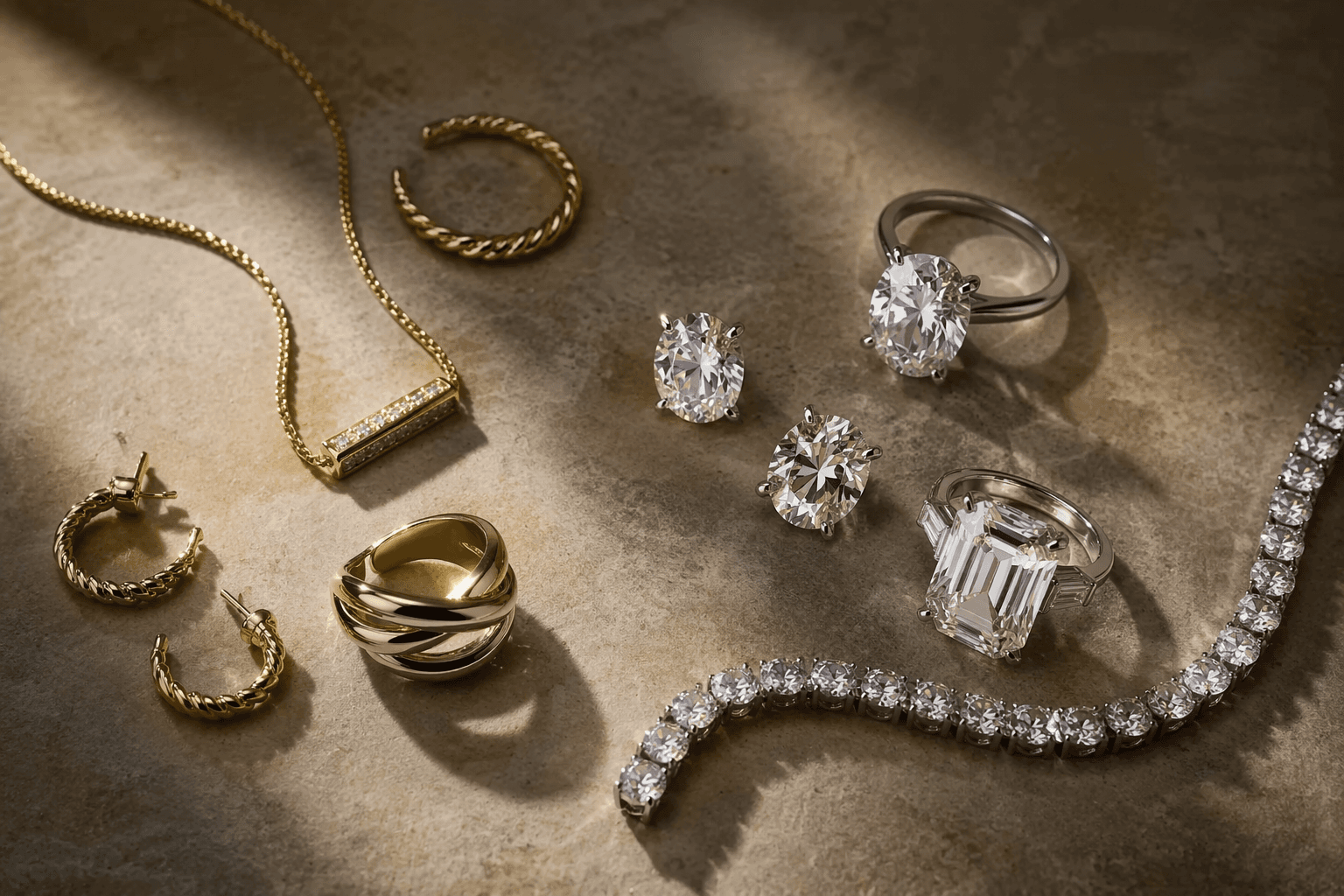
Last year’s Luxury show told a different story. Gold had peaked around $3,200, and buyers largely leaned in. This year, the precious metal’s continued climb has made strategy more defensive and more selective. At one end of the room are brands building around value-conscious self-purchasers; at the other are houses treating natural diamonds as the antidote to uncertainty, using size, rarity, and unmistakable visual presence to justify the spend.
Why gold matters more than usual
Gold is not just a backdrop to the season, it is the pressure point shaping it. JCK reported in spring 2026 that gold had risen 65% over 2025, and analysts were still warning that the metal could keep climbing. Some forecasts pointed above $5,000, with a few scenarios approaching $6,000, which explains why exhibitors arrived at Luxury with pricing, assortment, and storytelling under strain.
That kind of move changes the conversation around diamond jewelry. When metal costs rise that aggressively, even a simple setting becomes more consequential. Bezels, prongs, and delicate mountings all carry different cost implications, and brands are responding by editing their offerings, simplifying construction, or shifting emphasis to the stone itself, where the value proposition is easier to defend. In a market like this, jewelry is rarely just about sparkle. It is about how much visible luxury can be delivered without letting the setting overwhelm the retail price.
The two-camp strategy on the floor
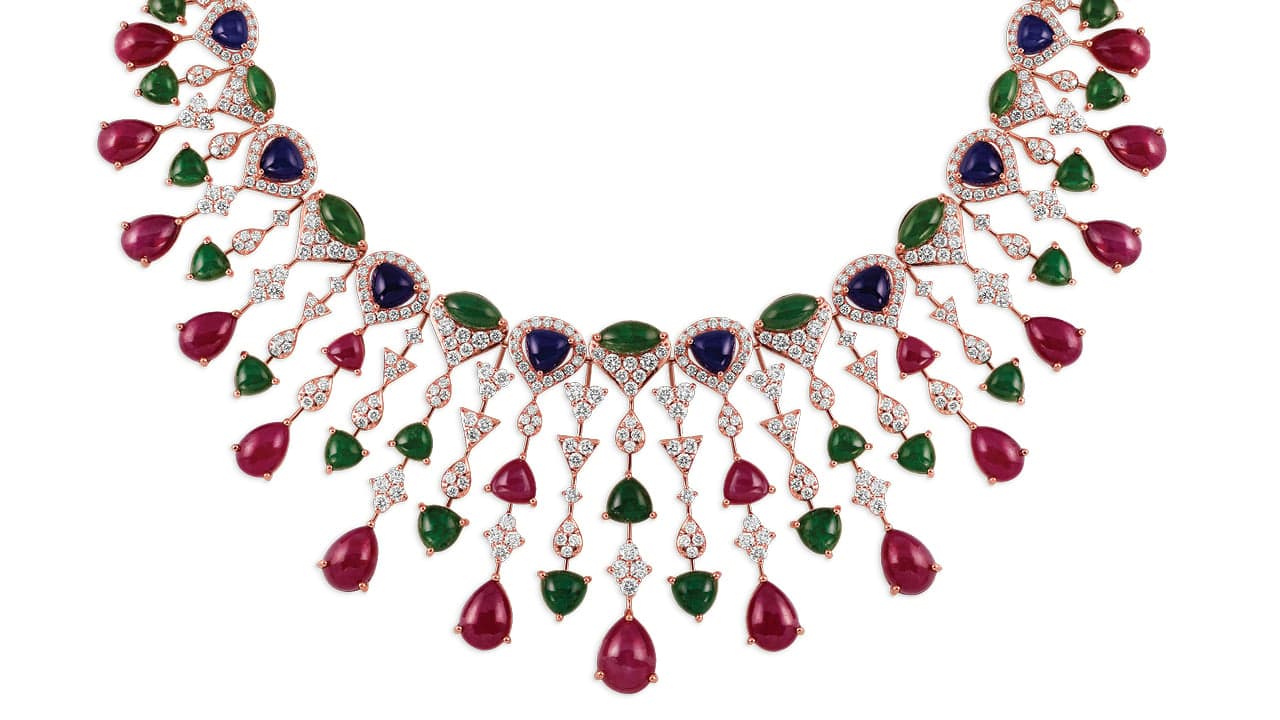
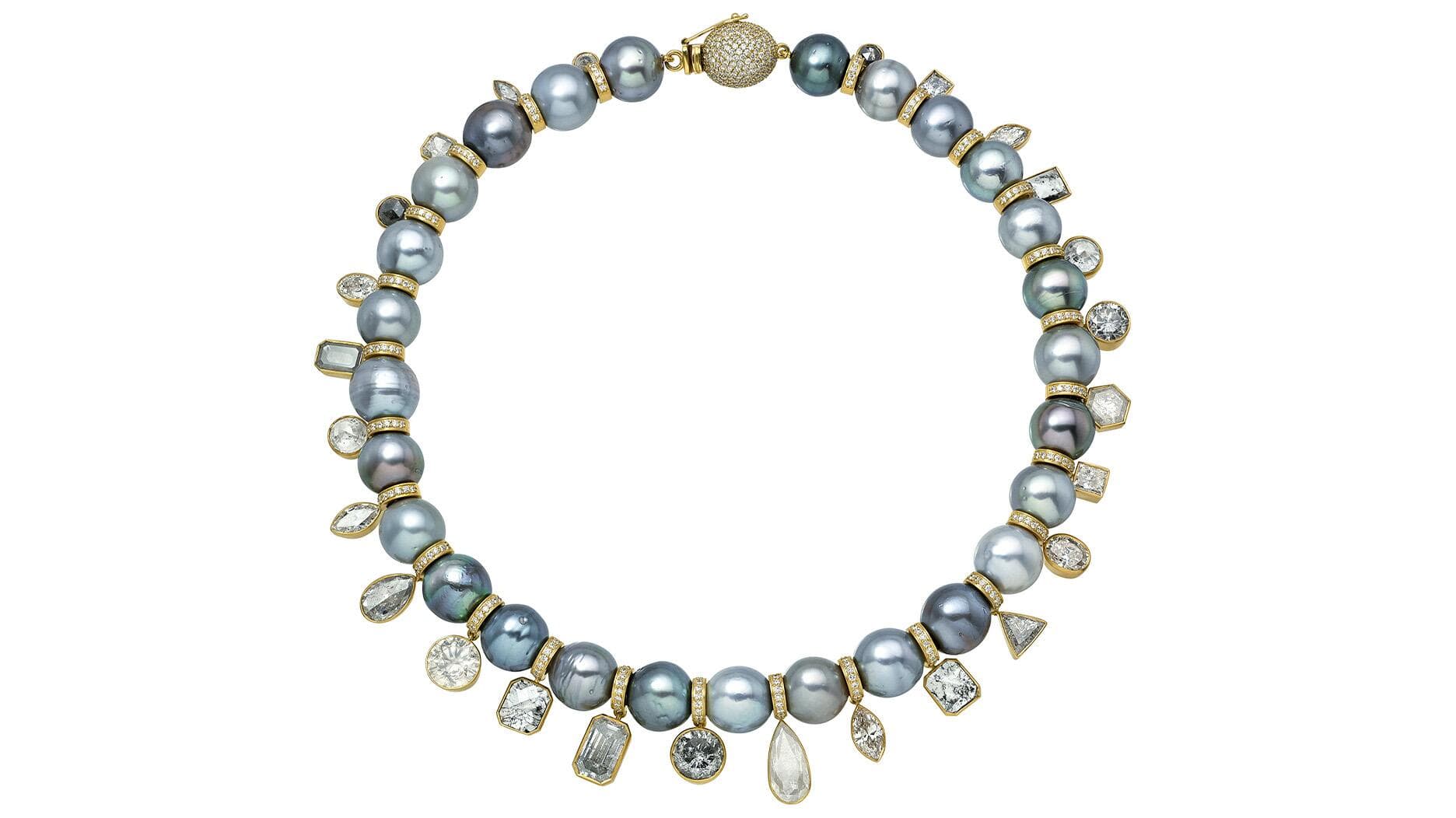
The strongest lesson from Luxury is that the diamond market is polarizing by design. JCK’s show coverage described the split plainly: designer-led brands are serving shoppers who want something attainable and wearable now, while bigger diamond players are betting that affluent buyers still want large, natural stones. Those are not merely different budgets, they are different emotional contracts with the customer.
The value-minded camp is leaning into accessibility because it has to. If gold is expensive, the winning pieces are the ones that preserve elegance without excess metal weight. Think slimmer profiles, cleaner lines, and designs that can be bought as a first serious piece rather than a once-in-a-decade acquisition. The natural-diamond camp, by contrast, is selling continuity and permanence. Larger stones read as inventory with presence, and in a volatile market they offer a kind of visual certainty that price-sensitive categories cannot.
Luxury’s buying environment is part of the product
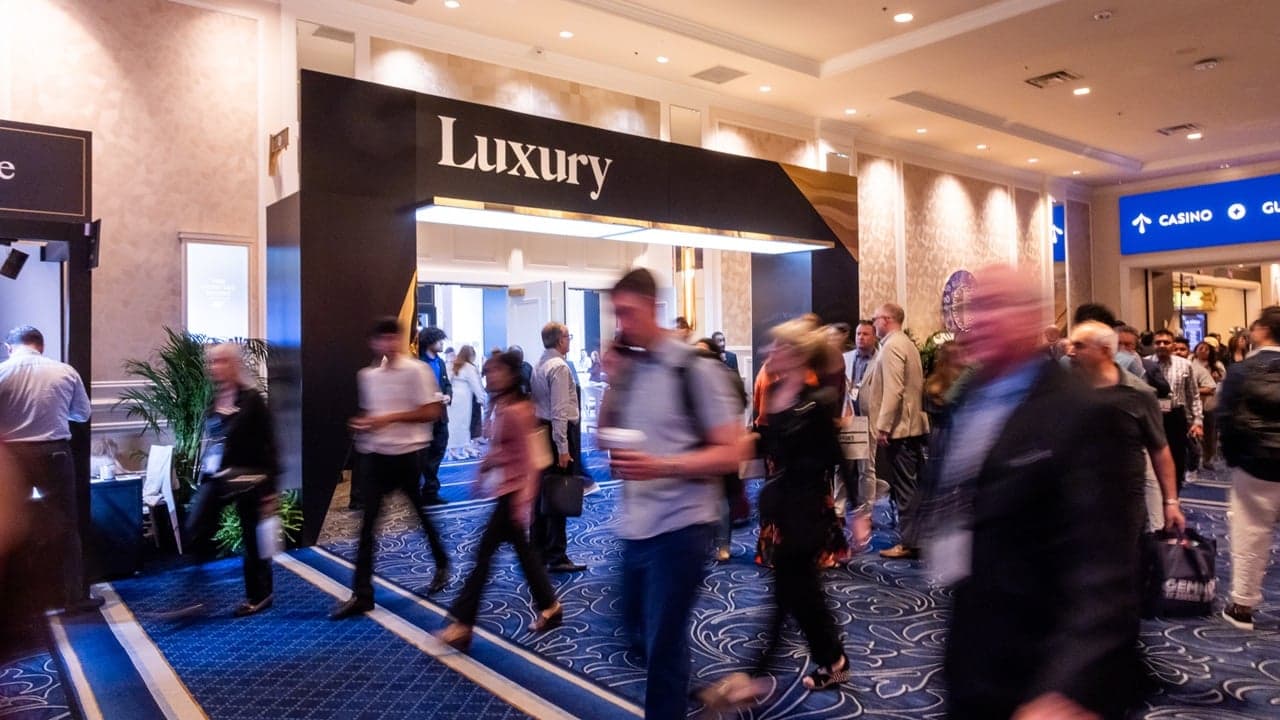
Luxury is invitation-only, and that matters as much as the jewelry itself. The event ran May 27-28, 2026, at The Venetian in Las Vegas, preceding the broader JCK show that follows from May 29 to June 1, 2026. JCK describes Luxury as a secure, curated buying environment with access to more than two thousand vetted retail buyers, which helps explain why brands use it to test higher-end assortment and sharper positioning.
That audience changes the tone of the room. It is not a mass-market trade show floor, and it is not trying to be. Instead, Luxury functions as a concentrated sales channel where a brand can present a diamond line with more confidence, more intimacy, and more control over how the pieces are handled. For high jewelry, that setting matters: a large natural stone looks different when presented as an object of connoisseurship rather than as a line item in a broad assortment.
What the larger diamond story says about demand
The appetite for bigger natural stones is not happening in a vacuum. CNBC reported in March 2026 that wealthy consumers were increasingly buying jewelry as a tangible store of value amid volatility. That helps explain why the upper end of the market still has heat, even as broader luxury spending becomes more cautious. Jewelry is emotional, but it is also increasingly treated as portable wealth.
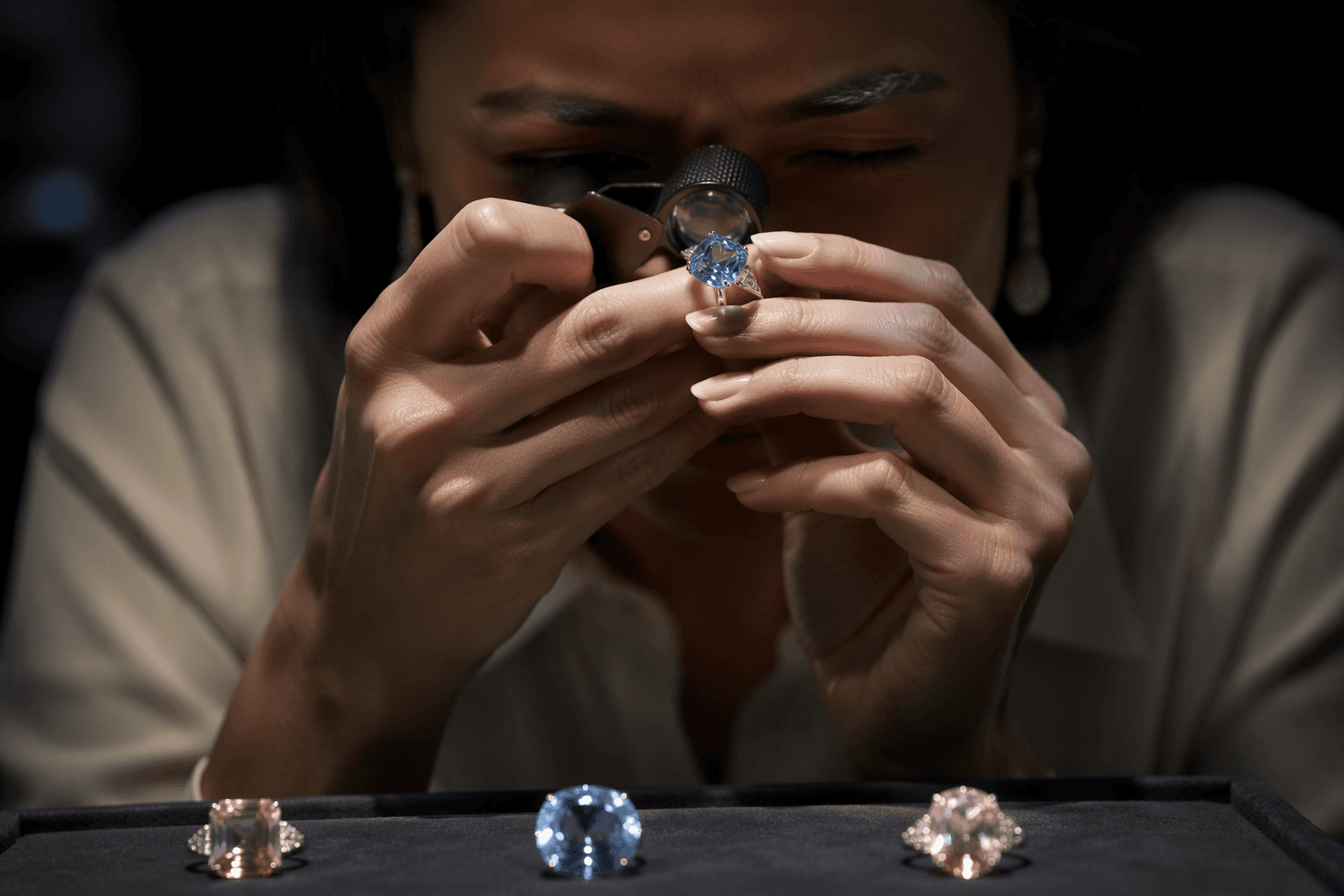
That shift favors diamonds with strong material identity. Natural stones still carry the strongest symbolism in this part of the market because they combine rarity, durability, and a sense of legacy that is hard to replicate. For affluent buyers, especially those already comfortable with gold prices, a larger natural diamond can feel less like conspicuous consumption and more like a concentrated form of value. It is a purchase that can be worn, inherited, and understood instantly.
Couture sharpens the contrast
The wider Las Vegas jewelry week adds another layer to the split. Alongside JCK and Luxury sits the Couture Show, which Forbes previewed as bringing roughly 350 jewelry designers and luxury brands into the city. That concentration of talent reinforces how segmented the high-end jewelry business has become. One show may lean toward broad trade access and buying efficiency, while another emphasizes design-driven luxury and collector appeal.
The overlap is revealing. Together, these events show a market that is not collapsing into one dominant aesthetic or one price band. Instead, the industry is building separate lanes for different kinds of desire. Some buyers want a considered, accessible piece that reflects the cost discipline of the moment. Others want size, rarity, and the unmistakable authority of a large natural diamond. Both impulses are real, and both are shaping the season.
What to watch in diamond jewelry now
For anyone tracking diamond jewelry as craft rather than commodity, the current split is useful to understand. It reveals where brands believe value lives right now.
- In the value camp, expect tighter metal use, cleaner silhouettes, and designs that keep entry points within reach without sacrificing polish.
- In the natural-diamond camp, expect larger center stones, bolder proportions, and a stronger emphasis on rarity as the reason to buy.
- Across both camps, expect gold pricing to keep influencing every decision, from setting weight to the way collections are merchandised.
Luxury by JCK is ultimately showing that diamond jewelry is being pulled in two directions at once. The middle is thinner, the messaging is more specific, and the brands that understand the split are the ones most likely to hold attention. In a season defined by gold pressure and volatile confidence, clarity of audience has become its own kind of luxury.
This article was produced by Prism’s automated news system from verified source data, official records, and press releases, then run through automated quality and moderation checks before publishing. The system is built and supervised by the people who set the standards it runs under. Read our full AI policy.
Know something we missed? Have a correction or additional information?
Submit a Tip