Natural Diamond Council challenges Pandora's carbon-footprint claims on lab-grown diamonds
The Natural Diamond Council accused Pandora of using outdated data and a misleading 90% comparison to market lab-grown diamonds as the low-carbon choice.
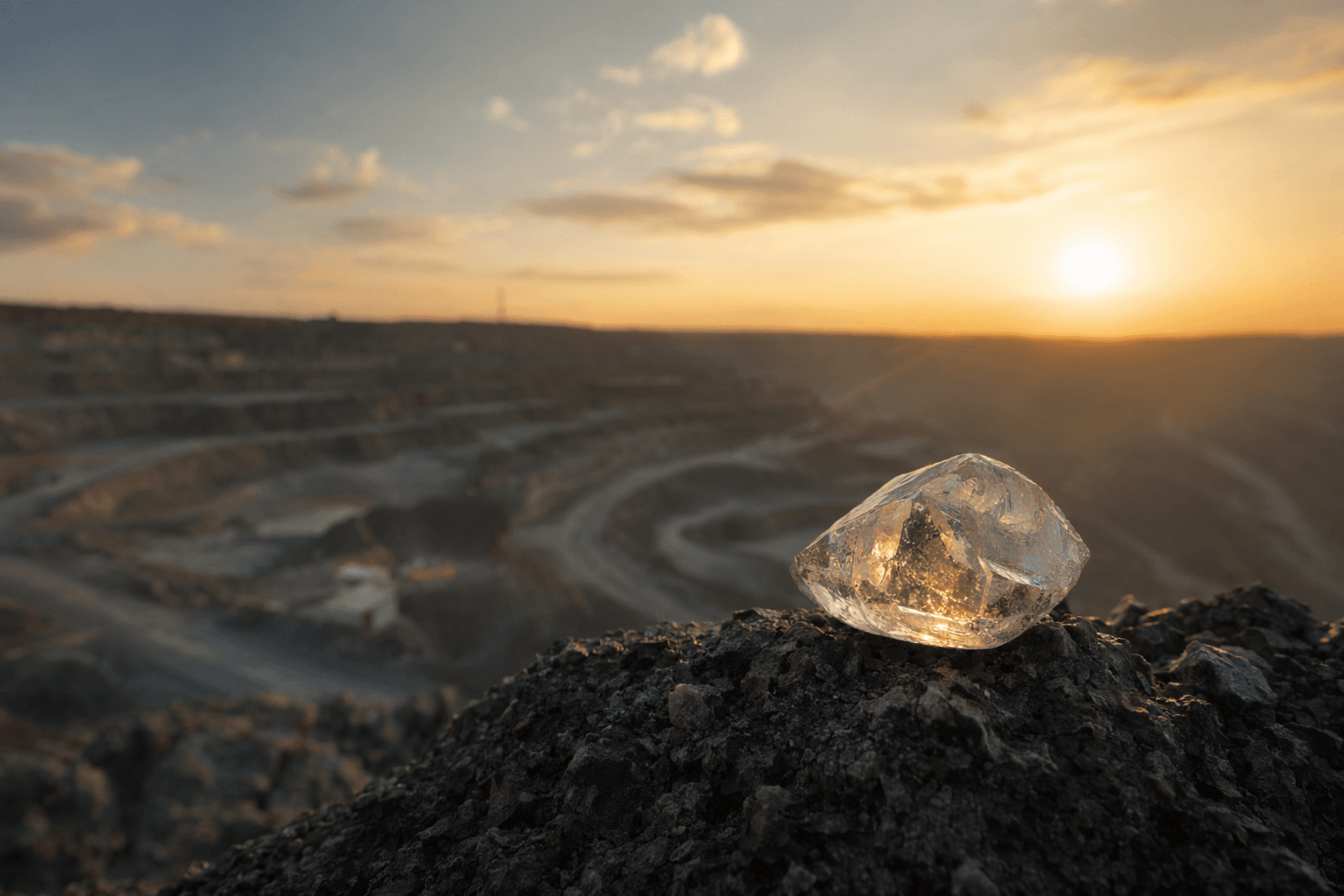
Pandora’s new carbon label for lab-grown diamonds has already become the industry’s latest credibility test. The Natural Diamond Council pushed back against the company’s claim that a one-carat Pandora lab-grown diamond carries 12.58 kg of CO2e emissions, about 90% less than a mined stone of the same size, and argued that the comparison misleads consumers at a moment when sustainability has become a selling point, not a side note.
Pandora announced the label on May 6, 2026, alongside its first-quarter results, saying it would add carbon-footprint data to each lab-grown diamond under a new “5th C.” The company said the stones are chemically, optically, thermally and physically identical to mined diamonds, produced with 100% renewable electricity, and set in jewelry made from 100% recycled silver and gold. Pandora said the footprint figures were calculated by external life-cycle assessment experts and verified by EY, and that it intended the label to help shoppers compare the climate impact of diamond jewelry. The company also said lab-grown diamond sales fell 15% year over year in the quarter and made up about 1% of total sales, with the category sold in the United States, United Kingdom, Canada, Australia, New Zealand and Denmark.
The Natural Diamond Council answered with an open letter to Pandora chief executive Berta de Pablos-Barbier around May 8, calling the campaign “another disappointing PR stunt that unfairly attacks the natural diamond industry to promote synthetic diamonds.” The council said Pandora’s framing was “misleading” because it leaned on natural-diamond data in some cases dating back to 2013 and treated a limited study as if it spoke for the entire mined-diamond sector. It also accused Pandora of failing to distinguish between a factory-made product that can be produced in virtually unlimited quantities and a rare, finite product of nature.
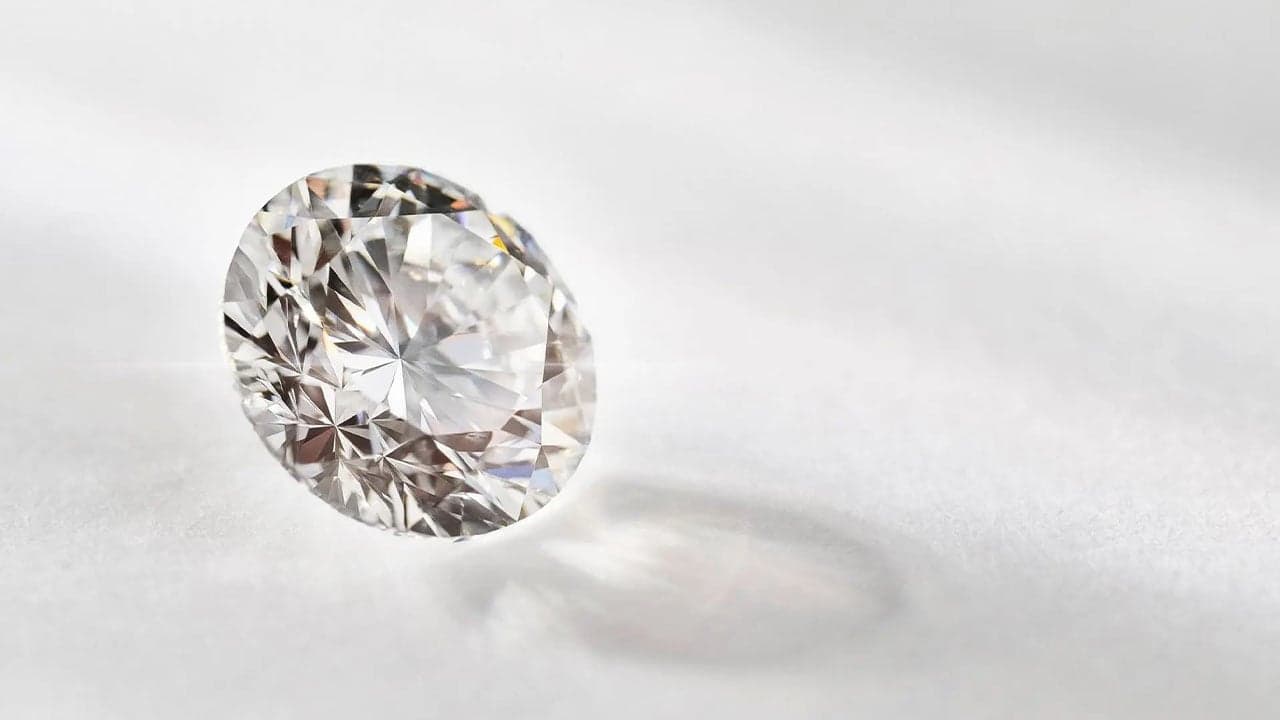
The clash revives an argument Pandora tried to settle when it stopped using mined diamonds in 2021. That switch prompted a coordinated response from the Responsible Jewellery Council, World Diamond Council, CIBJO, the Natural Diamond Council and the International Diamond Manufacturers Association, all of which called on Pandora to retract claims that lab-grown diamonds were the ethical choice over natural stones. Then-NDC chief executive David Kellie called Pandora’s positioning “very misleading.”
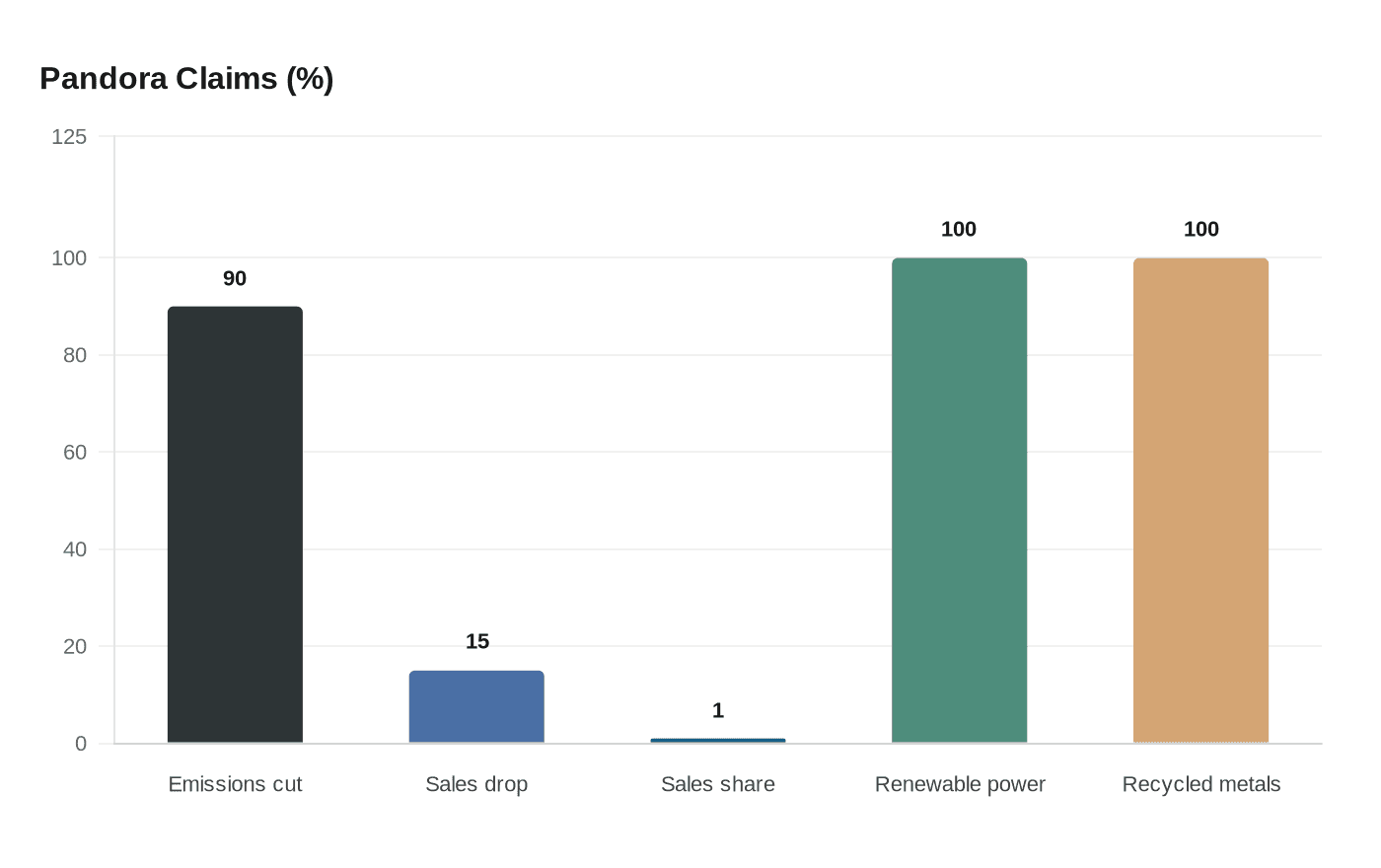
The methodological fight is just as important as the marketing one. Pandora based its 90% comparison on a 2019 study commissioned by the Diamond Producers Association, now the Natural Diamond Council, even as it says it also commissioned its own third-party research. The NDC said Pandora’s use of older data distorted the picture, while Pandora’s own carbon disclosure campaign now places a measurable number on a category still fighting for consumer trust. For jewelry marketers, the dispute is not only about diamonds; it is about who gets to define sustainability in a category where the difference between transparency and spin can reshape retail positioning overnight.
This article was produced by Prism’s automated news system from verified source data, official records, and press releases, then run through automated quality and moderation checks before publishing. The system is built and supervised by the people who set the standards it runs under. Read our full AI policy.
Did this article answer your question?