Stuller leaders say natural and lab-grown diamonds are both thriving
Danny Clark and Belit Myers say the diamond market is widening, with lab-grown and natural stones pulling different buyers into the same case.
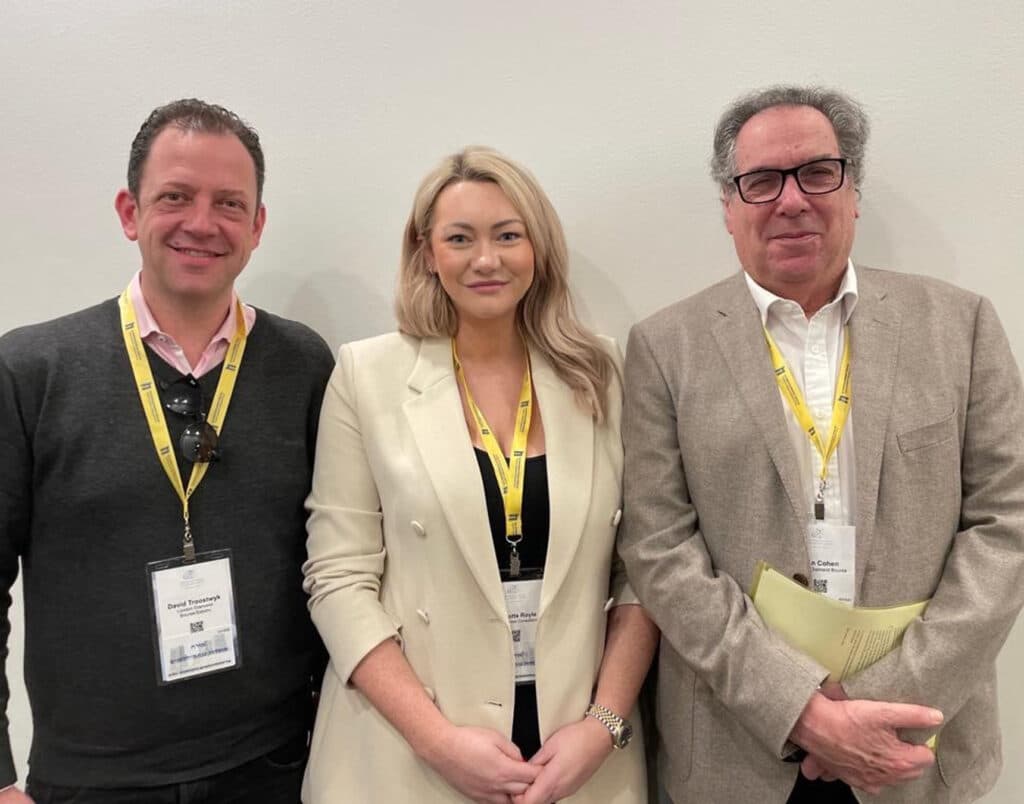
Danny Clark and Belit Myers are betting on a diamond market that is getting bigger, not splitting in two. On Rapaport’s podcast, the newly installed Stuller CEO and president argued that natural and lab-grown stones were both drawing customers into the category, a view that matched a blunt retail reality: shoppers are increasingly choosing the stone that fits the moment, the budget and the values they want to carry home.
The episode, “Why Natural and Lab-Grown Are Both ‘Thriving,’” was recorded on February 27 and published on May 5. Clark had taken over as chief executive on January 1, 2026, when Matt Stuller became executive chairman. Myers moved from chief operating officer to president the same day, after joining Stuller in 2002 and rising to COO in 2023. That leadership shift gave the conversation unusual weight, because the people making the case were now the ones steering one of the industry’s key suppliers.
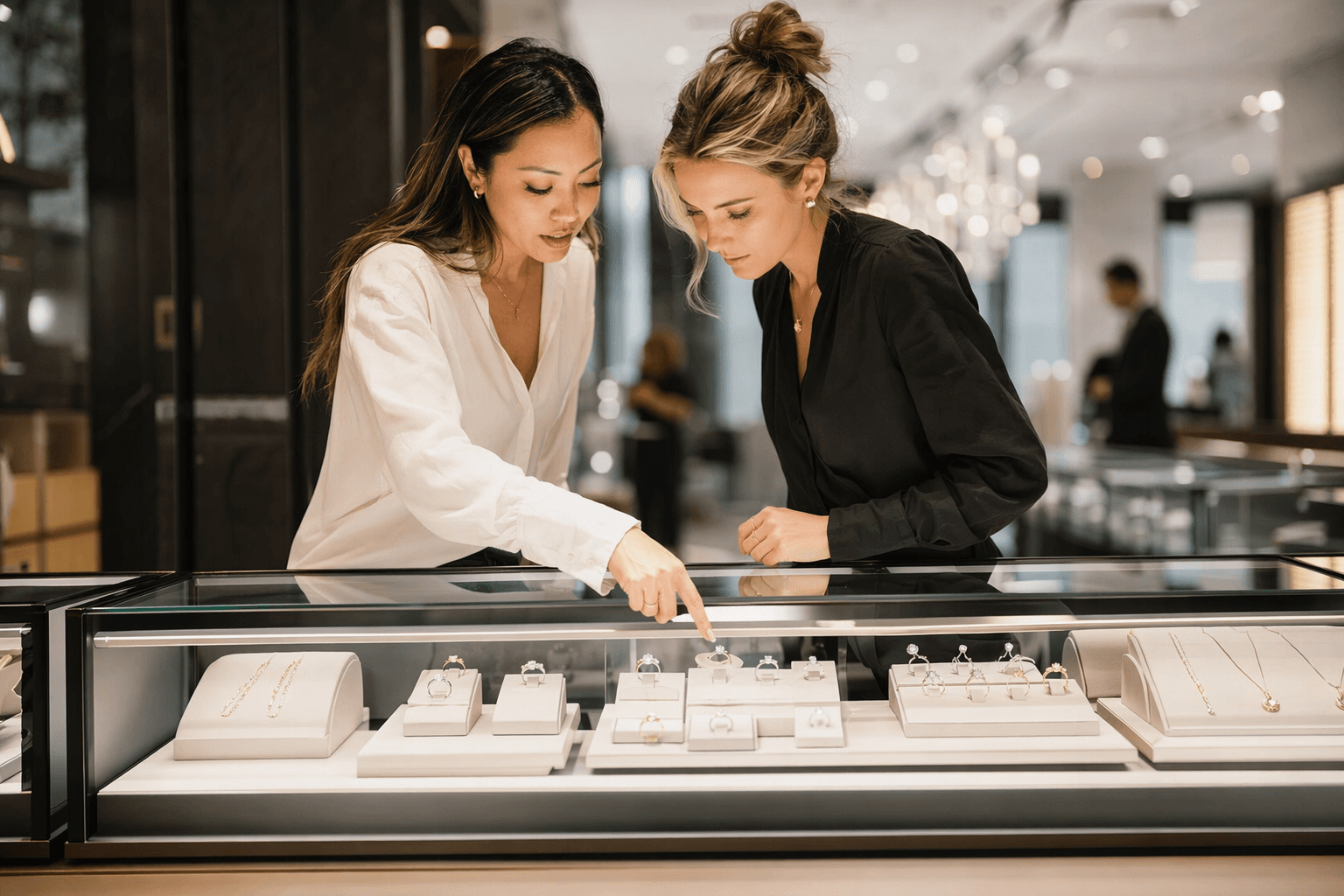
Their message was that retailers should stop treating the categories as a zero-sum fight. Stuller’s position was that both sides can sell well if stores manage assortment, service and just-in-time inventory carefully. In practice, that means building cases that can speak to different buyers at different price points, rather than forcing every customer toward the same answer.
The broader market has been pulling in that direction. JCK reported in 2025 that 6 out of 10 engagement rings featured lab-grown diamonds, and that 40% of couples said it was important that their stone be lab-grown. That is not a niche signal anymore. It suggests a sales floor where lab-grown stones are not a side category, but part of the main conversation, especially for shoppers weighing size against budget.
At the same time, natural diamonds are still anchored by scarcity and provenance. De Beers took the opposite strategic path from lab-grown expansion, saying on May 8, 2025, that it intended to close Lightbox, the lab-grown jewelry brand it launched in 2018 with transparent pricing of $800 per carat. In its 2024 Origins strategy, De Beers said global natural-diamond supply was declining and that consumers were increasingly distinguishing between natural and lab-grown stones. That split in corporate strategy says as much as any sales chart: the market is not converging, it is widening.
For retailers, that widening is the point. Natural diamonds can speak to rarity, heritage and long-term value; lab-grown stones can open the door on size, style and budget. The winning store, Clark and Myers suggested, is the one that can carry both conversations without forcing customers to pick a side before they are ready.
This article was produced by Prism’s automated news system from verified source data, official records, and press releases, then run through automated quality and moderation checks before publishing. The system is built and supervised by the people who set the standards it runs under. Read our full AI policy.
Did this article answer your question?