U.S. study: natural diamonds remain top luxury jewelry choice
Natural diamond jewelry kept the luxury lead, with 11% of U.S. women ranking it first and average purchase values climbing to $4,063.

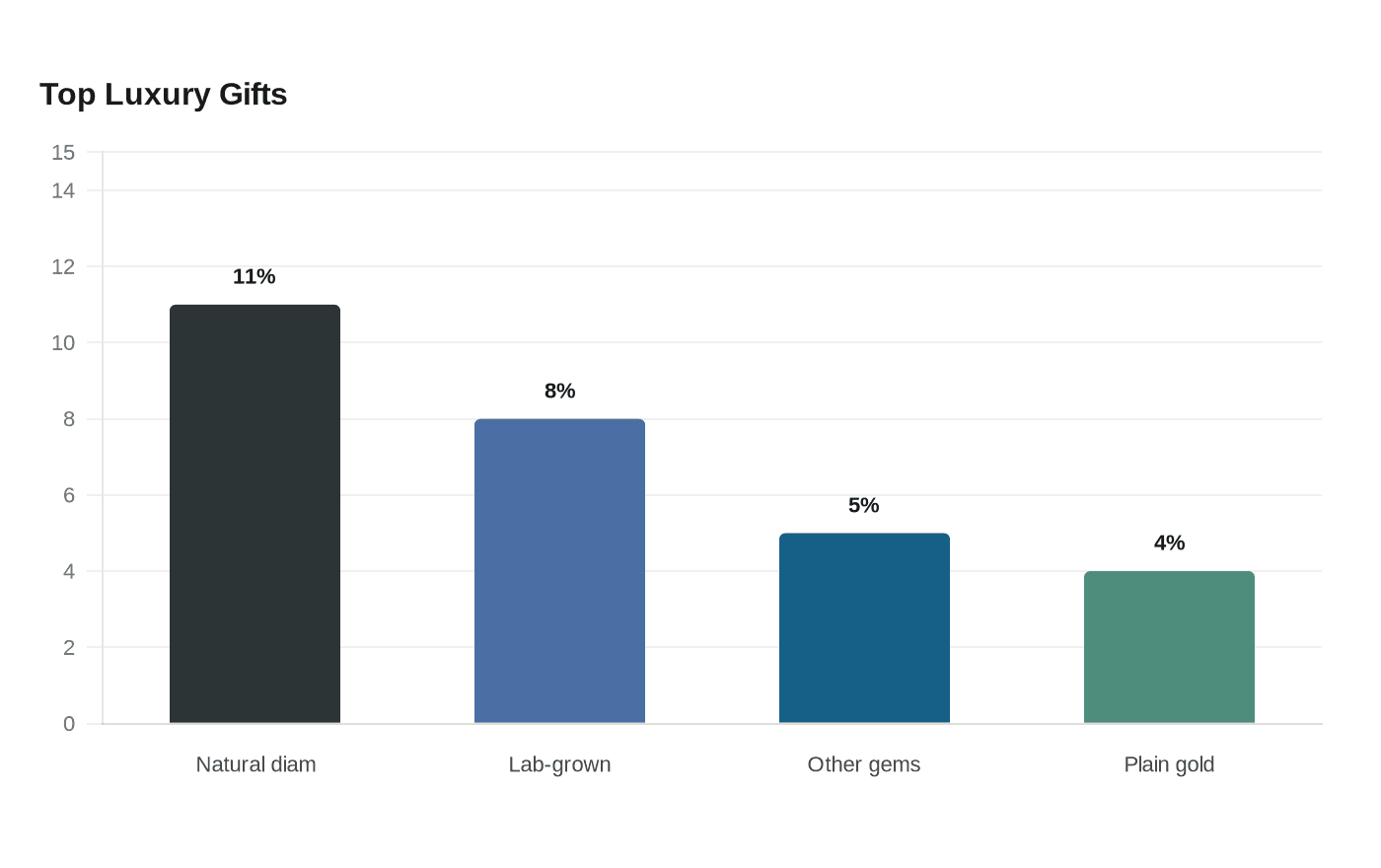
Natural diamonds kept their hold on the U.S. luxury market, even as lab-grown stones continued to carve out a separate lane. In De Beers Group’s latest U.S. Diamond Acquisition Study, 11% of women named natural diamond jewelry their top luxury gift, ahead of 8% for synthetic lab-grown diamonds, 5% for other gemstones and 4% for plain gold jewelry.
The numbers point to a shopper who is spending more, and buying bigger. The study, based on 18,500 women ages 18 to 74 across the United States, found that average spending on a natural diamond purchase rose 25% to $4,063 in 2025 from $3,242 in 2023. Average stone size also moved up, from 1.65 carats to 1.86 carats, while the natural-diamond acquisition rate edged higher to 9% from 8% two years earlier.
Gen Z is now central to that story. De Beers said younger women have become the second-largest generation buying diamonds, and they are spending nearly as much as many legacy luxury customers expect of a bridal buyer. Gen Z women spent an average of $4,080 per natural-diamond purchase, compared with $2,250 for baby boomers. That gap suggests the category is no longer defined only by milestone rings or inherited taste, but by a younger shopper willing to pay for scale, sparkle and personal meaning.
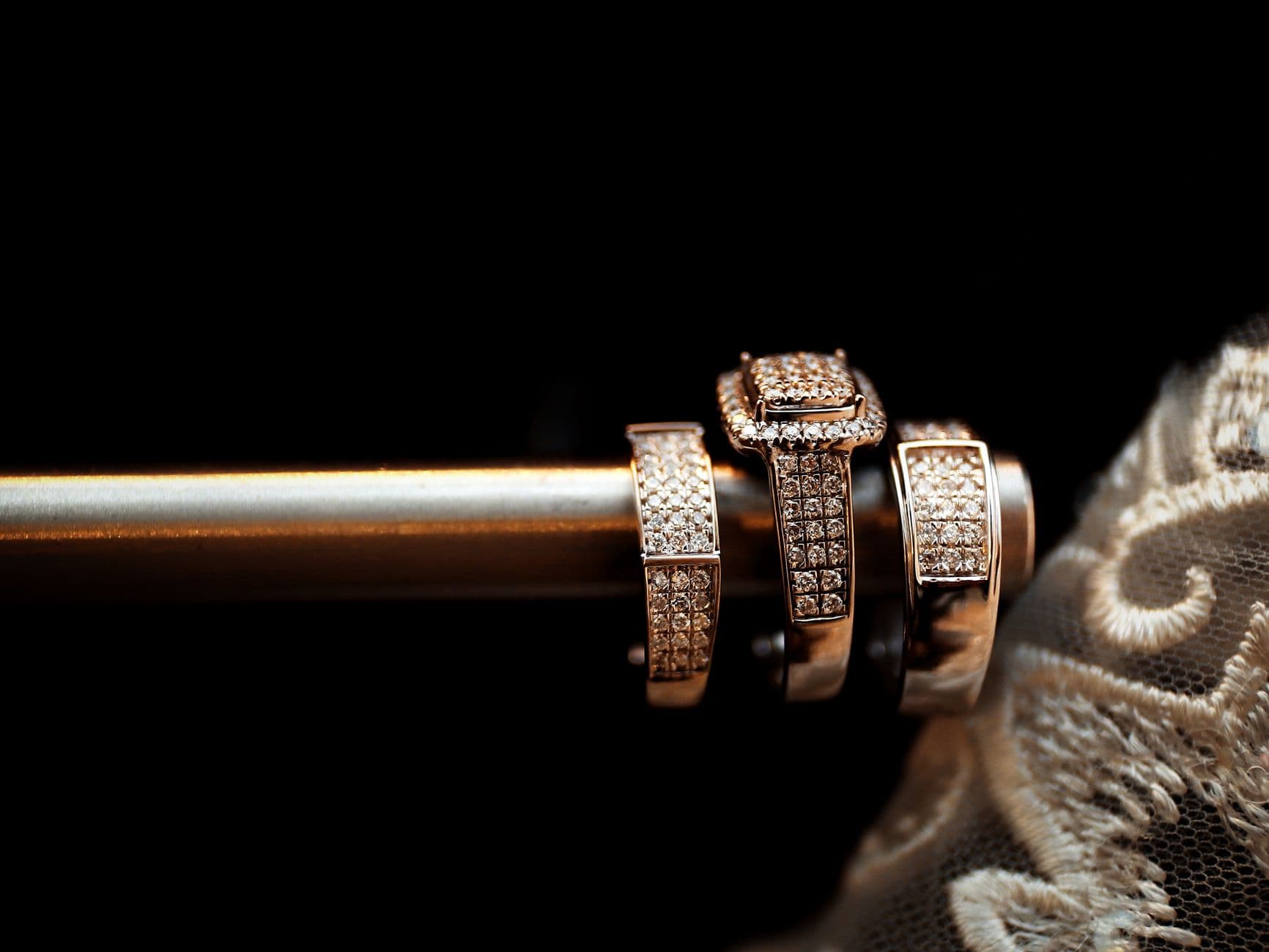
The clearest shift is away from the engagement counter. Bridal purchases accounted for just 25% of U.S. natural-diamond demand, meaning three-quarters of demand came from non-bridal occasions. Within that, gifting made up 44% of sales and self-purchases 31%, a retail mix that rewards stores able to sell beyond the proposal. For jewelers, that means more attention to pieces that work as presents and personal rewards, and less dependence on a single life event to drive volume.
That premium positioning still matters at the counter. Independent U.S. jewellers’ diamond sales value was 85% natural diamonds in 2025, compared with 15% for lab-grown stones, underscoring a market split that has become increasingly visible: lab-grown diamonds dominate the value conversation at the lower end, while natural stones continue to anchor higher-ticket sales. De Beers’ findings suggest the strongest opportunity now lies where sentiment, size and spend intersect, in natural diamond jewelry that feels less like a category and more like a declaration.
This article was produced by Prism’s automated news system from verified source data, official records, and press releases, then run through automated quality and moderation checks before publishing. The system is built and supervised by the people who set the standards it runs under. Read our full AI policy.
Know something we missed? Have a correction or additional information?
Submit a Tip