Vogue spotlights one-and-done bridal rings, a bold shift in diamond style
A single bridal ring is replacing the stack, reflecting minimalism, comfort and a sharper appetite for personal symbolism.
The new bridal logic
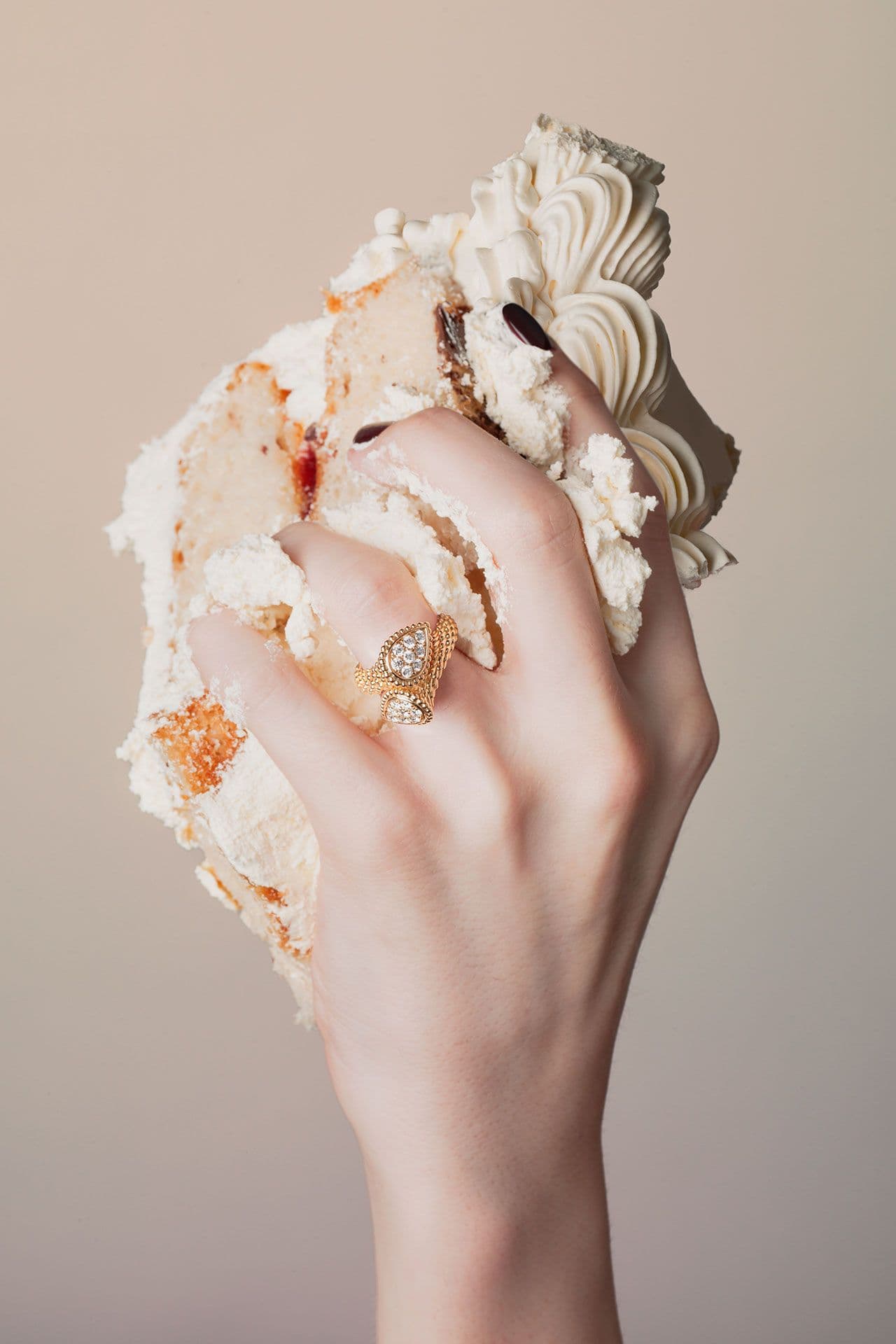
A single ring is beginning to do the work of two. The appeal of the “one-and-done” bridal ring is not simply that it looks modern, but that it answers a more practical, more personal question: why split a marriage story across a separate engagement ring and wedding band if one substantial diamond ring can say everything at once?
That shift touches almost every part of the buying experience. It speaks to minimalist taste, to comfort on the hand, and to budget consolidation, but it also changes the emotional script of bridal jewelry. Instead of building upward in layers, couples are choosing one piece that feels complete from the start, a ring that carries the symbolism, the sparkle and the daily wear in a single design.
A tradition that is older, and stranger, than the stack
The familiar bridal stack can feel eternal, yet GIA traces the custom back to a much looser history. The Romans first introduced the betrothal ring as a plain iron hoop, and the separate engagement ring and wedding ring developed over time. In other words, the “correct” bridal formula is not fixed by antiquity; it is a relatively recent convention layered over older customs.
That matters because it gives the current shift historical legitimacy. The one-ring approach is not a rupture so much as another turn in a long evolution, one that shows how bridal jewelry keeps absorbing new ideas about status, symbolism and what a couple wants to make visible on the hand.
Personalization is now the point
The most revealing part of this trend is how neatly it fits with a broader cultural move away from cookie-cutter wedding planning. The Knot’s 2026 Real Weddings Study surveyed more than 10,000 U.S. couples, and its takeaway was clear: Gen Z couples are favoring highly intentional, personalized celebrations over cookie-cutter traditions.
Jewelry is following the same logic. A bridal ring no longer has to default to the expected solitaire-plus-band formula if the couple wants something more singular. In practice, that means more attention to silhouette, proportion and character, because the ring has to stand on its own rather than rely on a second piece to finish the story.
Why the diamond itself has to work harder
When one ring replaces a stack, the diamond design carries more weight. The look must read as ceremonial without becoming fussy, substantial without becoming bulky, and original without losing the clarity that makes bridal jewelry feel enduring. That is one reason the market has been leaning toward more distinctive rings overall.
JCK’s 2025 wedding jewelry coverage captures this mood well, with clients increasingly asking for rings that are different and original. Corina Madilian put it bluntly: “The more original and different the ring, the better.” That preference pushes jewelers to think beyond the safest bridal formulas and toward pieces with stronger personalities, whether through scale, proportion or a more assertive design language.
For buyers, the change is just as significant. A one-and-done ring is often chosen by people who want the visual impact of a stack without the maintenance, the fit issues or the sense that a wedding set must keep expanding. It also places more importance on everyday wear, which is where craftsmanship matters most: the ring has to feel good, sit securely and hold its identity through constant use.
What jewelers have to sell now
For bridal jewelers, this is a shift in the sales pitch as much as the inventory. The old conversation centered on pairing a center stone with a band, then perhaps adding an anniversary piece later. Now the task is to persuade a client that one ring can feel finished, personal and emotionally complete on its own.
That means selling confidence in design. A singular ring has to justify itself through balance, comfort and presence, not through the promise of future layering. In the best cases, it gives the customer something more precise than a stack ever could: a piece that feels edited, not diminished.
The diamond market is still betting on bridal
Even as bridal tastes become more individual, the diamond industry is not treating this as a retreat from tradition. De Beers Group relaunched its “A Diamond Is Forever” campaign in 2023 with an additional $20 million investment, a pointed reminder that natural-diamond bridal jewelry remains central to the category’s identity and economics.
The sales data supports that confidence. National Jeweler reported that the diamond bridal segment rose 2% in units sold and 1% in gross sales in January. The same outlet reported that independent jewelry retailers finished 2024 with gross sales up 4% and average sale up 7%, with diamonds a key driver. Those numbers suggest that bridal demand is not vanishing; it is becoming more selective, more personal and, in many cases, more concentrated into a single better-chosen piece.
That is the quiet force behind the one-and-done ring. It is not a rejection of bridal symbolism, but a refinement of it, a move toward a ring that can carry the whole promise with less ceremony around the edges and more conviction in the design itself.
This article was produced by Prism’s automated news system from verified source data, official records, and press releases, then run through automated quality and moderation checks before publishing. The system is built and supervised by the people who set the standards it runs under. Read our full AI policy.
Did this article answer your question?