Wealthy Buyers Embrace High Jewelry as a Hard Luxury Investment
A Tiffany & Co. Paraiba tourmaline necklace sold for $4.2M at Christie's last December — 10 times its estimate — as wealthy buyers pivot to colored gems as hard luxury.
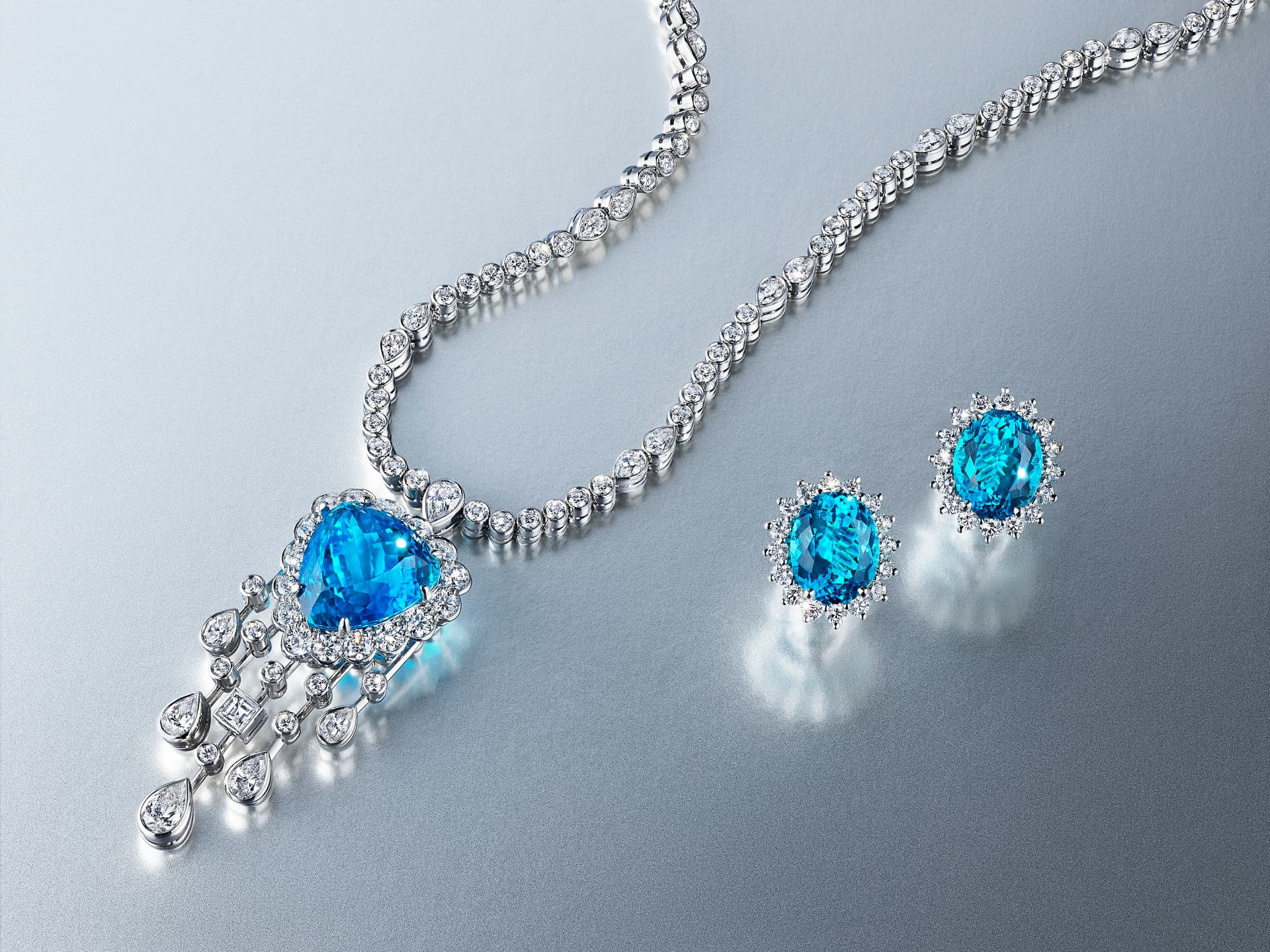
When the gavel came down in December, Christie's had set a record that sent a charge through the auction world: a Tiffany & Co. necklace set with a blue Paraiba tourmaline sold for more than $4.2 million, ten times its low estimate. A matching pair of earrings followed and hit the same mark. It was the kind of result that demands a rethinking of what jewelry means to the very wealthy — not simply as adornment, but as a vehicle for capital preservation.
Amid economic and geopolitical uncertainty, wealthy consumers have increasingly turned to jewelry, especially rare colored gemstones like rubies, sapphires, and emeralds, as a tangible asset class and store of value. Jacqueline DiSante, vice president and head of sales of Christie's New York jewelry division, said the December result was "really a marker for how far private clients are willing to go for these exceptional goods."
The logic behind the shift is not sentimental — it is structural. "In a world where we are seeing lab-grown diamonds being made, and it kind of feels like this conveyor belt ... you can't do that with a sapphire or ruby or emerald," DiSante said. At Sotheby's and Christie's, these gemstones are "trading at numbers nobody would have thought possible five years ago," according to Ankur Daga, who expects appreciation to accelerate. Colored gemstones have traded at two to three times their high estimates at auction, a result Daga describes as "very unusual" given how precisely auction houses typically calibrate their bids. He estimated that around 15% of engagement rings today feature a colored gemstone, up from 5% a decade ago.
Investment managers are watching the trend just as closely as the auction rooms. Gold-heavy jewelry benefits from a price floor created by the intrinsic value of the metal, noted Mario Ortelli, managing partner at strategic and M&A advisor Ortelli&Co. "However, exceptional gemstones — especially rare, high-quality sapphires, rubies, or emeralds — can command significant collector premiums," he said. Ortelli agreed with the broader thesis, describing a clear "defensive element" to the trend — the recognition that exceptional stones hold their value when paper assets falter.

Thorne Perkin, president of investment management firm Papamarkou Wellner Perkin, grounded the behavior in familiar macroeconomic logic. "Whenever you have macroeconomic volatility, the appeal of hard asset investing goes up," he said. "Tangible assets, they tend to retain their value or even increase when inflation rises." Gold prices reached an all-time high of over $5,100 per ounce in January 2026, though they have since pulled back — reinforcing jewelry's reputation as a long-term store of value even as the metal itself swings.
In jewelry at the auction level, colored gemstones such as emeralds, rubies, and sapphires continued to anchor the market through 2025, while Paraiba tourmalines saw record-setting interest. At Christie's, Millennials and Gen Z accounted for 44 percent of bidders and buyers in luxury during 2025, reflecting continued generational turnover in the market. The buyers are younger, better informed, and increasingly fluent in gemological detail — origin, treatment status, mine provenance.
DiSante compares each stone to a piece of art: "No two are exactly alike, and I think that's what makes them so interesting to today's market." The irreproducibility of natural colored gems is precisely the point. A Kashmir sapphire that spent millions of years forming beneath the Himalayas cannot be replicated on a conveyor belt. That geological singularity is, in this moment, the most compelling sales argument in fine jewelry — and the one that holds up best under scrutiny when markets turn uncertain.
Know something we missed? Have a correction or additional information?
Submit a Tip