Yehuda upgrades Sherlock software to detect harder lab-grown diamonds
Yehuda’s Sherlock upgrade targets stealth CVD stones that older detectors can miss, with a $2,000 trade-in credit for Sherlock Holmes 4.0.
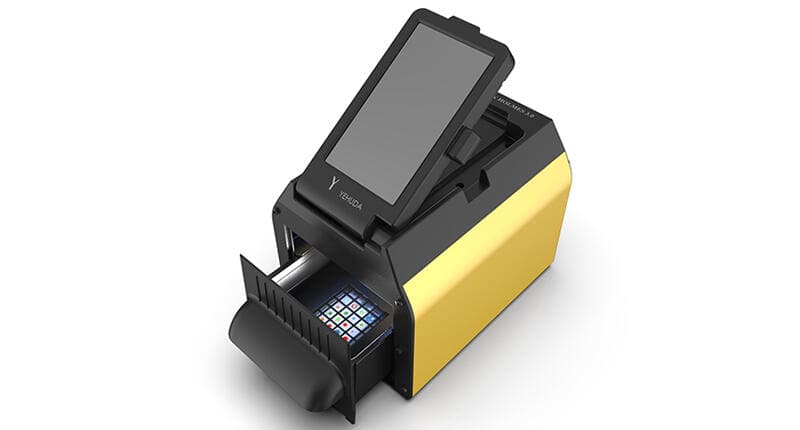
Misidentifying a lab-grown diamond at intake can become a disclosure failure at sale, a memo mistake in the back office, or a costly repair-house mix-up later. Yehuda is pushing Sherlock squarely at that pressure point, upgrading its software to catch newer CVD stones that have become harder for older detectors to flag.
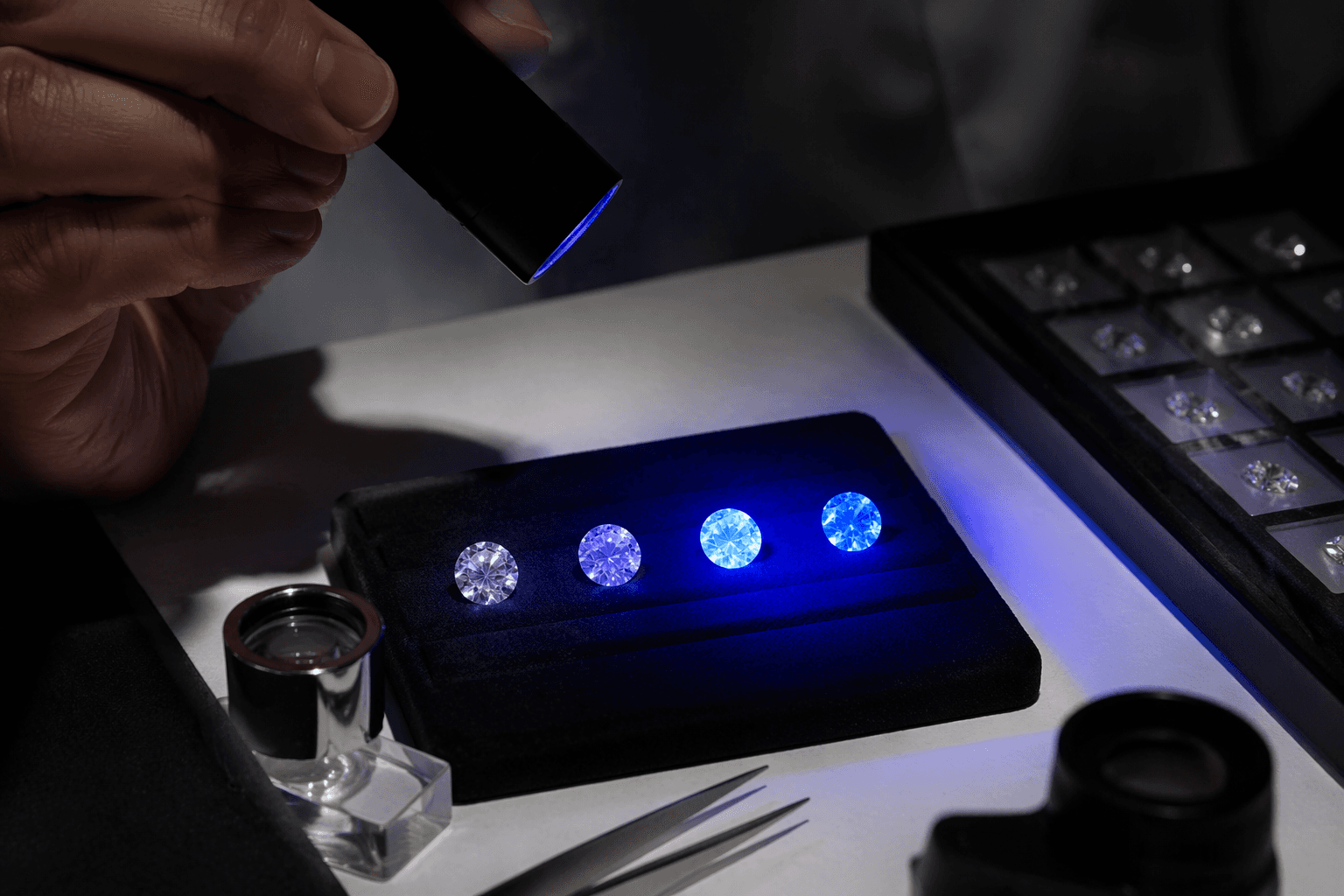
The system is designed to separate natural diamonds from lab-grown diamonds, moissanite and cubic zirconia, a crucial spread for retailers handling bridal inventory, estate jewelry and mounted stones. Yehuda says newer stealth CVD material has made some lab-grown diamonds more difficult to detect, and its upgrade page warns that older detectors, regardless of brand, may not reliably identify today’s more challenging new CVD lab-grown diamonds.
That warning reaches far beyond the sales counter. Intake teams need a fast first-pass screen before a stone is accepted, appraisers need cleaner separation when a piece is being memoed or resold, and repair desks need to know whether a mounted stone is natural, lab-grown or a simulant before work begins. Yehuda is pairing the software push with a trade-in program: owners of Sherlock Holmes 1, 2 or 3 units can receive a $2,000 credit toward a Sherlock Holmes 4.0, bringing the price to $4,745 from $6,745.
Yehuda’s Sherlock AI subscription takes a different approach, using continuous software updates and storage for up to 1,000 test results. The company’s AI model page, updated June 16, listed multi-stone jewelry detection and small-stone identification as its latest enhancements, two functions that matter in pavé settings, tennis bracelets and other mounted pieces where single-stone testing is rarely enough.
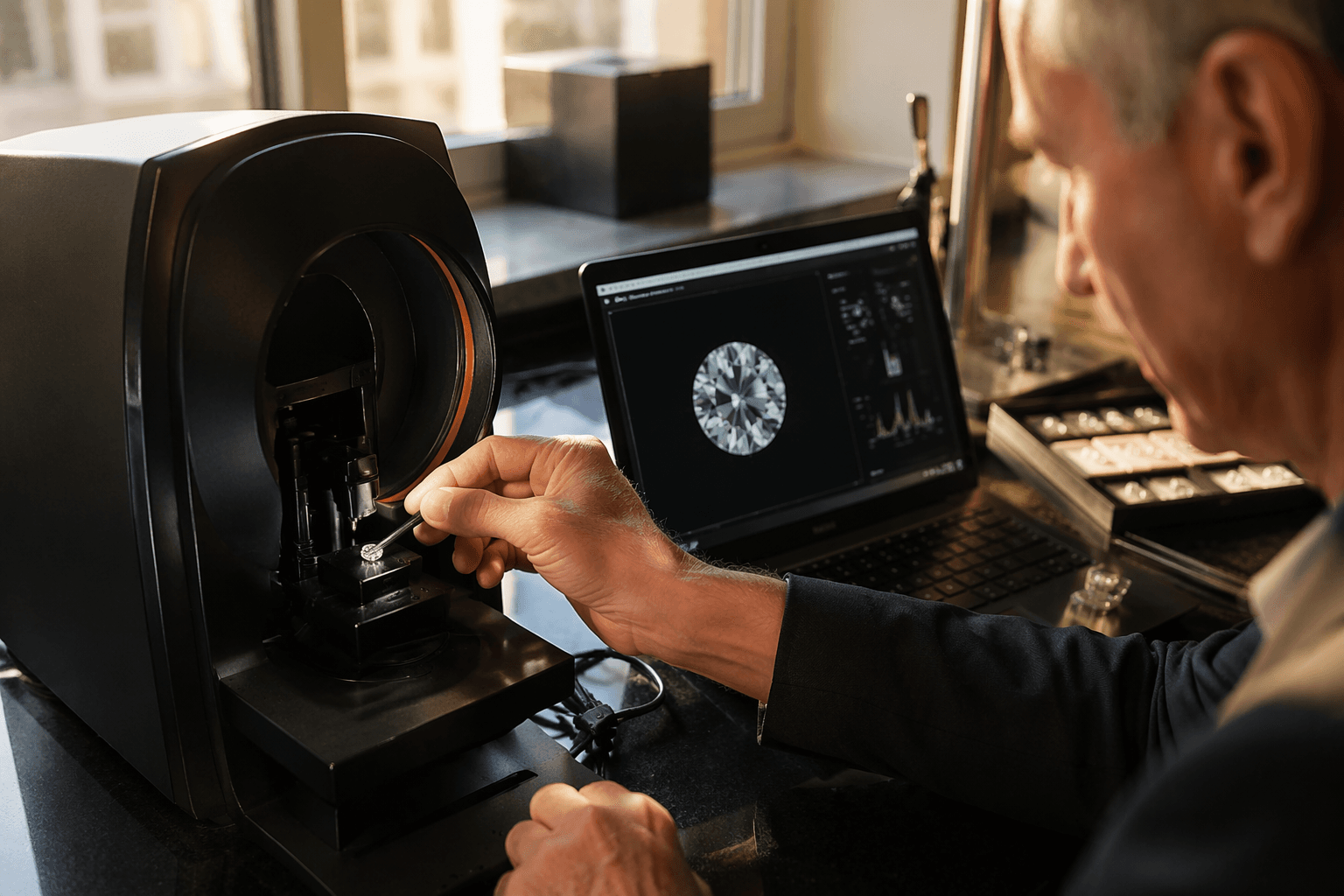
The broader detector market has already been under strain. In the Assure Program’s first phase, 11 lab-grown-diamond detectors were tested against 1,200 diamonds, including 200 lab-grown stones of multiple types, and Yehuda’s Sherlock Holmes detector performed well. Dror Yehuda said he “couldn’t be happier” with those results. De Beers has also framed screening as a segment-specific problem, saying its SynthDetect platform can differentiate lab-grown from natural diamonds, including CVD from HPHT.
For the trade, the lesson is blunt: detection is no longer a box to check once and file away. As new CVD material gets harder to spot, the cost of a miss is not just a returned stone, but a damaged chain of trust.
This article was produced by Prism’s automated news system from verified source data, official records, and press releases, then run through automated quality and moderation checks before publishing. The system is built and supervised by the people who set the standards it runs under. Read our full AI policy.
Know something we missed? Have a correction or additional information?
Submit a Tip