Blue Nile tops 2026 engagement rings list as lab-grown demand rises
Blue Nile leads for engagement-ring buyers, but lab-grown demand, falling prices and tighter buying standards are giving Quince and Mejuri sharper roles.
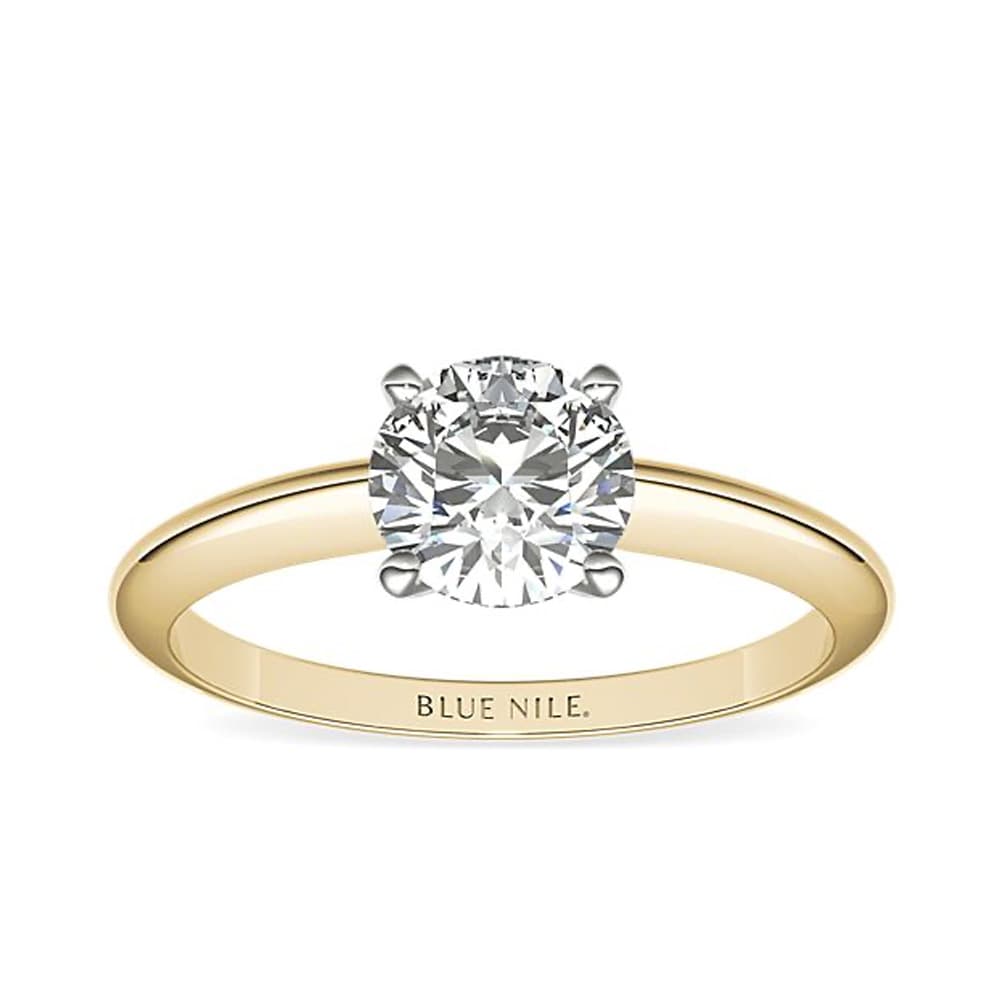
Blue Nile wins when the ring has to feel beautiful and low-risk. Forbes Vetted puts it at the top of its 2026 engagement-ring guide because it gives shoppers the rare combination that matters most at this price point: breadth, customization, and a strong safety net, including virtual advisors, 30-day returns, a lifetime warranty and overnight shipping.
Why the online ring market now looks different
The pressure on engagement-ring stores is coming from both sides of the case, so to speak. The Knot Worldwide’s 2026 Real Weddings Study found that lab-grown center stones accounted for 61 percent of engagement ring purchases among couples married in 2025, a leap of 239 percent since 2020, and nearly 9 in 10 proposers already had a ring in hand. At the same time, De Beers’ June 2026 Diamond Report says average U.S. spending on natural-diamond jewelry rose 25 percent to $4,063 in 2025, while the average natural diamond bought in the United States reached 1.86 carats.
That split tells you a lot about what shoppers want now. Some are chasing value and scale in lab-grown stones; others still want the heft and ritual of a natural diamond. The best online jeweler is the one that helps you decide between those paths without forcing you to surrender control over the setting, the budget, or the return policy.
Blue Nile as the default choice for reassurance
Blue Nile remains the most persuasive all-around option because it feels built for indecision in the best sense. Forbes Vetted describes it as offering thousands of pre-made and customizable rings, which is exactly what a shopper needs when comparing a solitaire against something more decorative or trying to decide how much metal and sparkle the budget can support. The brand’s virtual advisors are especially valuable for a purchase that most people make once, and often from a sofa rather than a counter.
There is also a corporate story behind Blue Nile’s scale. Signet Jewelers agreed in 2022 to acquire the company for $360 million in cash, and Signet said Blue Nile generated more than $500 million in revenue in calendar year 2021. That mattered because it showed Blue Nile was not a niche web experiment but a serious bridal platform, one Signet wanted for both its digital reach and its place in the engagement-ring business. For shoppers, that kind of backing usually translates into deeper inventory, more service, and a better chance that the ring you want is actually available in the size and style you need.
Quince for the buyer who wants value without visual compromise
Quince is the clearest answer for the shopper who wants a more accessible price point without drifting into bare-bones territory. Forbes Vetted names it the best affordable option in its engagement-ring guide, and Quince sells lab-grown diamond engagement rings starting at $2,900. The assortment spans solitaire, halo and pavé styles, which is important because value should not mean narrowing the design language to a single plain setting.
That mix gives Quince a very specific appeal: it is for the buyer who already knows the broad silhouette and wants the economics to work. A solitaire keeps the look spare and the stone central; a halo adds more visual presence; pavé shifts the emphasis to the band’s sparkle. Quince’s assortment suggests it understands that lab-grown buyers are not all after the same thing. Some want understatement, others want surface area and light play, and a well-edited range lets both instincts exist at a lower entry point.
Mejuri for the minimalist who wants lab-grown to feel modern
Mejuri occupies a different corner of the market. Forbes Vetted names it the best minimalist option, and that framing fits the brand’s jewelry-first sensibility. Mejuri sells lab-grown diamond jewelry and engagement-ring styles, and it describes its CVD-grown diamonds as ethically crafted and sustainable. That language matters because lab-grown shoppers are often buying with both aesthetics and values in mind, especially when the ring is meant to feel clean, current, and easy to wear every day.
If Blue Nile is about breadth and Quince is about value, Mejuri is about restraint. The appeal is less about grand gesture and more about a ring that looks intentional from every angle. For buyers who want a lighter-handed engagement ring, the brand’s lab-grown focus places it squarely inside the market shift now reshaping bridal shopping.
How to choose the right store for the ring you actually want
The smartest way to read these retailers is not as a list, but as answers to different priorities.
- Choose Blue Nile if you want the widest field of options, especially if you are comparing multiple stones, settings and price tiers and want the confidence of returns, warranty coverage and live guidance.
- Choose Quince if budget discipline is the main issue and you still want the familiar architecture of a solitaire, halo or pavé ring.
- Choose Mejuri if you are drawn to pared-back design and want a lab-grown ring that feels contemporary rather than ornate.
That framework matches the market itself. Lab-grown stones now account for a majority of engagement-ring center stones in The Knot’s 2026 study, but natural diamonds are not disappearing; they are simply holding a different kind of appeal, often at larger sizes and higher spending levels. In that environment, the most useful online jewelry store is the one that helps you commit with fewer regrets.
The new standard for a bridal purchase
Forbes Vetted’s broader 2026 online jewelry guide also highlighted Mejuri, Quince and Blue Nile for value and service, but the engagement-ring lens is where the differences become sharpest. Blue Nile stands out because it reduces the risk of ordering sight unseen. Quince stands out because it makes lab-grown pricing feel less punitive. Mejuri stands out because it gives the category a cleaner, more minimal vocabulary.
That is what the best ring shopping looks like now: not a hunt for the biggest list, but a search for the store that makes the stone, the setting and the policy all work together. In a market where lab-grown demand is rising, prices are shifting and buyers expect more reassurance than ever, the right retailer is as important as the diamond itself.
This article was produced by Prism’s automated news system from verified source data, official records, and press releases, then run through automated quality and moderation checks before publishing. The system is built and supervised by the people who set the standards it runs under. Read our full AI policy.
Did this article answer your question?