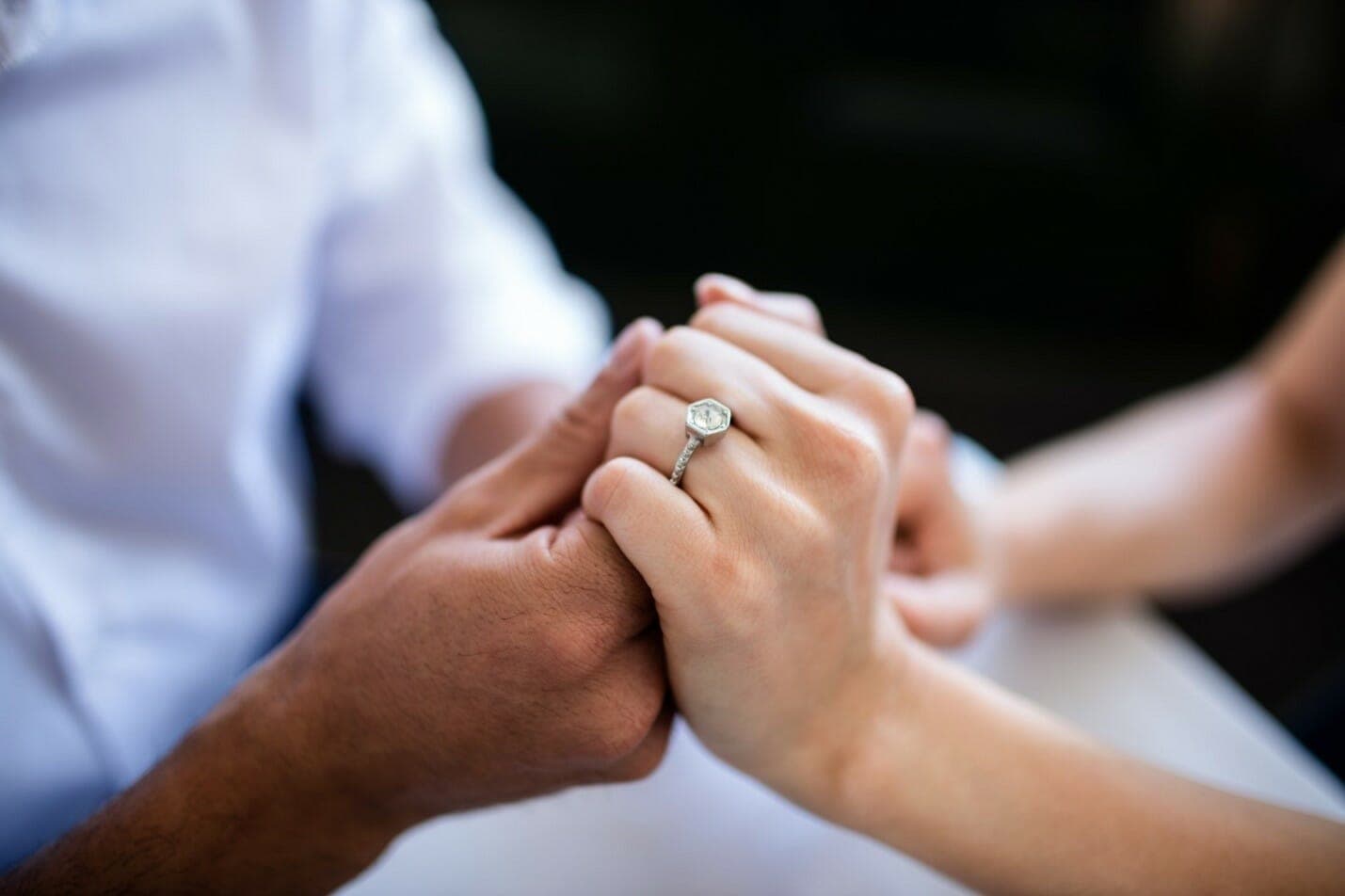
Bridal stacks replace single engagement rings as personalization rises
Bridal rings are spreading into stacks, giving couples room for milestones, mixed metals and more personal silhouettes. The old two-ring formula now feels like the least inventive option.
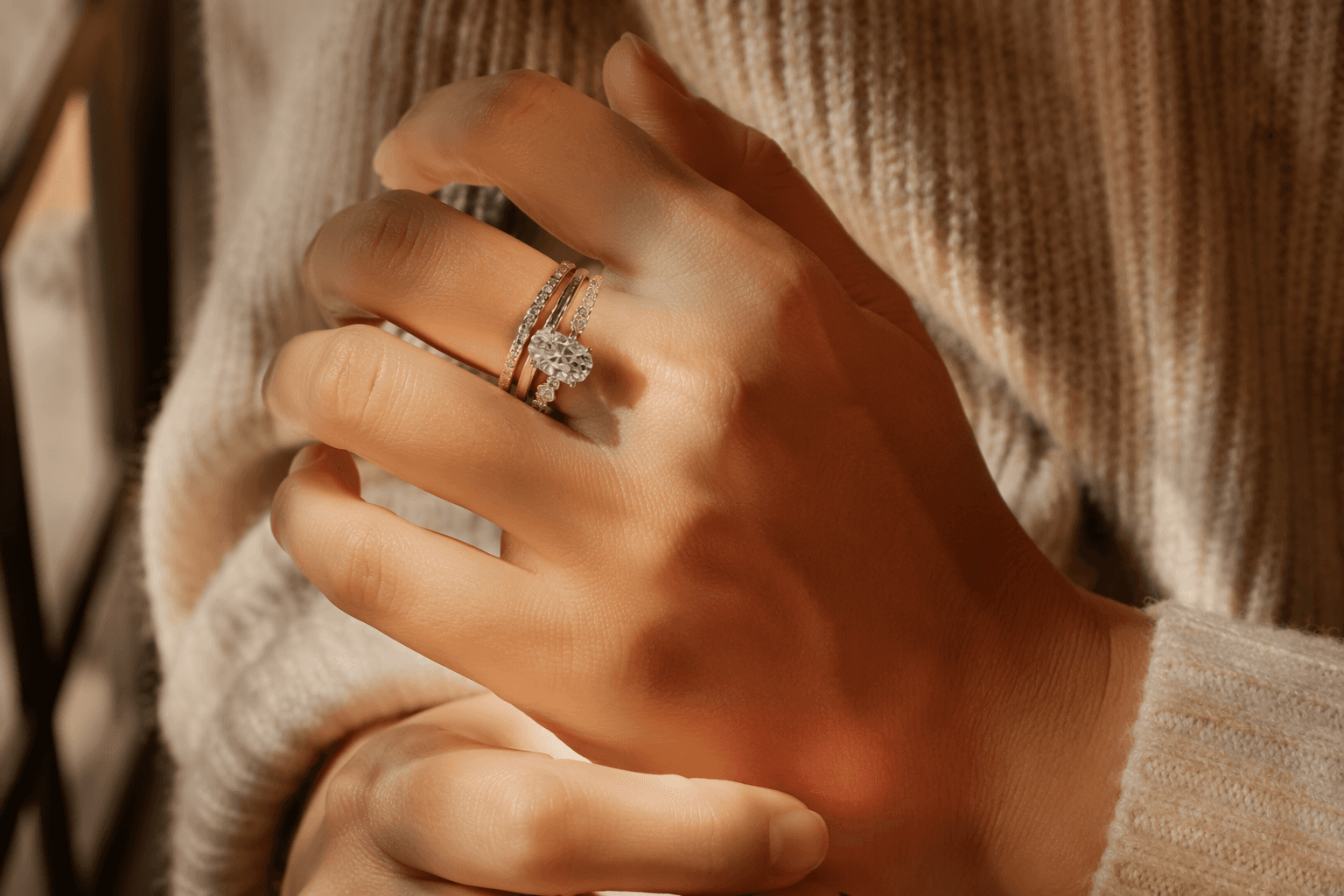
Pinterest’s 2024 Wedding Report logged more than 3 billion wedding-related searches and more than 10 billion wedding ideas saved globally in a single year. On the ring finger, that is showing up in bridal stacks that move beyond the single engagement ring plus one wedding band formula and make room for a future anniversary band, a birthstone ring, or a shape that simply feels more like them.
Why the two-ring formula is giving way
By June 25, the shift was clear: from a solo engagement ring to a more layered bridal stack. Alternative engagement rings are a lasting trend, not a passing one, part of an alt wedding movement that rejects rigid traditional norms. Separate wedding bands were never a fixed invention so much as a tradition that evolved over time.
Instead of treating the engagement ring as the whole statement, shoppers are adding shape, scale and texture with each new band. The set can grow with anniversaries and personal milestones.
Personalization is doing the heavy lifting
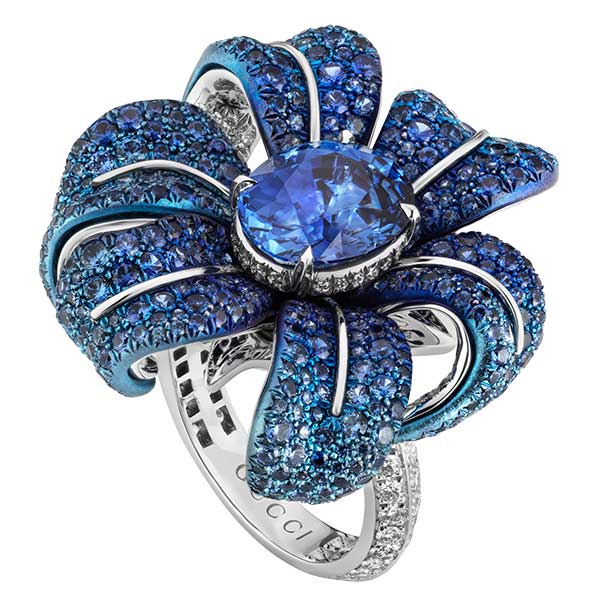
Pinterest’s 2025 wedding trends report highlighted colorful engagement rings and unique personal touches among the defining ideas for weddings now.
By June 12, alternative engagement rings were rising with a generation shaped by social media, where ring inspiration travels fast and the old hierarchy of one center stone, one matching band feels increasingly narrow. Celebrity influence is part of the mix, with Zendaya’s east-west diamond and Dua Lipa’s chunky gold ring among the nontraditional shapes setting the bridal tone.
How to make a stack look intentional, not crowded
A good stack depends on restraint as much as addition. Band width is the first control point: if the engagement ring has a strong center stone, keep at least one supporting band slim enough to give the main ring visual air. If the center stone sits east-west like Zendaya’s, a narrow, low-profile band can preserve that horizontal line; if the ring is bold and chunky like Dua Lipa’s, a slimmer contour band keeps the overall look from turning into a block.
Stone profile matters just as much as size. Low-set solitaires, bezel settings and flatter profiles sit more comfortably beside anniversary bands and eternity bands, while tall prongs and oversized halos can make the stack feel top-heavy. A curved or chevron band can solve that problem neatly, especially when the engagement ring has a protruding basket or a distinctive side profile that needs room.
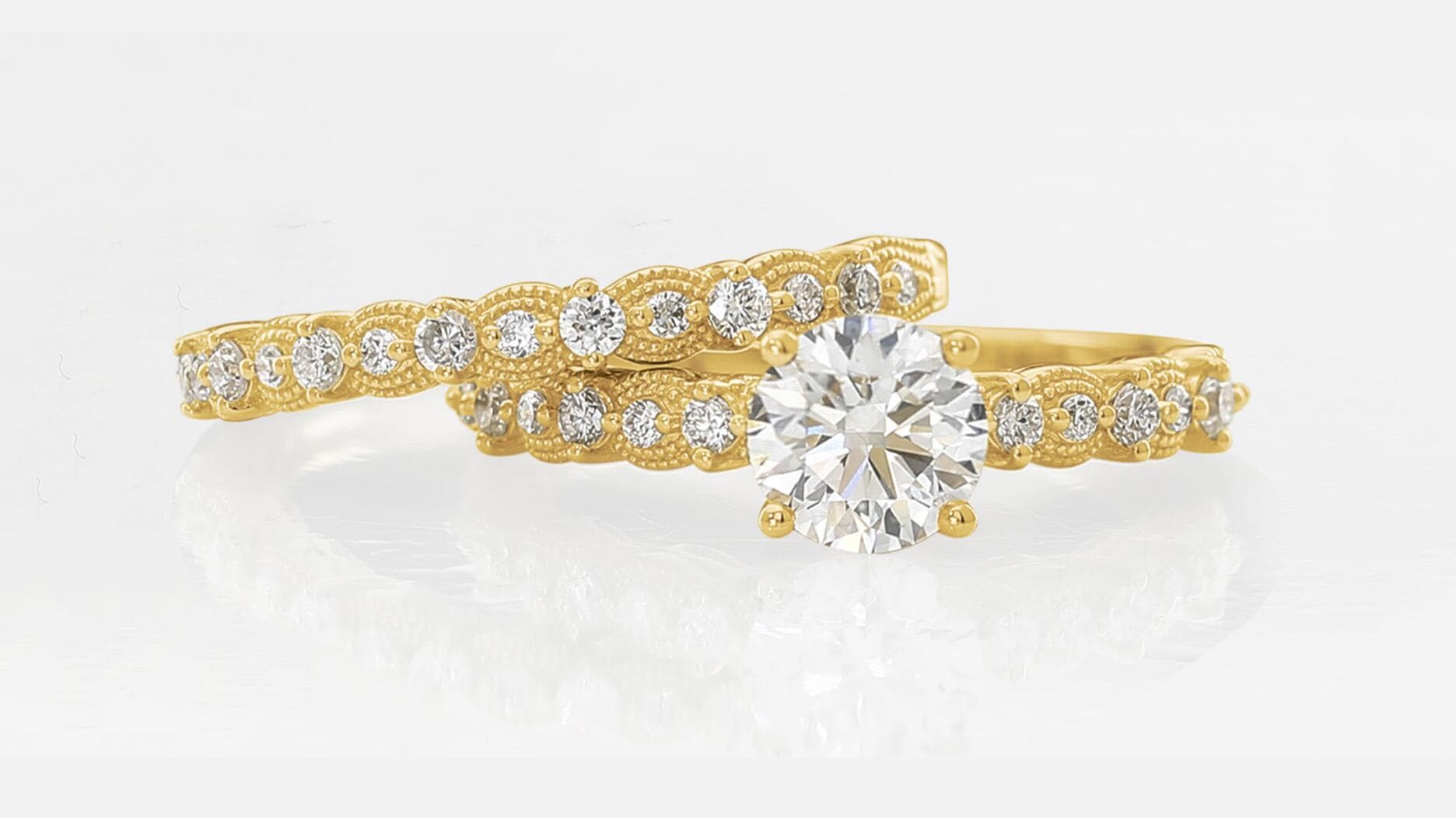
Metal mixing works best when there is a clear order to it. One metal can anchor the stack, with a second metal introduced as an accent rather than a rival, so the eye reads a deliberate contrast instead of a random assortment. The cleanest stacks usually repeat one element three times, whether that is metal color, stone shape or surface finish, which gives the hand a cohesive line even when the rings themselves differ.
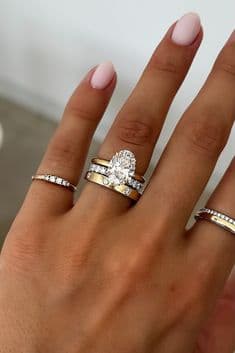
The safest way to avoid clutter is to stop before the arrangement gets busy. Many of the most convincing stacks use one textured band, one plain band and one ring with stones, rather than three highly decorated pieces fighting for attention. Buyers are increasingly choosing rings collaboratively and want room to adjust the set later, not lock it into a single moment.
The market is rewarding versatility
De Beers’ June 11 consumer research found average purchase prices have increased 25 percent, Gen Z is now the second-largest generation buying diamonds, and non-bridal occasions account for three-quarters of overall U.S. diamond demand. That mix favors rings that can move beyond the wedding day, which helps explain why multi-wear jewelry and adaptable settings are drawing more attention from retailers and designers.
Higher gold prices are adding another push toward flexibility. Consumer demand in 2026 is tilting toward versatile, multi-wear jewelry, and bridal stacks fit that logic because each band can work alone, then return to the set for an anniversary, a reset or a style refresh.
Ask where each metal came from, whether the gold is recycled, how the side stones were sourced, and whether the center stone comes with an independent grading report.
This article was produced by Prism’s automated news system from verified source data, official records, and press releases, then run through automated quality and moderation checks before publishing. The system is built and supervised by the people who set the standards it runs under. Read our full AI policy.
Did this article answer your question?