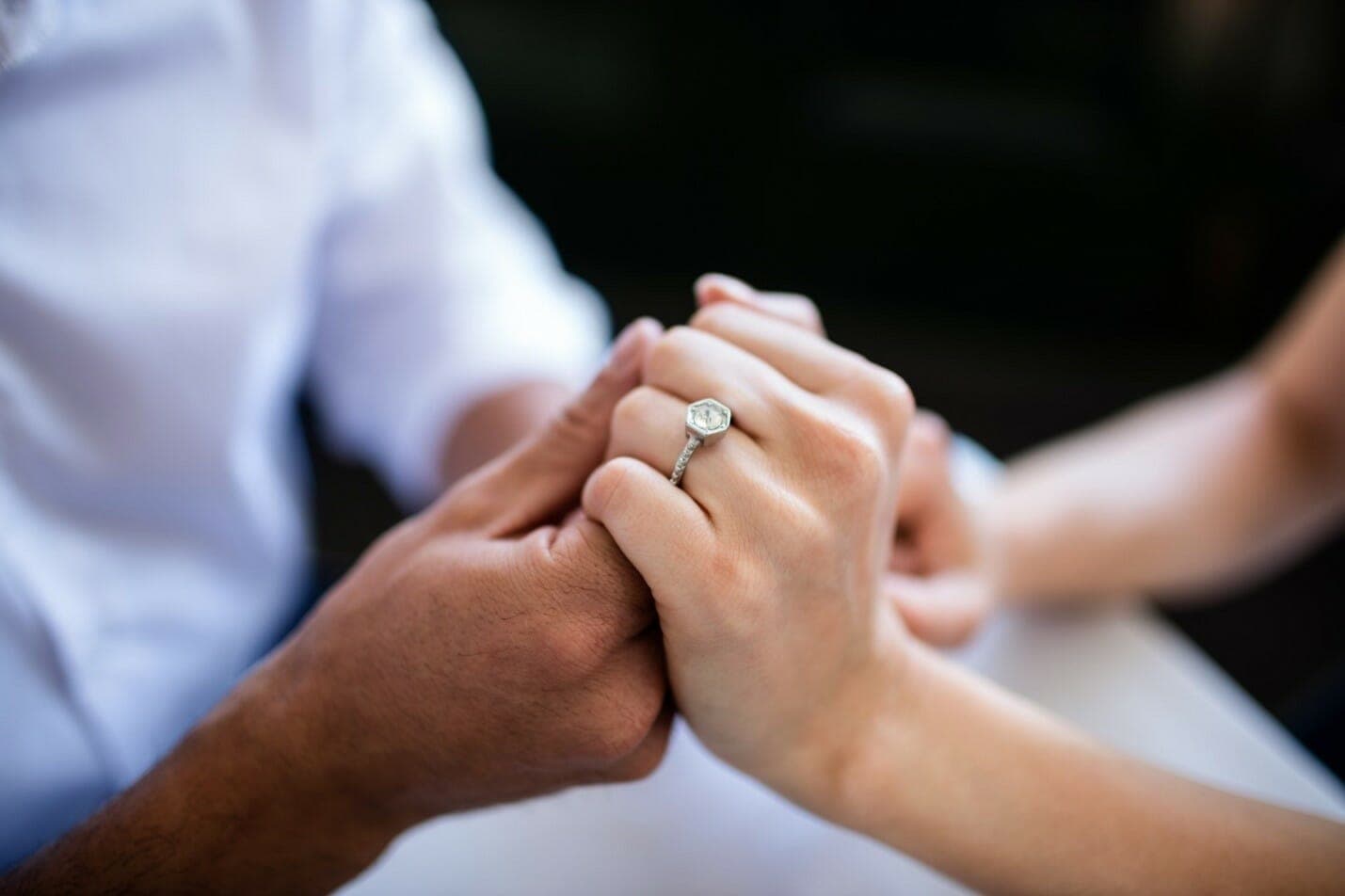
Custom engagement rings lead 2026 trend toward individuality and self-expression
The sharpest ring trend of 2026 is less about a silhouette than a point of view, with custom details giving couples more room to tell their own story.
The new language of engagement rings
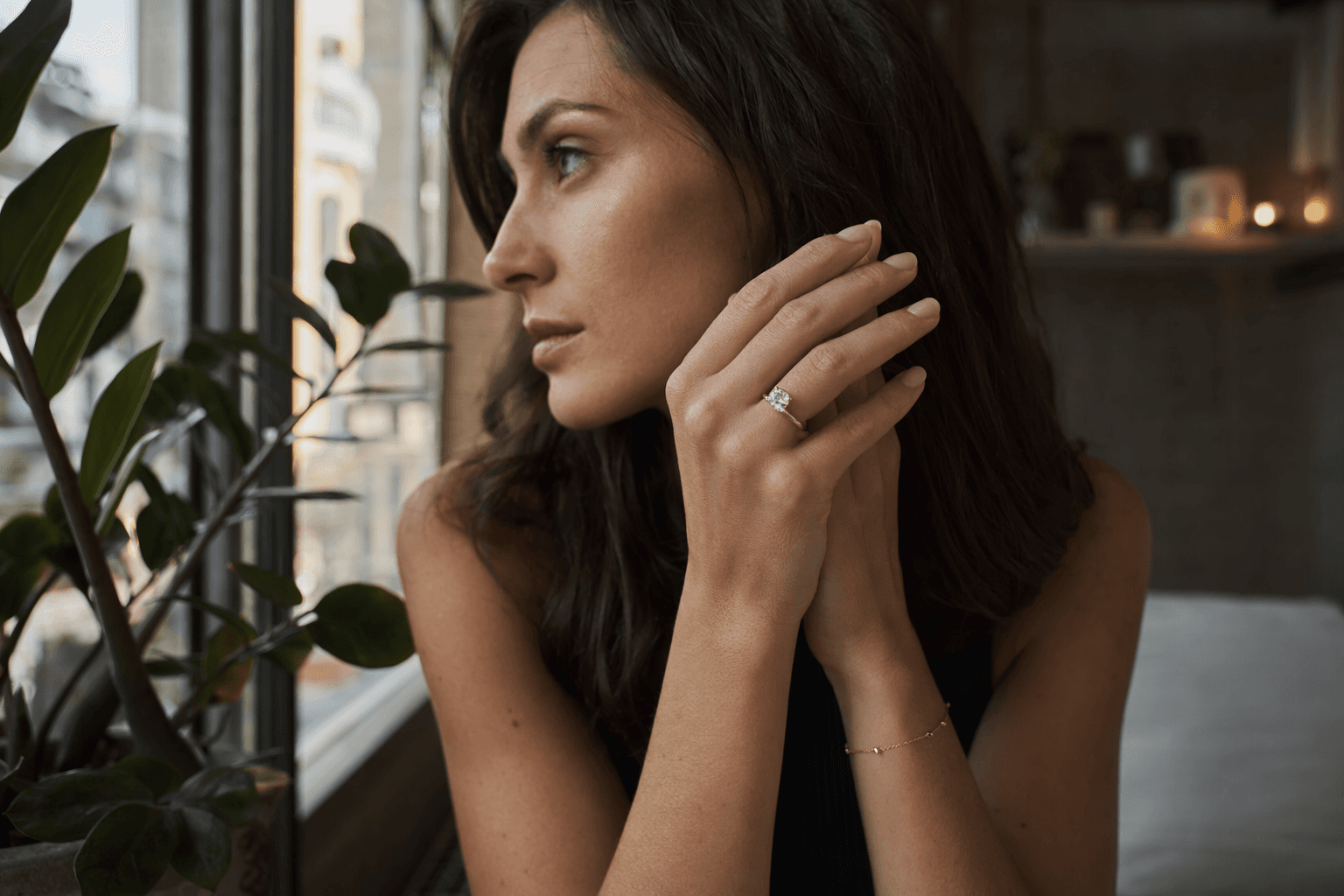
The most compelling engagement rings right now do not look chosen from a menu. They look authored, with proportion, metal, and stone all edited to reflect the couple wearing them rather than a generic ideal of romance.
That is the real shape of the 2026 engagement-ring story: individuality, not uniformity. Jewelry experts are treating the season’s trends as a palette of ideas, not a set of rules, and the result is a market where custom details, wearable design, and personal symbolism matter as much as carat weight.
The numbers behind the shift
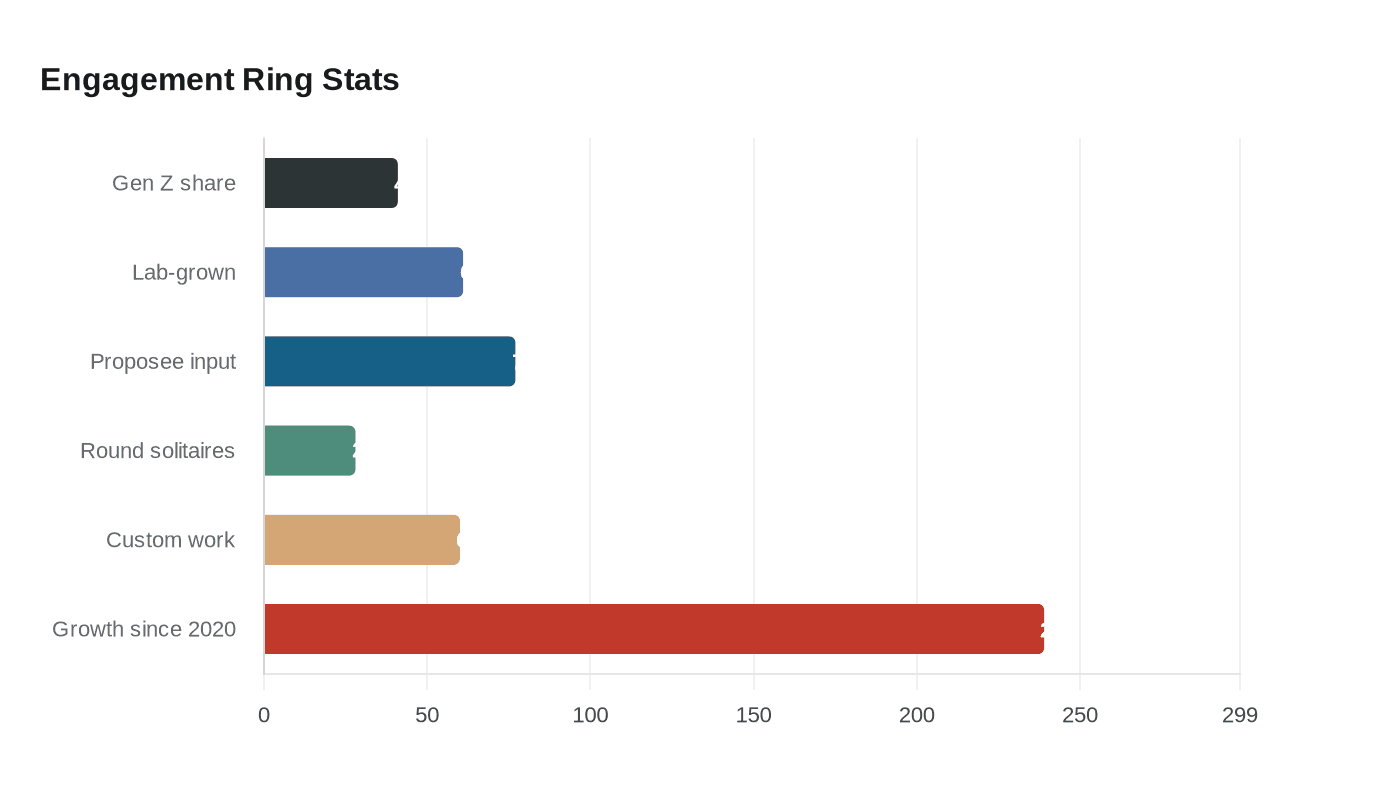
The scale of that change is hard to miss. The Knot Worldwide’s 2026 Real Weddings Study, based on self-reported responses from 10,474 U.S. couples married between January 1 and December 31, 2025, found that Gen Z now represents 41% of the wedding market. Nearly 9 in 10 proposers still propose with a ring in hand, which underscores how central the ring remains, even as the meaning attached to it changes.
The study also shows how quickly the center stone market has evolved. Lab-grown center stones now account for 61% of engagement ring purchases, up 239% since 2020. That kind of growth does more than signal a material preference. It points to a broader shift in values, where couples are increasingly choosing the look, size, and design language they want, then building the rest of the ring around those priorities.
The collaborative turn is not new, but it is more pronounced than ever. The Knot’s 2025 engagement-ring coverage reported that 77% of proposees were involved in some part of ring selection, while round solitaires still made up 28% of 2024 designs. Tradition is still present, but it is no longer dictating the whole picture.
Why custom has become the new default
Frank Darling’s business makes that appetite visible. Cofounder Kegan Fisher says about 60% of the company’s work is custom, and the question customers kept asking before the brand expanded its by-appointment showrooms was telling: “Can you make it like this? Can I see it in person?” The brand now operates 11 showrooms across the U.S., including three in New York City, which reflects how much modern ring buying has become about touch, scale, and seeing the piece on the hand before committing.
That is one reason custom feels so central now. It is not just about control over the final ring, but about a buying experience that feels more intimate and less templated. The most convincing custom rings are not louder than standard ones, they are sharper in intent, with each choice, from stone shape to setting height, serving the person who will actually live with it.
Which 2026 trends are worth borrowing
JCK’s February 11, 2026 trend roundup puts the year’s mood in a few clear buckets: individuality, heirloom resets, chunky yellow gold, off-color and antique diamonds, and elongated shapes. Those ideas are useful precisely because they are flexible. Each can be interpreted in a way that feels deeply personal or, if handled lazily, can harden into something that reads like a fleeting trend piece.
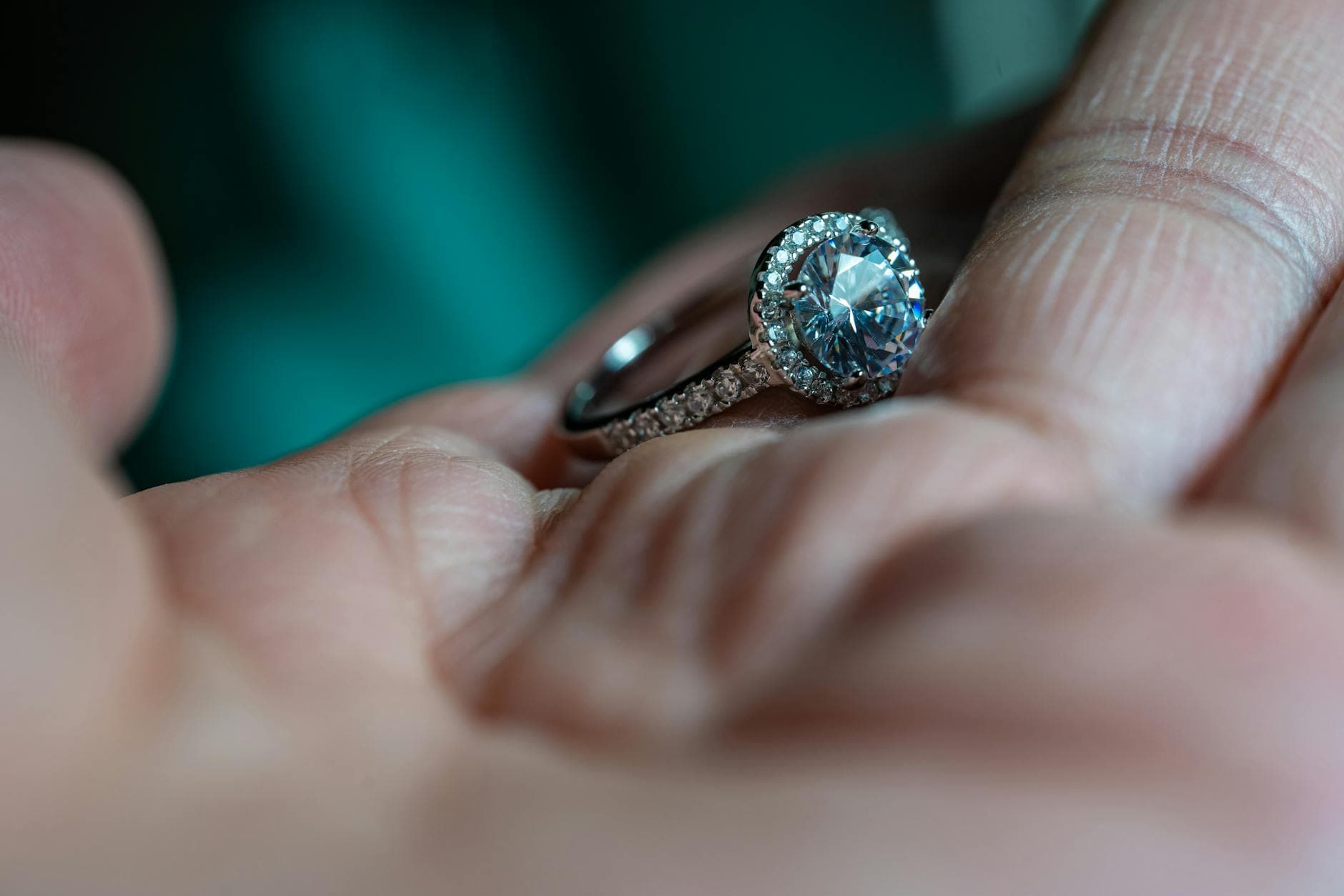
Heirloom resets may be the most emotionally resonant of the group. Resetting a family diamond or colored stone lets you preserve the material history of a ring while giving it a new silhouette, which is often the cleanest way to make a piece feel singular without starting from zero. It also shifts the emphasis from replacing a stone to rethinking the architecture around it.
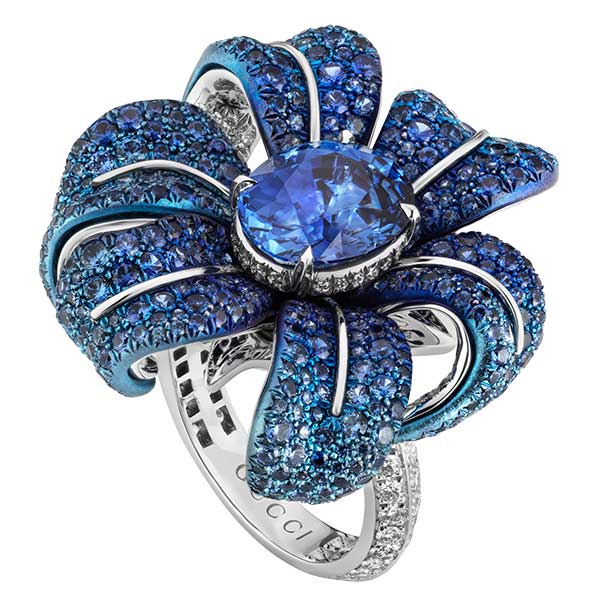
Chunky yellow gold is the strongest example of a trend that can be adapted across budgets. In Grant Mobley’s view, the look has traction partly because gold prices are high and because substantial metal feels durable, modern, and heirloom-worthy. A heavier shank or bolder bezel can make even a simpler center stone feel intentional, while a slimmer version keeps the same warmth without overwhelming a smaller hand or a more modest stone.
Off-color and antique diamonds bring character instead of perfection, and that is exactly why they feel so current. Warmth in a diamond, or the soft geometry of an older cut, can make a ring look collected rather than commercially polished. These stones also tend to reward a more thoughtful setting, because the mount should frame their personality rather than flatten it.
Elongated shapes continue the same visual argument in a different key. Whether the stone reads as oval, emerald, or another stretched silhouette, the appeal lies in the elegant line it draws across the hand. These shapes can look larger face-up than more compact stones of the same weight, which helps create presence without demanding an aggressively oversized setting.
How to make a trend feel like yours
The safest way to use a trend is to borrow one idea, then ground it in the realities of daily wear. A low-profile setting will usually suit someone hard on their hands better than a high mount, while a prong setting opens the stone to more light and a bezel gives the ring a more protected, continuous edge. That distinction matters because a ring meant for life has to survive life, not just photograph well.
The same logic applies to metal and scale. Yellow gold reads especially current right now, but the best versions are not merely thick for the sake of thickness. They are balanced, with enough weight to feel substantial and enough restraint to avoid looking overdesigned a few years from now.
Lab-grown center stones are also part of that personalization equation. With 61% of engagement ring purchases now centered on lab-grown stones, the category is no longer a side story. It has become one of the main ways couples are redirecting their budget and priorities toward the parts of the ring that matter most to them, whether that means a more distinctive setting, a more dramatic shape, or a better overall finish.
The ring that lasts is the one that feels edited, not assembled
The deeper story of 2026 is not that one ring style has won. It is that the market has matured enough for couples to expect a ring that reflects their taste, their habits, and the life they are actually building. The classic solitaire still has a place, and round stones still have enormous staying power, but the new standard is more personal, more considered, and far less willing to settle for generic.
The most successful engagement ring of this moment is not the trendiest one in the room. It is the one that understands trend as a tool, then turns it into something wearable, specific, and unmistakably its own.
This article was produced by Prism’s automated news system from verified source data, official records, and press releases, then run through automated quality and moderation checks before publishing. The system is built and supervised by the people who set the standards it runs under. Read our full AI policy.
Did this article answer your question?