Diamond shape vs cut, what engagement ring buyers need to know
The outline of a diamond changes how a ring reads on the hand, but cut determines how vividly it returns light. Knowing the difference is the fastest way to avoid paying for carat weight that disappears in person.
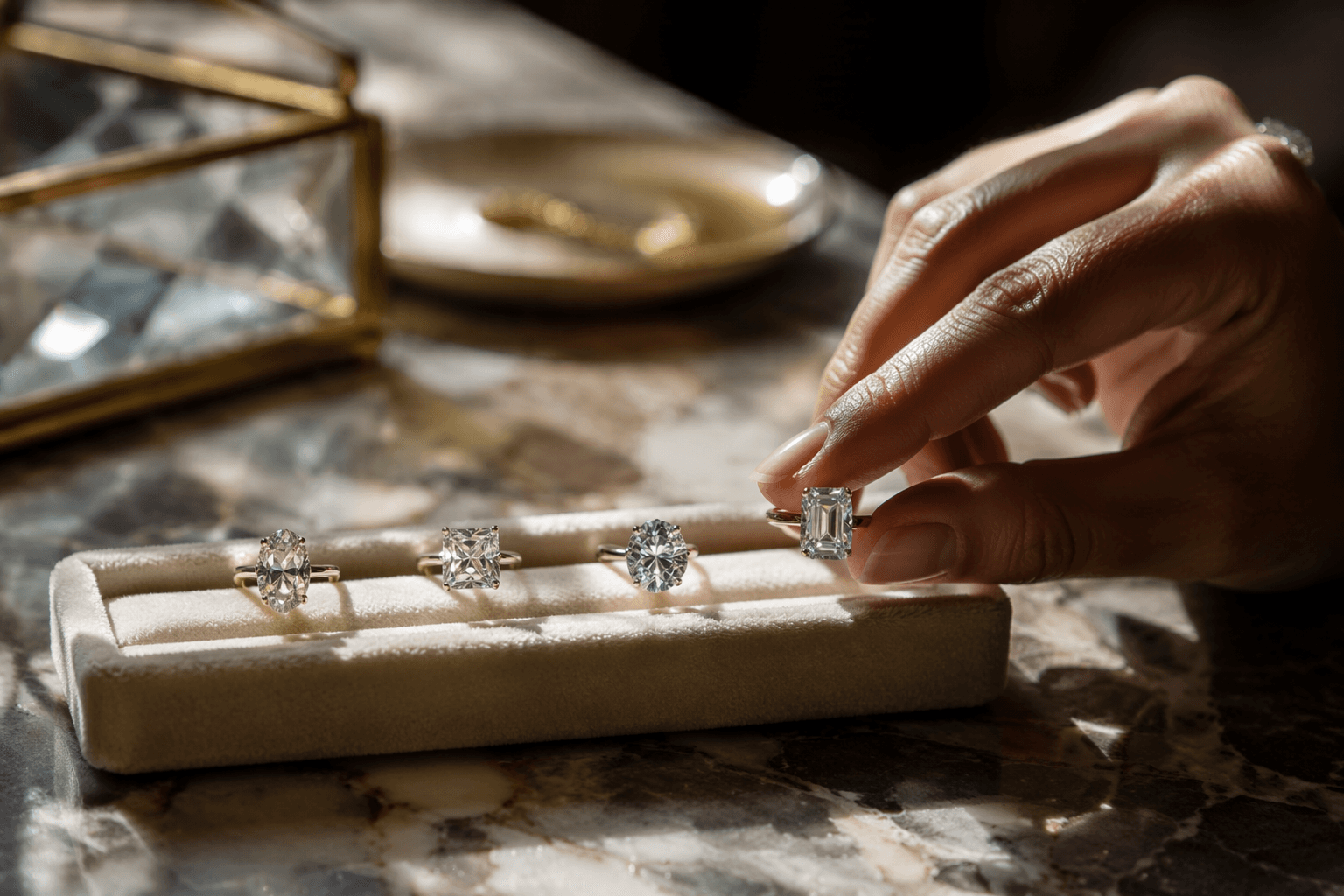
An oval can look larger than a round of the same weight on the hand. That is usually the moment when shape and cut get confused, even though they do very different jobs: shape gives the stone its outline and finger coverage, while cut controls how well its facets interact with light. For an engagement ring, that distinction is the difference between a diamond that simply occupies space and one that seems to glow.
Shape defines the silhouette
Shape is the first thing the eye reads. Tiffany & Co. separates diamonds into round and fancy shapes, with fancy shapes including princess, cushion, emerald, oval, pear, marquise and heart. The round brilliant remains the most traditional outline, but the others each create a different visual effect on the finger, from the long lines of an oval to the crisp geometry of an emerald cut.
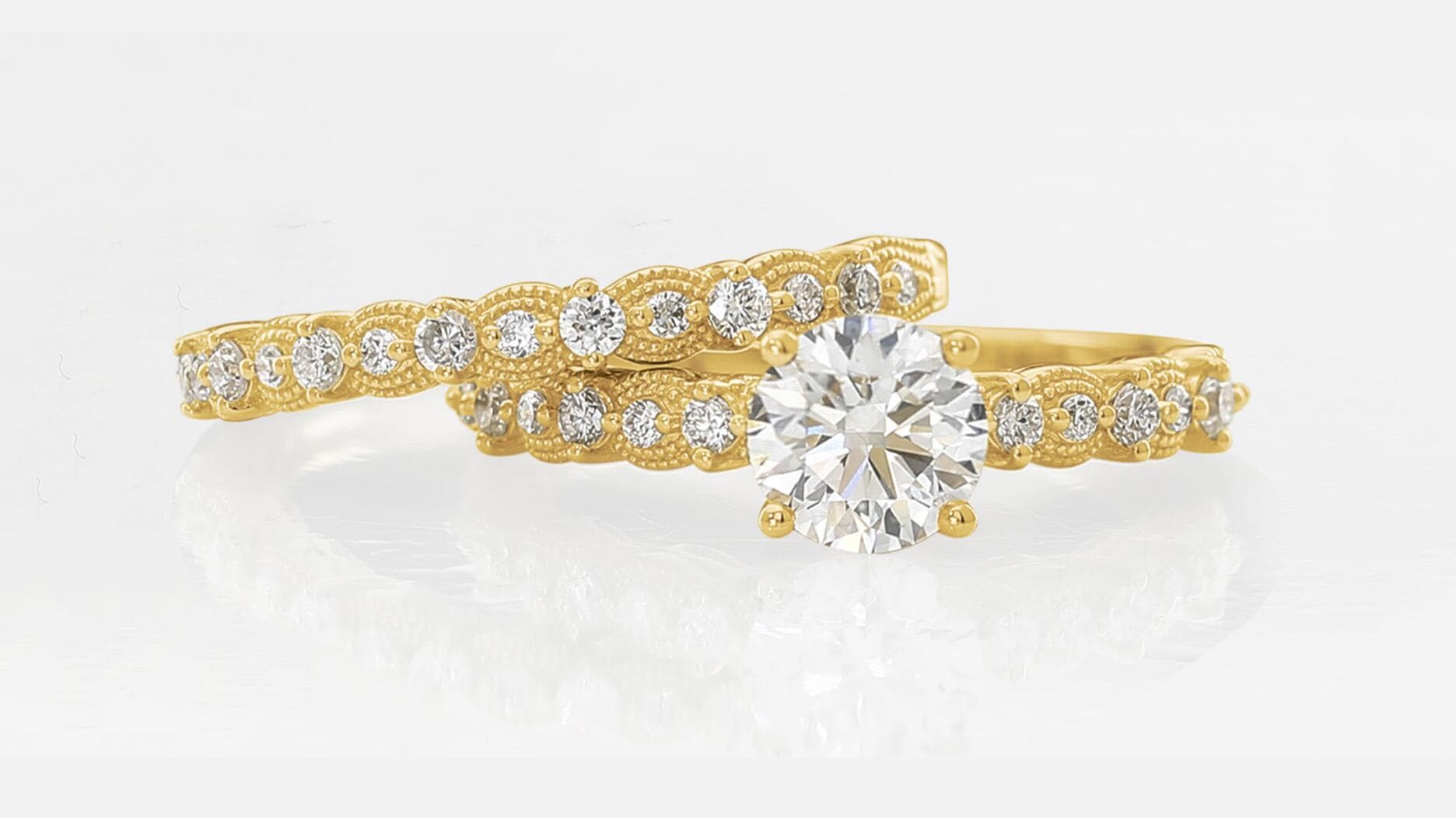
The round brilliant is the benchmark for sparkle. Princess cuts are square modified brilliant cuts with pointed corners and more than 50 chevron-shaped facets. Emerald cuts take the opposite approach: they are octagonal step cuts with a large open table that puts color and clarity on display. Cushion cuts, sometimes called pillow cuts, soften the geometry with rounded corners and a square or rectangular outline. Those differences are not subtle once the ring is on the hand, because each shape covers the finger differently and changes the way the stone reads in profile and from above.
De Beers groups those outlines into three faceting families: round brilliant, step cut and princess cut. In that framework, oval, pear, cushion and marquise are round-edged shapes derived from the round brilliant; emerald is the classic step cut; princess is the square version of the brilliant cut.
Cut is what makes the stone come alive
Cut is where the light show begins. The Gemological Institute of America assigns cut grades only to round brilliant diamonds, because they are the only cut with standardized facets. Every other outline falls into the category of fancy shapes, which means you can compare them by beauty and proportion, but not by the same cut-grade system used for round stones.
The proportions of a diamond affect how it interacts with light and how attractive it appears face-up. A diamond can score beautifully on color and clarity and still look flat if the cut is off. Cut determines sparkle more than anything else, and the round brilliant is designed to optimize brilliance and reflect light in a play of fire and contrast.
The anatomy of the round brilliant explains why. The standard round brilliant has 57 or 58 facets, with the 58th facet being the culet. The modern round brilliant did not arrive fully formed; by 1750, after many variations in facet size and proportion, it had already developed a circular face-up outline.
Why two diamonds with the same carat can look so different
Carat measures weight, not visual spread. Two diamonds with the same carat can have very different face-up appearances depending on how their weight is distributed. A deeper stone may hide more of its weight below the girdle, while a shallower, well-proportioned stone can look larger from above. Proportions affect both light performance and face-up appearance.
This is where shape complicates the comparison. An oval’s outline stretches the eye across a longer surface. Oval shapes can create the illusion of a larger carat weight and can make fingers appear more slender. A pear cut does something similar, pairing the sparkle of a round brilliant with the tapering elegance of a marquise. In contrast, an emerald cut may look more composed and more open, because its step facets and broad table emphasize clarity rather than a crushed-ice effect.
The practical result is that two one-carat diamonds can deliver completely different experiences. One may read as bold and compact, another as elongated and elegant, and a third may flash harder because the cut returns light more efficiently.
How to choose: follow the look, then protect the light
If brilliance is the priority, start with cut quality, especially in a round brilliant. Tiffany offers triple excellent cut on all round brilliant engagement diamonds. A round stone with strong cut performance is the safest route when you want the most predictable sparkle and the cleanest benchmark for value.
If silhouette is the priority, choose shape first and judge the cut within that outline. Ovals lengthen the finger and can make the stone look larger. Pears taper elegantly and can feel more distinctive. Emerald cuts trade fire for clarity and structure, which suits someone who prefers a calmer, more architectural look. Princess cuts bring a sharp square profile with substantial scintillation, and cushion cuts soften the corners without losing symmetry.
A simple framework keeps the decision honest:
- Choose cut first when you want maximum brilliance, or when comparing round brilliant diamonds side by side.
- Choose shape first when the ring’s outline, finger coverage and visual character matter more than raw sparkle.
- Use carat as a weight measure, not a promise of size, because proportions can make the same weight look fuller or more compact.
- Treat the round brilliant as the most standardized option, since cut grades are only assigned there and the light performance is easier to compare.
The round brilliant’s legacy still sets the standard
Tiffany has featured the Tiffany Setting with a round brilliant diamond since 1886. The setting raises the diamond to catch light from more angles and lets the cut do its work.
De Beers cutters aim for maximum beauty, not weight, and evaluate each rough diamond individually to determine which cut will best reveal its character.
This article was produced by Prism’s automated news system from verified source data, official records, and press releases, then run through automated quality and moderation checks before publishing. The system is built and supervised by the people who set the standards it runs under. Read our full AI policy.
Did this article answer your question?