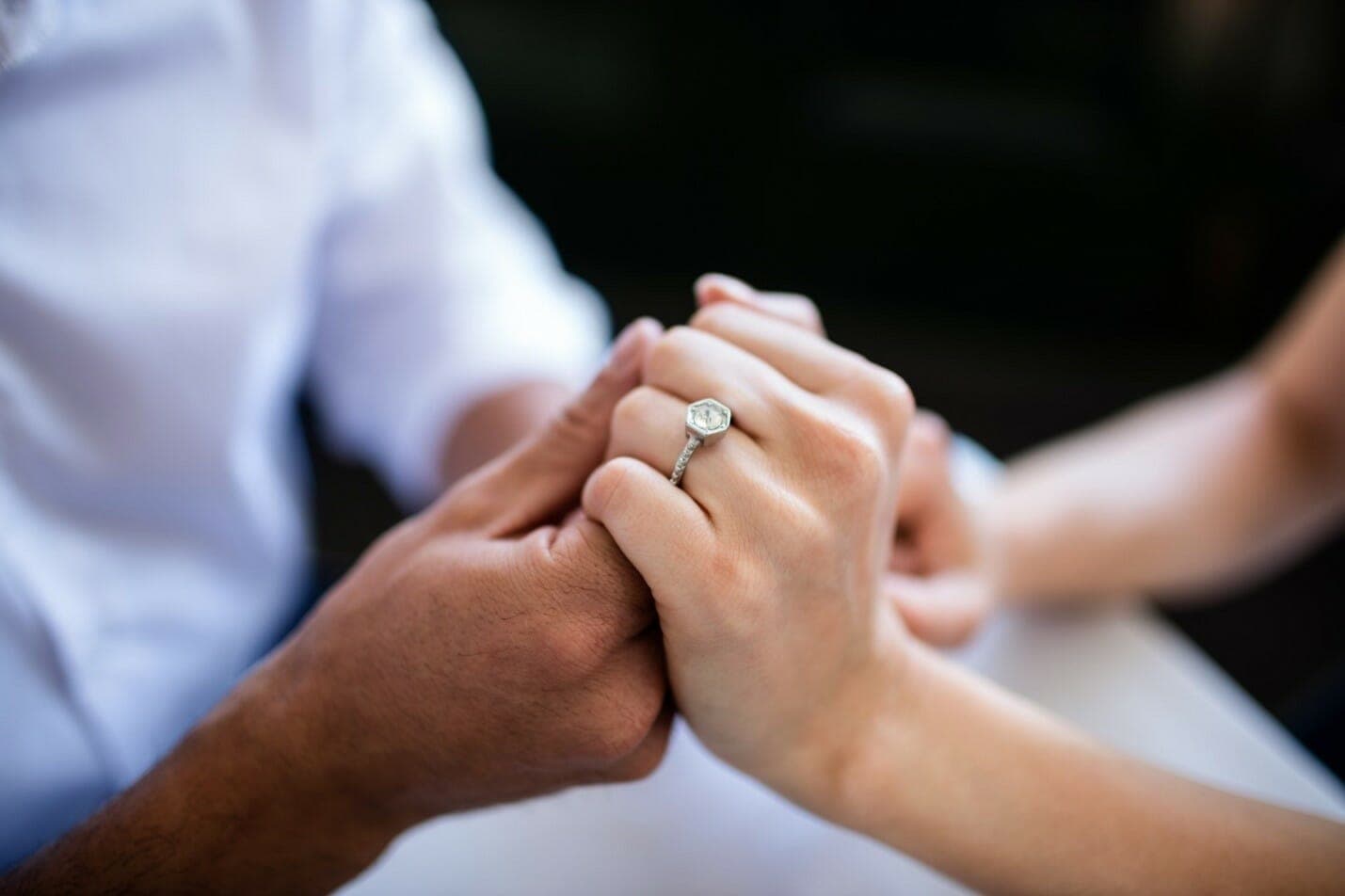
Engagement rings split between aspirational buys and ultra-luxury demand
The engagement-ring market is cleaving in two, with buyers chasing either entry-level value or statement luxury while the $5,000 to $10,000 middle looks thinner.

The engagement-ring case now looks unmistakably K-shaped. At Couture in Las Vegas, retailers described a market that still spends, but spends with more force at the top and more caution at the entry level, while the familiar $5,000 to $10,000 middle feels less central than it once did. The new rule is simple: fewer purchases, more scrutiny, and a sharper demand for pieces that feel durable, meaningful, and worth the money.
The missing middle is where the pressure shows
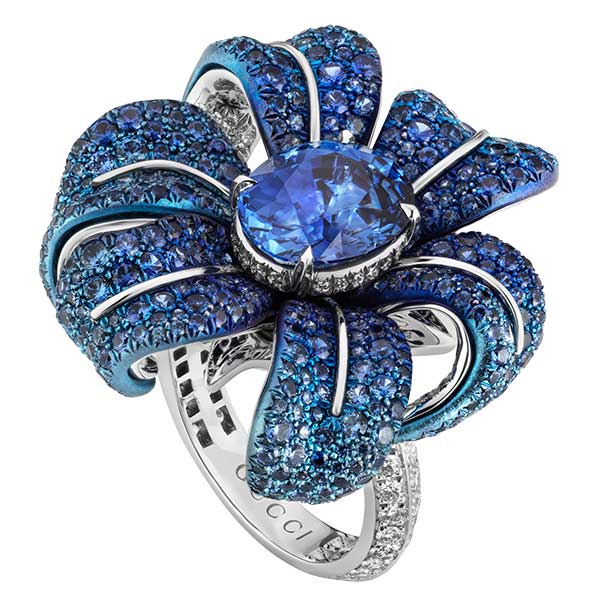
What makes this split so visible is the kind of product that moved around the show floor. On one side, retailers were still seeing demand for important diamonds, substantial gold jewelry, and exceptional colored gemstones. On the other, designers were finding traction with alternative materials, mixed-media construction, and more accessible entry points, a sign that the middle is being squeezed not by a lack of appetite, but by a lack of conviction.
That pressure is not confined to the bridal case. Bain & Company said jewelry remained a strong category even as the broader luxury market stabilized, and it pointed to relatively steady performance in the Americas as high-end consumers regained confidence. In other words, the category is healthy, but it is fragmenting: aspirational shoppers are still willing to spend, while affluent clients are paying up for pieces that feel singular enough to justify the leap.
Bridal buyers are choosing character over default perfection
The modern engagement-ring customer is not shopping for a single universal answer anymore. Natural Diamond Council trend coverage for 2026 says couples are leaning toward rings with character, color, and individuality, while industry summaries note that engagement-jewelry spend reached US$7,364 on average, up 9% year over year. That combination tells you a lot about the current mood: buyers still value diamonds, but they want a ring that reads as personal, not merely expensive.
That shift is also being accelerated by the way people shop. Online research and social media now shape a large part of the engagement-ring journey, which helps explain why design differentiation matters so much. In a feed-driven market, a ring has to photograph well, feel distinct at a glance, and carry a story that can survive comparison shopping.
The styles winning share are more specific, and more polarizing
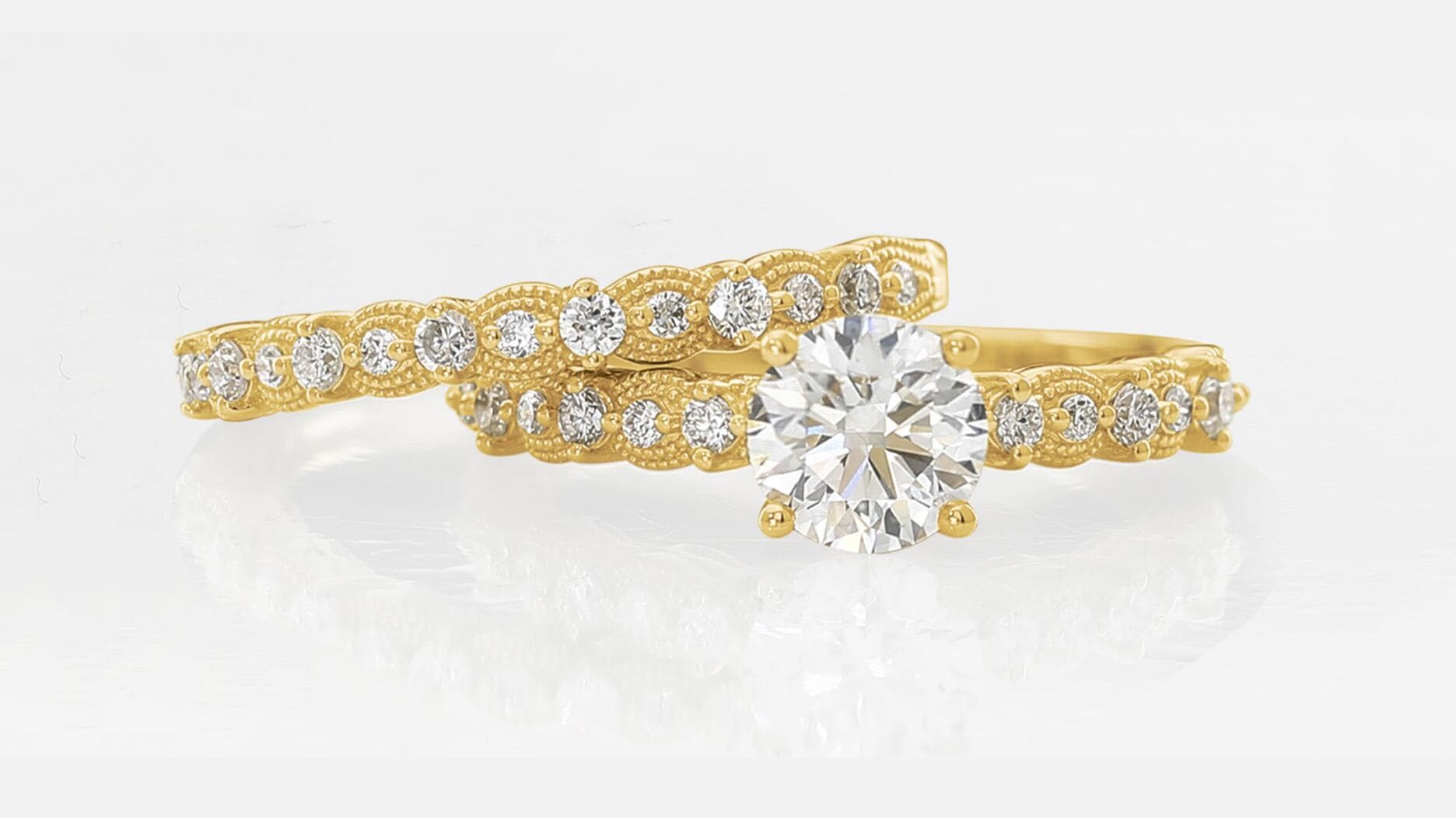
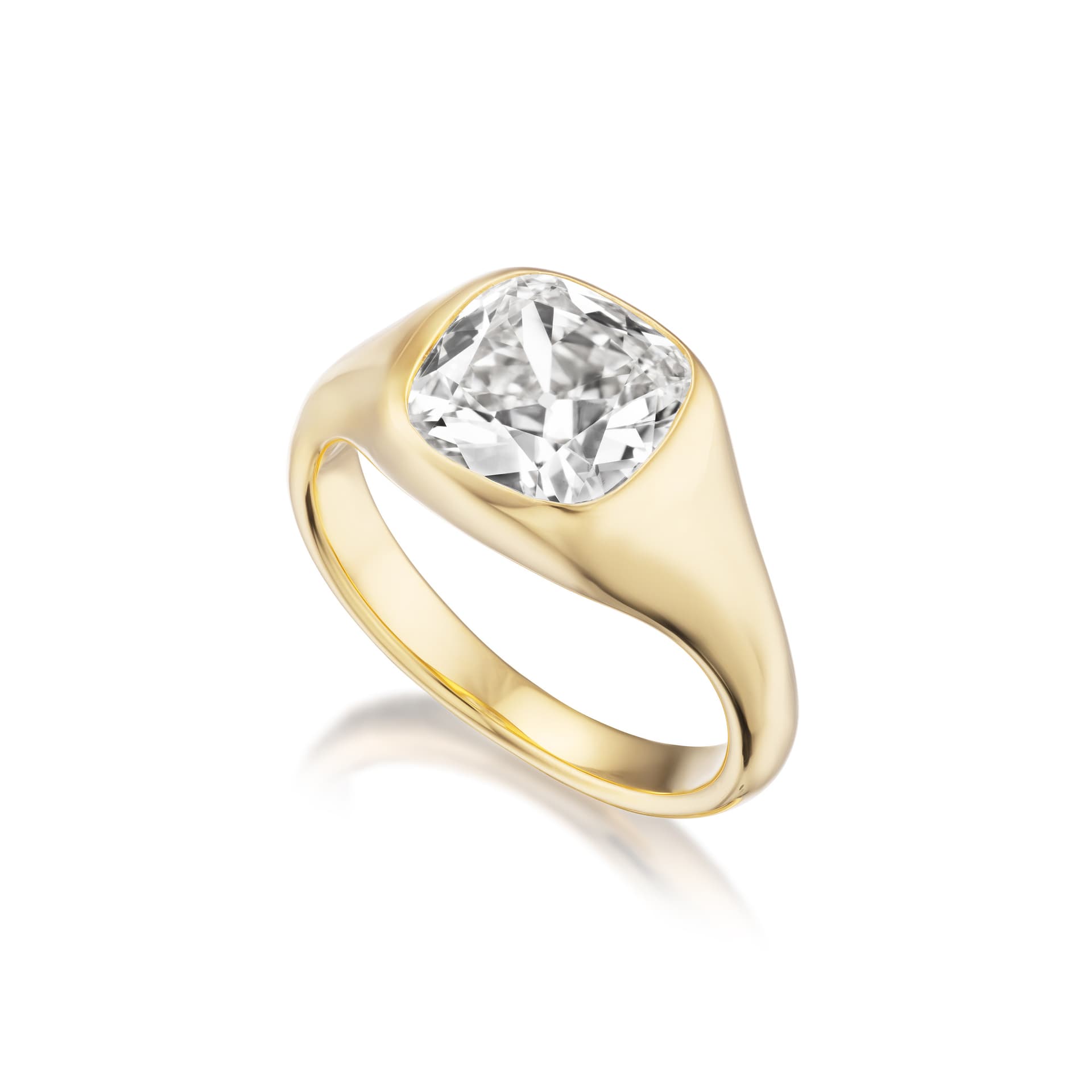
The strongest bridal styles now sit on either side of the split. The more accessible end includes lab-grown rings and value-forward designs, including a lab-grown hidden-halo collaboration that retailed at $1,790, a clear signal that playful, colorful, lower-barrier pieces are finding a home. The luxury end stretches the other way, toward statement solitaires and custom work, such as a chunky east-west ring estimated at $300,000 to $450,000, with a 4 to 6 carat center stone and a burnish-set finish.
In between, the language of the ring has become more inventive. WWD’s earlier bridal coverage highlighted toi et moi silhouettes and floating-diamond ideas, while other 2026 trend reports point to east-west settings, bezel-set solitaires, hidden halos, oval centers, and antique-inspired cuts such as old mine and elongated cushion shapes. Yellow gold is back in force, emerald cuts still hold their composure, and round diamonds continue to endure, but the market now rewards interpretation over default tradition.
That is why the Couture floor mattered. The show’s roster, from Anita Ko and Bayco to Jade Trau, Marco Bicego, Moritz Glik, Oscar Heyman, Paspaley, Pomellato, Roberto Coin, Spinelli Kilcollin, Tacori, Temple St. Clair, Yeprem, and others, reflected the kind of design-led fine jewelry that benefits when buyers are either moving down into accessible pieces or up into collectible ones. Brands with a clear point of view, visible handwork, and a recognizable silhouette are better positioned than generic mid-market offerings that can be swapped out by price alone.
Why provenance matters more when the middle weakens
The provenance conversation is getting harder to dodge, especially as shoppers become more selective. If a brand is leaning on “sustainability” without saying what the stone is, where it came from, or what the setting is made of, that claim is thin. GIA’s natural-diamond grading reports assess shape, color, clarity, cut, carat weight, proportions, finish, and treatments, and its origin reports can identify geographic origin; IGI’s reports clearly identify natural or lab-grown origin and document the 4Cs, while its jewelry reports also capture mounting specifics and craftsmanship details.
That paperwork matters because the market is asking buyers to pay for more than size. It is asking them to pay for durability, design intelligence, and a story that can be defended under close inspection. In the current split, the strongest rings are the ones that make their value legible, through gold weight, stone quality, documented origin, or a setting that does something more interesting than repeat the past.
The buying lesson
The missing middle is not disappearing because couples care less about rings. It is disappearing because they care more, and they are refusing to settle for a mid-tier price attached to a forgettable design. The opportunity is real for rings that are either beautifully priced at the entry level or convincingly extraordinary at the top, but the warning sign for the trade is just as clear: if a ring cannot justify its cost with craftsmanship, materials, and provenance, the modern bridal buyer is likely to keep walking.
This article was produced by Prism’s automated news system from verified source data, official records, and press releases, then run through automated quality and moderation checks before publishing. The system is built and supervised by the people who set the standards it runs under. Read our full AI policy.
Did this article answer your question?