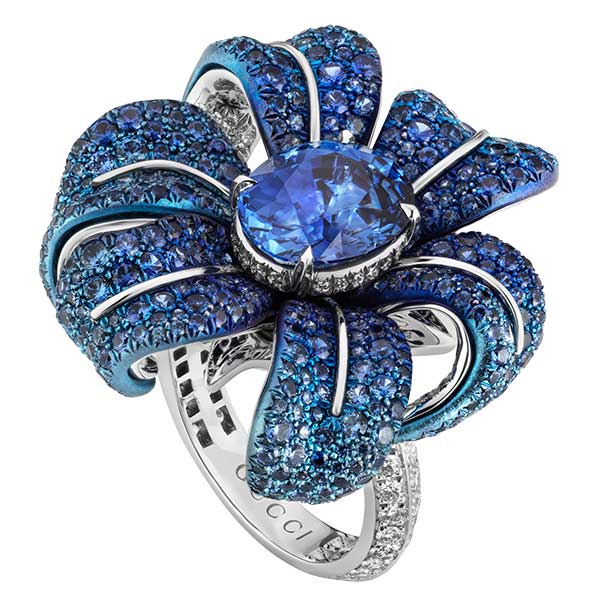
Ethical engagement rings gain appeal as buyers seek sustainable sparkle
Ethical rings are now a value story, not just a values story. Recycled gold, lab-grown stones, and clean provenance are reshaping what feels worth buying.
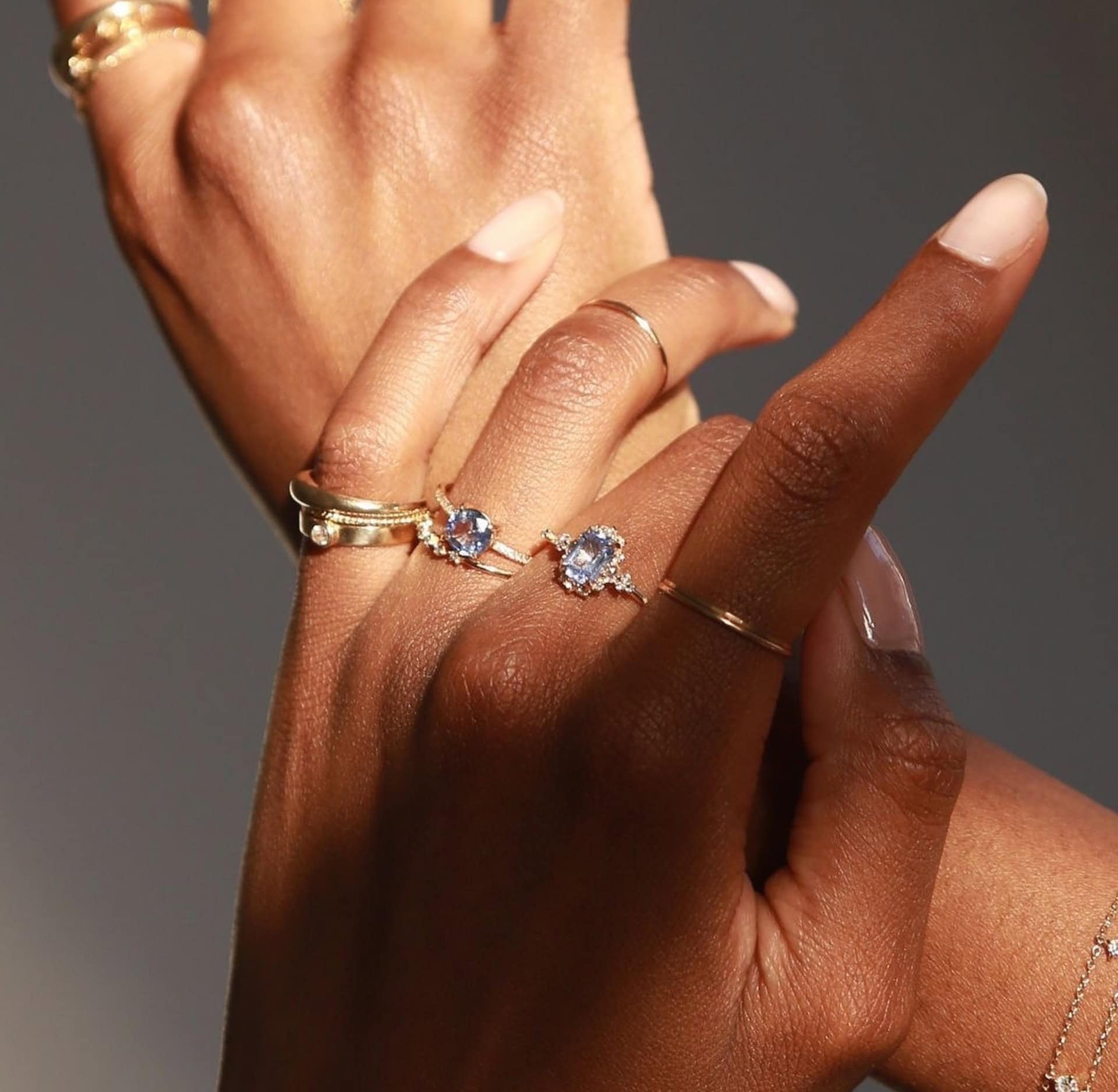
Ethical engagement rings are no longer a compromise buy. The strongest 2026 options pair recognizable design with clearer sourcing, from recycled-gold bezels and east-west settings to conflict-free diamonds and lab-grown stones that arrive with real paperwork, not vague promises.
The ethical brief has become a design brief
The most useful shift in this market is that ethics now shows up in the ring itself. The Good Trade’s June 8 guide centers recycled or fair-trade gold, conflict-free diamonds, and sustainably sourced gemstones, while the Responsible Jewellery Council says its standards now reach more than 2,000 companies across the jewelry and watch supply chain. Its Code of Practices spans gold, silver, platinum-group metals, diamonds, and colored gemstones, and its Laboratory Grown Material Standard adds a separate framework for lab-grown diamonds and lab-grown colored gemstones.
That matters because ethical language has become crowded, and buyers are right to ask what is actually being certified. The RJC framework is one of the few broad industry standards that tries to follow the material from sourcing to sale, which makes it more useful than a brand simply saying a ring is “sustainable.” In practice, the best rings now come with a material story you can verify, not just admire.
The market is rewarding proof, not just polish
De Beers’ June 2026 Diamond Report, based on responses from 18,500 women in the U.S., shows how sharp the shift has become. Average diamond purchase prices were up 25%, Gen Z is now the second-largest generation buying diamonds, non-bridal occasions account for three-quarters of U.S. diamond demand, and synthetic lab-grown diamonds made up 15% of U.S. independent jeweler sales in 2025. At the same time, De Beers says natural diamonds remain the most desired luxury jewelry product in its research.
That split explains the new ethical ring brief. Lab-grown diamonds are no longer a fringe alternative, but natural diamonds still carry the deepest prestige signal, especially when the stone is traceable and the setting is built to last. If you are thinking about future resale, that tension matters: the safest long-view choice is still a classic, well-proportioned ring with a transparent paper trail. That is an editorial judgment, but it follows the market’s continued preference for natural diamonds and the durability of restrained settings.
Where the value sits at lower and mid budgets
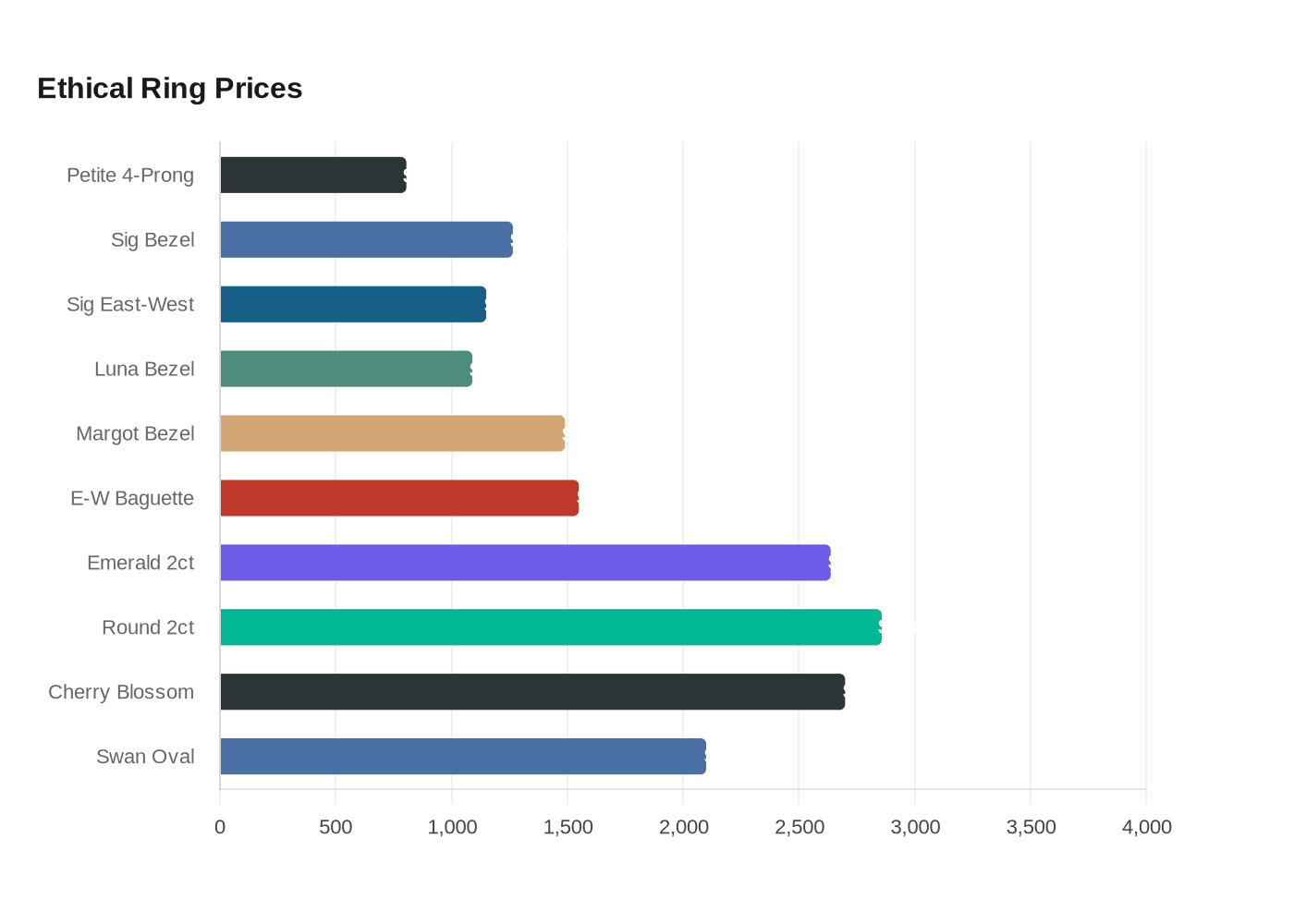
For buyers who want the cleanest look without drifting into hype, the simplest solitaires and sculptural bezel settings deliver the most design per dollar. VRAI’s Petite 4-Prong Engagement Ring starts at $805, the Signature Bezel Engagement Ring starts at $1,265, and the Signature East-West Engagement Ring starts at $1,150. Brilliant Earth’s Luna 2mm Bezel Ring starts at $1,090, while the Margot Bezel Ring in 18K yellow gold is $1,490 for the setting only, and the East West Tapered Baguette Diamond Ring in 18K yellow gold is $1,550 for the setting only.
Those shapes are not just fashionable, they are practical. Brilliant Earth describes the east-west setting as running the stone parallel to the ring, which creates a longer look on the finger and can make the center stone read larger. Its bezel rings frame the stone with a protective border, while a solitaire keeps the profile plain and the center stone front and center. If you want a ring that feels current but not disposable, this is the most convincing lane.

Lab-grown diamonds are the strongest stretch option
If your goal is visible size with a controlled budget, lab-grown rings now occupy the most interesting middle ground. AUrate’s 2ct Emerald Lab Grown Diamond Solitaire Ring is $2,638 in 14K gold, its 2ct Round Lab Grown Diamond Solitaire Ring is $2,858, and Catbird’s lab-grown engagement ring assortment includes the Cherry Blossom Lab Grown Diamond Ring at $2,700 and The Swan Solitaire Oval Lab-Grown Diamond Ring from $2,100. Quince also offers lab-grown diamond engagement rings from $2,900 in 14K gold, including solitaire, halo, and pavé styles.
This tier is where certification and material honesty matter most. The Good Trade notes that both natural and lab-grown diamonds can be graded and certified by major labs such as GIA and IGI, and it points out that lab-grown diamonds are inherently traceable because they are made in controlled environments. Catbird’s engagement ring collection explicitly uses recycled diamonds, lab-grown diamonds, recycled solid gold, and ethical stones, which gives the category real material clarity rather than vague green gloss.
Natural diamonds still have a place, if the provenance is clean
For buyers who want a mined diamond, the most compelling argument is traceability, not old-fashioned status. Brilliant Earth says its recycled diamonds require no new mining, and its natural diamond listings include origin details, such as a 2.01 carat radiant diamond from Botswana with a Super Ideal cut, J color, SI2 clarity, a GIA certificate, and a professional appraisal. Brilliant Earth also identifies itself as offering conflict-free diamonds from Canada, fair-trade sapphires, and eco-friendly gold and platinum.
That provenance story is strongest when the setting is restrained. A bezel or east-west mount keeps the ring visually modern while allowing the stone’s quality and documentation to do the talking. For a buyer who values both legacy and ethics, that combination is more convincing than a trend-driven halo with no sourcing details.
Moissanite remains the sharpest entry point
Moissanite still makes sense when the budget is tight but sparkle is non-negotiable. Charles & Colvard’s Forever One moissanite engagement rings start with pieces such as the Round Brilliant Simple Solitaire in 14K white gold from $1,149, and the brand also offers moissanite bridal sets in gold and platinum with a limited lifetime warranty. The Good Trade’s broader jewelry coverage also keeps moissanite, traceable gemstones, recycled gold, and small-batch or woman-owned brands in the conversation, which is useful because it broadens the definition of ethical value beyond diamonds alone.
What separates a smart ethical ring from a merely well-marketed one is simple: the metal source is clear, the stone type is named, the setting is honest about its structure, and the paperwork matches the promise. In 2026, the most desirable sustainable sparkle is not the loudest one, but the one that can explain itself in full.
This article was produced by Prism’s automated news system from verified source data, official records, and press releases, then run through automated quality and moderation checks before publishing. The system is built and supervised by the people who set the standards it runs under. Read our full AI policy.
Did this article answer your question?