Expressive engagement rings gain ground as solitaires fade
East-west ovals, vintage cuts and half-bezel settings are replacing the safe solitaire, as buyers chase rings that feel personal and hold attention.
The solitaire is no longer the default answer to the engagement-ring question. In its place, rings with visible character, sideways stones, sculptural clusters, vintage-inspired cuts, and half-bezel settings are becoming the new status signal, the kind of piece that reads as both intimate and intentional. The shift is not just aesthetic; it reflects a market where buyers want rings that feel more personal, more wearable, and more likely to look right years from now.
Why the market is moving
The numbers show that the old script has already loosened. The Knot’s 2024 Jewelry and Engagement Study found that round center stones still led at 28 percent, but oval rings were close behind at 25 percent. Over the longer run, round-diamond popularity has fallen 21 percent since 2015, while oval-ring popularity has risen 23 percent over the same stretch. That is not a fleeting swing in taste. It is a steady shift toward shapes that carry a little more silhouette and a little more personality.
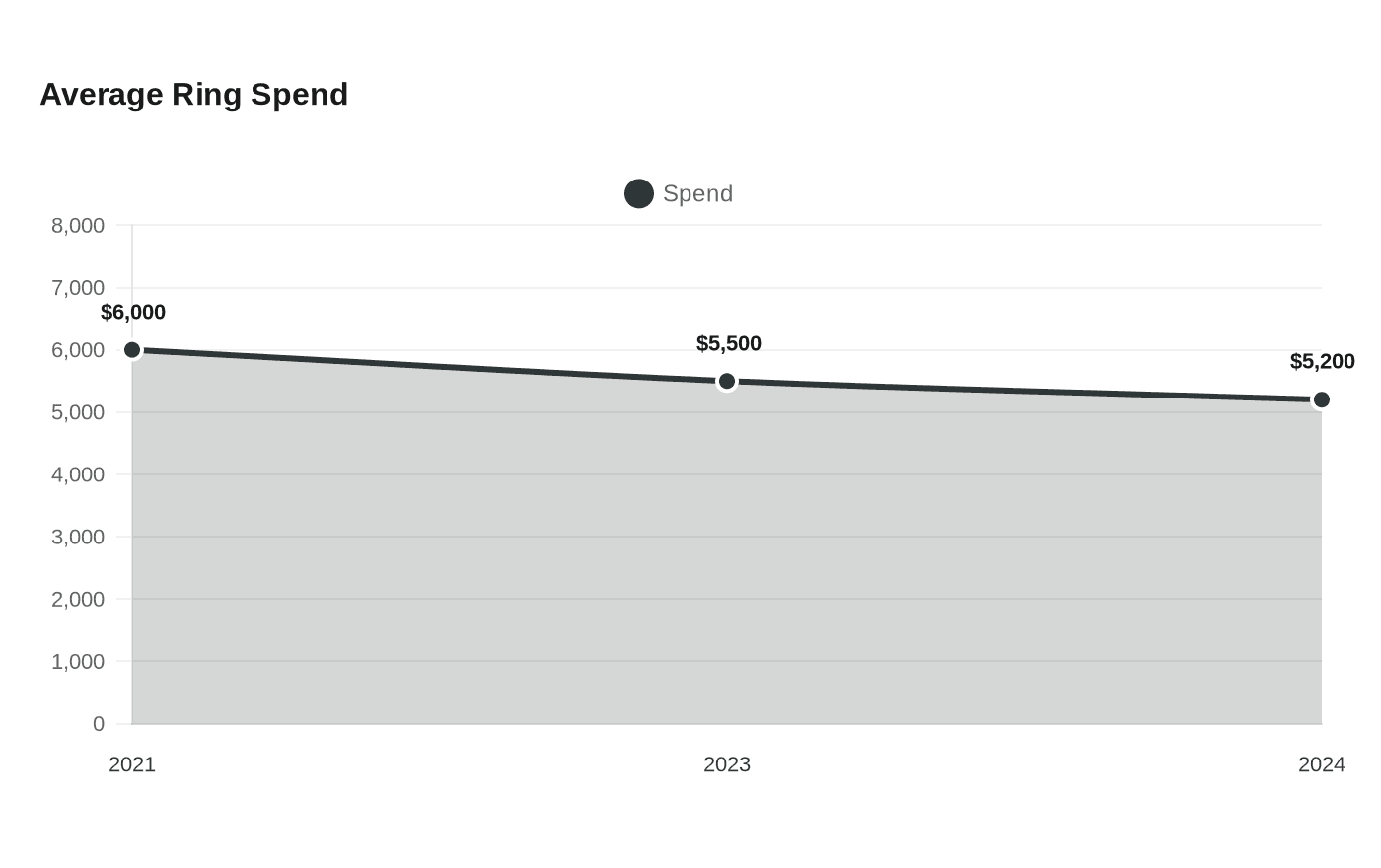
The same study showed that 52 percent of engagement rings in 2024 featured a lab-grown diamond, a six percent increase from 2023. Average engagement-ring spend also fell to $5,200, down from $5,500 in 2023 and $6,000 in 2021. Put together, those figures suggest a market that is making room for larger looks, more expressive layouts, and a wider range of price points. The ring no longer has to be the most conservative object in the room to feel like the big purchase.
De Beers’ June 11, 2026 U.S. Diamond Acquisition Study adds another layer to that picture. Based on responses from 18,500 women ages 18 to 74, it found that natural diamonds remain the most desired luxury jewelry product, ahead of lab-grown diamonds, other gemstones, and plain gold jewelry. It also reported that average natural-diamond purchase prices rose 25 percent in 2025, Gen Z is now the second-largest generation buying diamonds, and non-bridal occasions account for three-quarters of U.S. diamond demand. That matters because it shows engagement rings are now living in a broader jewelry culture, one that prizes self-expression as much as ceremony.
The silhouettes defining 2026
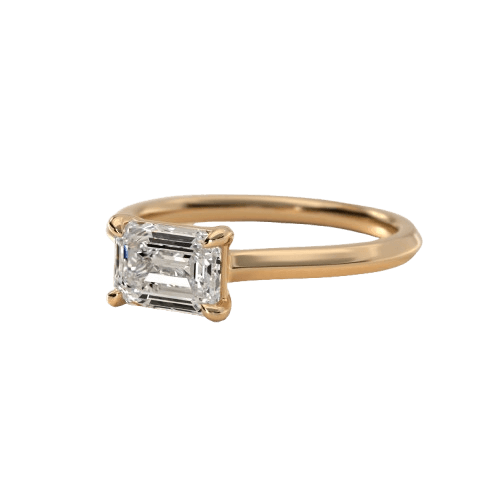
The new ring language is easy to picture. East-west settings place the stone horizontally across the finger instead of upright, which instantly makes familiar shapes feel fresher. A marquise laid sideways looks elongated and graphic; an oval gains a sleeker, more fashion-forward profile; an emerald cut can feel architectural rather than purely traditional. The appeal is not only that these rings look different, but that they read as deliberate from across the room.
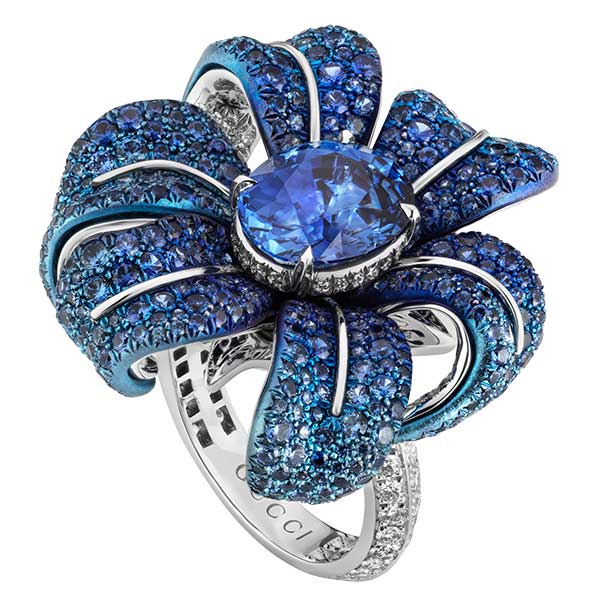
Vintage-inspired cuts are also gaining ground because they soften the hard line between antique and modern. Their appeal lies in detail, not just size: step cuts, old-world faceting, and softened outlines give the stone more texture and presence. Bold clusters push the idea further by using multiple stones to create spread and sparkle, turning scale into design rather than relying only on one large center stone.
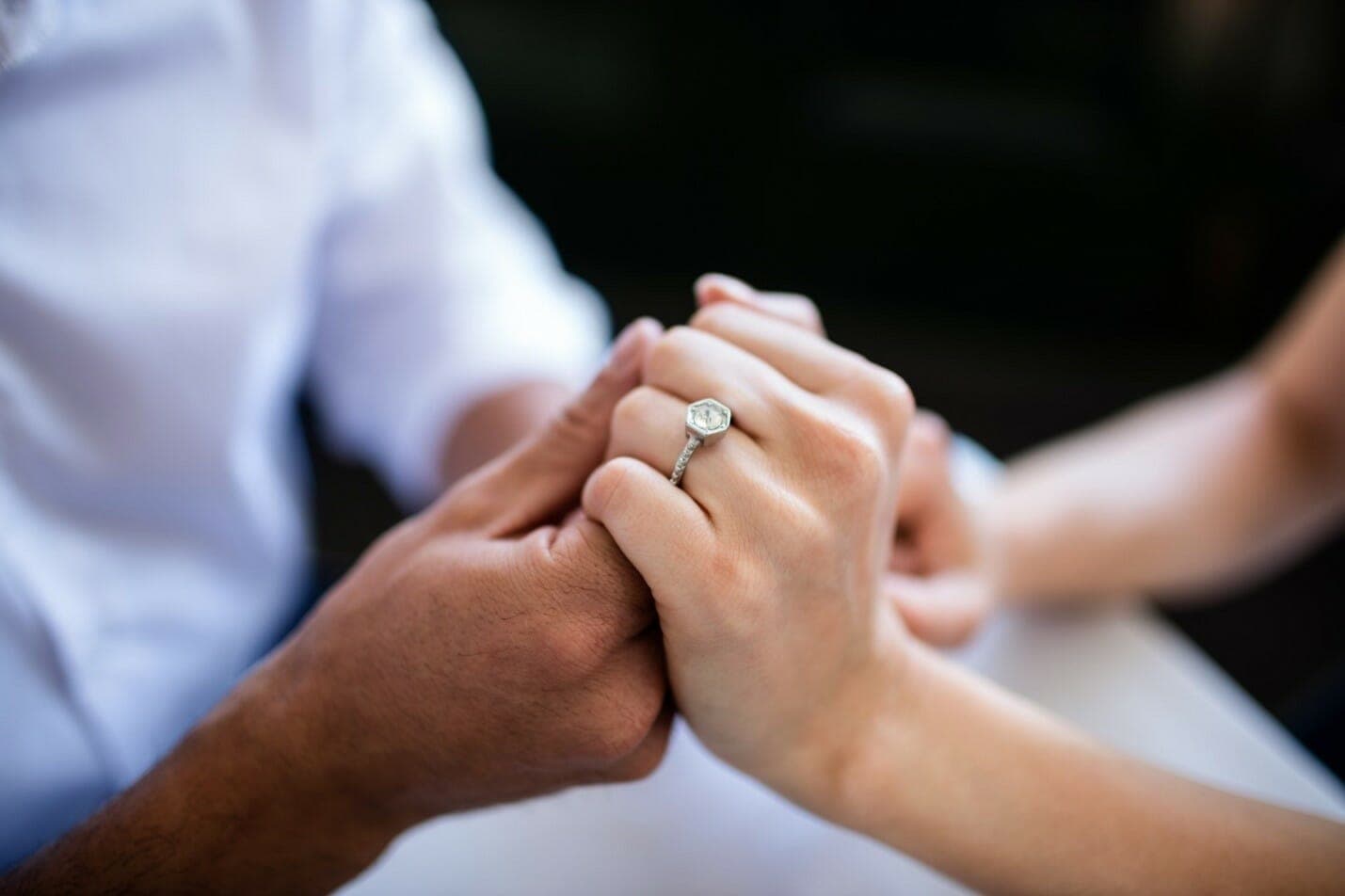
Half-bezel details are the quiet power move in the group. They frame part of the stone while leaving the rest exposed, which gives the ring a more engineered, contemporary feel and often a more secure hold than a fully open mount. In a market where buyers want beauty without fragility, that blend of protection and polish makes sense. It is also why these settings feel less like fashion experiments and more like the beginning of a new default.
Metal matters again
The shift away from the white-metal solitaire is as important as the stone itself. National Jeweler’s March 5, 2026 trend coverage, which drew on a jewelry historian, a designer, a bridal director, and a wedding expert, said the old rule that engagement rings should be white-metal solitaires no longer holds. Jewelry historian Marion Fasel noted that in the early 2000s, white metal was treated almost like a law because it made diamonds appear more colorless. Today, the hierarchy has flattened. Yellow gold is back, fancy shapes are in, and the setting itself is doing as much storytelling as the center stone.
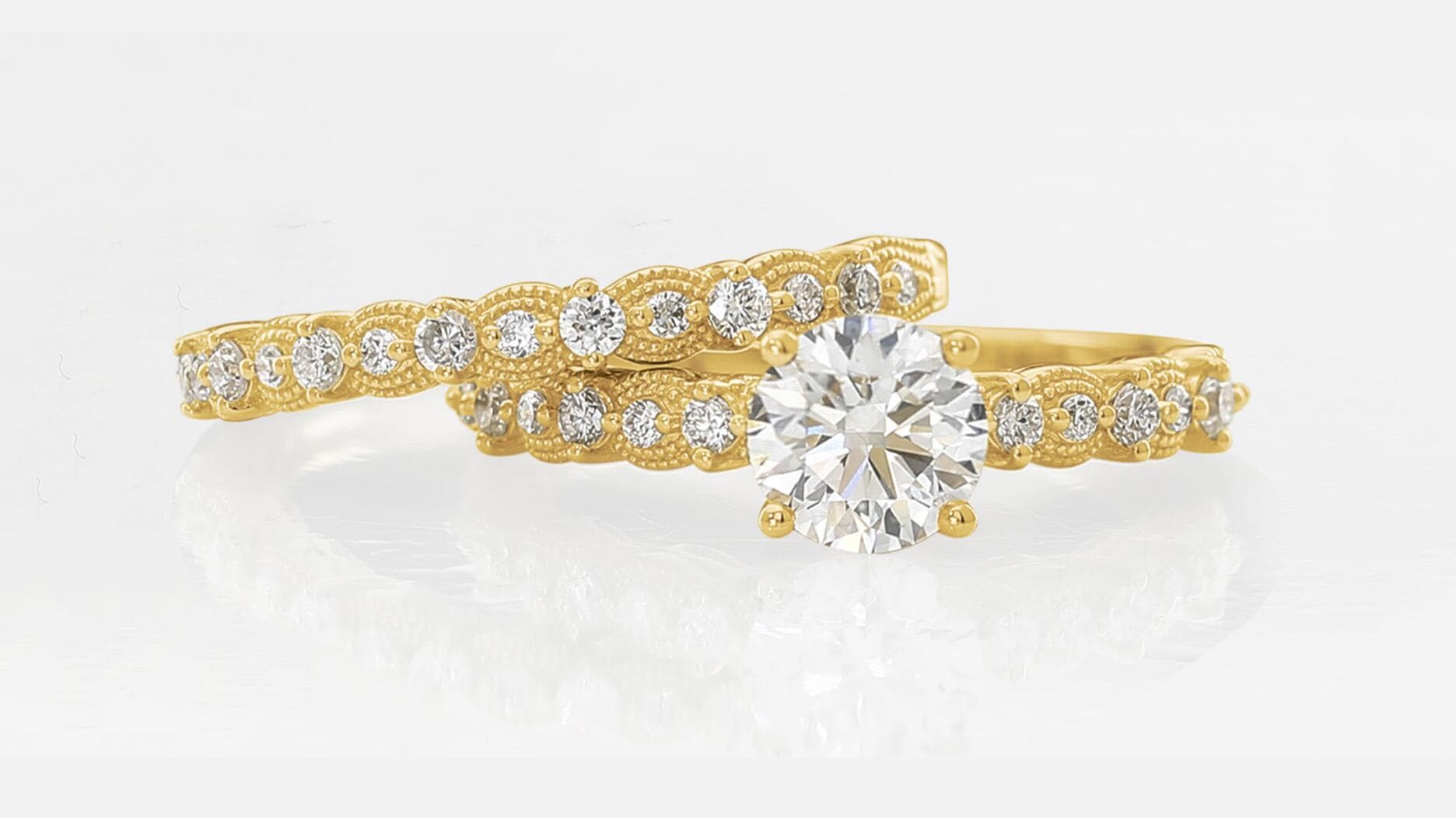
That matters because metal changes the whole mood of the ring. Yellow gold can warm a diamond and give a cluster or east-west setting more contrast. A thicker shank or a more substantial bezel gives the ring visual weight, which is part of why these newer styles feel so current. The stone is still the headline, but the frame has become impossible to ignore.
Celebrity engagements have accelerated that change. Experts quoted by The Zoe Report pointed to non-traditional cuts and values-aligned purchases as part of the cultural pull toward rings that look personal rather than prescribed. In practice, that means buyers are less likely to treat a round solitaire as the safest choice and more likely to ask what shape, what setting, and what metal best reflect the person wearing it.
What gives a ring staying power
If the question is which modern classics will keep holding attention, the answer is usually the ring with the clearest point of view. A sideways oval, a marquise in a low-profile bezel, or a vintage-inspired cluster has more identity than a standard single-stone mount, and identity is what keeps a piece from fading into the background. In a market where lab-grown stones have made larger looks more accessible and average spend has eased, the smartest ring is not always the biggest. It is the one with the strongest silhouette.
A good way to think about it is through three details:
- Shape: oval, marquise, and emerald cuts are leading because their outlines read instantly.
- Setting: east-west, half-bezel, and cluster layouts make the design feel intentional.
- Metal: yellow gold and more substantial bands give the ring weight and presence.
That combination is why the solitaire is losing ground. The new ideal is not minimalism for its own sake; it is a ring that feels considered from every angle, with enough design intelligence to look current now and still distinct later. In 2026, the engagement ring with staying power is the one that knows how to be memorable.
This article was produced by Prism’s automated news system from verified source data, official records, and press releases, then run through automated quality and moderation checks before publishing. The system is built and supervised by the people who set the standards it runs under. Read our full AI policy.
Did this article answer your question?