Gold Takes Center Stage as Collectible Engagement Rings Gain Favor
Gold’s surge is changing what engagement rings look like, from slimmer bands to collectible vintage pieces. Buyers are paying more for less metal, then leaning into design, history, and scarcity.
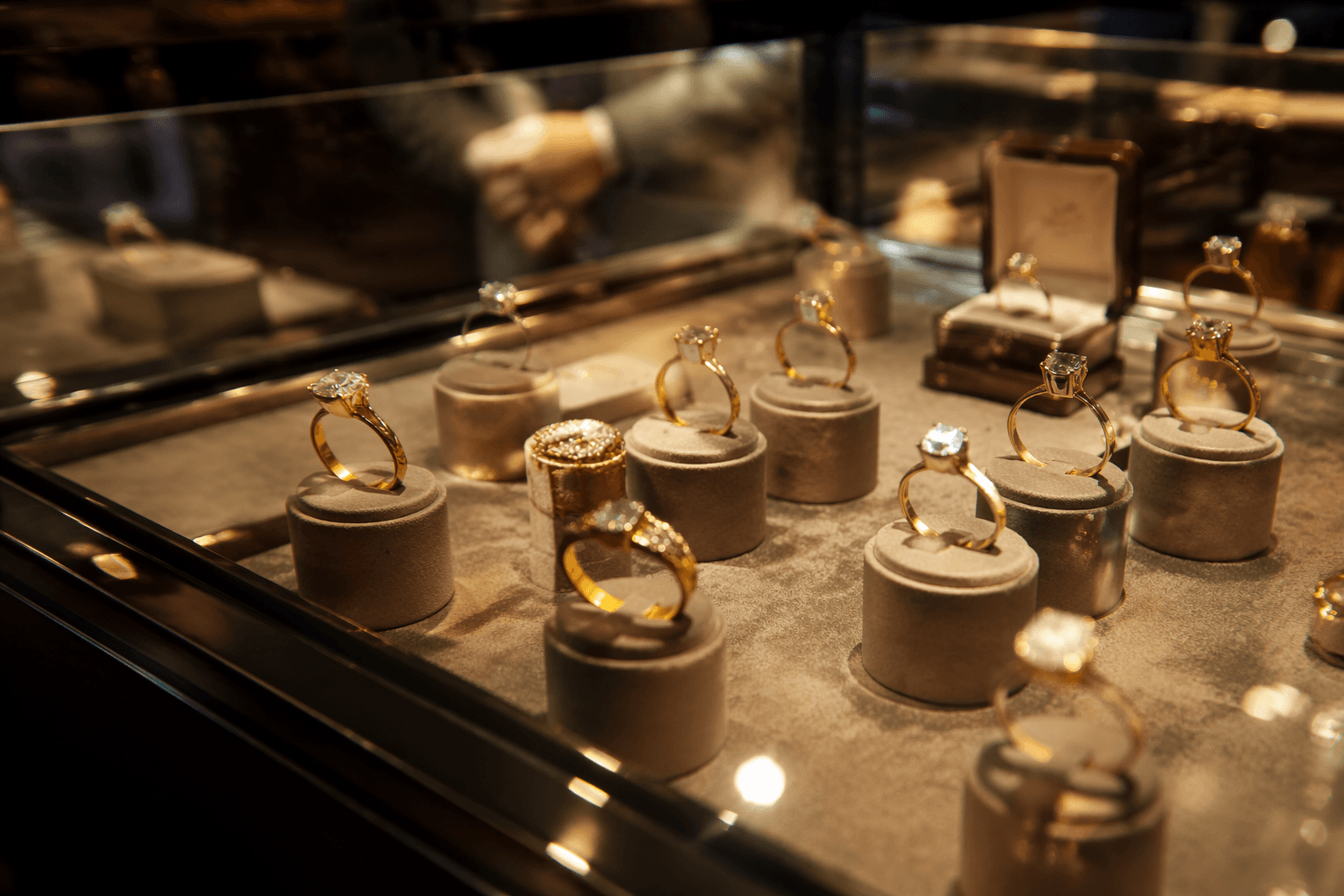
Gold’s higher price is reshaping the engagement ring
Gold is no longer just the metal that holds a stone in place. As prices climb, it is becoming part of the story buyers want to own, a material with visual presence, market weight, and a sense of permanence that now feels closer to an asset than an afterthought. That shift is nudging couples toward rings that read as deliberate and collectible: slimmer gold bands, mixed-metal compositions, sculptural settings, and vintage pieces with a point of view.
The pull is visible in the numbers. The World Gold Council said global gold demand in the first quarter of 2026 reached a record US$193 billion in value, even as jewelry volumes fell 23% year over year. Jewelry spending still rose 31%, a split that captures the moment perfectly: buyers are spending more, but getting less metal by weight. The LBMA gold price averaged a record US$4,873 an ounce in the quarter and briefly touched US$5,405 in January, forcing a new conversation around what a ring should look like when gold itself carries a premium.
What higher gold prices mean at the ring counter
For engagement rings, expensive gold changes the math in visible ways. A broader band, a heavier bezel, or a highly sculpted setting now adds materially to the cost, while a leaner shank can preserve budget for craftsmanship, stone quality, or a more distinctive silhouette. That does not mean rings are getting flimsy. It means the best designs feel economical in the smartest possible way, using proportion instead of excess.
The effect is especially clear in markets where consumers are already trading down in weight without abandoning the metal altogether. In India, Reuters reported that gold investment demand surpassed jewelry consumption for the first time on record in the March quarter of 2026. Investment demand rose 52% to 82 metric tons, while jewelry demand fell 19.5% to 66 metric tons, as domestic gold prices nearly doubled since the start of 2025. The World Gold Council said buyers there were moving toward coins, bars, and ETFs, and The New Indian Express noted that high prices were also pushing mass-market shoppers toward lighter-weight, lower-carat, and studded jewelry.
That logic carries straight into bridal. A couple choosing an engagement ring now may decide that the most elegant answer is not the heaviest one. A slimmer gold band can make a center stone look larger, a more restrained setting can keep the ring wearable, and a mixed-metal design can stretch the look of gold without making the whole piece feel visually thin.
Why collectible rings are rising alongside the price of gold
Gold’s new role is not only financial. It is aesthetic. JCK’s spring-summer 2026 runway coverage pointed to new maximalism, sculptural metal movement, and oversized silhouettes, all of which reinforce the idea that metal itself can carry a ring. In that climate, a gold engagement ring does not need to depend on an oversized gemstone to feel special. The setting can be the statement.
That helps explain the renewed appetite for collectible, non-gemstone pieces and vintage stock. Randi Molofsky’s For Future Reference launched at New York City market in February 2024 and later expanded into Bergdorf Goodman, Twist, Department in Nashville, and Bloomingdale’s in Costa Mesa. Molofsky has said she curates each assortment for a store’s specific customer, and JCK described her work as a “back to the future” era centered on pieces from the Victorian, Edwardian, and art deco periods.
For engagement-ring shoppers, that matters because vintage gold already carries a built-in sense of rarity. A well-chosen antique or vintage ring can offer ornate handwork, better proportions than many mass-produced modern settings, and a patina of history that new metal cannot fake. It also answers the current appetite for individuality better than a cookie-cutter solitaire ever could.
How style choices shift when gold is expensive
When gold prices rise, the smartest rings often become the most disciplined ones. A narrower band can still feel luxurious if the profile is clean and the finish is crisp. A setting with strong architectural lines can give the ring heft in appearance without relying on sheer volume of metal. Even a simpler silhouette can feel elevated if the proportions are exact and the craftsmanship is sharp.
Mixed metals are another practical response. Pairing gold with another metal can soften the impact of rising gold costs while creating contrast that makes the ring look more considered. The look is especially compelling in a market where buyers are already gravitating toward sculptural forms and collectible jewelry, because the mix of tones can read as intentional rather than budget-driven.
There is also a psychological shift at work. Gold feels more valuable now because the market says it is more valuable, and that changes how a ring is perceived. A couple may choose to keep the center stone modest while investing in a gold design that feels substantive on the hand, or they may favor vintage construction, where the material already carries history and scarcity.
What to look for if you want value without looking cautious
The new gold market rewards clarity. Pieces that balance visible design with restrained material use often deliver the strongest value story, especially in bridal. A ring does not need to be heavy to feel important, but it should feel intentional, whether that means a slim polished band, a sculptural profile, or a vintage ring whose age is visible in its details.
A practical buying checklist now looks like this:
- Favor proportion over bulk. A slimmer shank can preserve the presence of the center stone and keep the ring visually refined.
- Consider mixed metals when you want contrast and a lower gold outlay without losing warmth.
- Look closely at vintage and collectible pieces, especially from the Victorian, Edwardian, and art deco periods, where craftsmanship and rarity can replace raw weight as the source of value.
- Pay attention to whether the ring feels designed or merely reduced. Cost-saving is one thing; elegance is another.
The new bridal ideal
Gold’s rise has done something subtle but significant to engagement rings: it has made the metal visible again. In the past, buyers often treated gold as a neutral backdrop to the stone. Now, with the price of the metal climbing and collectible jewelry gaining ground, gold itself can be the point of the ring.
That is why the most compelling engagement rings right now are not necessarily the largest or the flashiest. They are the ones that use gold with restraint, intelligence, and a collector’s eye. In a market where jewelry volumes are down but spending is up, the ring that feels most current is the one that makes every gram count.
This article was produced by Prism’s automated news system from verified source data, official records, and press releases, then run through automated quality and moderation checks before publishing. The system is built and supervised by the people who set the standards it runs under. Read our full AI policy.
Did this article answer your question?