Groom-Led Proposals Put Natural Diamonds at the Center of Forever
Planned proposals are making the ring part of the choreography, and natural diamonds still carry the strongest sense of permanence. The design details now matter as much as the reveal.

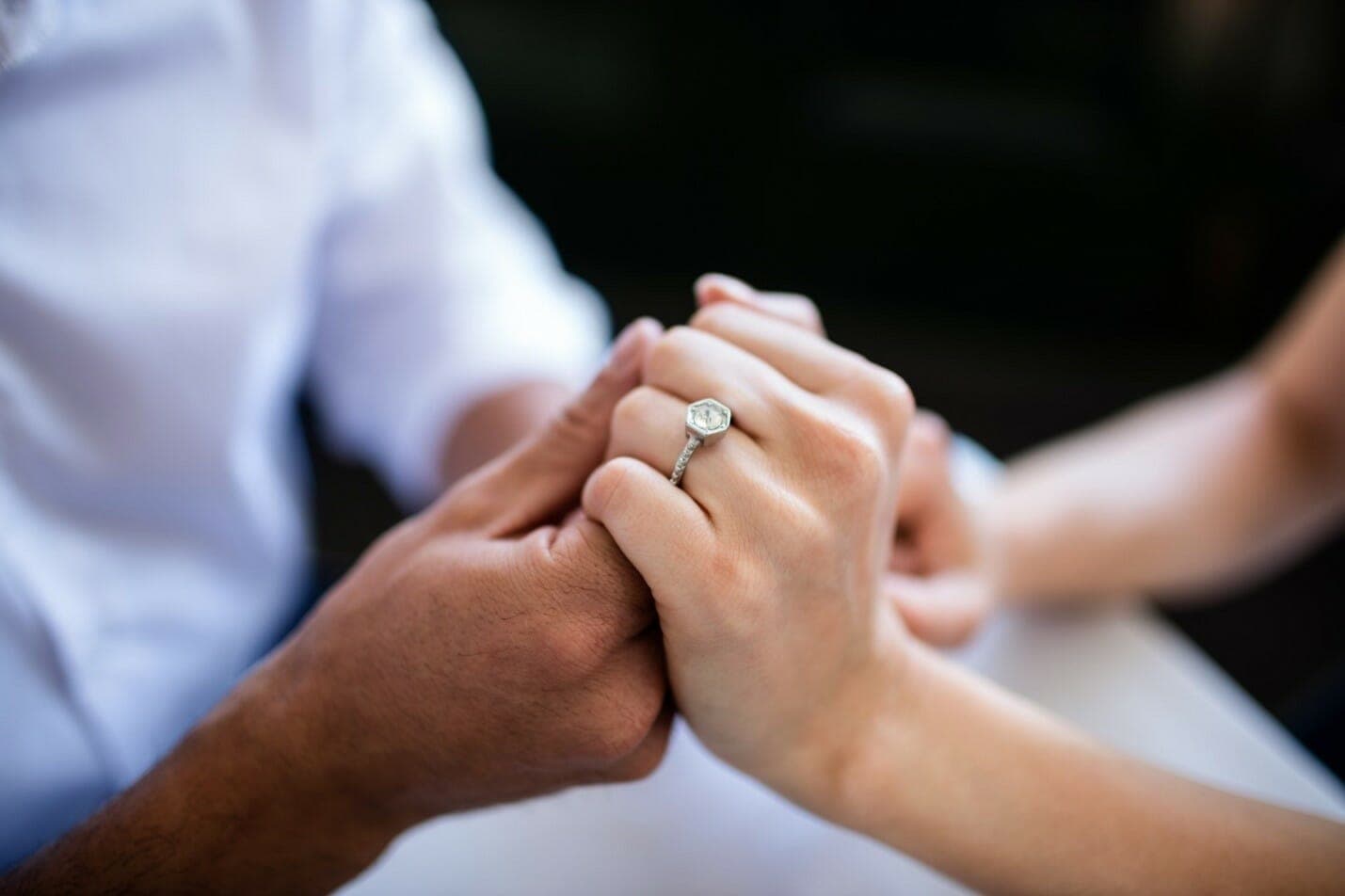
The ring is no longer the last detail of a proposal. In the strongest groom-led moments, it is the scene-setter, whether that means a pared-back round brilliant in platinum or a pear-shaped solitaire framed by micropavé. That shift reflects a bigger change in how couples get engaged now: The Knot found that 83% of proposals were planned ahead of time, based on responses from more than 7,800 couples in the United States, and 77% of proposees had some involvement in ring selection.
The proposal has become a design brief
Today’s proposal is often built like a project, not sprung like a surprise. The Knot’s data shows that 57% of couples started discussing engagement more than a year before the proposal, and among those who planned early, nearly half spent one to three months shaping the moment itself. That means the ring is chosen alongside the location, the timing, the photographer, and the emotional arc of the reveal. When a groom plans well, the stone, setting, and setting-in-motion all belong to the same story.
That is why collaborative ring design appointments matter so much in 2025. The Knot’s proposal-trend reporting points to more personalized, staged engagements, while its ring data shows that couples increasingly want the process to feel joint rather than hidden. A proposal can still be surprising, but the ring behind it is more likely to be selected with shared taste, clear boundaries, and a very specific vision for how the stone will look in one unforgettable photograph.
Why natural diamonds still anchor the moment
Natural diamonds remain powerful in this setting because they carry a narrative of origin and endurance. De Beers says it has been “the home of diamonds since 1888,” and the brand’s current engagement-ring framing leans hard into permanence, describing diamond rings as part of “a journey of forever” and encouraging shoppers to “plan the perfect proposal.” That language is marketing, of course, but it also reveals why natural diamonds are still central to the ritual: they are meant to feel singular, durable, and emotionally legible.
The ethical side of that story is in the details. De Beers says its diamonds are sourced from Botswana, Canada, Namibia, and South Africa, with each stone inscribed with the De Beers Marque as a guarantee that it is natural, untreated, and conflict-free or ethically sourced, depending on the page. The brand also points to Tracr, its blockchain platform, and to a direct connection to source as part of its provenance story. Those specifics matter because they move the claim beyond vague sustainability language and into something more testable: origin, traceability, and handling.
The ring details do the emotional work
The design language on De Beers’ current engagement-ring page shows how much personality can be carried by shape alone. The line spans platinum, yellow gold, and rose gold, with shapes including round, cushion, oval, pear, emerald, princess, and radiant, across 41 products. At the accessible end, a DB Classic round brilliant diamond ring starts at $2,400 and a pavé round brilliant starts at $2,800. Step into a more sculptural lane and the DB Classic oval-shaped diamond ring begins at $11,700, while an Aura fancy yellow oval-shaped diamond ring starts at $12,400.
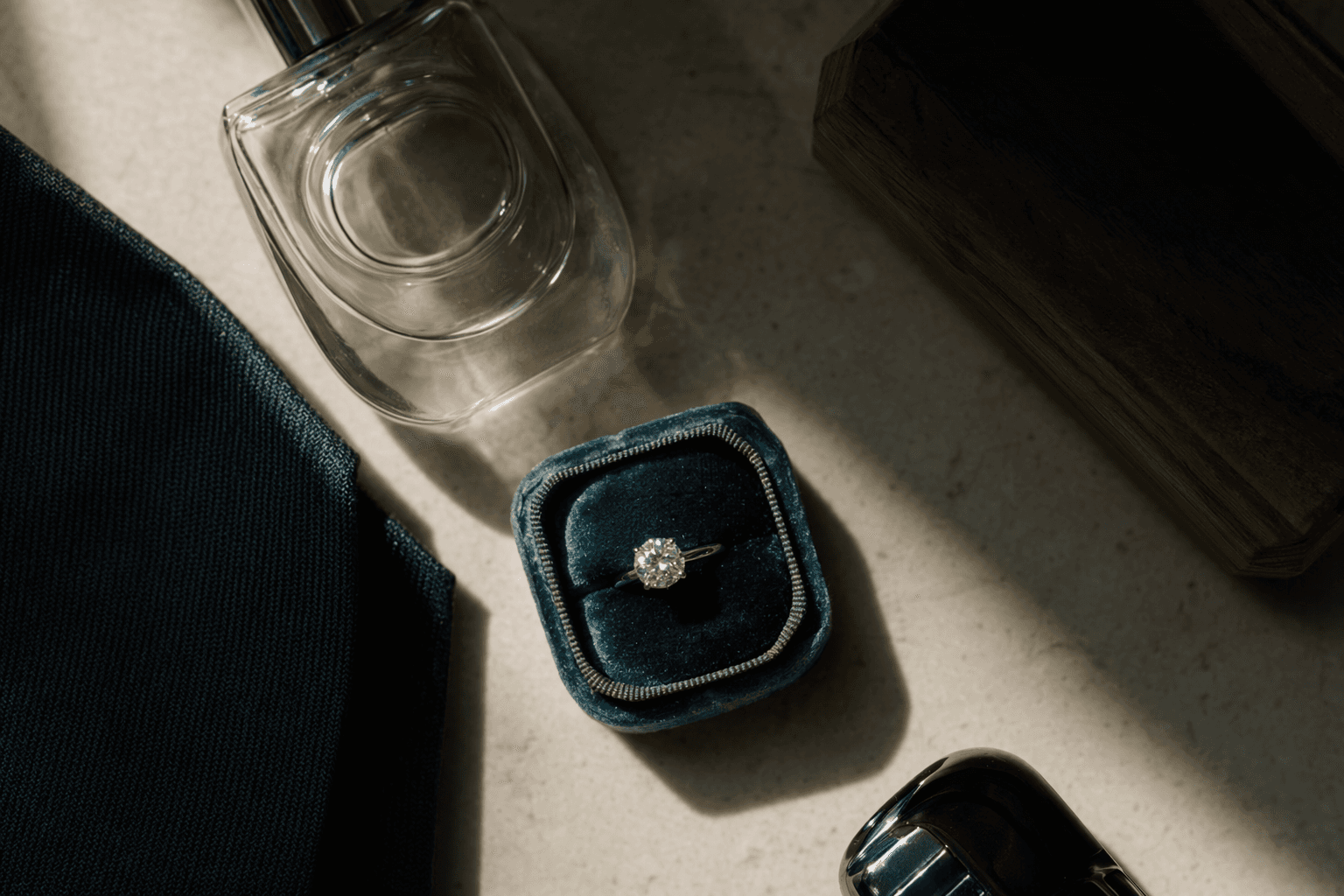
Read together, those price tiers suggest a clear editorial truth: the more distinctive the stone and setting, the more the ring reads as a personal statement rather than a standard-issue symbol. A plain round brilliant in a clean setting says restraint and clarity. A haloed pear in platinum, like De Beers’ Aura pear-shaped ring, says ceremony and detail, especially since that design is inspired by crowns used in early wedding ceremonies and is built to sit comfortably beside a wedding band. That is the kind of concrete visual choice that makes a proposal feel planned with intention rather than simply purchased.
Cost is moving, but not in a simple direction
The Knot’s pricing data adds another layer. The average engagement ring cost in 2024 was $5,200, down from $5,500 in 2023, $5,800 in 2022, and $6,000 in 2021. At the same time, the average ring carat weight rose to 1.7 carats in 2024, up from 1.5 carats in 2021. In other words, buyers are getting more stone for less money on average, which tells you a great deal about the market: shoppers care about presence, but they are still selective about where the budget goes.
The Knot also notes that price is the first thing couples weigh, followed by cut and shape. That helps explain why a groom planning a proposal might choose a ring with a larger visual footprint, a more directional silhouette, or a bespoke setting rather than simply a bigger center stone. The goal is not only size. It is visual identity, the kind that looks deliberate in a proposal photo and still feels anchored when the ring is worn every day.
What makes the ring feel personal, and permanent
The most persuasive natural diamond engagement rings do three things at once. They match the partner’s style, they fit the choreography of the proposal, and they carry enough provenance detail to feel responsibly chosen. De Beers’ bespoke service, For You, Forever, is built around that logic, inviting the buyer to choose a diamond and select a setting so the final piece is tailored rather than merely picked from stock. That kind of customization is especially effective when the proposal itself has been staged with equal care.
In the end, the modern groom-led proposal is less about old rules than about alignment. The ring, the reveal, and the sourcing story all have to speak the same language. When they do, a natural diamond is not just the center of the setting. It becomes the visual proof that the moment was built to last.
This article was produced by Prism’s automated news system from verified source data, official records, and press releases, then run through automated quality and moderation checks before publishing. The system is built and supervised by the people who set the standards it runs under. Read our full AI policy.
Did this article answer your question?