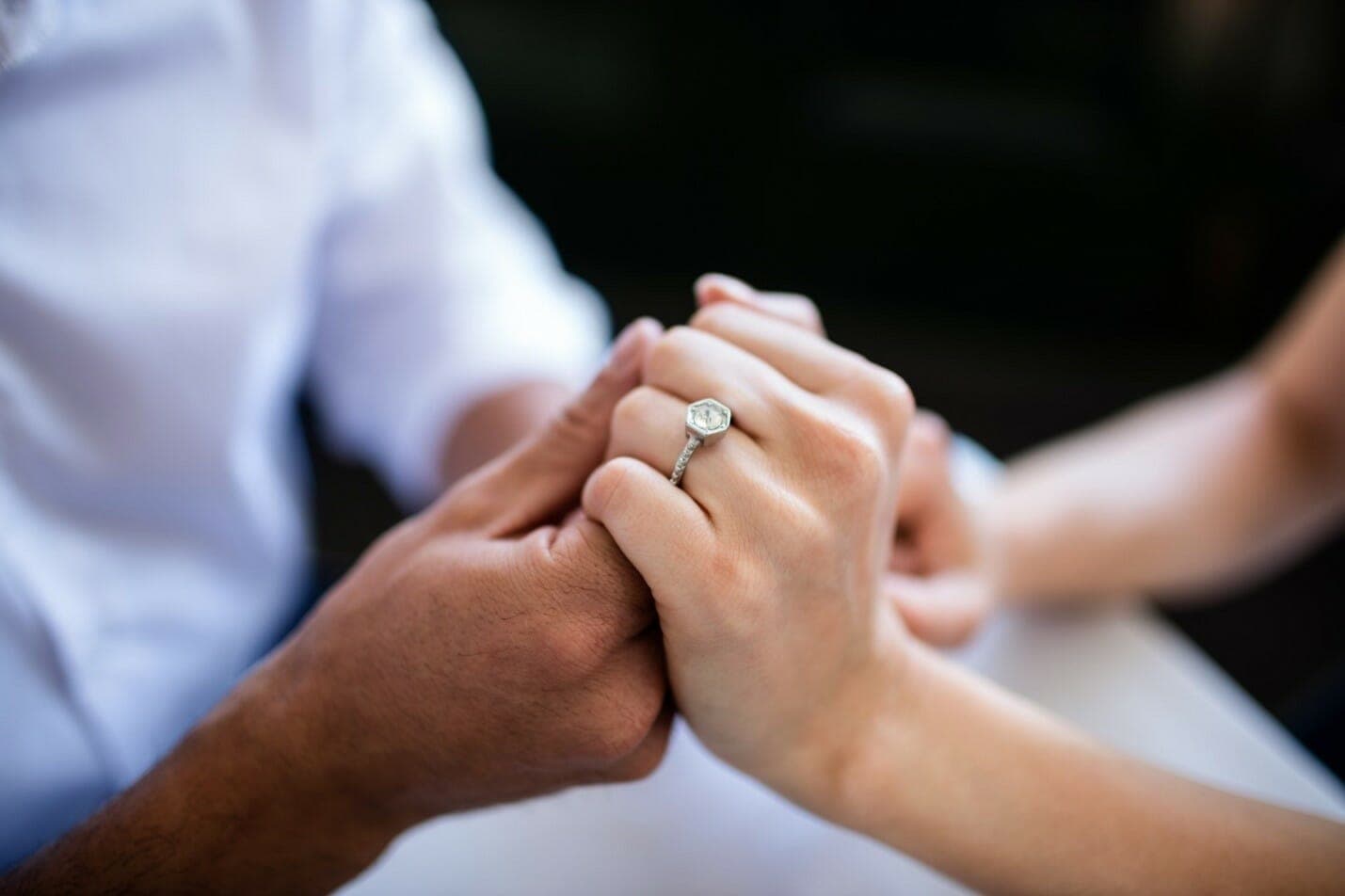
How engagement ring settings shape style, sparkle and security
The setting can make a diamond read bigger, last longer or stay cleaner. Solitaire, halo and bezel each solve a different problem, and the market is swinging back toward simpler, more personal choices.

Which setting makes a diamond look larger? Which one is safest for a ring that will be worn every day? The answer is usually not the carat weight alone, but the architecture around the stone. A halo can stretch visual impact, a six-prong solitaire can turn the center diamond into the entire statement, and a bezel can trade some flash for real-world protection.
Start with the job the ring needs to do
The smartest way to shop is to decide what matters most: presence, protection, easy upkeep or value. That lens keeps the choice grounded, because the same ring can look spectacular in one light and feel impractical in another. Engagement ring settings are not just decoration. They change how much of the diamond you see, how much metal is doing the supporting, and how much daily wear the design can take.
The classic solitaire remains the clearest example of this balance. Charles Lewis Tiffany’s six-prong design, introduced more than 125 years ago, became the iconic image of the engagement ring and helped popularize the diamond solitaire as the default promise ring. It is still the cleanest expression of the category: one center stone, elevated and unobstructed.
If you want the biggest visual impact
A halo is the easiest way to make a center diamond look larger without jumping immediately to a much bigger stone. By surrounding the main diamond with smaller stones, the setting creates the illusion of a broader face-up spread, which can be especially effective with round, oval and cushion cuts. It is a glamour-first move, and it explains why halo styles have stayed visible even as tastes shift.
The tradeoff is that halos are more visually complex than solitaires. They add sparkle, but they also introduce more metalwork and more small stones to keep clean. That can be a good thing if you want drama; it is less ideal if you prefer a quieter ring that disappears on the hand.
The Knot’s 2024 Jewelry and Engagement Study found that 51% of engagement rings had a clear diamond center stone with side stones and/or accents, which shows how many buyers still want a framed center rather than a bare stone. Even within that broad category, the halo’s appeal is simple: it amplifies the center diamond’s footprint and makes a modest budget feel more expansive.
If you want the stone to shine with the least interruption
A solitaire is still the most direct way to let the diamond do the talking. The Knot’s own engagement-ring guidance says the simple elegance of a solitaire remains consistently popular because it keeps the center stone front and center. That is why solitaires endure through trend cycles that come and go.
Prong count changes the mood. GIA notes that a four-prong setting shows more of the diamond, while a six-prong setting is often more secure. Four prongs give the stone a lighter, airier look and expose more of its outline. Six prongs can make the diamond feel more sheltered and can lend the ring a more finished, traditional profile.
That detail matters because the same center stone can look different depending on how much of it is visible. A four-prong solitaire may be the better choice if your eye is on maximum exposure. A six-prong version may be the better answer if you care more about security and a slightly more grounded silhouette.
If you want the best protection for everyday wear
A bezel setting is the strongest answer when the ring has to live a hard life. Instead of relying on prongs, a bezel wraps metal around the edge of the stone, which reduces snagging and helps shield vulnerable corners and girdle edges. The look is cleaner and more contemporary, and the ring can feel especially practical for people who work with their hands.

That practicality comes with a visual tradeoff. A bezel can make a stone read a little smaller face-up because more of its edge is covered. For some buyers, that is a worthwhile exchange. For others, the setting’s protection is the point, especially with elongated or pointed shapes that are more exposed in prong settings.
If daily wear is the first priority, think in terms of friction and exposure. A bezel handles both better than most open settings. A six-prong solitaire is also secure, but it still leaves more of the stone exposed than a full rim of metal.
If you want the strongest value at different budgets
Settings are one of the most powerful ways to stretch a budget. A halo or side-stone design can make a center diamond appear larger and brighter without requiring the leap to a dramatically bigger center stone. That is why these styles have been so useful for buyers trying to balance size, sparkle and cost.
A solitaire pushes the budget toward the center diamond itself. If the goal is a better cut, stronger color or higher clarity in the main stone, a simple setting can free money for that upgrade. In other words, the setting can either amplify the diamond you have or help you buy a better diamond in the first place.
The market suggests buyers are still divided between those two instincts. JCK reported in 2024 that some retailers were seeing halo settings lose ground and solitaires regain momentum. One jeweler in Akron, Ohio, put it bluntly: “Out of the last 20 engagement rings we sold, maybe two were halo. So we’re definitely taking a sharp left toward solitaires.” That kind of shift says less about a total rejection of sparkle than about a renewed appetite for clarity and restraint.
What the recent market is really telling you
The trend story is not just about shape. It is also about how retailers are selling meaning. In October 2024, De Beers and Signet launched the natural-diamond campaign “Worth the Wait,” aimed at “Zillennials” and tied to an “engagement recovery.” Then, on April 9, 2026, De Beers extended its Desert diamonds concept into bridal, leaning into lighter hues and personal expression.
That matters because it shows how the category is being marketed right now: less as one fixed ideal, more as a personal signature. The language is polished, but shoppers should stay alert to the gap between emotional branding and meaningful provenance. A warm color story or a softer silhouette is a style choice, not a transparency guarantee.
The setting should match the life, not just the look
The best ring is the one that fits the way it will actually be worn. A halo gives the most visual lift. A solitaire, especially in four or six prongs, keeps the diamond in the spotlight. A bezel offers the most protection and the least fuss. Those are not competing truths so much as different answers to different lives.
The enduring lesson from the market is simple: buyers are still drawn to the center stone, but they want the setting to earn its place. When the design is honest about its tradeoff, the ring looks better, wears better and ages with more grace.
This article was produced by Prism’s automated news system from verified source data, official records, and press releases, then run through automated quality and moderation checks before publishing. The system is built and supervised by the people who set the standards it runs under. Read our full AI policy.
Did this article answer your question?