How to choose a diamond engagement ring, and what to spend
The old salary rule is gone; the smartest ring decisions now come down to silhouette, stone origin, and whether the price matches the story.

The look comes first
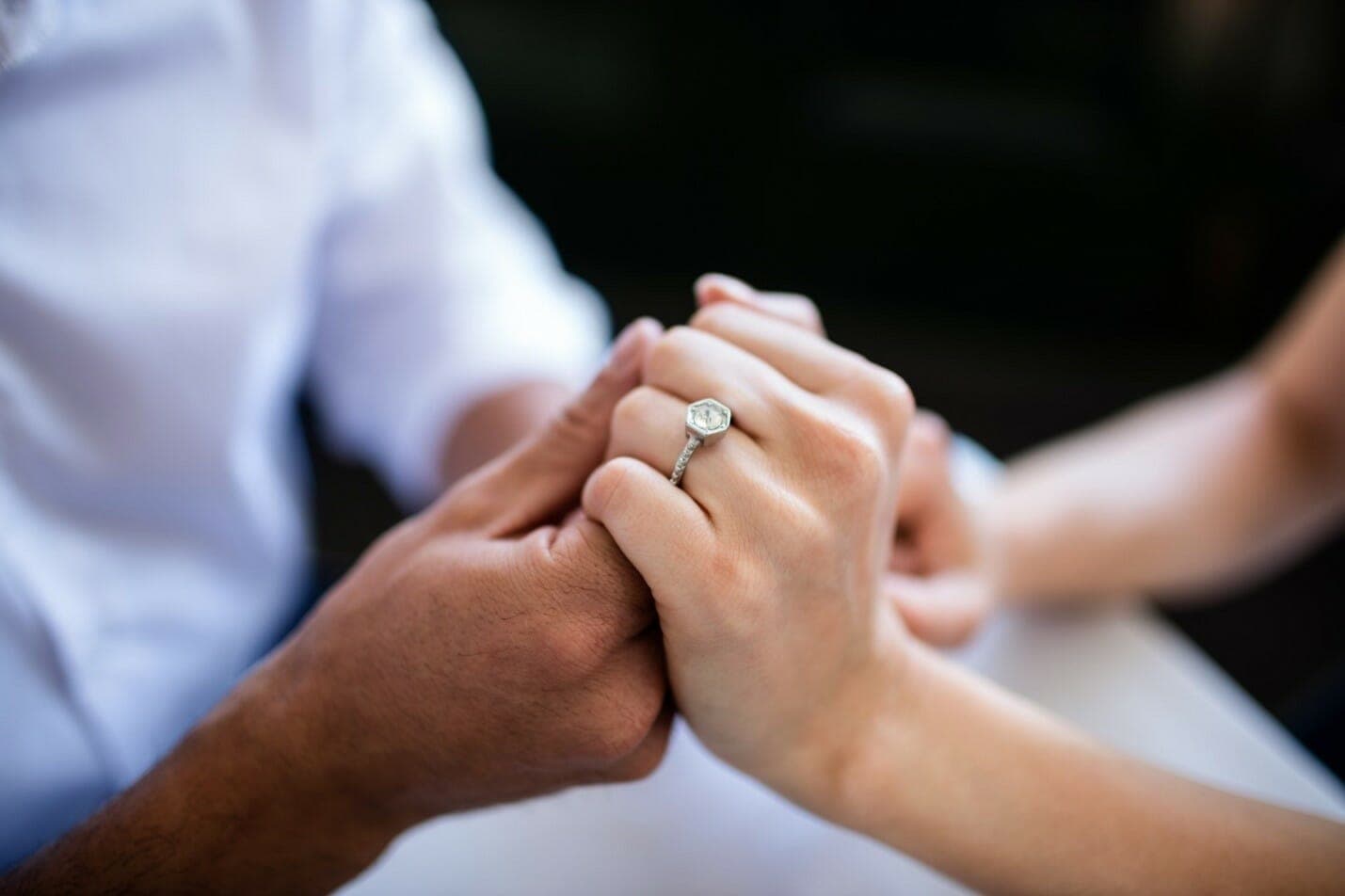
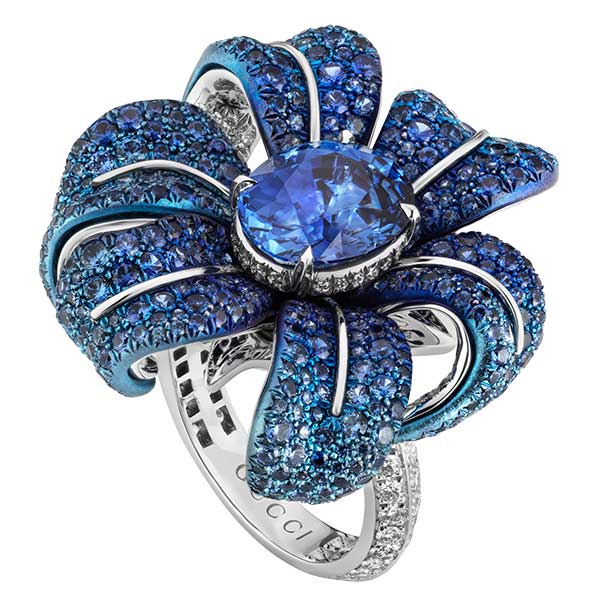
The most revealing engagement rings are the ones that show their priorities at a glance: a quiet solitaire that puts the center stone under glass, a halo that reads brighter and larger, a pavé band that turns the whole ring into a field of sparkle, a three-stone setting that feels more narrative, or a low-profile bezel that looks modern and secure. The setting changes everything, from how the diamond sits on the hand to how much of the budget is being spent on metal and accent stones rather than the center gem.
That is why the best way to choose a diamond engagement ring is to start with the silhouette, not the receipt. A simple setting makes the stone do the talking; a more elaborate one uses surrounding diamonds and metalwork to create drama. In practical terms, that means the same carat weight can feel restrained, ornate, or architectural depending on the setting around it.
What you spend is not a rule
The Federal Trade Commission is blunt on one point: there is no rule for how much to spend on an engagement ring. The old “three-month salary” benchmark came from a 1930s De Beers advertising campaign, and the Gemological Institute of America notes that it is now widely considered outdated. De Beers later reinforced the romance of the category with its 1947 slogan, “A diamond is forever,” which helped make diamond engagement rings feel like a social norm rather than just a purchase.
The newer spending data tells a different story from the old sales pitch. The Knot’s 2024 Jewelry & Engagement Study found the average engagement ring cost was $5,200, down from $6,000 in 2021, $5,800 in 2022, and $5,500 in 2023. WeddingWire found that only 32% of ring purchasers spent about two months’ salary, which is another sign that the old formula no longer governs the market.
Natural, lab-grown, or imitation
This is now the most important decision in the room, because it shapes both the price and the meaning of the ring. FTC guidance says consumers should be given clear information when shopping for gemstones and laboratory-created substitutes. It also says lab-created gemstones have the same chemical, physical, and visual properties as natural gemstones, but are manufactured and often less expensive.

That price difference has become impossible for the industry to ignore. McKinsey & Company reported in November 2024 that lab-grown diamonds had pushed natural-diamond prices down more than the mining industry expected, as consumers looked for more affordable options. The firm also noted that natural diamond production fell from more than 175 million carats in 2005-2006 to 121 million carats in 2023, a dramatic contraction that helps explain why pricing, branding, and provenance now matter so much.
De Beers said in 2024 that a two-carat Lightbox lab-grown diamond could retail for around 10% of an equivalent natural diamond, a stark illustration of how quickly lab-grown prices have reset expectations. That does not make one choice “better” than the other. It does mean the market has split between shoppers who want maximum size for the money and shoppers who want natural origin, verified sourcing, and the symbolism attached to a mined stone.
Why provenance has become part of the design brief
A diamond ring is no longer judged only by sparkle. Many buyers now want the story behind the stone to be as legible as the setting itself. That is where provenance comes in: if a seller cannot clearly state whether a stone is natural, laboratory-created, or imitation, the ring is missing one of the most important facts a buyer needs.
The stakes are higher because the diamond trade itself is under pressure from shifting supply chains and changing demand. De Beers said the United States remains the largest end-market for diamond jewelry, while India remains the main cutting center for natural diamonds. It also said 2025 U.S. tariffs on imports from India undermined rough diamond demand, adding another layer of strain to an already changing market.
How to choose the right ring for the right price
A smart purchase balances three things: the look you want, the stone you trust, and the amount you are willing to spend. A more sculptural setting can make a smaller diamond feel intentional and modern. A larger center stone may satisfy the eye, but if it is lab-grown, the price should reflect that reality. And if the ring is natural, the value proposition should rest on clear origin, not vague romance.

A few practical checks keep the decision honest:
- Ask whether the center stone is natural, laboratory-created, or imitation, and make sure the answer is written clearly.
- Compare similar carat weights across different settings, because a halo or pavé design can change the final price as much as the stone itself.
- Treat “verified provenance” as a real feature, not a marketing flourish. If a brand cannot explain sourcing, that silence matters.
- Remember that lab-grown and natural diamonds may look similar, but their pricing, supply chains, and long-term symbolism are not the same.
The ring worth buying is the one whose design, materials, and documentation all agree with each other. In a market where the old salary rule has lost force and lab-grown pricing keeps resetting the baseline, clarity is the new luxury.
This article was produced by Prism’s automated news system from verified source data, official records, and press releases, then run through automated quality and moderation checks before publishing. The system is built and supervised by the people who set the standards it runs under. Read our full AI policy.
Did this article answer your question?