how to insure an engagement ring, appraisals, riders and deductibles
A homeowners policy may barely touch a ring. The smartest coverage pairs a current appraisal with a floater that handles theft, damage and mysterious disappearance.

The hidden gap in ring coverage
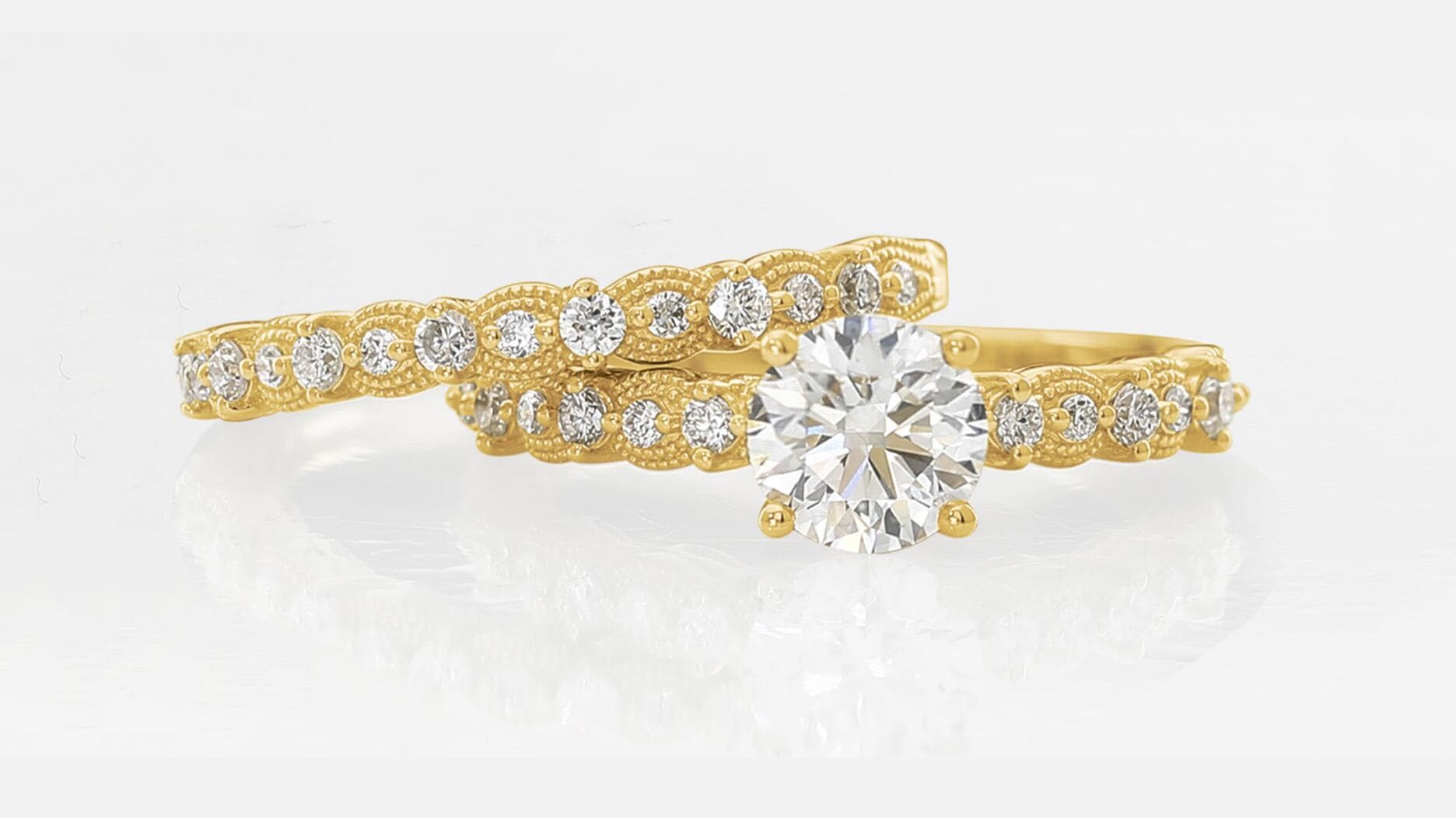
An engagement ring can be one of the most expensive things you wear every day, yet the insurance sitting on a homeowners or renters policy often barely notices it. Standard policies usually include some jewelry protection, but the limit for jewelry theft is often only about $1,000 to $2,000 total, and the National Association of Insurance Commissioners says that cap may be only a fraction of what your jewelry is worth.
That is the trap many couples miss right after buying or upgrading a ring. If the stone is stolen, lost, or damaged, the payout from a basic policy can fall far short of replacement cost unless you add scheduled personal property coverage, a floater, or a valuables policy. The ring itself may feel covered already; the claim file is where the shortfall becomes real.
Why the appraisal is the anchor
The strongest insurance file starts with a current appraisal, not the receipt from the jewelry counter. The Gemological Institute of America defines an appraisal as a description and valuation of property, commonly used for insurance replacement value, and it recommends an independent appraiser with both gemological and appraisal training.
That second part matters because the value can move. GIA says appraisals should be updated since market conditions can change the value conclusion over time, which is exactly how a ring can become underinsured even when the policy itself never changed. If the center stone is a lab-grown diamond or another material whose replacement price has shifted, a stale appraisal can leave you holding yesterday’s number when you need today’s coverage.
GIA reports are widely trusted by jewelers, appraisers, museums, auction houses and buyers, and its report-check tool can verify whether report details match its archive. In practical terms, that makes the paperwork more than a formality: it is the bridge between what the ring is and what an insurer will agree to replace.
What a rider, floater or endorsement actually buys you
This is where the policy upgrade matters. The Insurance Information Institute says jewelry and other expensive gifts may need special coverage through a floater or endorsement, and it also notes that these add-ons can cover mysterious disappearance, the frustrating category where a ring simply vanishes and cannot be found.
That broader protection is the difference between a narrow theft claim and something closer to true peace of mind. Add-on policies can also cover accidental damage, not just theft, which matters for rings worn daily and exposed to knocks, bent prongs, broken mounts, and stone loss. Some insurers and industry groups also say these policies may let the insurer replace the item rather than paying cash, so the settlement method is worth checking before you buy.
Deductibles are another detail that often gets overlooked. The Insurance Information Institute says floaters and endorsements frequently have no deductibles, which can be a major advantage on jewelry claims because it means a smaller loss does not get shaved down again by out-of-pocket costs. If a policy does use a deductible, the number you choose can affect the premium and the size of the payout.
How much ring insurance usually costs
The good news is that ring insurance is often cheaper than people expect. Jewelers Mutual says annual premiums usually run about 1% to 2% of the ring’s retail value, and it gives a $6,000 ring as an example that might cost about $60 a year.
That is only a rough benchmark, though. Rates can vary by ZIP code, the ring’s value and the deductible you choose, so the same ring can cost different amounts depending on where you live and how much risk the insurer is taking on. Still, that price range is useful because it shows how quickly a policy can move from optional to sensible once the ring crosses a few thousand dollars.
How some insurers handle a jewelry claim
Not every insurer structures jewelry coverage the same way, and the language matters. State Farm says its personal articles policy is designed to protect valuable personal property beyond a homeowners or renters policy, with broader protection against theft, accidental damage or loss. It also says a personal property inventory can help after a loss, and that inventory can include jewelry.
Chubb takes a different but equally important approach in its Masterpiece Valuable Articles policy, which automatically covers misplaced, lost or stolen items. Chubb also says its jewelry practice includes in-house GIA-accredited jewelry professionals working in underwriting, loss prevention and claims, which signals a more specialized claims process than the average homeowners policy.
The lesson for buyers is simple: do not assume every rider behaves like every other rider. One policy may be built around replacement, another around broader loss coverage, and another may have narrower terms that only become obvious once a claim is filed. The policy wording is where the real promise lives.
The mistakes that cost the most
The most expensive error is treating a ring like a household item instead of a piece of high-value jewelry. Couples often buy the ring, add a generic policy later, and never update the appraisal even after market values move. That is how a ring can be insured for the wrong amount, with the wrong assumptions about damage, loss and replacement.
A better approach is more disciplined: 1. Get the ring appraised by an independent appraiser with gemological and appraisal training. 2. Ask whether the policy covers theft only, or theft, accidental damage, loss and mysterious disappearance. 3. Check whether there is a deductible, and whether the insurer can replace the ring instead of paying cash. 4. Keep a jewelry inventory and update the appraisal when market conditions change.
That last step is the one most people skip, and it is often the one that matters most. A ring bought during an engagement should not be left to age inside an insurance file while prices, materials and replacement costs move on. The right coverage turns a sentimental purchase into a protected asset, which is exactly what a ring should be once it leaves the jewelry case.
This article was produced by Prism’s automated news system from verified source data, official records, and press releases, then run through automated quality and moderation checks before publishing. The system is built and supervised by the people who set the standards it runs under. Read our full AI policy.
Did this article answer your question?