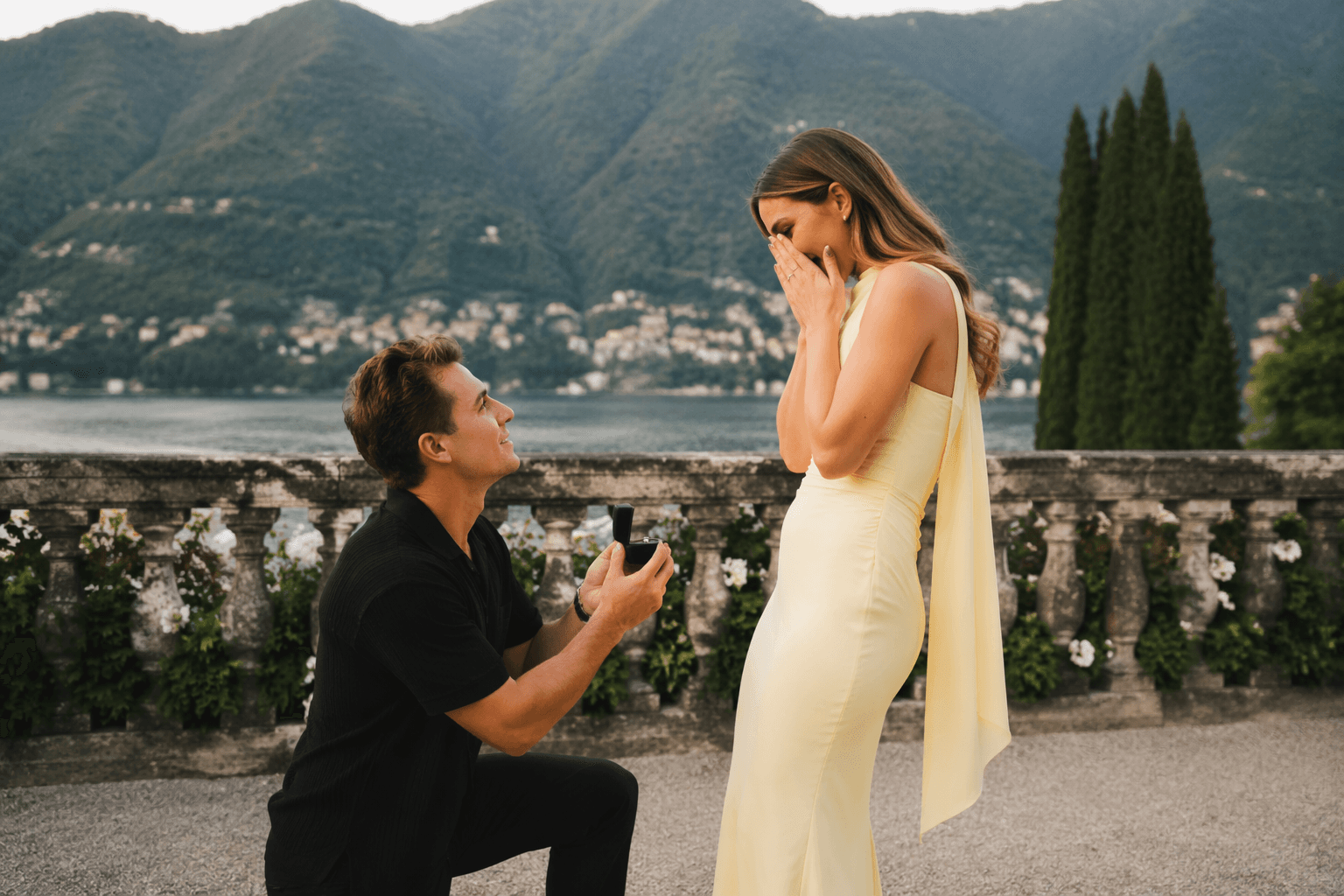
Jared pushes lab-grown halo engagement rings across a wide price range
Jared is using lab-grown halo rings to sell more sparkle for less, with prices from $3,200 to $12,000 and a strategy built on visible size, not mined-diamond premium.

Jared is leaning on one of bridal jewelry’s most effective illusions: a halo that makes the center stone read larger, brighter and more lavish than its carat weight alone suggests. By pairing that setting with lab-grown diamonds, the retailer can keep the look in a lower spend bracket while stretching the category from entry-level price points to five-figure pieces. For shoppers trying to balance proposal-budget discipline with maximum sparkle, that is the whole point.
A halo-heavy assortment built for range
Jared currently shows 650 halo engagement-ring results online, and 377 lab-grown diamond jewelry items, which tells you this is not a side aisle or a novelty drop. The clearest entry point is a certified oval-cut lab-grown diamond halo engagement ring at $3,200, a price that puts a recognizable engagement-ring silhouette within reach for buyers who want visual impact without a mined-diamond shock.
The top of the assortment goes much higher. A round-cut lab-grown diamond cushion halo engagement ring is listed at $7,900, while larger lab-grown halo and hidden-halo rings appear at $4,800, $5,200, $7,600, $8,000, $11,000 and $12,000. That spread matters because it shows how the halo format can be used for different budgets without changing the basic pitch: a bright center, extra edge sparkle and a ring that looks more substantial from across the room.
Why the halo does so much work
A halo setting surrounds the center stone with smaller diamonds, which changes how the ring reads on the hand. The eye sees a broader surface area, stronger contrast and more flash around the center, so the stone often looks larger than it is. In a hidden-halo design, some of that sparkle is tucked beneath the center stone, adding light play without making the ring look overly busy.
That is why halo rings remain such a useful value story. Jared is not simply selling a lab-grown diamond; it is selling the face-up size effect that comes from the setting itself. For a buyer comparing looks rather than origin stories, a similar natural-diamond halo with the same spread and brightness would generally cost more, because the mined center stone carries the premium instead of the lab-created one. The savings are not only about the stone in the middle. They are about how much visual presence the setting can extract from it.
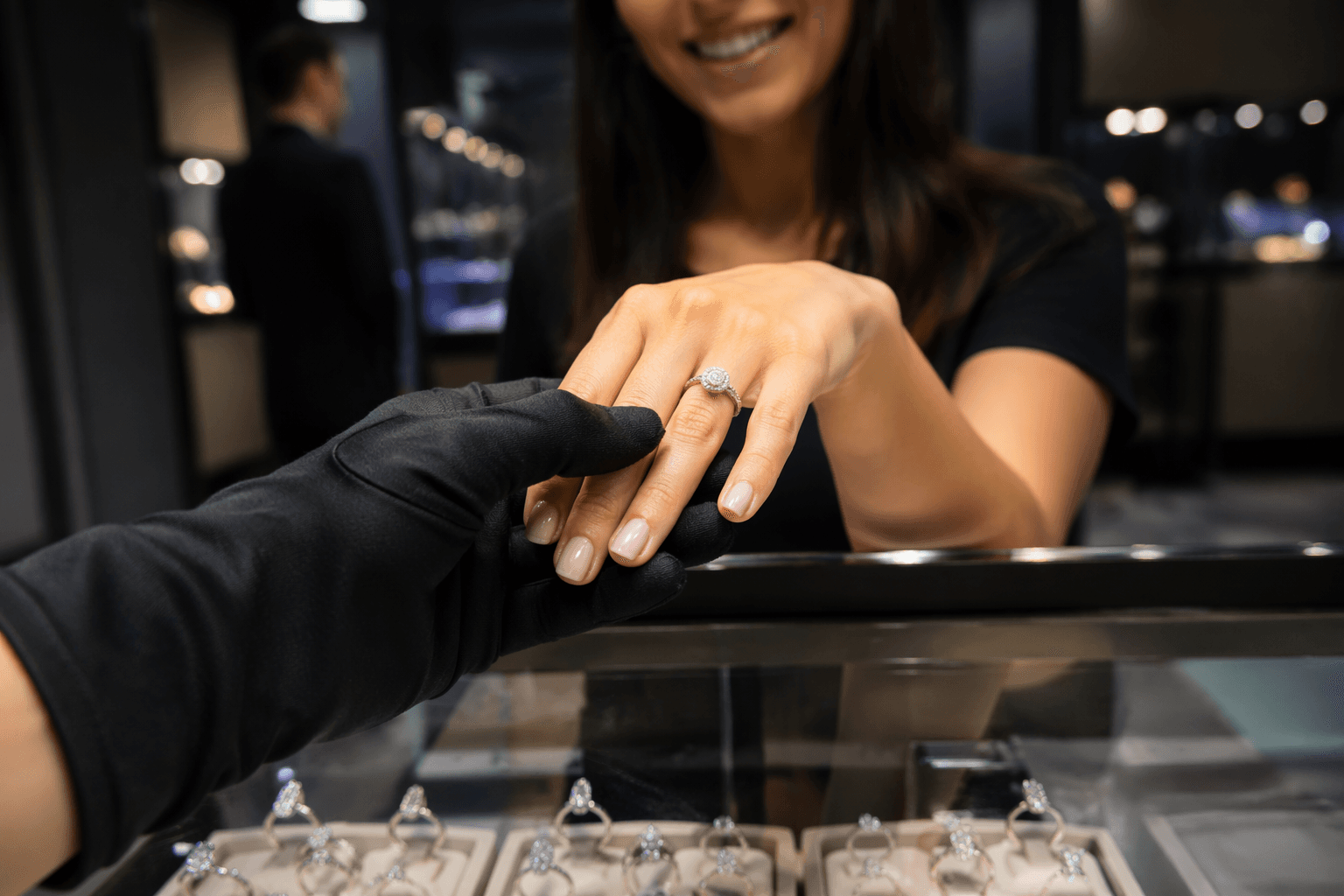
The certified oval at $3,200 is especially telling. Ovals already tend to look larger than round stones of the same carat weight, and a halo amplifies that effect. That combination gives budget-conscious proposal shoppers a way to buy the impression of scale without having to jump to a much heavier center stone.
What Jared is saying about lab-grown diamonds
Jared says its lab-grown diamonds have the same optical, chemical and physical properties as natural diamonds. That is the cornerstone of the brand’s pitch: if the material behaves like a diamond and looks like a diamond, then the value conversation shifts to price, disclosure and design rather than to visible performance.
The disclosure piece matters just as much. Signet says its responsible-sourcing standards cover lab-grown diamonds and prohibit undisclosed lab-grown stones, which is the minimum any serious seller should do in a market where origin claims can get blurry fast. The company is not asking shoppers to rely on vague sustainability language here. It is leaning on a clear policy around what the stones are and how they are represented.
That still leaves room for skepticism about greenwashing, because the material case is not the same as a full life-cycle sustainability claim. Jared’s positioning is strongest when it stays close to what can be measured and verified: the stone is lab-grown, the ring is disclosed as such and the design is built to maximize visible size per dollar.
The broader Signet strategy behind the display case
This is not happening in isolation. Jared says it runs more than 200 stores across the US, and it describes itself as an accessible luxury jewelry brand with concierge-level service. Signet, its parent company, says it operates about 2,600 stores across the US, UK and Ireland under brands including Jared, Kay Jewelers, Zales and Blue Nile, so the lab-grown push sits inside a much larger retail machine.
The numbers from Signet’s fiscal 2026 results, announced on March 19, 2026, show why lab-grown bridal matters to that machine. The company said its three largest brands helped drive same-store sales growth, and its early-2026 commentary put lab-grown diamonds at about 15% of fashion jewelry sales and about 40% of engagement-ring business. That is not a fringe category anymore. It is a major growth engine.
Natural and lab-grown still live side by side
Signet has not abandoned natural-diamond storytelling. In May 2024, it teamed up with De Beers to reintroduce natural diamonds to younger US engagement-ring shoppers, which makes the company’s strategy look less like a wholesale pivot than a deliberate split: natural diamonds for heritage and aspiration, lab-grown diamonds for affordability and size.
That dual track is the real story inside Jared’s halo assortment. The retailer is giving shoppers a ring that reads bigger, flashes harder and lands lower in price than a comparable mined-diamond piece, while keeping enough price ladder to catch buyers who want to spend more. For proposal shoppers, the math is simple: the halo buys the look, and lab-grown keeps the bill closer to earth.
This article was produced by Prism’s automated news system from verified source data, official records, and press releases, then run through automated quality and moderation checks before publishing. The system is built and supervised by the people who set the standards it runs under. Read our full AI policy.
Did this article answer your question?