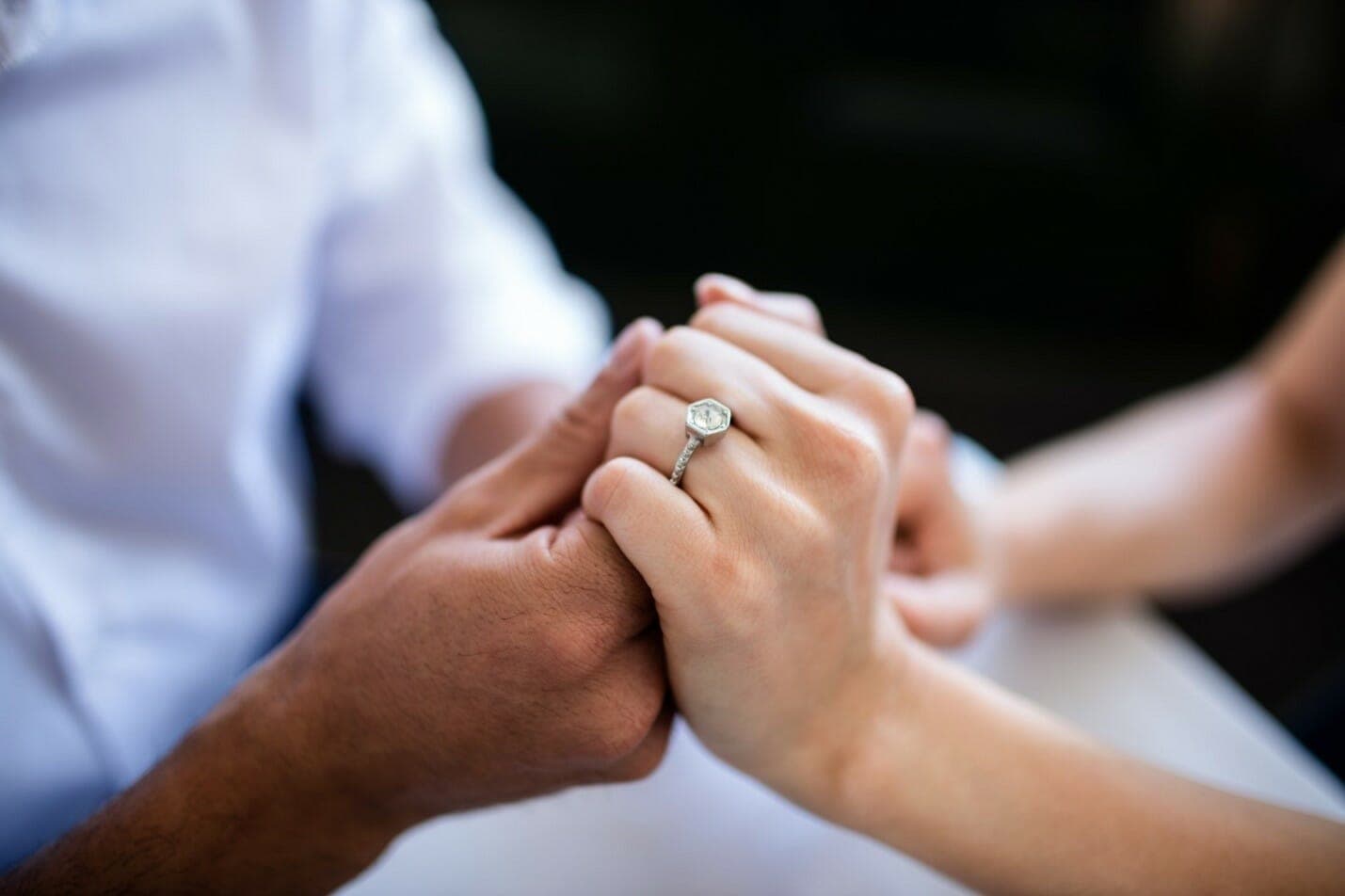
Kendra Scott’s pink-diamond engagement ring could be worth over $1 million
Kendra Scott’s ring is big news because the value sits in the stone, not the celebrity. A 3.06-carat fancy pink diamond, Art Deco geometry, and a tightened supply chain explain the seven-figure estimate.
The pink diamond is the point
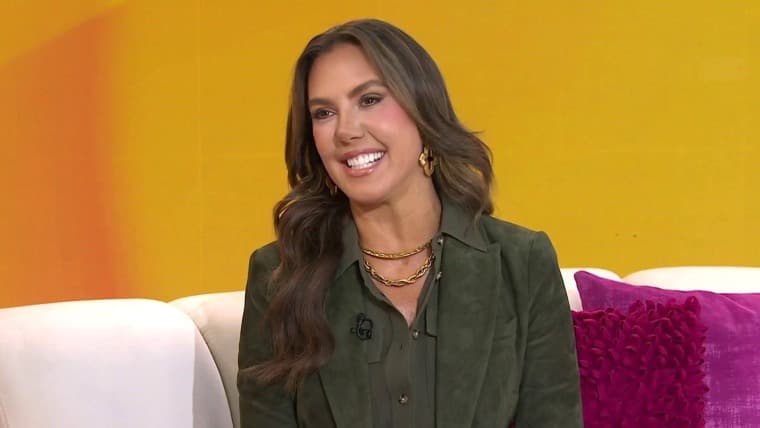
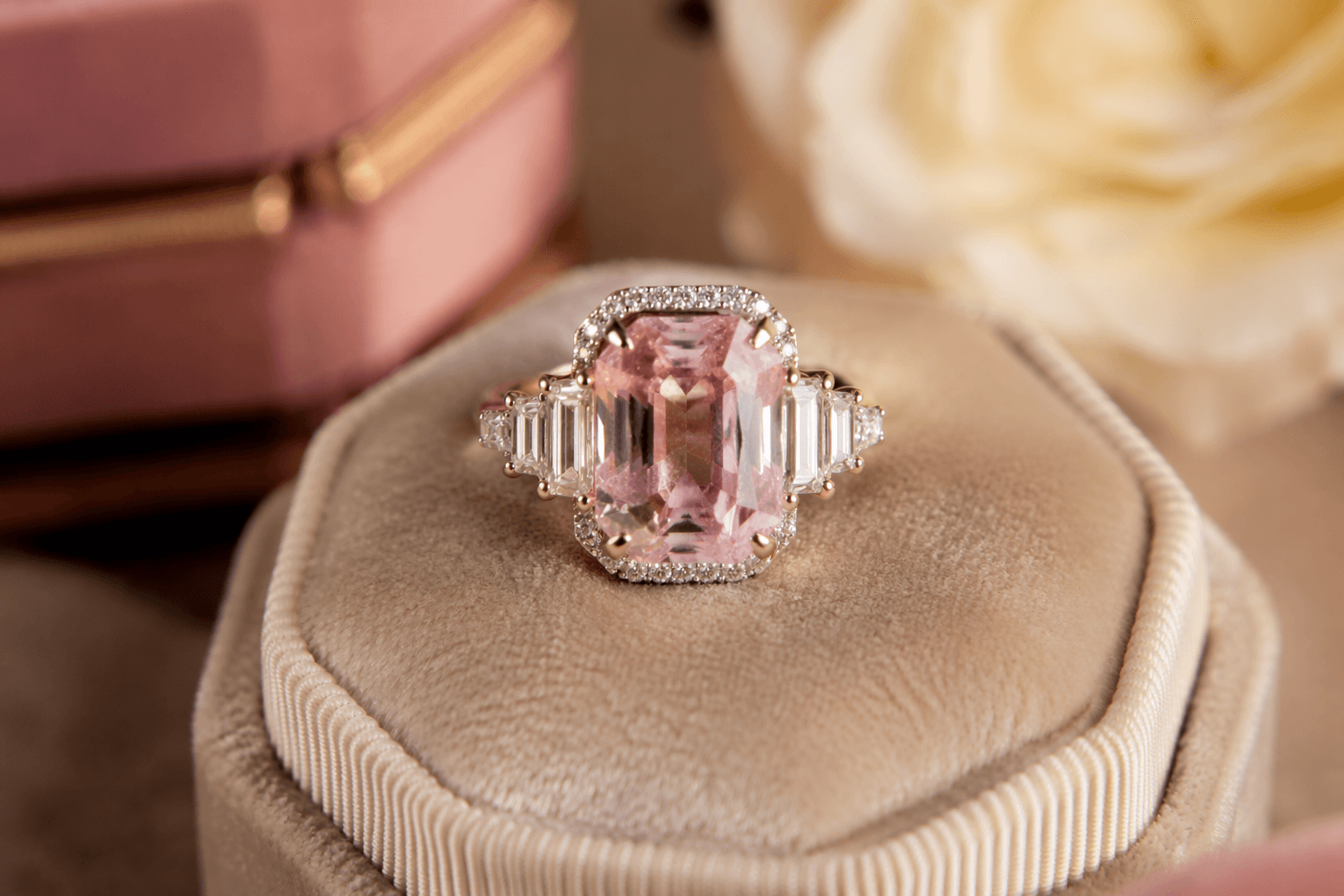
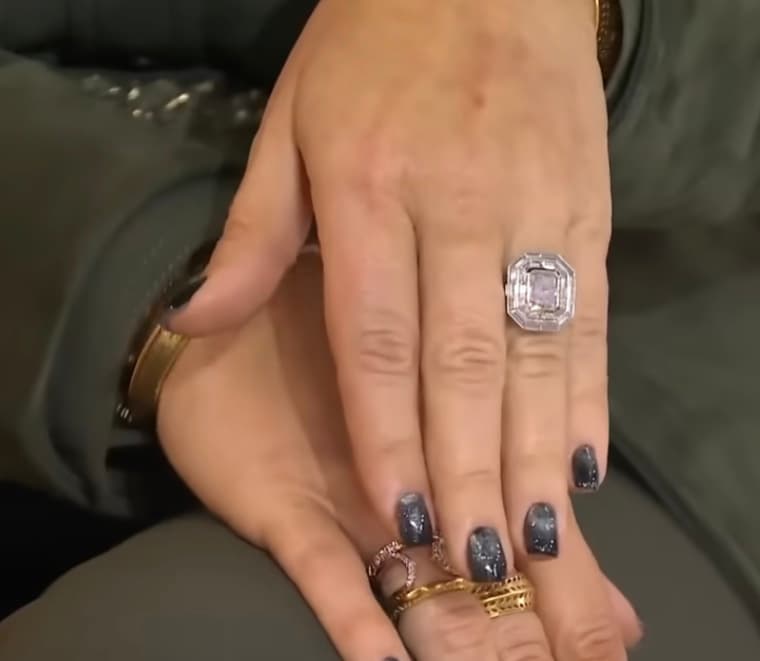
Kendra Scott’s engagement ring is drawing attention not because it is merely large, but because it is built around one of the rarest stones in modern jewelry. Jewelers quoted in TODAY put the piece at potentially more than $1 million, and that estimate makes sense once you look past the headline and into the mechanics of the ring itself: a 3.06-carat fancy pink diamond, a double halo, geometric baguette accents, and a setting that pushes hard into Art Deco territory.
That combination matters because it reflects where high-end engagement rings are headed in 2026. Buyers are still chasing distinction, but the language of distinction has shifted away from simple size and toward statement stones, vintage-coded silhouettes, and construction that reads as architectural rather than delicate. Scott’s ring is a clean example of that shift. It is not trying to look quiet. It is trying to look collectible.
Why the design reads Art Deco
TODAY described the ring as Art Deco-inspired, and the clues are easy to see in the structure. The strong symmetry, angular shape, double halo, and baguette work all echo the 1920s and 1930s, when jewelers leaned into geometry, contrast, and clarity of line. Those elements give the ring a crisp, almost graphic presence, especially once the pink center stone is framed by white diamonds.
The baguette accents are doing more than filling space. In a ring like this, baguettes act like a frame and a directional device, pulling the eye toward the center stone while sharpening the overall silhouette. The double halo adds scale and brightness, but it also makes the pink diamond feel more intentionally designed, less like a solitaire and more like a miniature piece of high jewelry.
A Houston jeweler identified the piece more specifically as a 3.06-carat fancy pink diamond surrounded by 28 baguette-cut white diamonds weighing 3.17 carats total, set in platinum gold. Those numbers are important because they show how much of the value is being carried by the build, not just the headline stone. The baguettes alone account for a substantial amount of diamond weight, which helps explain why the ring lands in such a rarefied price bracket.
Pink diamond rarity is doing the heavy lifting
The pink center stone is the real driver of the estimate. Scott said Brown chose a pink diamond because it was “the rarest,” and in this case the statement is not romantic exaggeration. Pink diamonds have long been prized because they are exceptionally scarce, and the most important historic source for them was the Argyle Diamond Mine in Western Australia.
Argyle opened in 1983 and operated for about 37 years. During that stretch, it produced more than 90% of the world’s pink diamonds, even though pink stones made up less than 1% of its total production. That imbalance is the reason the category became so coveted in the first place: the mine was the dominant source, but the gems were never plentiful. When Argyle closed in November 2020, it effectively ended the world’s main supply of pink diamonds, according to GIA, and that closure permanently tightened the market.
That supply squeeze is not a small technical detail. It is the background condition that turns a pink diamond from beautiful to historically significant. Collectors know it, jewelers price for it, and buyers who want a natural pink stone are now competing for a materially smaller pool of supply. In other words, the ring’s value is not only a reflection of its craftsmanship; it is also a reflection of geology, mining history, and scarcity that cannot be replicated by marketing language.
What the proposal story adds
The ring gained public attention after Zac Brown and Kendra Scott got engaged in July 2025. Scott later said on TODAY that Brown “did it all by himself,” which adds another layer to the ring’s appeal: it was not just chosen for spectacle, but apparently selected with intention. The choice of a pink diamond becomes part of the proposal narrative itself, reinforcing the idea that the stone was meant to signal rarity and personal thoughtfulness at the same time.
That matters in a market where engagement rings are increasingly expected to do more than simply announce a relationship. They are now asked to tell a story about taste, values, and visual identity. In this case, the ring’s story is unusually legible. It combines a rare natural gem, a highly specific vintage reference, and a construction that looks made for close inspection. That is exactly the kind of ring that travels well on social media and in fashion coverage, because it reads as both aspirational and technically interesting.
The couple’s timeline also helped keep the ring in the conversation. Us Weekly later reported that Scott and Brown married on Monday, May 25, 2026, during a family vacation in Greece, following a red carpet debut in May 2025 and the July 2025 engagement announcement. The sequence gives the ring a second life beyond the proposal itself. It is no longer just a momentary reveal; it is now part of a longer public romance with an unusually polished visual identity.
Why this ring matters in 2026
Scott’s ring points to a broader appetite for engagement rings that feel more composed, more collectible, and more rooted in design history. The strongest trend lines are not just about bigger stones. They are about rings that borrow from old-world glamour while still reading modern, with precise shapes, colored diamonds, and metalwork that creates depth rather than simply shine.
That is where this ring lands so well. The pink diamond gives it emotional and market value. The Art Deco geometry gives it a fashion narrative. The double halo and baguette accents give it volume and complexity. And the platinum-gold setting helps the whole piece read as a serious jewel rather than a flashy one.
The $1 million estimate is not the point in itself. It is a reporting device that reveals what the market is rewarding now: genuine rarity, exacting design, and stones with a supply story that can withstand scrutiny. In a year when statement rings continue to get bolder, Kendra Scott’s piece shows that the most persuasive luxury still begins with something the earth almost never makes.
This article was produced by Prism’s automated news system from verified source data, official records, and press releases, then run through automated quality and moderation checks before publishing. The system is built and supervised by the people who set the standards it runs under. Read our full AI policy.
Did this article answer your question?