Lab-grown diamonds gain ground with younger engagement ring shoppers
Lab-grown diamonds are moving from alternative to default, as younger shoppers trade mined-stone prestige for bigger centers, custom design, and more room in the budget.
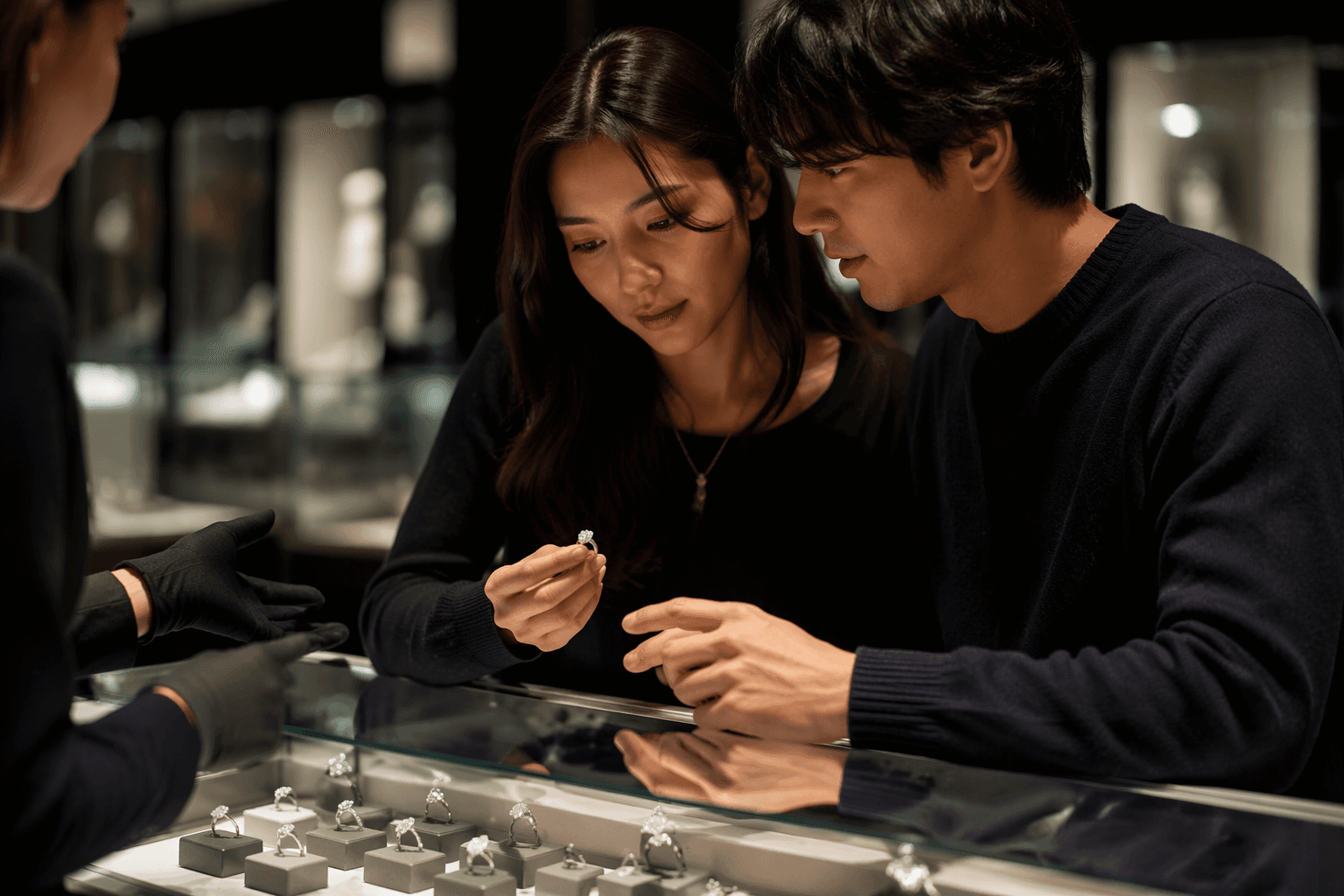
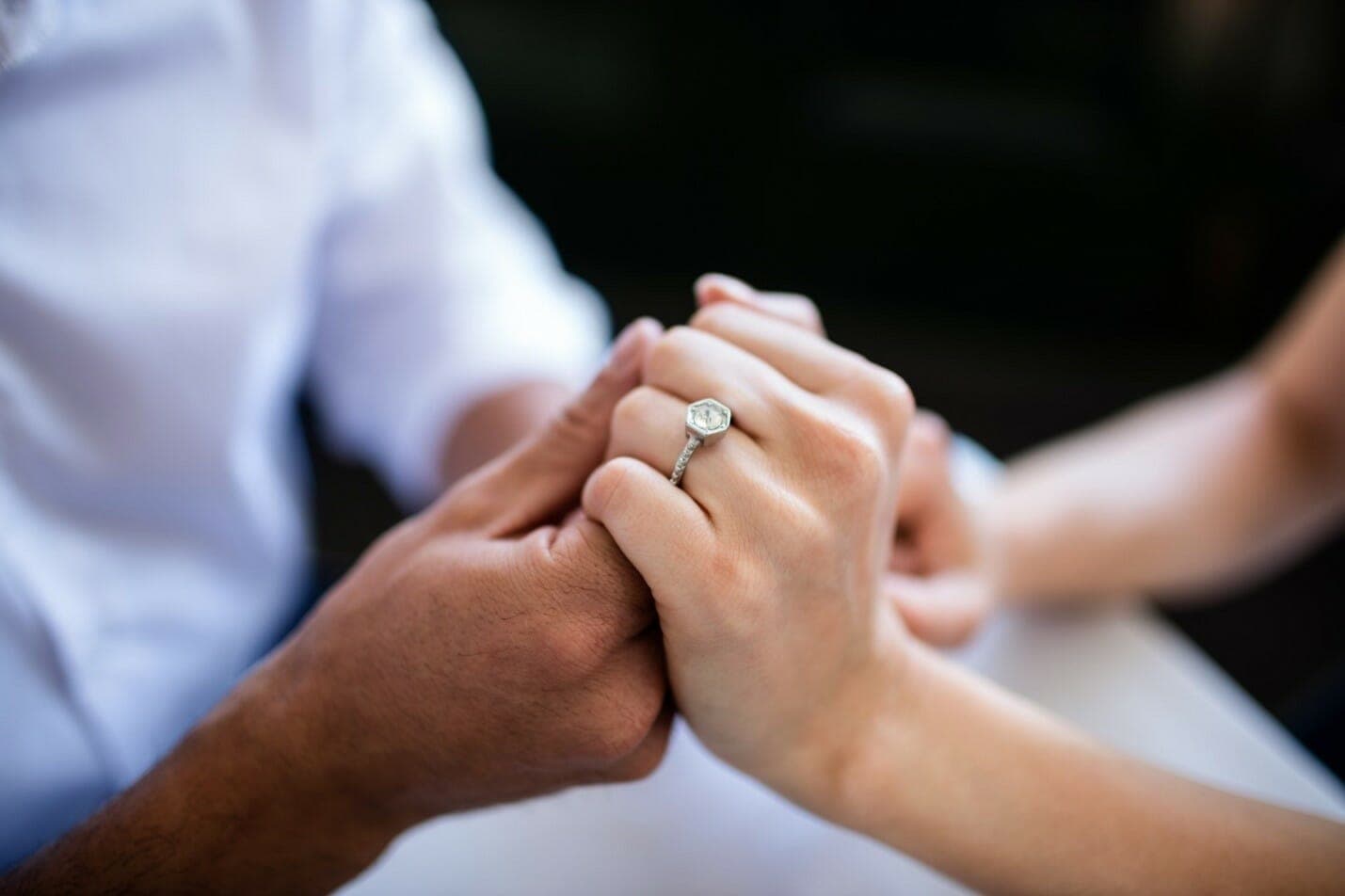
A larger center stone is no longer the splurge move it once was. For younger engagement-ring shoppers, lab-grown diamonds are redefining value around size, style flexibility, and what the ring lets them do with the rest of the budget.
The new engagement-ring equation
The shift is no longer subtle. The Knot’s 2026 Real Weddings Study says lab-grown center stones accounted for 61% of engagement ring purchases among couples married in 2025, a 239% increase since 2020, and nearly 9 in 10 proposers still show up with a ring in hand. That is the clearest sign yet that the ritual remains intact even as the stone itself changes.
What is changing is the meaning of the spend. The old status model centered on mined rarity and the symbolism of scarcity; the new one favors visible impact, transparent pricing, and personal expression. The Knot’s own 2026 read-out says the market is being reshaped by Gen Z’s preference for intentional, personalized choices, and lab-grown diamonds sit squarely inside that recalibration.
The numbers behind the trend are equally revealing. In the 2025 Real Weddings Study, 52% of couples surveyed said their engagement ring featured a lab-grown diamond, up from 46% in 2023 and 12% in 2019. At the same time, average engagement-ring spending has been drifting down, with The Knot putting the 2024 average at $5,200, compared with $5,500 in 2023, $5,800 in 2022 and $6,000 in 2021.
Why the budget stretch is so persuasive
Price is the engine under all of this. CNBC reported that in the first quarter of 2025, an unbranded 1-carat lab-grown diamond averaged about $845, while a similar natural diamond cost about $3,895. That gap makes the same visual impact available at a very different entry point, which is why buyers can redirect money toward a larger carat weight, a better setting, or other financial priorities entirely.
Rare Carat’s lab-grown assortment makes that tradeoff especially visible. The company says its lab-grown diamonds range from $350 to $100,000+ across shapes and carat sizes, typically cost 60% to 70% less than a comparable mined stone, and can be paired with a setting of the buyer’s choice to build a custom ring. The message is not just affordability. It is optionality.
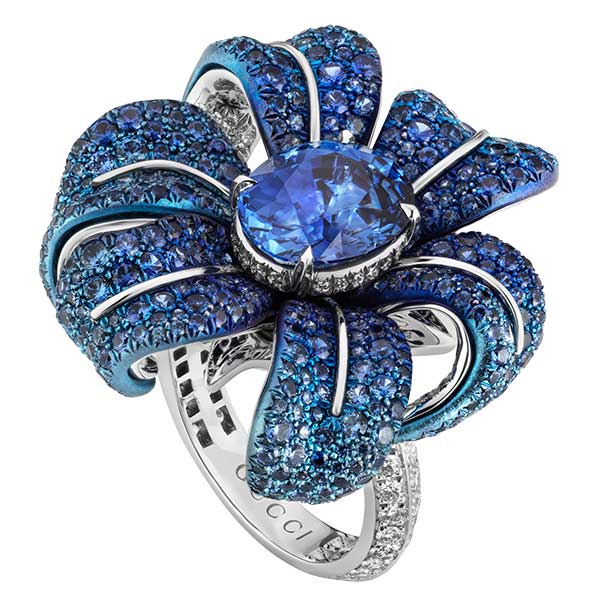
That kind of range changes the conversation from “How much can I spend?” to “Where do I want the money to go?” A buyer who once might have stopped at a smaller mined diamond can now move up in size or shift funds into a more sculptural mounting, a different metal, or simply keep the savings for a honeymoon, a house deposit, or post-wedding life. Rare Carat’s lineup, from round and oval to cushion, emerald, princess, and radiant, reflects a market where the center stone is one decision among many rather than the whole story.
Why transparency now matters as much as sparkle
As lab-grown diamonds have gone mainstream, disclosure has become part of the luxury vocabulary. The Federal Trade Commission’s Jewelry Guides require sellers to clearly disclose that laboratory-created diamonds are not mined diamonds, using terms such as laboratory-grown or laboratory-created immediately before the word diamond and with equal conspicuousness. In a category built on comparison shopping, that clarity is essential, not cosmetic.
Rare Carat leans hard into that expectation. It says its lab-grown stones are IGI- or GIA-certified, AI-scored for cut and price, and reviewed by more than 100 gemologists. The company also says its engagement rings are handcrafted in New York or New Jersey, which helps translate an online-first model into something that still feels made, not merely listed.
That mix of certification, pricing tools, and human review is what younger shoppers are rewarding. They are not simply buying a cheaper diamond; they are buying a process that feels legible. In a market where every line item can be compared, vague claims do not carry much weight. Lab-grown wins when the seller can name the lab, the grade, the price logic, and the origin without evasiveness.
How the industry itself has responded
The most telling signal may be coming from the natural-diamond camp. In May 2025, De Beers said it intended to close Lightbox, its lab-grown jewelry brand, after launching it in 2018 with transparent linear pricing of $800 per carat. The company said wholesale lab-grown prices had fallen 90%, a collapse that underscores how quickly the economics of the category have changed.
That retreat matters because it shows lab-grown is no longer a side bet. It is a full-market force shaping how couples shop, how retailers present value, and how brands define the difference between rarity and relevance. If De Beers is pulling back from consumer lab-grown jewelry while younger buyers continue moving toward it, the market signal is hard to miss.
Rare Carat’s rise fits neatly inside that broader realignment. Founded in 2016 by Ajay Anand as a diamond search engine across third-party jewelers, the company was built around the very frustration this market now exposes: consumers want beauty, but they also want proof, price clarity, and room to make the ring their own. In 2026, that combination is beating the old prestige play more often than not.
The engagement ring has not lost its meaning. It has simply shed the assumption that meaning must be expensive, mined, or conventional. For a growing share of younger buyers, the most meaningful ring is the one that looks the way they want, costs less than the old script promised, and leaves more money for the life that comes after the proposal.
This article was produced by Prism’s automated news system from verified source data, official records, and press releases, then run through automated quality and moderation checks before publishing. The system is built and supervised by the people who set the standards it runs under. Read our full AI policy.
Did this article answer your question?