Las Vegas jewelry week spotlights solitaire settings and marquise diamonds
Yellow-gold solitaires look like the clearest bridal winner from Vegas, with bezels and marquise cuts setting the tone for 2026.

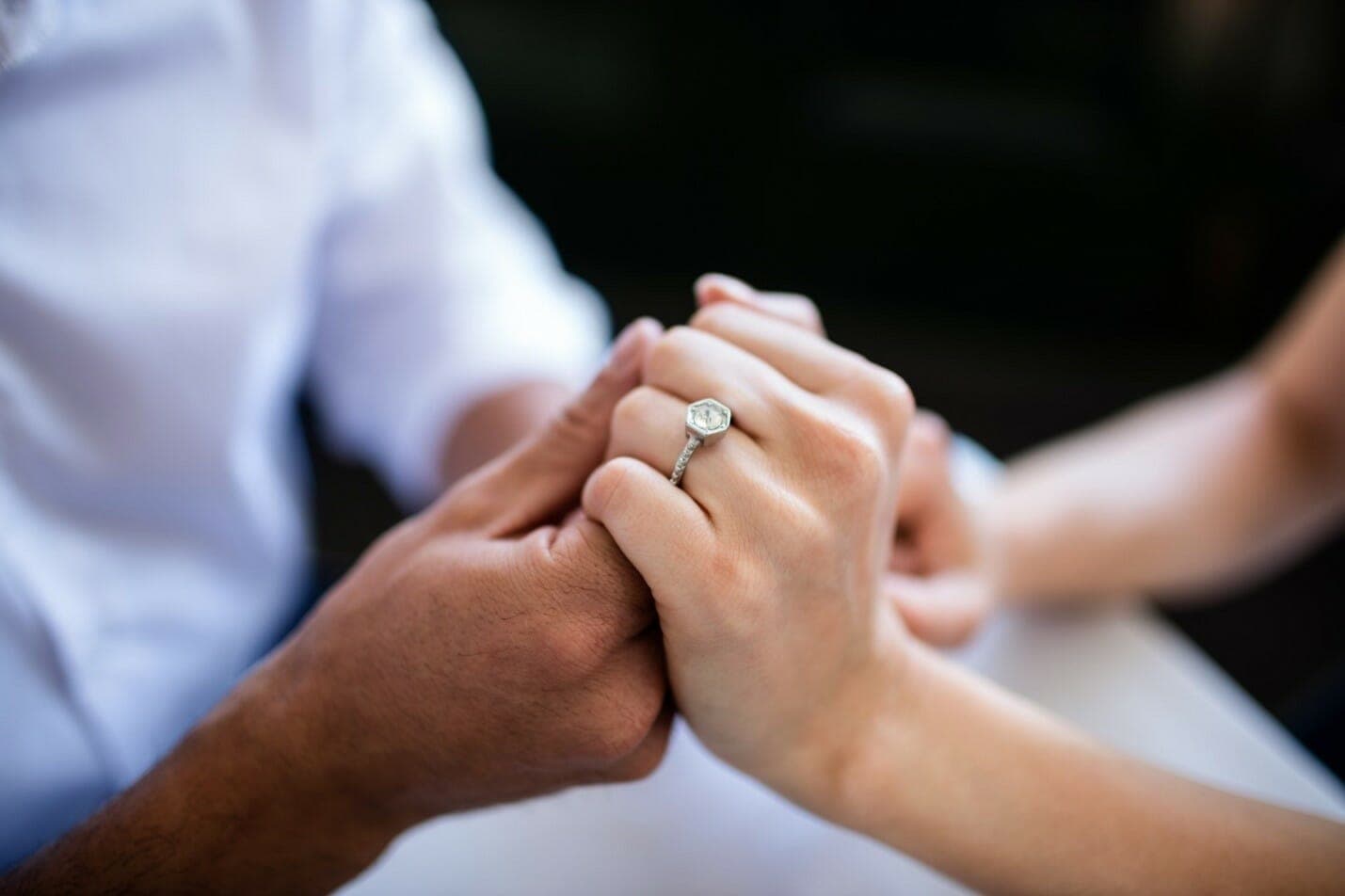
Las Vegas Jewelry Week made one thing unmistakable: the engagement-ring story for 2026 is about cleaner silhouettes, not clutter. The strongest looks paired large solitaire-style diamonds with high-polish yellow gold, then pushed that same restraint into bezel-set stones and elongated marquise shapes that feel newly current.
The solitaire silhouette has the most retail gravity
At the shows, the most ubiquitous diamond direction was minimalist settings with large solitaire-style stones in mostly yellow gold. JCK’s examples included rigid collar necklaces and substantial gold bands that held a single bezel-set diamond and nothing else, a look that reads less like ornament and more like architecture.
That matters for engagement rings because the form is instantly legible at the counter: one center stone, one precious metal color, no visual clutter. It also bridges bridal and fashion jewelry, since the same stripped-back language is appearing in necklaces and collars, suggesting that larger stones are moving into everyday fine jewelry rather than staying locked inside the bridal case. One of the clearest show-floor references was the Leggo Fringe necklace in 14k yellow gold with 1.46 cts. t.w. diamonds, priced at $15,500, which captured how much presence a simple metal frame can give a single cluster of stones.
Bezel settings are the practical upgrade
Bezel-set diamonds came through as the most persuasive refinement of the minimalist trend, because the stone is framed in metal rather than left open on prongs. GIA notes that a bezel can help protect a diamond from bumps and helps guard the girdle, which is one reason the setting makes such sense for a ring meant to live on the hand every day.
The style also explains why the trend looks durable rather than decorative. On a substantial gold band, a bezel keeps the profile clean and modern, while still making the center stone feel intentional instead of hidden, which is exactly the kind of balance retail buyers tend to trust. In an engagement-ring market that rewards clarity, the bezel is the rare setting that looks both design-forward and reassuringly practical.
Marquise is the shape with the most character
The marquise cut is back, and JCK places it squarely in the 1980s and 1990s revival, where its elongated, curvy outline feels fresh again. That gives engagement rings a distinctly different energy from the round brilliant or oval: more directional, a little dramatic, and visibly vintage-coded without being antique.
Marquise also comes with a real design caveat. GIA warns that marquise, pear, and heart shapes have points or sharp corners that are more vulnerable to chipping, so the setting choice matters even more here, especially if the ring is meant to be worn hard and often. A protective setting, whether a bezel or carefully placed prongs, is not just an aesthetic decision; it is part of the stone’s survival strategy.
Charm pieces show how the look is moving beyond bridal
Charms were everywhere in Vegas, but the important detail is how they were merchandised: as smaller versions of signature collections, often with chain swaps to leather cords or gemstone beads to lower the price. Clara Chehab’s Liberté half-moon charm, for example, used 18k yellow gold and 0.31 ct. t.w. diamonds at $1,888, while other brands showed mini versions of their house styles.
That is not an engagement-ring trend on its own, but it shows where the market is heading. The same clean gold-and-diamond language that is shaping bridal is being broken into lighter, more accessible pieces, which is a sign that the aesthetic has real commercial reach rather than being a one-season show flourish.
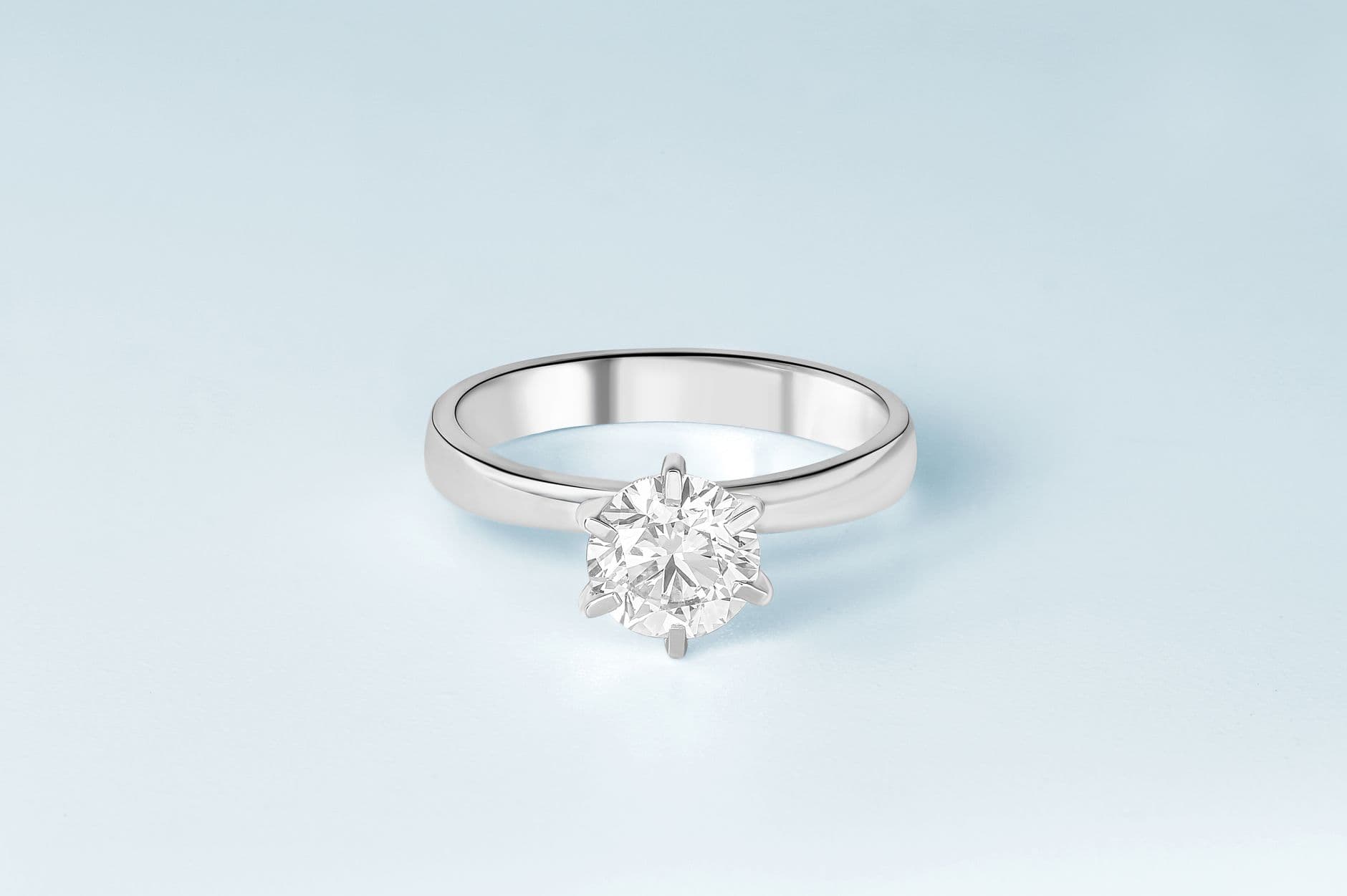
What will matter at retail is not every one of these ideas equally. The yellow-gold solitaire has the broadest appeal, the bezel has the strongest case for daily wear, and the marquise gives the category its sharpest dose of personality. Put together, they point to a 2026 engagement-ring market that values a strong center stone, visible craftsmanship, and settings that feel as permanent as the commitment they frame.
This article was produced by Prism’s automated news system from verified source data, official records, and press releases, then run through automated quality and moderation checks before publishing. The system is built and supervised by the people who set the standards it runs under. Read our full AI policy.
Did this article answer your question?