Online engagement-ring shopping goes mainstream as couples shop together
Engagement rings are now chosen together, and June 2026 favors buyers who value flexibility, lab-grown options, and strong online policies. The smartest purchase matches budget, timeline, and the kind of beauty you want to wear every day.
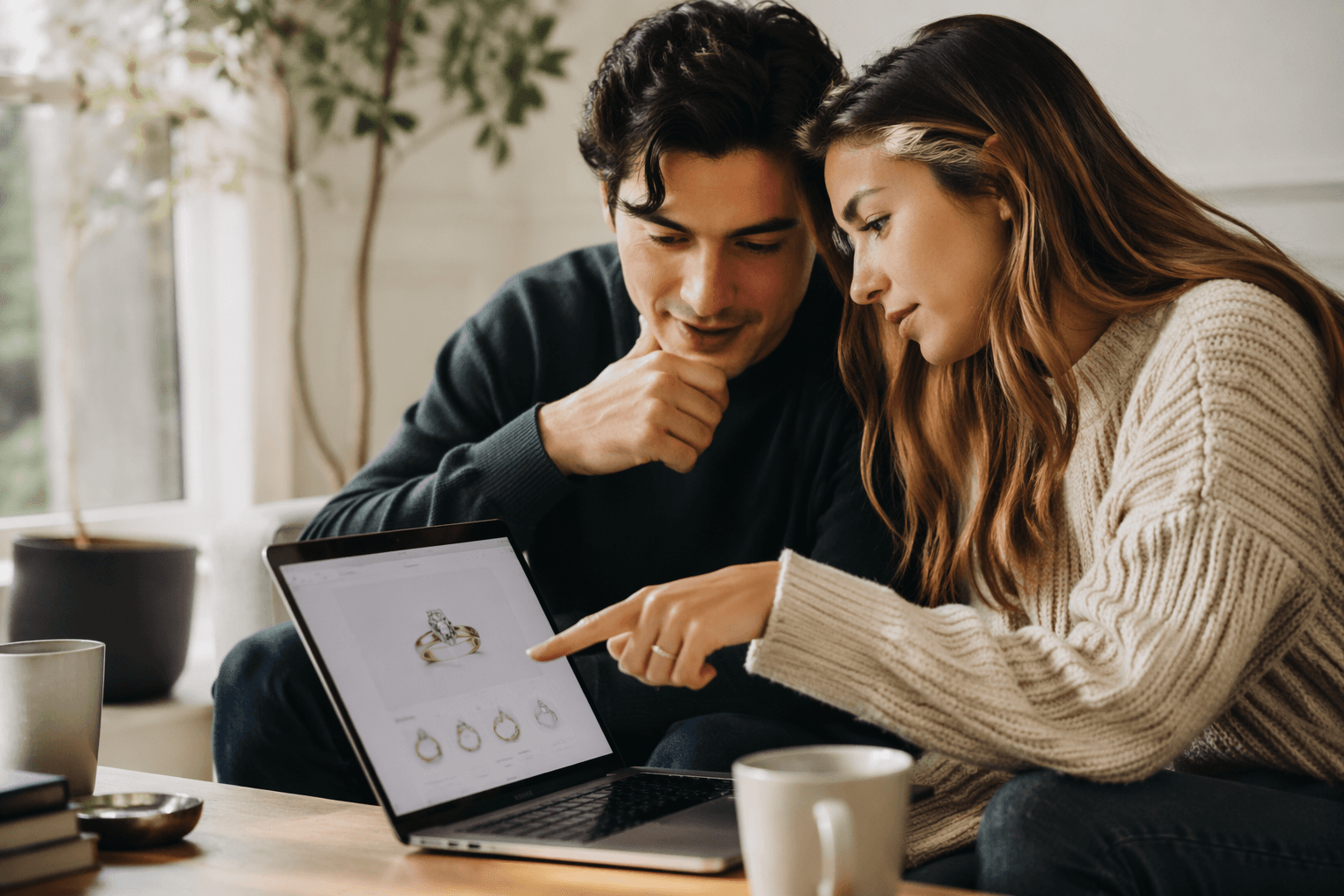
The engagement-ring market has quietly changed its social script. A ring is no longer just a surprise to be unveiled at the proposal; for many couples, it is now a shared decision, shaped by budget, timing, and a growing comfort with buying online.
The new etiquette of choosing together
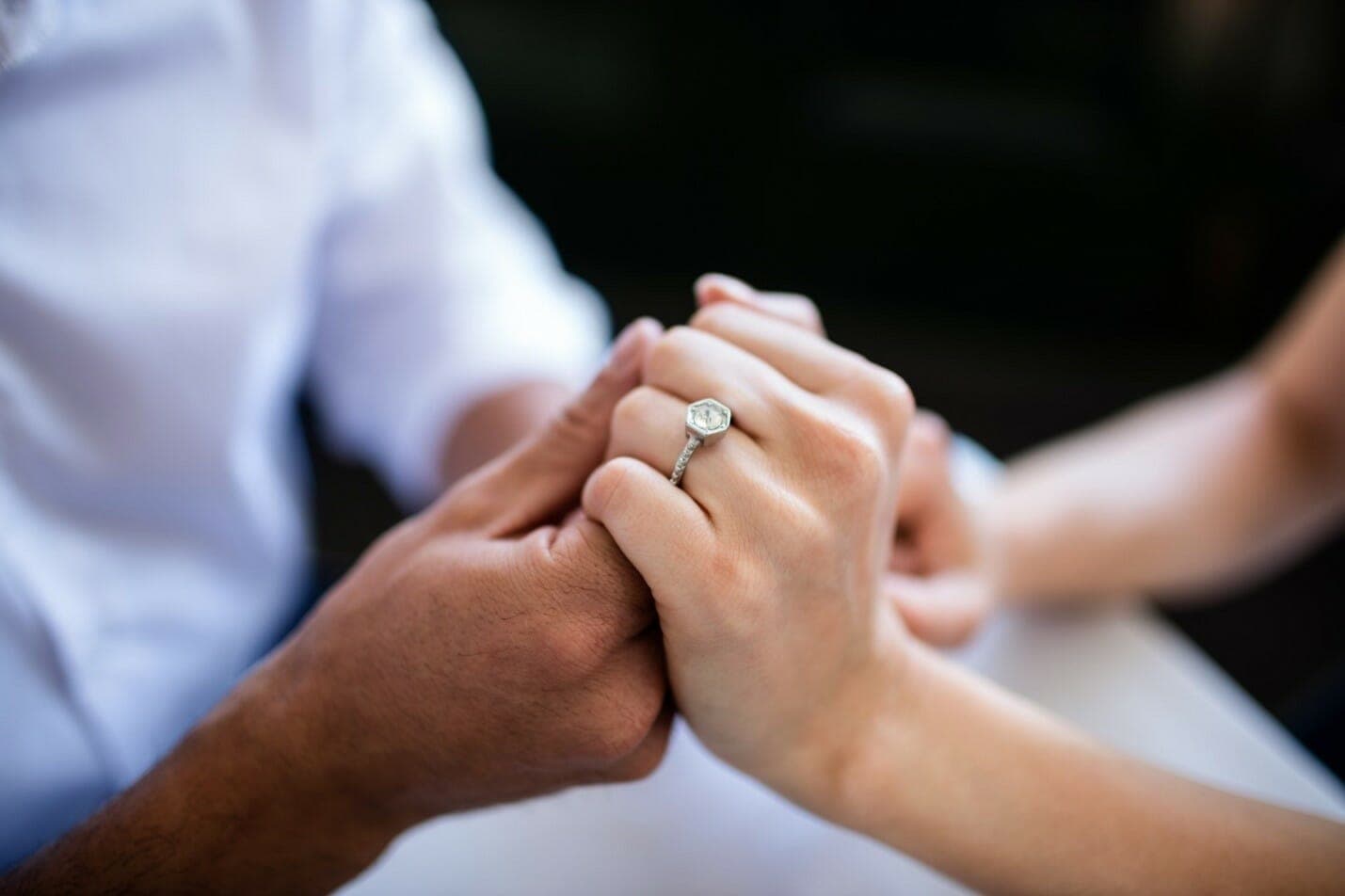
The Knot’s 2024 Jewelry & Engagement Study, based on more than 7,000 recently engaged couples, found that 77% of proposees had some involvement in selecting or purchasing the ring. That involvement took several forms: 39% hinted at or discussed what they wanted, 29% shopped with their partner, and 9% were present when the ring was bought. The proposal itself has become more planned as well, with 83% arranged ahead of time. In other words, the ring has shifted from a mystery item to a highly considered object, and that change is now baked into how people shop.
That shift matters because it changes what a smart buy looks like. In June 2026, the best ring is not simply the biggest stone or the most dramatic setting. It is the one that balances desirability with practicality, especially when the buyer and wearer are making decisions together and the proposal may be closer than the shopping process used to allow.
Why online shopping has crossed into the mainstream
A June 17 buyers guide from Top Consumer Reviews reflects how normalized digital buying has become, citing The Knot data that around 39% of couples buy engagement rings online. That is no longer a niche behavior. It is a mainstream pathway, especially when shoppers want more control over comparison shopping, stone selection, and visual inspection than a single showroom visit can provide.
The strongest online retailers in the guide, including James Allen, REEDS, and Blue Nile, stand out for the things modern buyers now expect: ready-made selection, custom design tools, 360-degree imagery, shipping, warranties, and return policies. Those features are not extras anymore. They are the online equivalent of being able to handle the ring in person, except they often give you more time to compare options without pressure.
For many couples, online shopping offers a better fit than in-store browsing because it compresses the distance between inspiration and purchase. You can move from a familiar solitaire to a more specific design, compare center stone sizes, and see how different settings affect the overall look, all before you ever walk into a jewelry counter. That is especially useful if one of you wants to shape the ring quietly while still preserving enough romance for the proposal itself.
What the market says about timing and budget
The most useful number in the June 2026 market may be the one that has been sliding downward: average engagement-ring spending. According to The Knot, the average cost fell from $6,000 in 2021 to $5,800 in 2022, $5,500 in 2023, $5,200 in 2024, and $4,600 in 2025. Jewelers Mutual’s 2024 study, based on more than 1,500 shoppers and wearers, placed respondents’ average ring value between $2,500 and $5,000. Taken together, those figures show a market that is less about oversized expenditure and more about thoughtful allocation.
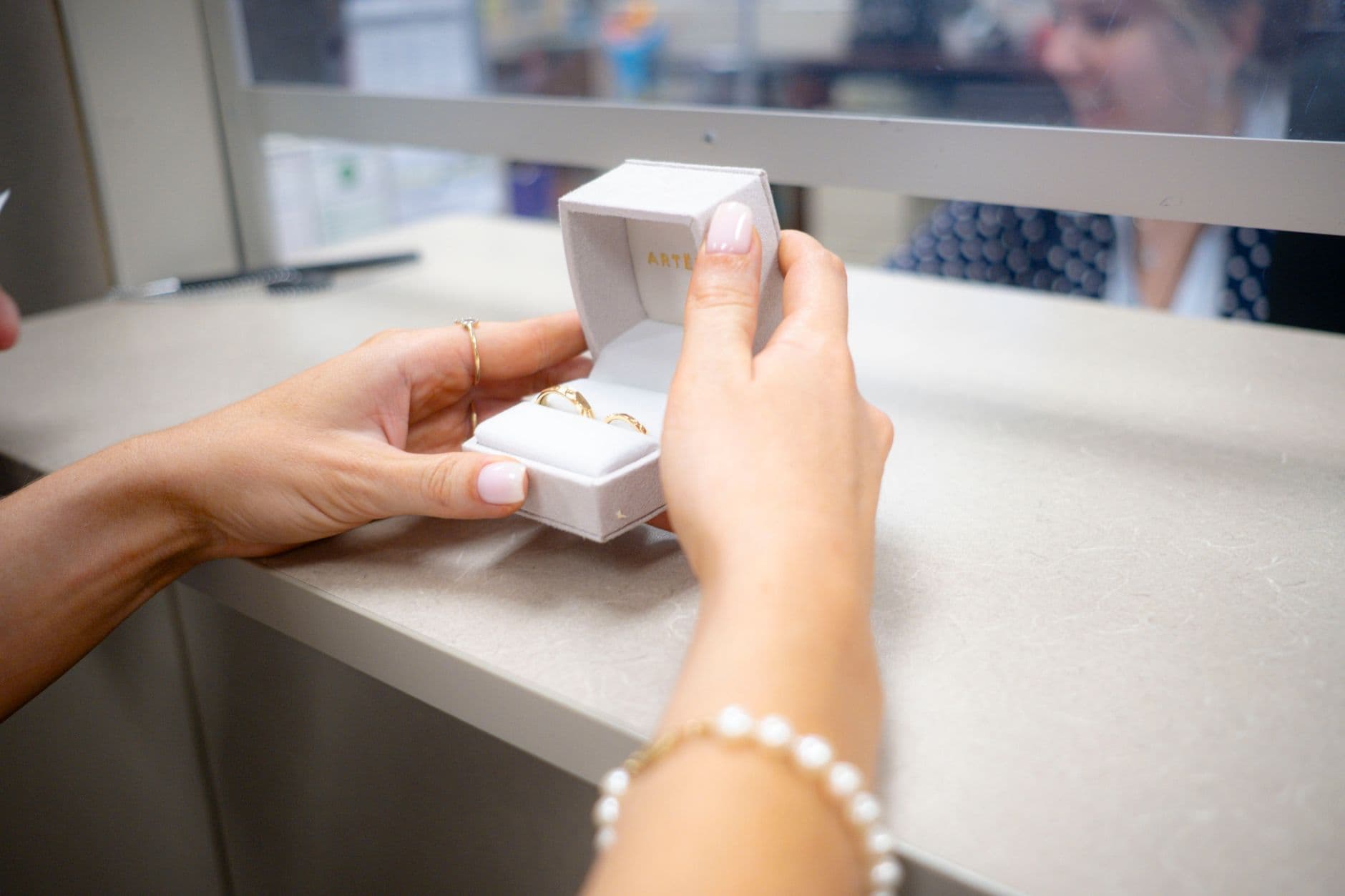
That makes June 2026 a particularly practical moment to buy. If your budget sits in the $2,500 to $5,000 range, you are inside the center of the market, not at its edges. If you want more stone for the money, lab-grown options have transformed what those dollars can buy. If you want a more traditional luxury signal, natural diamonds still carry powerful emotional and cultural weight. The smartest purchase is the one that makes the ring feel substantial without forcing the rest of the proposal plan to stretch.
Lab-grown stones are rewriting expectations
JCK reported that The Knot’s 2026 Real Weddings Study found lab-grown center stones account for 61% of all engagement-ring purchases, a 239% increase since 2020. The same study drew on more than 10,000 U.S. couples married in 2025, and The Knot said 40% of respondents chose lab-grown stones partly because of macroeconomic conditions. That is a striking market signal: buyers are not rejecting luxury, they are recalibrating how they define value.
At the same time, De Beers Group offered a counterweight in June 2026, saying natural diamonds remain the most desired luxury jewelry product. It also noted that Gen Z is now the second-largest generation buying diamonds and that non-bridal occasions account for three-quarters of overall U.S. diamond demand. The message is not that lab-grown has replaced natural diamonds. It is that the market now contains two powerful truths at once: lab-grown has become a dominant buying choice, while natural diamonds still occupy the summit of luxury desire.
For shoppers, this means the most important decision is not ideological. It is aesthetic, financial, and practical. A lab-grown center stone may deliver a larger visual presence for the price, while a natural diamond may carry a different sense of rarity and heritage. Both are viable. The better buy is the one that aligns with how the ring will be worn, remembered, and insured.

How to match the ring to your timeline
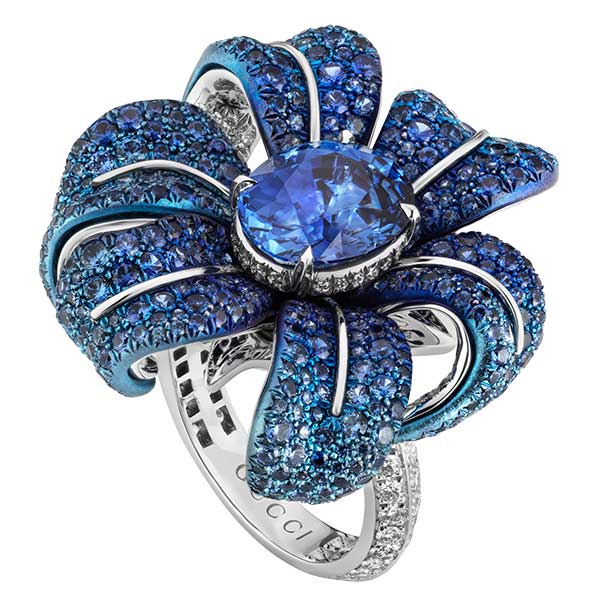
Customization is where online and in-store shopping diverge most sharply. Ready-made rings are the safer choice when the proposal window is tight, because they remove the lag of design approvals and production. Custom design tools, by contrast, are best when the couple has time to shape details and wants a ring that feels unmistakably personal, which is exactly the kind of “non-cookie-cutter” design National Jeweler says jewelry experts are seeing gain traction.
If you are shopping for a proposal that is already planned, speed matters as much as romance. A ring with strong shipping, a clear warranty, and a generous return policy can be more valuable than an extra carat on paper, especially if you are buying sight unseen. In-store buying still offers the reassurance of direct viewing and immediate conversation with a jeweler, but online has become the more efficient route for many buyers because it compresses comparison shopping into a single screen and makes policy differences impossible to ignore.
That is the real lesson of June 2026: the best engagement ring is no longer defined only by carat weight or store prestige. It is defined by fit, by timing, and by how well the purchase reflects a couple that is already making the decision together.
This article was produced by Prism’s automated news system from verified source data, official records, and press releases, then run through automated quality and moderation checks before publishing. The system is built and supervised by the people who set the standards it runs under. Read our full AI policy.
Did this article answer your question?