Personalized engagement rings gain ground as shoppers reject tradition
Couples are keeping the classic oval and round diamond, then making it personal with east-west mounts, toi et moi layouts and colored centers.
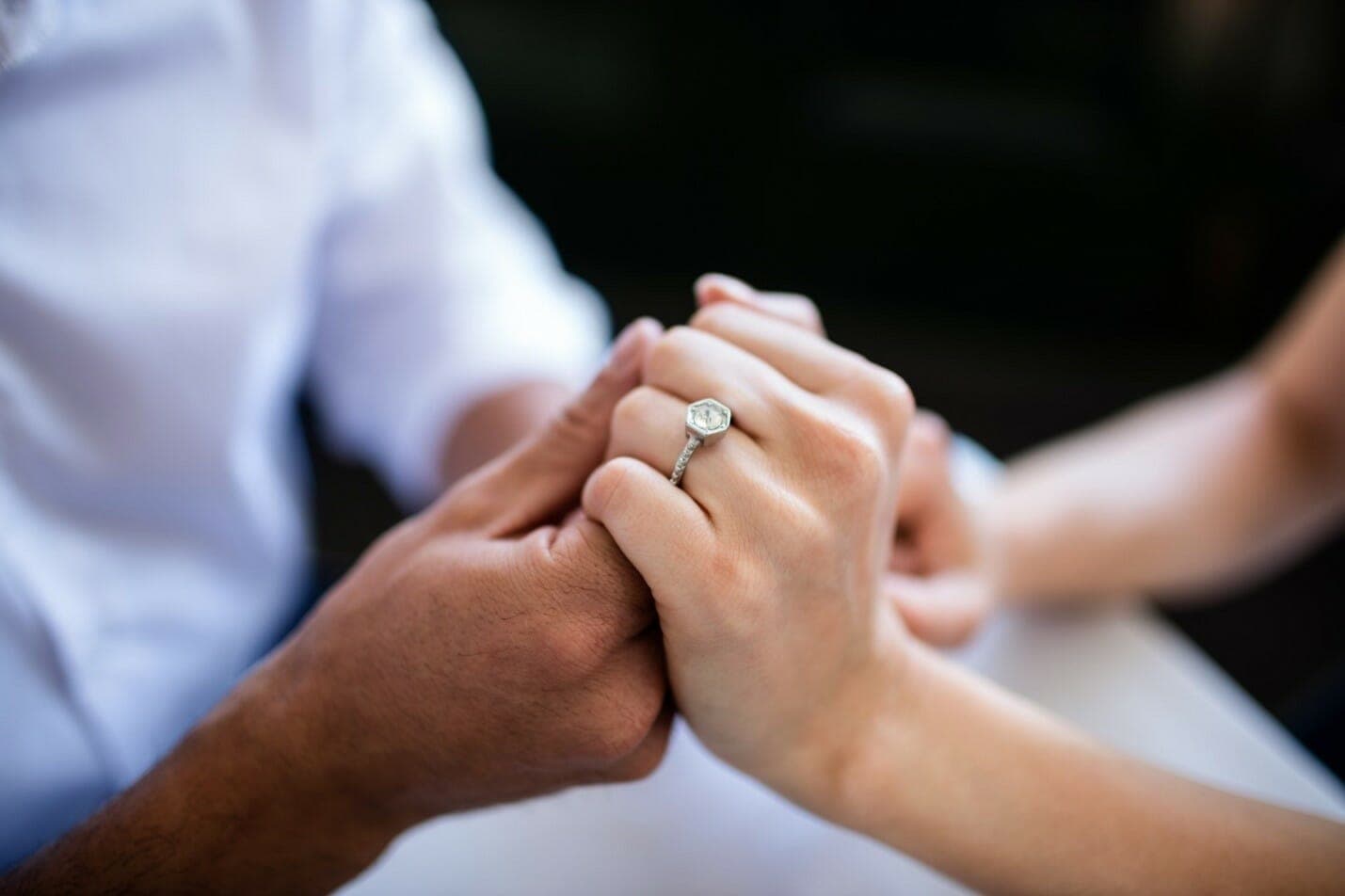
The engagement ring market has split into two clear instincts: buy the familiar shape that still feels secure, then make it unmistakably your own. Round diamonds and oval solitaires continue to anchor the category, but couples are using custom settings, colored centers and unexpected orientations to turn a classic into a signature.
The new middle ground
The most interesting engagement rings right now are not rejecting tradition so much as editing it. The Knot says many couples are shopping together and moving away from old rules, which helps explain why the modern proposal ring often starts with a shape people already trust, then adds a detail that feels personal. An oval solitaire, an emerald cut or a cushion cut gives the ring a recognizable center of gravity; the setting does the storytelling.
That is why the category feels so split. On one side are the safe bets, the rings that still read instantly as valuable and easy to live with. On the other are the pieces that bend the template just enough to feel individual, whether that means an east-west mounting, a toi et moi composition or a colored stone in the center. The strongest rings in the market today do both at once.
What the numbers say about “safe”
The Natural Diamond Council’s 2025 data, drawn from more than four million jewelry transactions across 2,500 U.S. specialty jewelers, shows just how durable the classic engagement ring remains. Average ring price rose 9% to $7,364, the average stone size reached 1.16 carats, and round diamonds still led the category with 62% of units sold. Oval diamonds followed at 14%, a reminder that the market’s favorite alternative is still a shape with broad recognition, not a radical departure.
That matters because value in engagement rings is not only about carat weight. It is also about how easily a stone can be understood by the market. A round diamond carries the broadest appeal and the deepest resale confidence because it is the shape most buyers already know. Ovals bring a similar sense of safety, but with a softer, more elongated silhouette that can appear larger than its actual carat weight suggests. In other words, the classics are not disappearing; they are becoming the canvas for more personal decisions.
Natural Diamonds frames that same shift in emotional terms. Consumers in 2025 still valued authenticity, deep-Earth origins and heirloom potential in natural diamonds. That combination is revealing. Buyers are not choosing a stone only because it is pretty in the moment; they want the ring to feel grounded enough to be handed down later, and recognizable enough to hold its standing in the market.
Personalization is the new status signal
De Beers’ June 2026 U.S. consumer study, based on 18,500 women, adds another layer. Natural diamonds remain the most desired luxury jewelry product in the U.S., average purchase prices increased 25%, and Gen Z is now the second-largest generation buying diamonds. Non-bridal occasions account for three-quarters of overall U.S. demand, which suggests that diamond buying is no longer confined to one ceremonial moment. It is part of a broader luxury wardrobe.
That helps explain why personalized engagement rings are gaining ground so quickly. When diamonds are increasingly bought for self-purchase, milestone gifts and everyday luxury, the design language gets looser and more expressive. An engagement ring is still the most emotionally charged purchase in the category, but it now borrows from the wider jewelry market’s appetite for individuality. Status is no longer just size. It is taste, specificity and the sense that the ring was chosen with intention.
The cuts and settings defining the moment
The current look is less about one dominant silhouette than about a set of highly legible options. JCK highlights east-west settings, toi et moi designs, asymmetrical rings, vintage and antique-cut diamonds, and colored center stones as major 2026 directions. Rapaport notes that yellow gold and ovals are also among the top trends right now, while National Jeweler says round diamonds continue to endure.
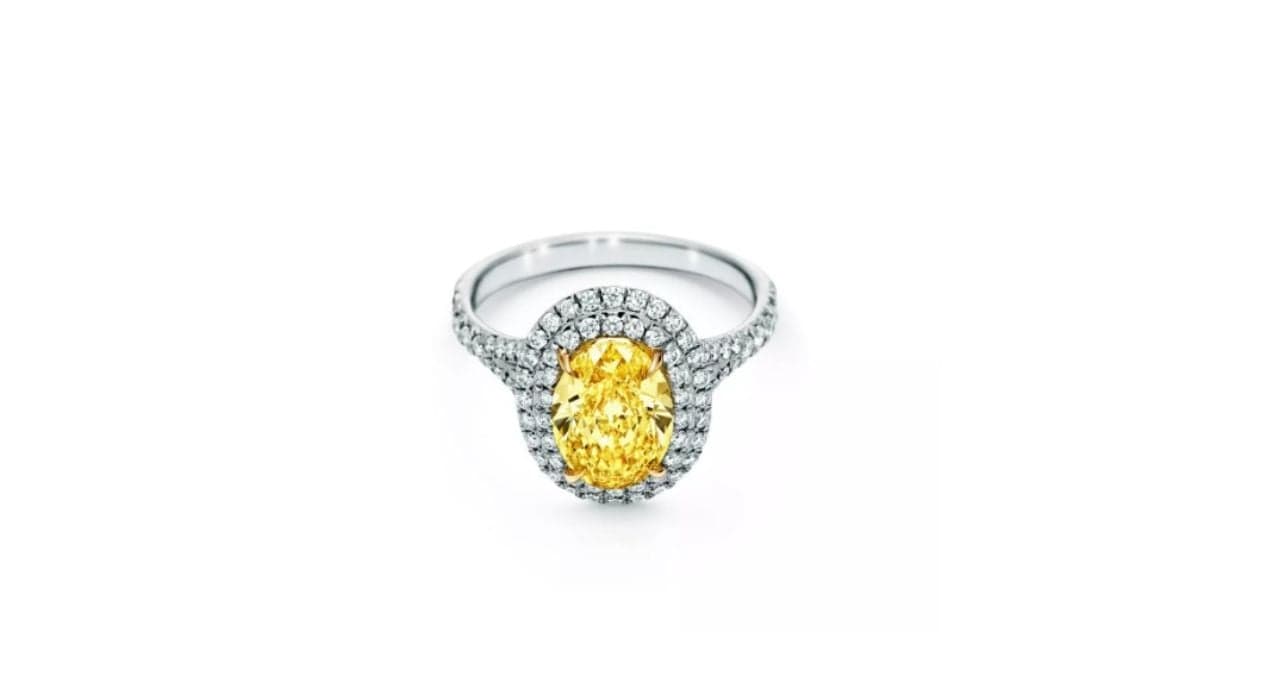
- Oval solitaires remain the market’s cleanest compromise. They feel contemporary without becoming obscure, and they bring a longer, more elegant line to the hand.
- Emerald cuts carry a different kind of confidence. Their step-cut geometry is quieter than a brilliant cut, which makes them feel architectural and polished rather than flashy.
- Cushion cuts soften the profile, giving buyers a shape that feels romantic but still substantial.
- Radiant cuts bring more sparkle into a tailored frame, which is why they work well for shoppers who want brilliance without defaulting to a round stone.
- East-west settings change the personality of familiar cuts immediately. An oval or emerald set horizontally looks less bridal by convention and more designed.
- Toi et moi rings add narrative as much as style. Two stones side by side can suggest partnership, contrast or balance, and they have become one of the clearest symbols of a ring chosen for meaning.
- Asymmetrical designs feel deliberate and fashion-forward, especially for buyers who want a ring that looks custom rather than assembled from a preset template.
- Vintage and antique cuts, including old mine-style stones, signal a reverence for history and craftsmanship. They often appeal to buyers drawn to softness, character and a sense of provenance.
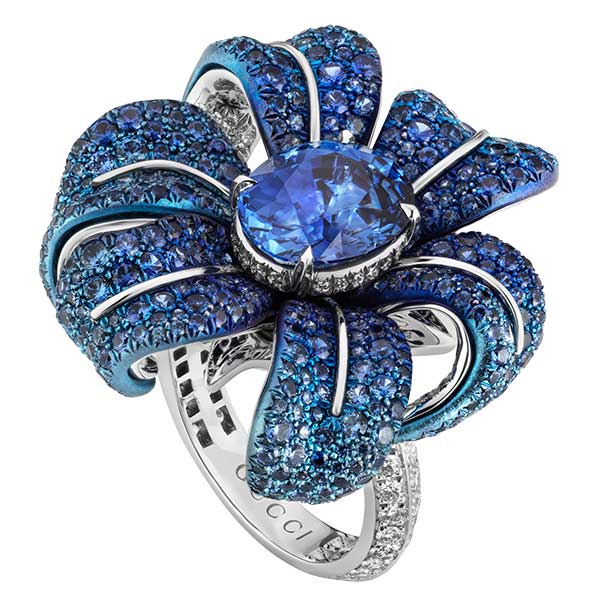
- Colored center stones, especially sapphires, push the ring beyond the expected diamond script. They make the piece feel unmistakably personal, though they usually narrow the field of future buyers more than a classic white diamond does.
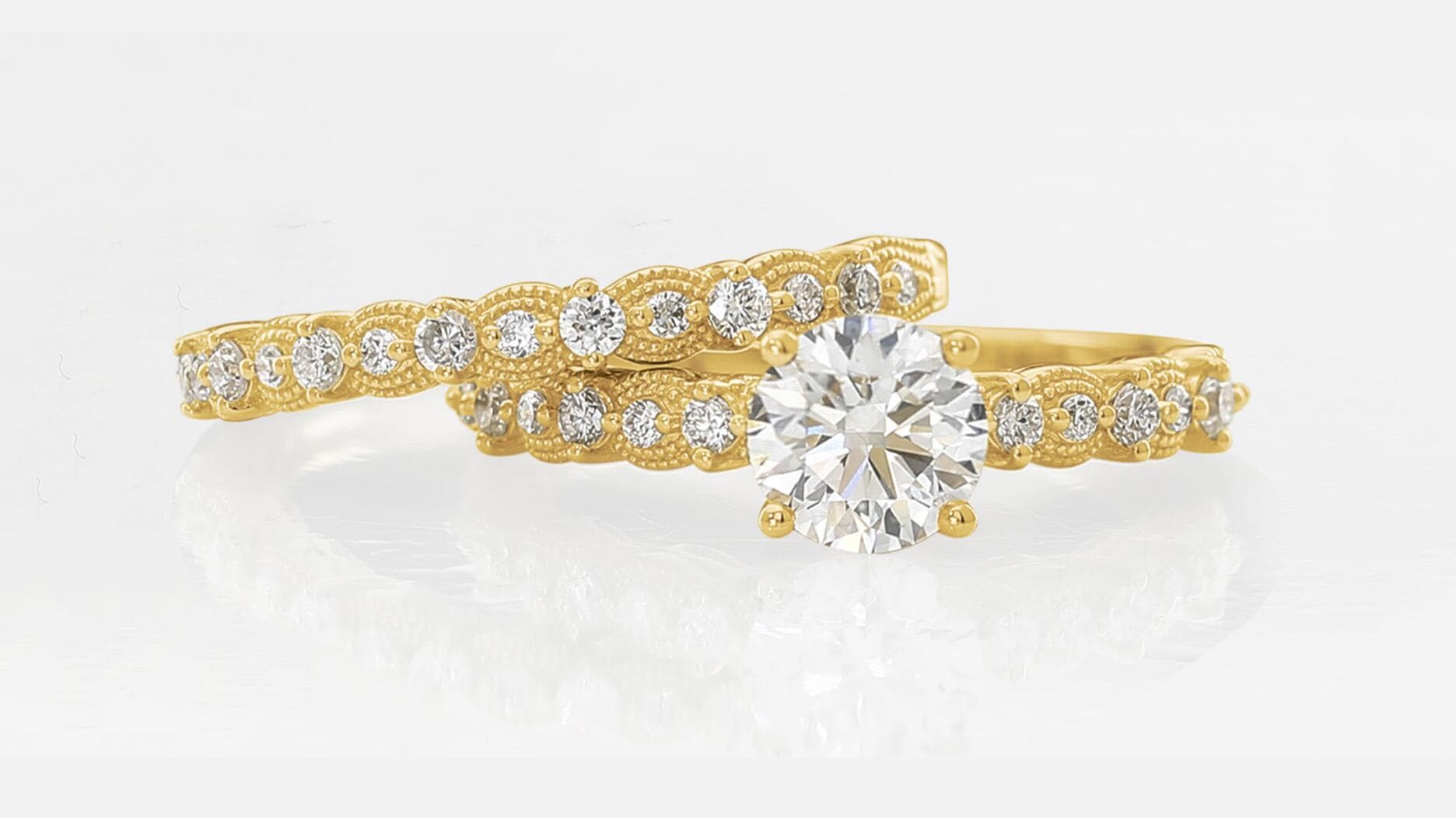
Yellow gold ties many of these choices together. It flatters oval and antique-inspired stones, adds warmth to colored centers and gives a ring a richer, more editorial feel than the cooler sheen of platinum. In today’s market, the metal choice can matter almost as much as the stone.
How to read the market when you are choosing
The clearest way to think about this category is to separate what feels safe from what feels singular, then decide how much of each you want. A round or oval diamond in a restrained setting gives the broadest confidence, which is why it remains the default for buyers who care about future flexibility. A more distinctive mount, an east-west orientation or a colored center stone moves the ring toward individuality without abandoning craftsmanship.
That balance is exactly what the current market rewards. Buyers want pieces that look personal, but not so personal that they lose their sense of value. The winning engagement ring today is often the one that can be read in two ways at once: classic enough to feel enduring, specific enough to feel like it could belong to no one else.
This article was produced by Prism’s automated news system from verified source data, official records, and press releases, then run through automated quality and moderation checks before publishing. The system is built and supervised by the people who set the standards it runs under. Read our full AI policy.
Did this article answer your question?