Princess Diana’s Dis-Moi Oui ring and its tragic Paris mystery
Diana’s Dis-Moi Oui ring was bought in Paris hours before her death, then vanished into tragedy, turning a diamond dome into royal myth.
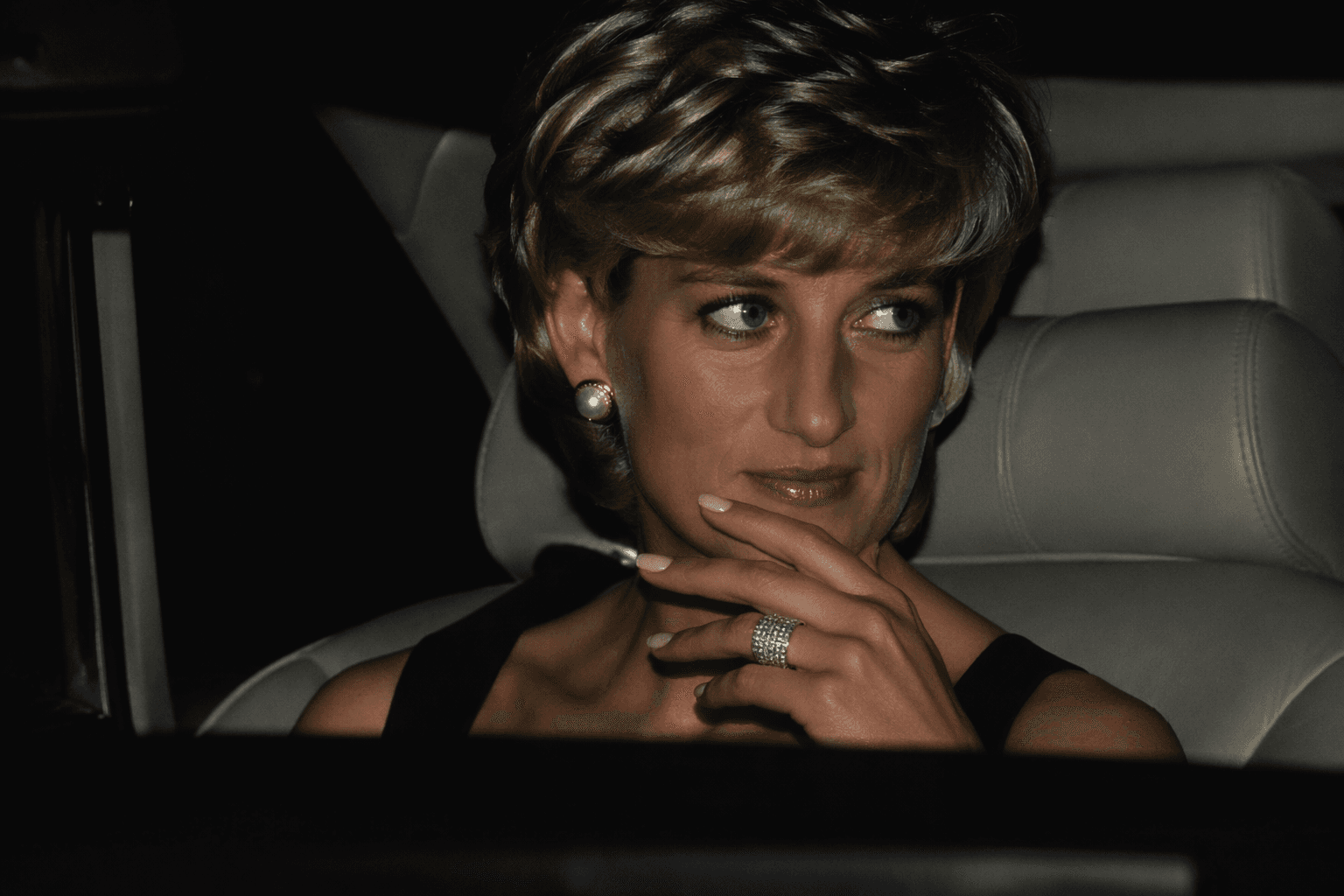
An Alberto Repossi diamond dome ring sat at the center of Princess Diana and Dodi Fayed’s last summer together. It reads like a proposal and a crime scene at once: a ring tied to a receipt, a recovery, and a question that never got a clear answer.
The ring that never quite became a proposal
Diana and Dodi Fayed were in the middle of a fast-moving summer romance after her 1996 divorce from then-Prince Charles, and the ring sits at the center of that brief, fevered chapter. The Diana inquest identified a receipt from the Paris branch of Alberto Repossi dated August 30, 1997, for an £11,600 engagement ring, with the French wording “bague fiancaille” on the document. Police later said the ring was found in Dodi Al Fayed’s Paris flat after the crash on August 31.
Dodi never actually proposed to Diana, even though the ring was linked to Repossi’s Dis-moi oui line, “Tell me yes.” The ring is famous not from a public moment of wear, but from a private trail of receipt, recovery, and rumor.
What makes Dis-Moi Oui visually different
The Dis-Moi Oui ring is a diamond dome ring, and that shape is part of why it reads so differently from the jewelry most people picture when they think of Diana. A dome setting gives the ring volume and curvature rather than height and spindly delicacy, so the diamonds sit in a compact, rounded mass instead of a single upright focal stone. That creates a more modern, fashion-forward profile, one that feels closer to late-1990s glamour than to a classic courtly engagement ring.
Unlike a solitaire, where one stone does all the narrative work, a dome ring spreads its sparkle across surface and silhouette. The effect is broader and more architectural, which suits Repossi’s design language and explains why the ring has been remembered less as a traditional engagement ring than as a jewel with its own visual identity.
Why it still does not read like Diana’s sapphire
The comparison with Diana’s earlier 12-carat sapphire engagement ring is inevitable, but the two jewels speak entirely different design dialects. Diana’s sapphire was bold, colored, and instantly legible as an engagement ring because the stone itself announced it from across a room. It is now worn by Catherine, Princess of Wales, which has kept that ring in the center of public memory and made it the stable reference point whenever Diana’s jewelry is discussed.
The Dis-Moi Oui ring works differently. It is less about one monumental stone than about shape, surface, and brand language. Where the sapphire ring became a lasting symbol of a formal royal marriage, the Repossi piece became famous because it hovered at the edge of possibility. Its story is not anchored by a wedding, an official engagement, or even a confirmed proposal.
The Paris receipt and the question of provenance
The inquest receipt, the Paris branch of Alberto Repossi, the £11,600 price, and the recovery from Dodi Al Fayed’s Paris flat all form a paper trail that is unusually specific for a jewel wrapped in legend. The ring is not just a rumor about what might have been bought, but a documented purchase tied to a precise date and place.
The documentation does not settle whether Dodi truly proposed.

How the ring fits today’s engagement-ring taste
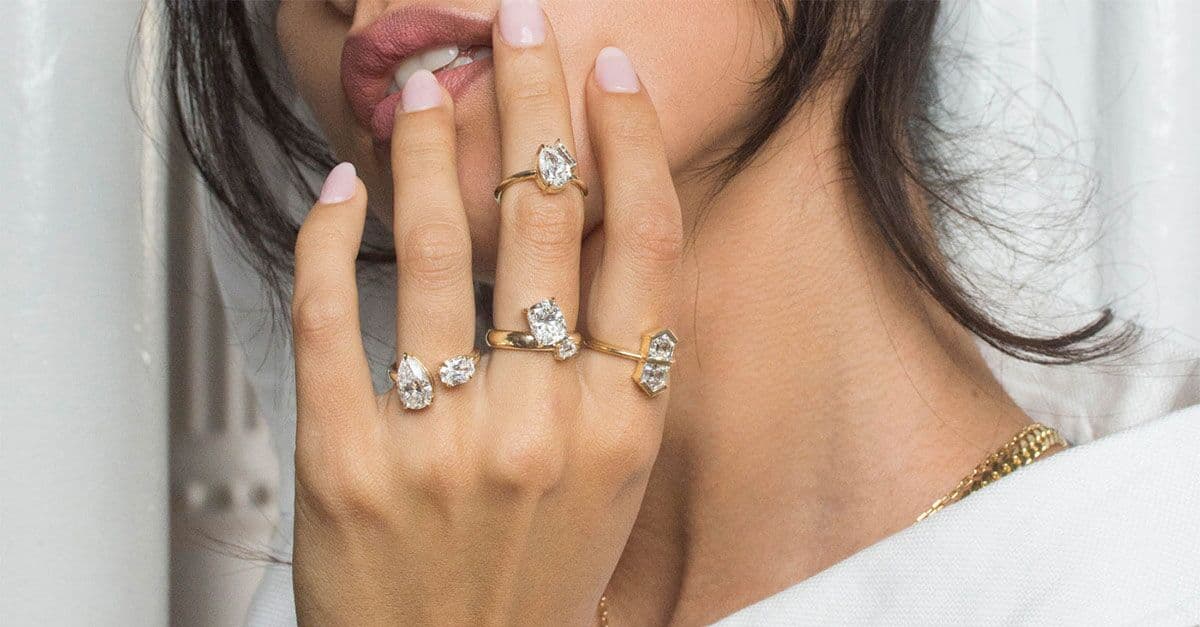
Seen through today’s engagement-ring lens, the Dis-Moi Oui ring looks unexpectedly current. Modern buyers have moved well beyond the single-stone formula, and many want rings that feel sculptural, personalized, and visibly designed rather than merely valuable. A diamond dome ring fits that mood perfectly because it emphasizes texture, silhouette, and finger coverage, the same qualities that make cluster rings, halo settings, and broader vintage-inspired forms feel so present now.
The piece also points to a larger shift in how people read value. A ring like this is not only judged by carat weight or by the status of one center stone. It is judged by the strength of its design language, the recognizability of the maker, and the story attached to it. Repossi’s Dis-Moi Oui line had a name, a phrase, and a clear emotional pitch.
The Crown effect and the return of the mystery
Netflix’s The Crown helped drag the ring back into public conversation by dramatizing a proposal scene around it, and that screen version sharpened interest in the real jewel. Harper’s Bazaar UK and Vogue Singapore returned to the ring through the show’s Monte Carlo jewelry world, the mystery of the purchase, and the French magazine-ad lore tied to it. None of that settled whether Dodi proposed.
This article was produced by Prism’s automated news system from verified source data, official records, and press releases, then run through automated quality and moderation checks before publishing. The system is built and supervised by the people who set the standards it runs under. Read our full AI policy.
Did this article answer your question?