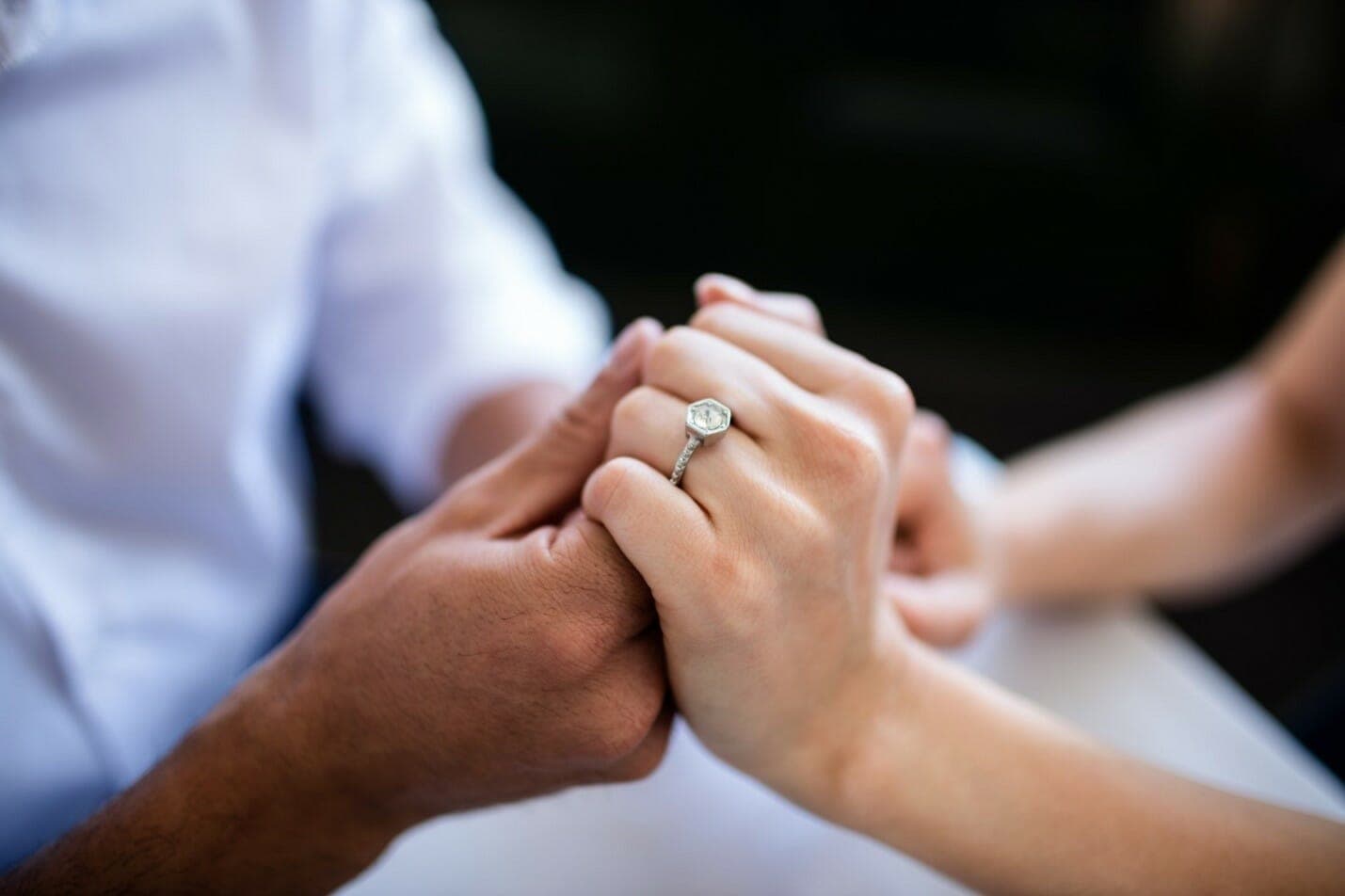
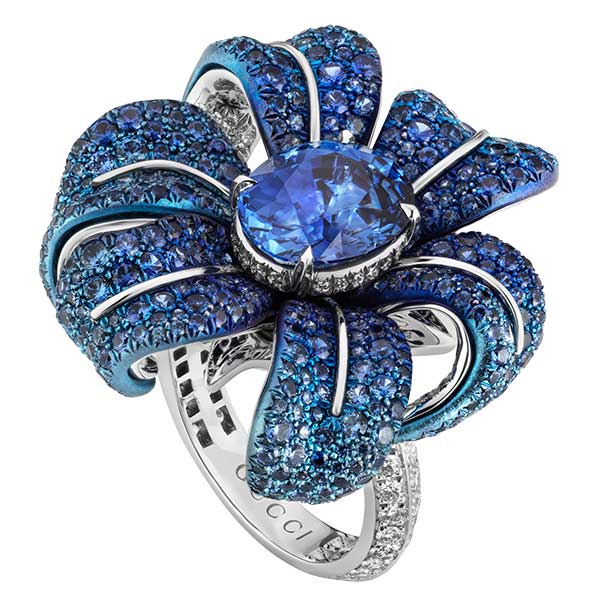
Raw Diamonds Gain Appeal as Lab-Grown Stones Reshape Engagement Rings
Lab-grown stones now dominate engagement rings, but raw diamonds are winning buyers who want texture, asymmetry, and a center stone that looks unmistakably handmade.
The new countertrend in engagement rings
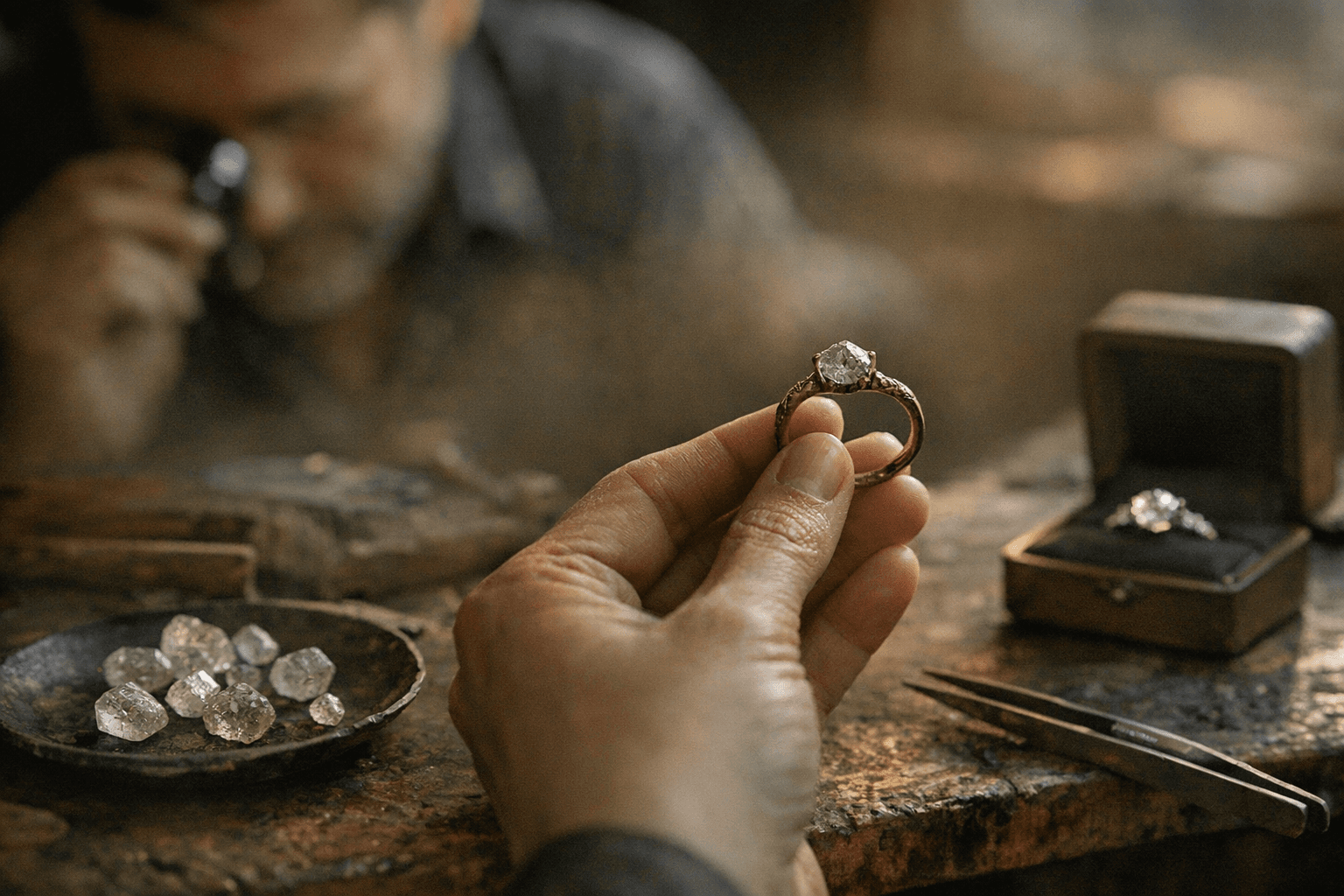
Lab-grown diamonds now account for 61% of engagement-ring center stones among couples married in 2025, and that scale has opened the door to an opposite impulse: raw diamonds that look visibly untamed. The appeal is not lower cost. It is the exacting, slightly irregular beauty of a stone that looks less engineered and more found.
What makes the turn so striking is how visual it is. In a market flooded with precision and polish, some buyers are choosing stones with texture, natural variation, and the kind of individuality that cannot be copied by a perfectly finished lab-grown gem. Forbes framed the shift plainly: the lab-grown choice is becoming mainstream, and the response is a taste for something that feels more handmade, more personal, and more anchored in provenance.
What a raw diamond really means
The Knot defines a raw diamond as a naturally occurring diamond that has not been cut, polished, or faceted. That unfinished state is the point. A raw stone keeps its natural surface and shape, so the ring reads less like a perfected showroom object and more like a piece that still carries the language of the earth.
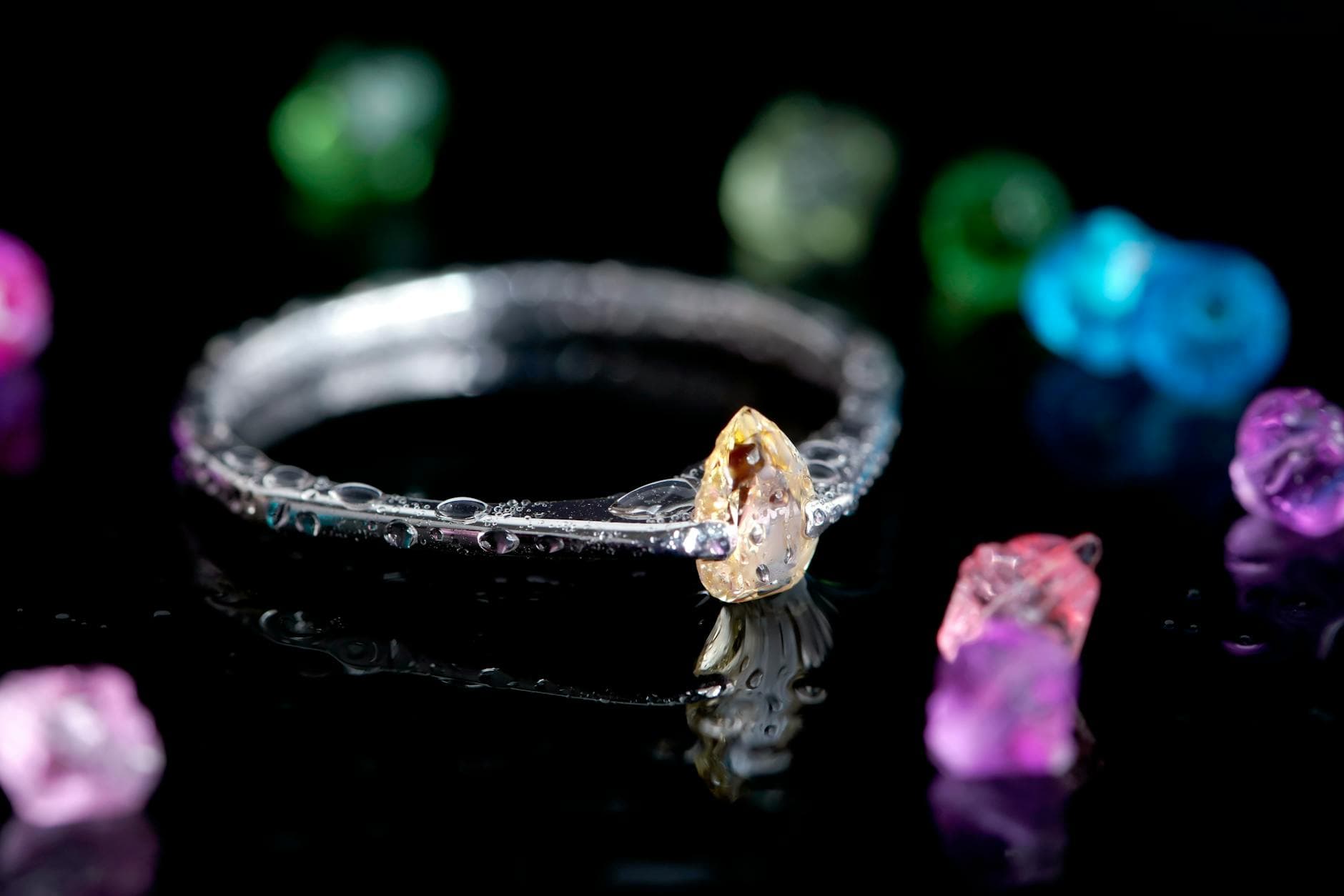
That look is not for everyone, and that is precisely why it is gaining traction. Raw diamonds tend to feel less cookie-cutter because their edges, color, and form are not standardized by cutting houses into the familiar brilliant profile. For buyers tired of the same high-shine center stone repeated across social feeds, the appeal lies in a center stone that looks singular at a glance.
Why old mine cuts are back in the conversation
The raw-diamond interest is closely tied to a larger revival of antique-looking stones, especially old mine-cut diamonds. These date to the 1700s and were historically cut by hand, which gave them chunkier, asymmetrical appearances that feel softer and more intimate than modern precision cutting. That handmade irregularity is part of the romance.
The historical line matters because engagement rings have always been as much about style as symbolism. Diamond engagement rings date back to 1477, when Archduke Maximilian of Austria proposed to Mary of Burgundy with a diamond ring. The present-day appetite for old mine cuts and raw stones connects that history to something current: a desire for rings that feel less factory-perfect and more like objects with a private story.
JCK has described a broader shift back toward natural stone aesthetics, and that shift is showing up in warmer hues, vintage cuts, and settings that let the stone keep some of its original character. In practice, that means the ring itself becomes part of the message. The stone does not need to look uniform to look luxurious.
Provenance becomes part of the design
The stronger the visual roughness, the more provenance matters. Kwiat’s Mine to Shine program is built around that instinct, letting couples follow a rough stone from sourcing to the finished product. For buyers drawn to raw diamonds, that kind of traceability is not a side note. It is part of the appeal, because the story of the stone is visible in the finished ring.
That story also helps separate real design intention from vague “natural” language. A raw diamond can be beautiful without being polished into familiarity, but the claim only carries weight when a brand can explain where the stone came from and how it was handled. In that sense, provenance is not a marketing flourish. It is the difference between an aesthetic choice and a hollow promise.
The numbers behind the split
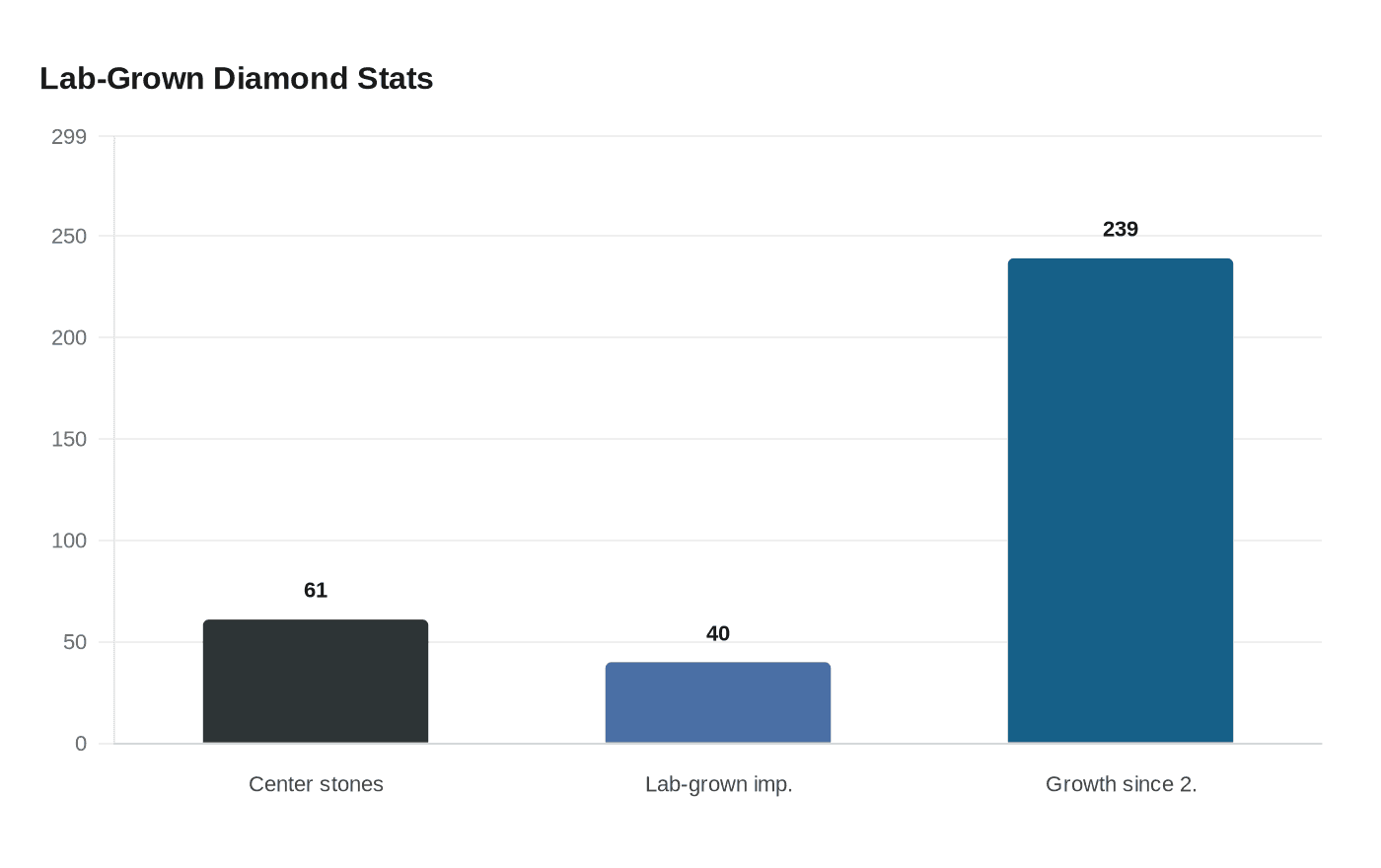
The wider ring market explains why this countertrend has room to grow. The Knot’s 2026 Real Weddings Study says 61% of engagement-ring purchases among couples married in 2025 featured lab-grown center stones, up 239% since 2020. Just as telling, 40% of respondents said it was specifically important that their stone be lab-grown. The lab-grown category has become a default for many buyers, and when one option becomes dominant, the opposite look often starts to feel more precious.
Spending patterns reinforce that divide. The Knot says the average engagement-ring spend in 2025 was about $4,600, down from $5,200 in 2024. Natural-diamond buyers still spend more on average than lab-diamond buyers, while earlier Knot reporting put the average engagement-ring size at 1.6 carats, with nearly a third totaling over 2 carats including side stones and accents. Lab-grown stones helped make larger, brighter rings more accessible, which in turn made some shoppers notice how much they missed a less polished silhouette.
That is the key to understanding the raw-diamond appeal. It is not a reaction against beauty, but against sameness. As lab-grown stones reshape the engagement-ring aisle, raw diamonds are becoming the choice for buyers who want texture over gloss, asymmetry over perfection, and a center stone that looks deliberately unlike everyone else’s.
This article was produced by Prism’s automated news system from verified source data, official records, and press releases, then run through automated quality and moderation checks before publishing. The system is built and supervised by the people who set the standards it runs under. Read our full AI policy.
Did this article answer your question?