Retailers seek larger lab-grown stones and customization at JCK Las Vegas
Retailers in Las Vegas are chasing bigger lab-grown stones, custom bridal builds and in-store tech, a sign that engagement-ring sales are now being won on size and speed.

Retailers arrived in Las Vegas with a clear brief: make engagement-ring sales easier to close by offering more customization, more personalization and better technology on the sales floor. At JCK and Luxury 2026, the strongest signal was not a single style trend but a sales strategy built around lab-grown diamonds, especially 2-plus-carat stones that match what shoppers see online and on social media.
The new bridal pitch is built around choice
That shift was visible across the show floor at The Venetian Expo and The Venetian Resort, where JCK and Luxury 2026 ran from May 29 to June 1, 2026 and drew 17,500 attendees. The attendance bump matters because it suggests the bridal category still has real momentum, even as retailers recalibrate how they win the sale. The language from buyers was less about one hero design and more about the tools needed to convert a customer who wants something personal, fast and visibly impressive.
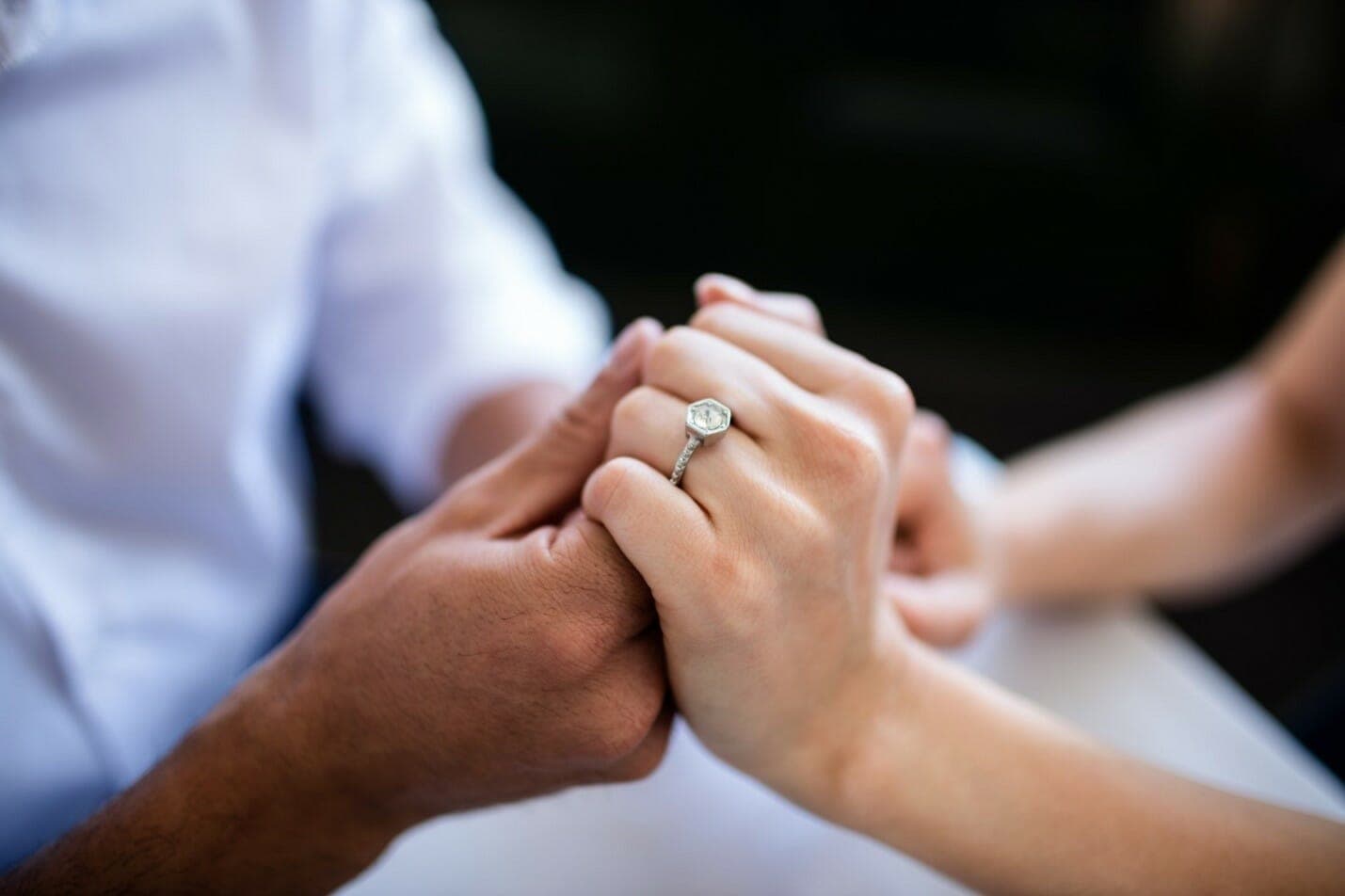
The clearest example came from Bowden, who said she was looking for lab-grown diamonds for 2-plus-carat engagement rings. That is not a niche request anymore. It reflects a broader market where the customer often arrives with a reference image, a preferred stone shape and an expectation that the finished ring can be tailored rather than simply selected off the shelf. Lab-grown center stones fit that model because they let stores offer size and flexibility without the same price barrier as larger mined stones.
Bigger stones are now the baseline, not the exception
The Knot survey cited by JCK helps explain why so many retailers are leaning into larger lab-grown options. The average diamond size in an engagement ring rose to 1.6 carats, and nearly a third of engagement rings totaled over 2 carats when side stones and accents were included. In the same data, the average lab-grown center stone measured 1.9 carats. Those numbers show that the market is no longer anchored to the old one-carat ideal; it is moving toward a more assertive, more camera-ready look.

JCK has also pointed to Gen Z and millennial shoppers as major drivers of that shift. They want the kinds of larger stones they see on social media, where visual impact often matters as much as tradition. That helps explain why Bowden’s search was so specific: 2-plus-carat lab-grown stones are not simply a product request, they are a response to how younger couples shop, compare and imagine the ring on their hand before they ever step into a store.
Customization has become a sales tool, not a finishing touch
The bridal story at JCK and Luxury is also a story about the store itself. Retailers are not just asking for stones; they are asking for ways to build the ring in front of the customer, with more personalization and more digital support in the selling process. JCK has previously noted that pandemic-era lockdowns and Zoom sessions accelerated digital customization tools for engagement-ring shoppers, and that legacy is still shaping how bridal counters operate now.
That matters because customization reduces friction. A shopper who wants a different center size, a specific setting profile or a ring that feels one-of-a-kind is easier to move toward a purchase when the store can show options instantly, adjust designs quickly and keep the conversation moving. In practice, that means retailers are investing in systems that support build-your-own bridal programs and in-store technology that helps turn inspiration into a finished order.
Lab-grown demand is rising, but value is under pressure
The reason lab-grown stones are drawing so much attention is not only consumer taste. It is also margin pressure. JCK reported that wholesale prices for lab-grown diamonds fell 14 percent in the first quarter of 2026, with 3-carat round lab-grown diamonds down 28 percent in that period. Those declines make larger stones more accessible to shoppers, but they also squeeze the economics of the category for retailers and suppliers.
That is why the market is shifting from a simple size race to a quality conversation. JCK has reported that the lab-grown diamond market is moving toward higher-quality goods, not just bigger stones. The message for retailers is clear: bigger still sells, but the pieces that hold value in the showroom will be the ones that balance size with better cut, stronger finishing and more careful merchandising. A larger stone alone no longer does all the work.
What the bridal case study says about the next sales cycle
The larger lesson from Las Vegas is that the engagement-ring counter is becoming more like a design studio. Retailers want lab-grown stones in sizes that match consumer aspiration, but they also want systems that let them tailor the ring quickly enough to capture the sale when the shopper is ready. That is where customization, personalization and in-store tech meet the economics of the lab-grown market.
For fine jewelry stores, the playbook is changing in plain sight. The ring still has to feel romantic, but the sale is increasingly won through practical decisions about size, speed and flexibility. In that sense, JCK and Luxury 2026 did not just preview a trend in bridal design. They showed how the next engagement-ring market will be built: larger lab-grown stones, more customized settings and a retail floor designed to close the deal before the customer leaves.
This article was produced by Prism’s automated news system from verified source data, official records, and press releases, then run through automated quality and moderation checks before publishing. The system is built and supervised by the people who set the standards it runs under. Read our full AI policy.
Did this article answer your question?