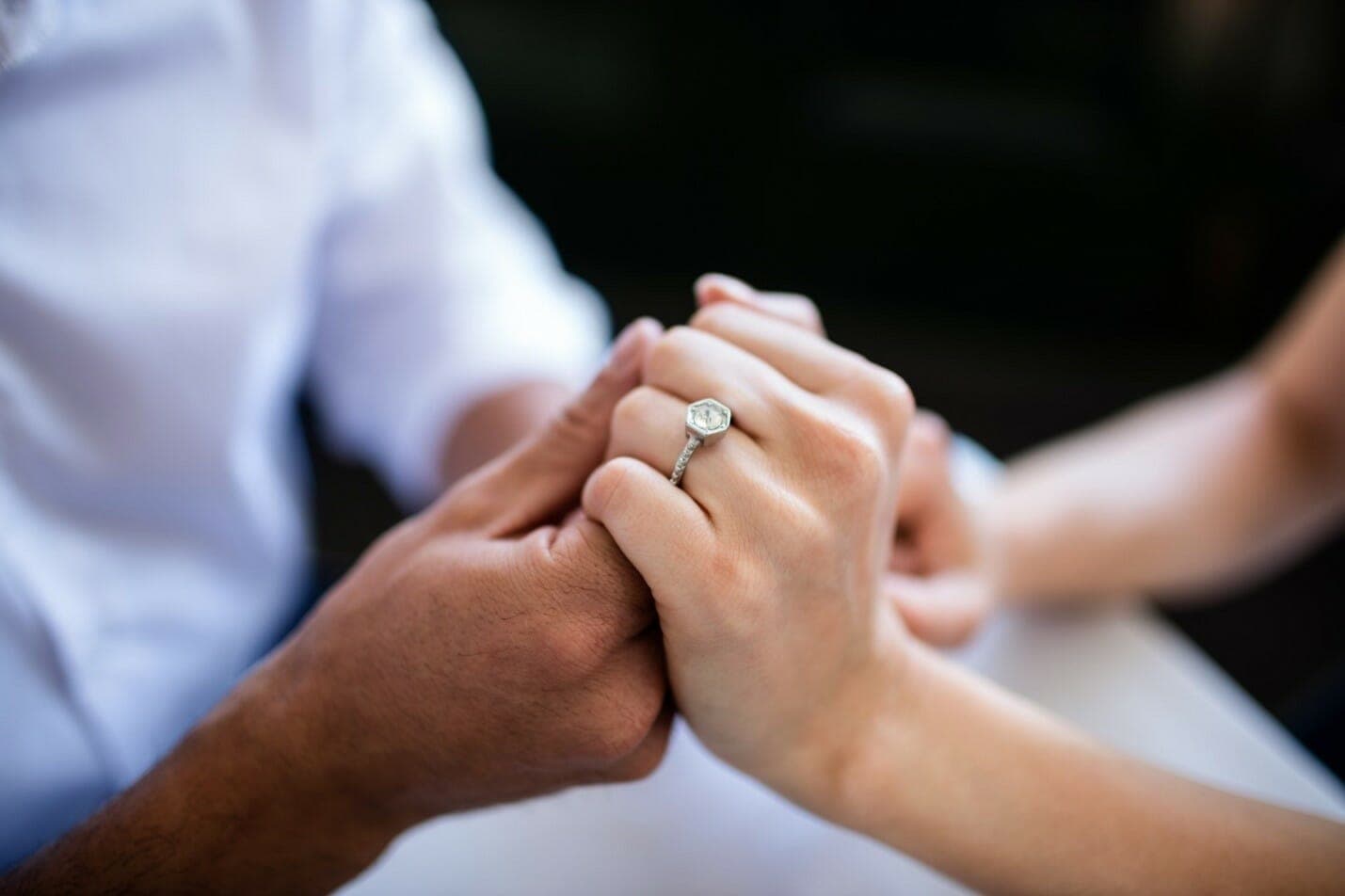
Round-cut engagement rings remain the bridal market’s timeless classic
Round cuts are back as the bridal market’s safest style bet, prized for light return, versatility and resale strength even as novelty shapes crowd the case.
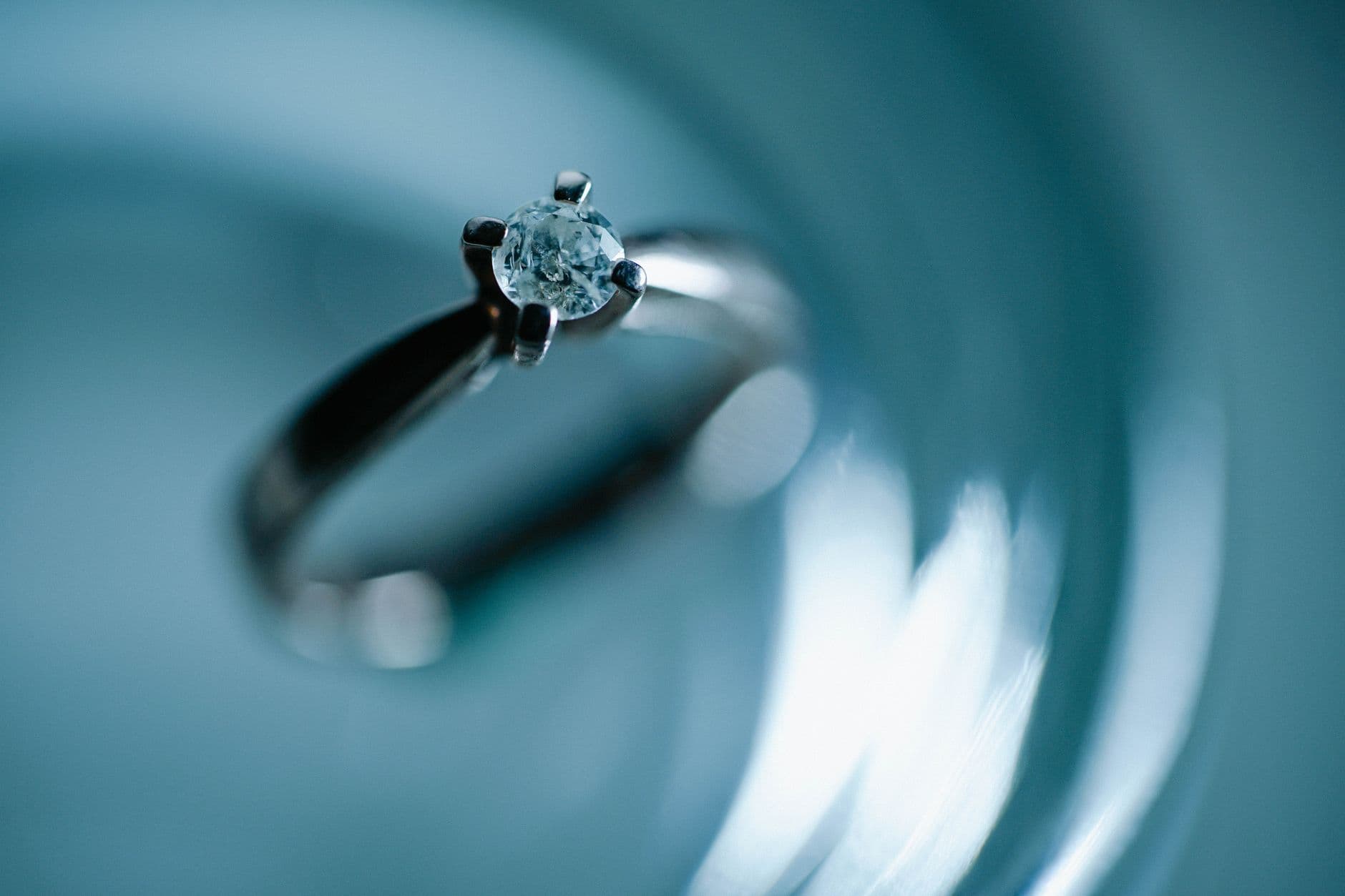
Round-cut engagement rings have become the industry’s quietest power move: familiar, highly legible, and still the shape many buyers trust when they want beauty without risk. A June 10, 2026 Vogue India piece by Shelby Wax treats the round cut as the little black dress of jewellery, and that framing is more than a style metaphor. It captures why the round brilliant keeps returning to the center of the bridal conversation, especially when shoppers want a ring that feels polished now and still makes sense years from now.
Why the round cut keeps winning
The round solitaire remains the market’s anchor because it solves several problems at once. It reads as classic at a glance, but it also feels reassuring in a category where many buyers are now navigating more directional silhouettes and fashion-forward settings. The Knot’s 2024 engagement-ring data, cited in its 2025 trends report, shows round solitaires made up 28% of all engagement-ring designs, which is a substantial share for a style that has spent decades as the default rather than the novelty.
That dominance matters because bridal buying is as much about confidence as taste. A round-cut ring is easy to recognize, easy to style, and easy to imagine wearing every day, which is part of why it continues to draw couples who do not want their engagement ring to feel dated by the next trend cycle. De Beers reinforces that idea in its own language, describing round brilliant diamond engagement rings as an expression of eternal love and classical beauty.
What makes the round brilliant perform differently
The round brilliant is not merely a shape label. The Gemological Institute of America says a standard round brilliant diamond has 57 or 58 facets, with the 58th facet being the culet, a tiny flat facet at the bottom of the pavilion. That facet architecture is deliberate: the cut is designed to maximize light return and sparkle, which is why the round so often outshines more decorative silhouettes when the stone itself is well made.
That light behavior is the real reason the shape has lasted. A round brilliant can look crisp in daylight, lively under spotlights, and balanced from almost every viewing angle, which gives it an advantage over trendier outlines that may look dramatic in one moment and less convincing in another. When buyers talk about a round ring feeling “safe,” what they are often responding to is not conservatism but optical certainty. The cut gives back more of what the stone receives, and that consistency is hard for fashion-driven shapes to match.
The setting still matters, of course. A round stone held in a prong setting exposes more of the diamond to light and keeps the face of the stone open, while a bezel setting creates a sleeker contour and a more architectural feel. The round remains versatile because it can absorb either approach without losing its essential clarity, which is a large part of its staying power.
Why the market keeps circling back to it
The bridal market has always been shaped by more than taste alone. Long-running diamond advertising helped make the round brilliant synonymous with the classic engagement ring, and that legacy still shapes how buyers read the category today. Even now, when alternative cuts and distinctive settings compete for attention, the round solitaire retains an emotional shorthand that other shapes have to earn from scratch.
That shorthand also has practical consequences. A ring that is instantly recognizable and broadly desired tends to travel better across changing style preferences, which is why the round brilliant often feels like a higher-confidence choice. Buyers may be drawn to elongated or unconventional shapes for their personality, but the round’s widespread acceptance gives it a broader lane when it comes to future wearability and resale perception. It is not just beautiful in the moment; it is easy to explain, easy to match, and easy to defend as a lasting purchase.
The Knot’s 28% share underscores that point. Round solitaires were not merely present in the market in 2024; they remained the majority shape in a bridal field that increasingly celebrates variety. That combination of dominance and durability is what separates the round from passing fashion cycles. It does not need to be loud to be relevant.
How jewelers keep the classic from feeling generic
The round-cut ring only feels generic when it is treated as a default rather than a design decision. Jewelers keep it current by paying close attention to proportion, mount, and finish, because the same stone can read very differently depending on how much metal surrounds it and how high or low it sits on the hand. The key is to let the cut do its work instead of burying it under ornament.
That is where the modern appeal lives. A cleaner setting, a more intentional profile, or a sharper contrast between the center stone and the metal can make a round diamond feel freshly edited rather than expected. The most successful round rings today are the ones that treat the diamond as wearable architecture, not just a symbol. They preserve the cut’s brilliance, keep the silhouette crisp, and make the ring feel as considered as any more unconventional shape.
In a market crowded with novelty, the round cut’s advantage is not that it changes the least. It is that it changes gracefully, staying recognizably itself while the rest of the category keeps chasing the next new thing.
This article was produced by Prism’s automated news system from verified source data, official records, and press releases, then run through automated quality and moderation checks before publishing. The system is built and supervised by the people who set the standards it runs under. Read our full AI policy.
Did this article answer your question?