Sarah Ferguson’s ruby engagement ring still dazzles decades later
Sarah Ferguson’s engagement ring replaced the expected diamond solitaire with a vivid ruby cluster, and its individuality still feels modern decades later.
A royal ring that chose color over convention
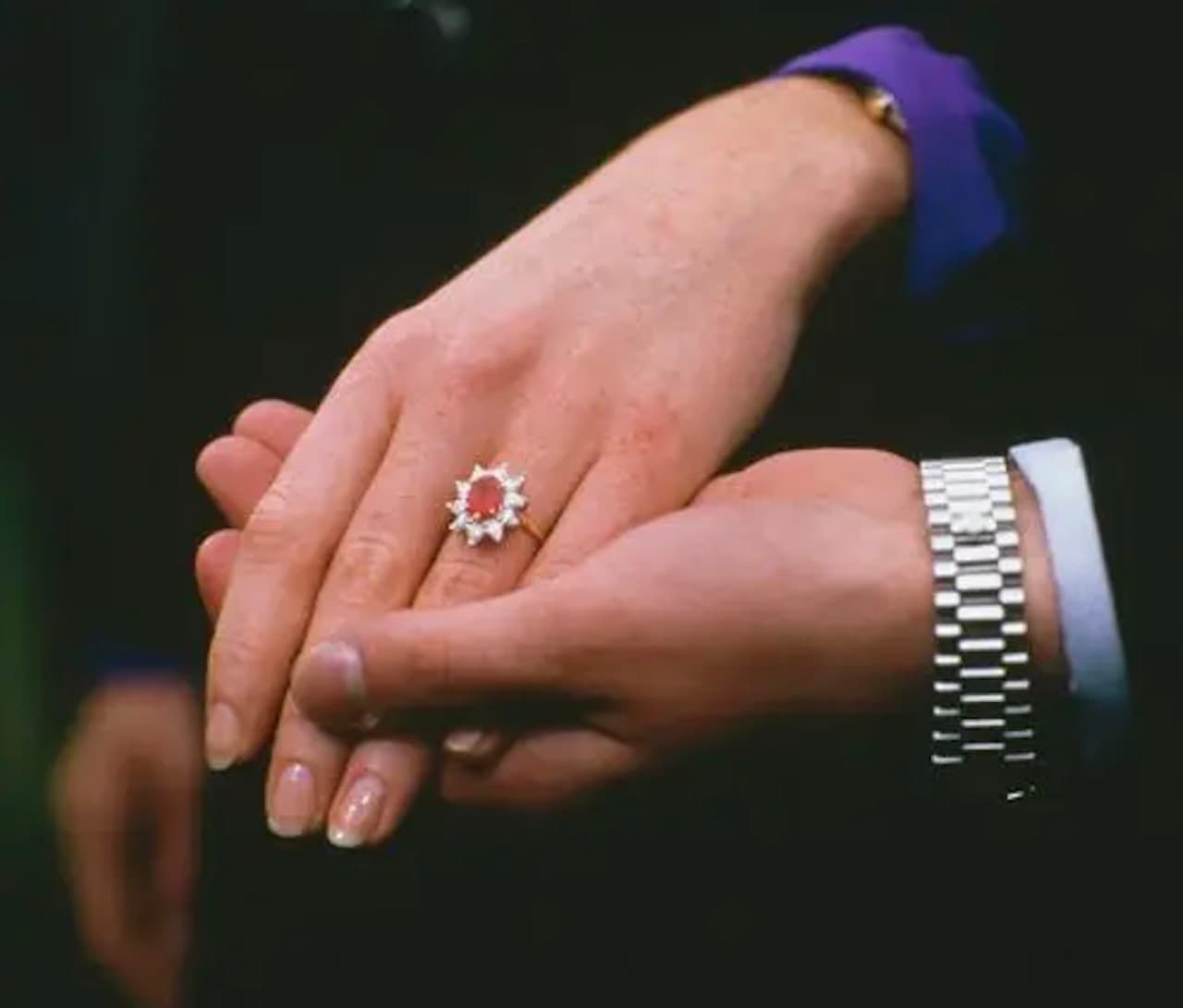
Sarah Ferguson’s engagement ring still reads like a small rebellion in gold and stone. Instead of a diamond solitaire, she received a three-carat Burmese ruby framed by 10 diamonds in a floral cluster setting on a yellow gold band, a composition that gave the jewel the softness of a blossom and the punch of a statement ring. It was announced in March 1986, when Prince Andrew and Ferguson’s engagement was made public after a private proposal at Floors Castle in Scotland.
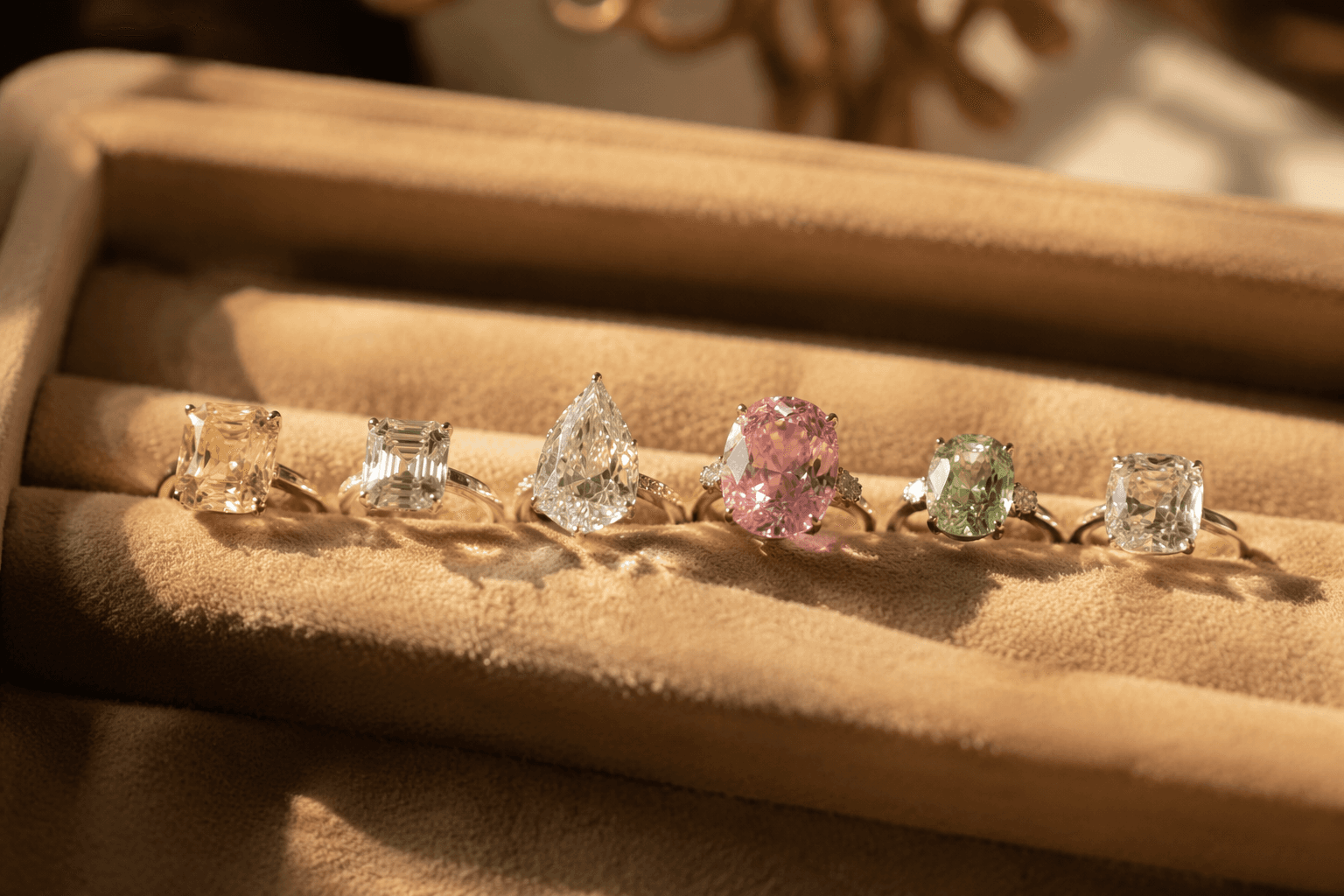
That timing matters because the ring arrived before bold gemstone engagement rings became a familiar shorthand for individuality. In the mid-1980s, a colored center stone still felt distinctive, especially in royal circles where the diamond solitaire remained the default language of commitment. Ferguson’s ring did not whisper tradition. It wore color openly, and that made it memorable.
Why the design still stands out
The power of the ring lies in the way its elements are balanced. A Burmese ruby of three carats gives the jewel its core identity, while the 10 surrounding diamonds do not compete with it so much as form a halo of brightness around the center stone. The floral cluster setting softens the geometry, making the ring feel organic rather than rigid, and the yellow gold band adds warmth that flatters the ruby’s saturated red.
That composition is the reason the ring has aged so well in the public imagination. A diamond solitaire can be elegant, but this piece has movement, color, and narrative built into its design. It looks less like a template and more like a portrait, which is exactly why it still attracts attention decades later.
The ruby was the point
The color was not an accident or an afterthought. Prince Andrew said the ruby was chosen because red was considered the right color for Sarah, a detail that gives the ring a personal logic that many engagement rings lack. Contemporary coverage also noted that Ferguson joked the stone matched her hair, a playful line that only reinforced how naturally the jewel suited her image at the time.
That decision to center a ruby gave the ring a different emotional register from the cool formality of diamond-only designs. Rubies carry heat, and here that heat becomes part of the ring’s identity. The stone did not merely decorate the ring; it defined it.
Garrard and the royal jewelry tradition
The ring is widely associated with Garrard, the historic royal jeweler whose work has shaped some of the most recognizable pieces in modern royal history. Its connection to Garrard places it within a very specific lineage of craftsmanship, one that includes Princess Diana’s sapphire engagement ring and, later, Ferguson’s wedding-day demi-parure. That continuity matters because it shows the ring was not just fashionable, but carefully placed within royal jewelry tradition.
Still, the design was unconventional enough to feel personal. Coverage has described the couple wanting something with “extra bits” on the outside, a phrase that captures the ornamental framing of the cluster design and their preference for a jewel that did not look like everyone else’s. In a world of pared-back solitaires, those decorative flourishes gave the ring its character.
A jewel with a public life
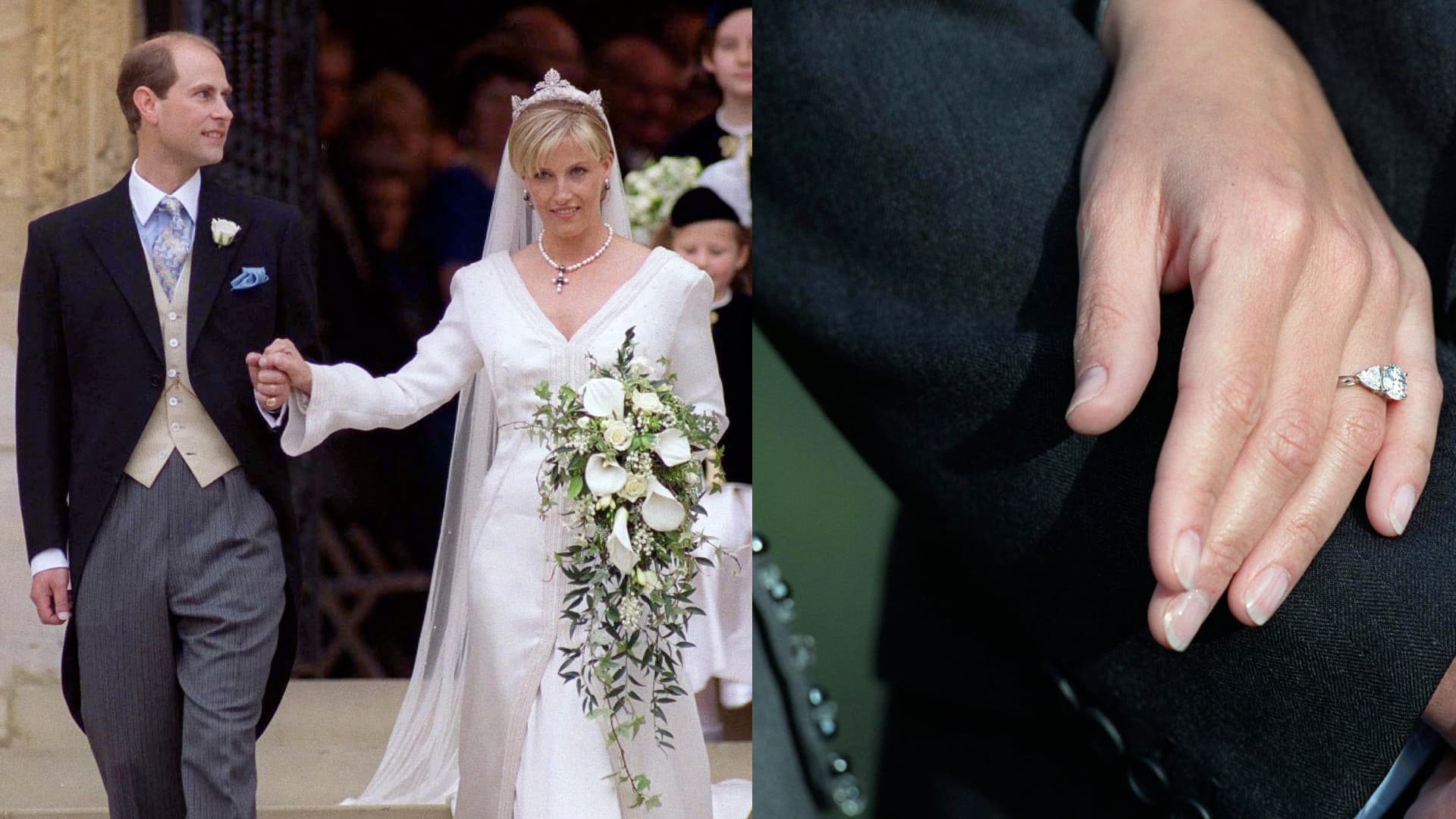
The engagement itself became public in March 1986, and the wedding followed on July 23, 1986, at Westminster Abbey. That sequence turned the ring into a visual marker of a brief but intensely watched royal romance. Contemporary reporting valued the ruby-and-diamond ring at about $37,000 in 1986, while later coverage has placed its modern equivalent at roughly £70,000 or around $90,000 depending on valuation method.
Its story did not end with the marriage. Sarah Ferguson and Prince Andrew separated in 1992 and divorced in 1996, yet she reportedly continued to wear the engagement ring until 2003. That detail gives the jewel an unusual afterlife: it remained part of her public image long after the relationship that produced it had ended.
From one royal ring to the next generation
The design’s influence did not stop with Ferguson. Later commentary linked Princess Eugenie’s engagement ring to her mother’s ruby cluster style, a reminder that certain forms echo across generations when they are both distinctive and emotionally legible. The Ferguson ring proved that a royal engagement jewel could be colorful, ornate, and unmistakably personal without losing stature.
That is why it still feels relevant now, in an era when nontraditional engagement rings are not only accepted but often desired. Today’s appetite for colored gemstones, sculptural settings, and rings with visible personality makes Ferguson’s ruby cluster look remarkably current. Long before the market celebrated distinctive stones as a mark of taste, this ring had already made its case: a commitment ring can be formal, symbolic, and wonderfully individual at once.
Know something we missed? Have a correction or additional information?
Submit a Tip