Sculptural Settings, Warm Metals, Bezel and East-West Styles Define 2026 Engagement Rings
Sculptural settings, rose and 18k yellow gold, bezel mounts and east-west orientations are the defining engagement-ring choices shaping proposals in 2026.
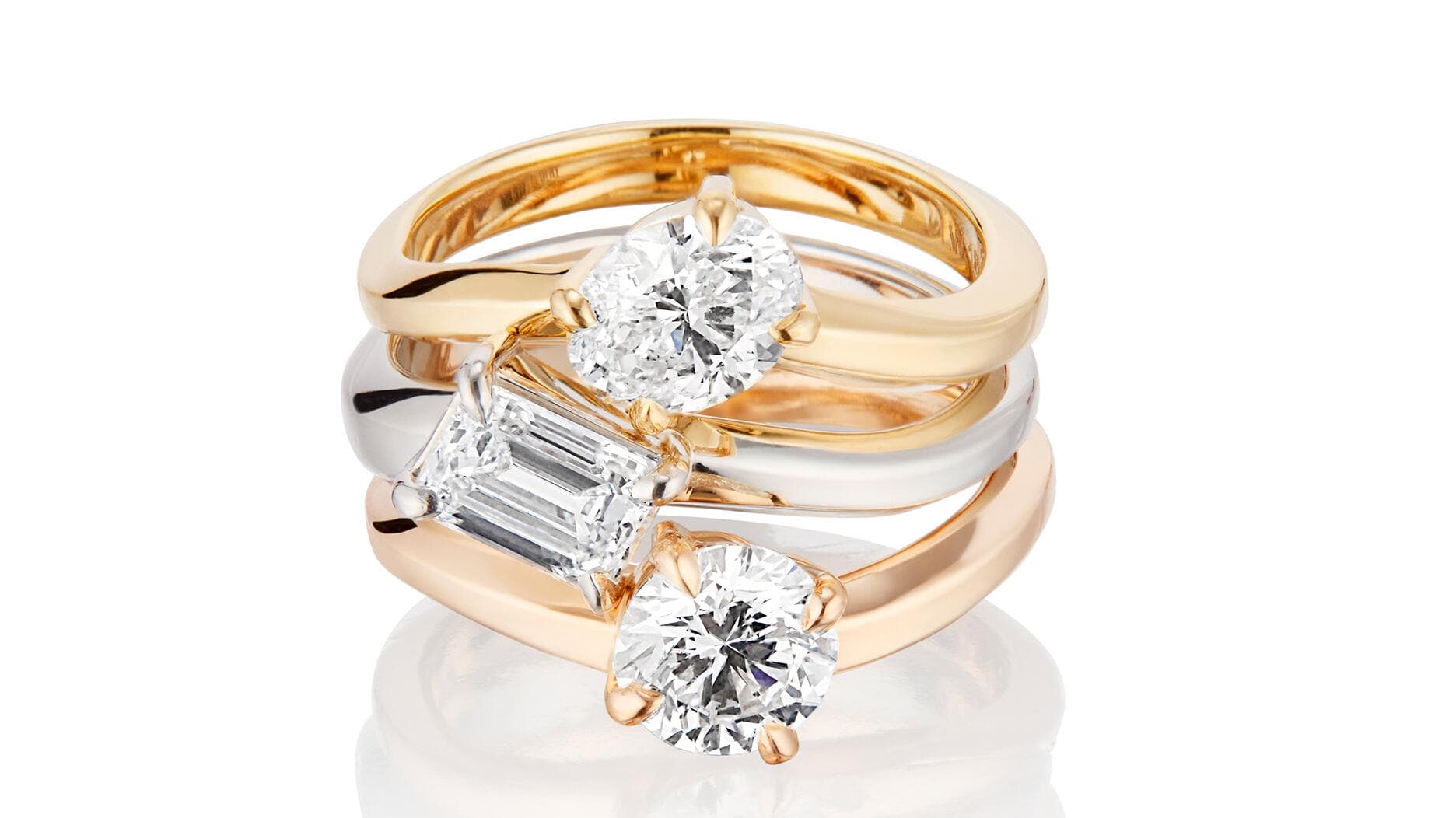
Sculptural silhouettes are driving engagement-ring design in 2026, with a clear move toward three-dimensional settings that read as small wearable sculptures rather than traditional solitaires. A jewelry historian, a designer, a bridal director and a wedding expert interviewed for this piece all pointed to the same visual vocabulary: wraparound shanks, architectural crowns and integrated bands that flow into the center stone.
On February 25, 2026 the designer explained why warm metals dominate that vocabulary: rose gold and 18k yellow gold are chosen for color depth and skin-tone warmth while 14k gold is specified when durability is required. Those metal choices affect soldering techniques, stone-setting tolerance and the finished patina; for example, 18k alloys demand softer solder and tighter stone-setting allowances than 14k, which affects how bezel rims or sculpted prongs are executed in the bench.
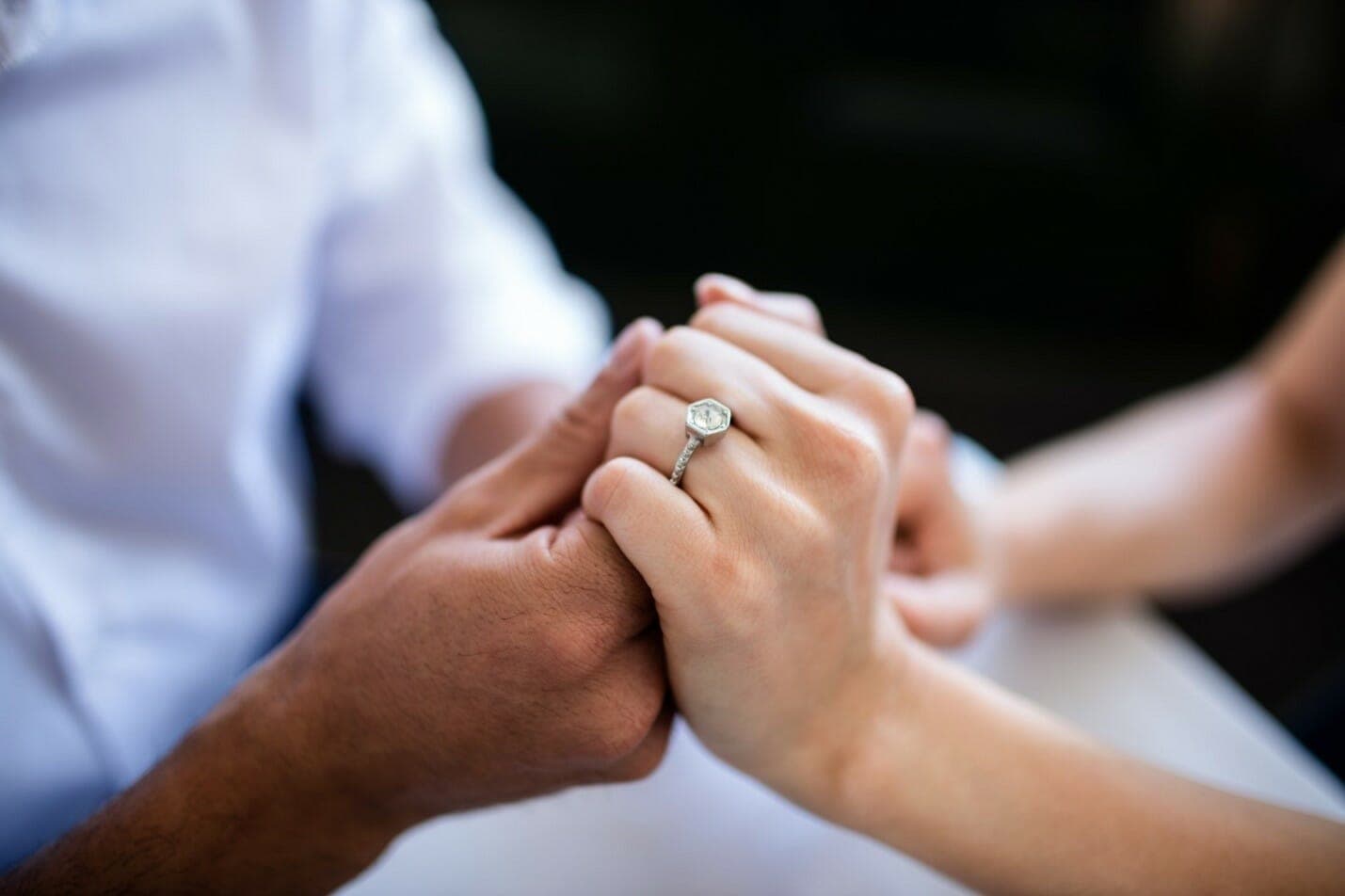
Bezel settings have risen markedly in bridal showrooms because they protect girdles and table facets more effectively than four- or six-prong mounts, according to the bridal director interviewed on February 25, 2026. Full bezels, partial bezels and low-profile flush bezels are being used not only for durability but to create continuous form - a metal rim that reads as negative space and silhouette. Bench decisions are practical: a full bezel reduces snag risk and shields delicate cuts such as rose cuts and old European cuts during daily wear.
East-west orientations are no longer niche. On February 25, 2026 the wedding expert noted that oval, marquise and emerald centers set east-west produce a signet-like, horizontal drama that stacks cleanly with contour bands. East-west placement also shifts perceived finger length and sits differently under sleeves, which matters for clients requesting rings for active, hands-on lifestyles. Designers are pairing east-west centers with tapered shoulders and bezel collars to both secure the stone and preserve the lateral silhouette.

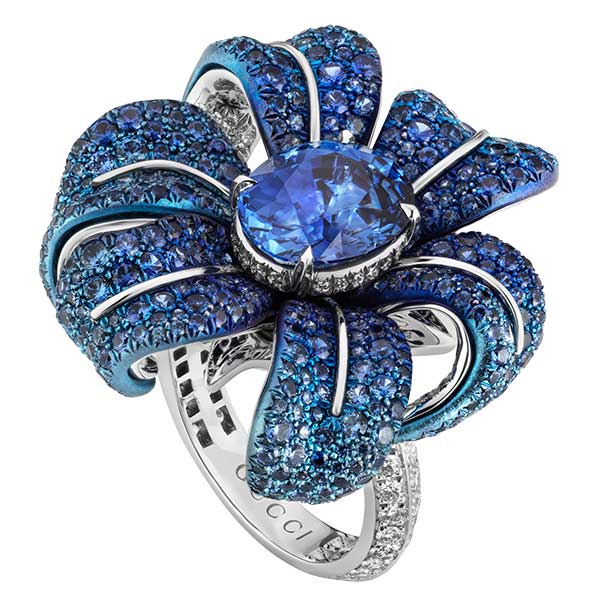
Personalization remains central to the trend mix discussed on February 25, 2026. The designer highlighted choices such as hidden melee under the head, inscription trenches on the inner shank, and alternative centers - sapphires, spinels and green garnets - chosen for provenance statements and color. These details require specific lapidary and setting skills: table-to-girdle proportions, pavilion angles and bezel wall thicknesses are adjusted to accommodate non-diamond refractive indices and cleavage planes.
Viewed against historical practice, the jewelry historian argued on February 25, 2026 that 2026’s emphasis on sculptural form and warm golds echoes early 20th-century modernist experimentation and a mid-century signet revival, but executed with contemporary tolerances and lifestyle needs. The result is a clear design program for buyers: prioritize settings that protect the stone, choose alloys that suit daily wear, and specify the personalized elements that make the ring uniquely yours.
This article was produced by Prism’s automated news system from verified source data, official records, and press releases, then run through automated quality and moderation checks before publishing. The system is built and supervised by the people who set the standards it runs under. Read our full AI policy.
Did this article answer your question?